The National Library of Wales is pleased to announce that its Volunteering Scheme has been recognised with an Investing in Volunteers achiever award.
Volunteering plays a vital role in the Library’s work, and is highlighted in the 2025-2030 Strategic Plan. Receiving the UK’s Investing in Volunteers quality standard for best practice in volunteer management recognizes the hard work of the Volunteering Team and volunteers in building an inclusive, inspiring and well-supported volunteering scheme.
Rhodri Llwyd Morgan, Chief Executive of the National Library of Wales said:
“We are extremely proud to have achieved the Investing in Volunteers accreditation. It is an acknowledgment of the Library’s outstanding work in this area. Volunteers are an important part of the Library’s life, and the assessors have seen that volunteering is an activity that is deeply embedded in the Library. We greatly benefit from the work done by volunteers, as they contribute to a variety of projects. In turn, volunteers benefit from their experiences, and being part of the Library community enriches their lives.”
Mike Powdrill, a volunteer at the National Library of Wales said:
“I started volunteering at The National Library of Wales after struggling with my mental health. The work is enjoyable – and has purpose – and the staff and volunteers are fantastic company. Very quickly I increased my volunteering hours. The Volunteering Scheme offers me all the essentials for a healthy mind and lifestyle – getting out of the house, an occupation, and social interaction. The staff are very supportive and they have supported me with any issues I may have.”
As well as meeting the overall criteria set by Investing in Volunteers, a number of strengths were identified during the assessment.
The Library attracts a diverse range of volunteers, in relation to age, nationality, neurodiversity, sexuality and gender, as well as mental and physical health. This diversity brings wider skills, experience and expertise to volunteering.
It was also noted that volunteers feel well and pro-actively supported, giving them confidence, and valued by staff members of the Volunteering Team.
The National Library of Wales is pleased to announce the launch of a new initiative, Film Skills for the Future, a project designed to strengthen the technical expertise of its Screen and Sound Archive team and advance the preservation of Wales’s audio-visual heritage.
Thanks to vital support from BFI National Lottery: Screen Heritage Organisational Skills Fund, this project will provide targeted training in film handling, inspection, digitisation, and post-production. The aim is to cultivate an agile, skilled, and adaptable workforce capable of meeting the growing challenges of audio-visual preservation.
Delivered through structured internal workshops and hands-on mentoring, Film Skills for the Future will promote effective knowledge transfer and practical skills development. This will ensure that the Screen and Sound Archive technical team is equipped to deliver a range of high-quality services to protect the nations audiovisual heritage.
A key output of the project will be the creation of publicly accessible documentation detailing best practice for the digitisation of historic film collections. This resource will be shared widely, supporting other heritage and archival organisations in adopting effective preservation strategies.
Scott Waby, Head of Collections Care at the National Library of Wales said:
“We’re very pleased to receive this support from the BFI and National Lottery to undertake this new and exciting initiative. Not only will enable it us to safeguard and develop essential specialist skills at the Library, but also allow us to share skills and knowledge with other organisations and the public, so that Wales’ audiovisual heritage is preserved for future generations.”
To broaden its impact, the project will also host three seminars for staff from heritage organisations across Wales, members of the public with an interest in film preservation and students specialising in archives, libraries, and related disciplines.
These outreach activities will foster knowledge-sharing, extend specialist expertise across the sector, and promote wider public engagement with audio-visual heritage.
The first event will take place on 2 December, with a full day of activities that include introducing treasures in the film collection, showing how archive footage is cared for and digitised, and an opportunity to see first-hand the equipment and techniques used to preserve Wales’ moving image heritage.
This important initiative has been made possible thanks to the support of the BFI and the National Lottery, whose investment is ensuring the sustainable development of film preservation skills in Wales and beyond.
On 1 November 2025 a thought-provoking new exhibition exploring the power of the portrait will open in the Gregynog Gallery at the National Library of Wales, Aberystwyth.
Using historic and contemporary Welsh art, the Portrait and Power exhibition considers how identity, gaze and power flow through portraiture. It will also invite the visitor to look carefully at the works on display and to rethink the purpose and effect of a portrait.
Whilst enjoying the artistic brilliance of the works on display, the audience will also be encouraged to question traditional roles and challenge visual conventions. Ultimately, the show asks the question: how can portraits reflect or rewrite the stories told about identity, gender, race, class and belonging?
“The gaze is not just a matter of looking, but also of power and control.”
John Berger, ‘Ways of Seeing’, 1972
Contemporary artists such as Anya Paintsil, Natalie Chapman and Shani Rhys James use the portrait to confront the politics of looking — turning the gaze back on the viewer, reclaiming the body, and making space for stories of care, ageing, motherhood, and identity that rarely enter public collections. These newly commissioned or acquired works sit at the heart of this exhibition, expanding who is seen and on whose terms.
With the approach of her 150th anniversary, the exhibition will also include a case study relating to the Gwen John, one of Wales’s most celebrated painters. Traditionally overshadowed by her brother Augustus John, this section will include portraits by both siblings and by her close friend Mary Constance Lloyd, illustrating how different gazes can shape the same subject.
Rhodri Llwyd Morgan, Chief Executive of the National Library of Wales said:
“This exhibition offers a valuable opportunity for us to open up conversations on how we see ourselves, and how we are seen in art. This fresh look at portraiture is in itself a lens through which we can examine the power dynamics inherent in the act of collecting and exhibiting. I look forward to the events and engagement opportunities that will run alongside the exhibition, that will create connections with new audiences.”
Mari Elin Jones, Interpretation Officer at the National Library of Wales said:
“Portrait and Power celebrates how much our collection has grown and shifted in recent years. Recent collecting has brought extraordinary work by historically under-represented artists into the Library’s care, and I’m incredibly proud to have curated an exhibition that gives these works the space and attention they deserve.”
The intention of the exhibition has been to inspire as well as to challenge. Visitors will also have the opportunity to create their own works in a dedicated studio space within the gallery.
“In a world ordered by sexual imbalance, pleasure in looking has been split between active/male and passive/female.”
Laura Mulvey, ‘Visual and Other Pleasures’, 1989
The inclusivity of the exhibition will also be reflected in a coinciding programme of events, engagement activities and work with schools. Events will include audio described tours, curator led gallery talks, panel discussions and community engagement workshops. Full details of all activities will be shared on our website over the coming weeks.
The National Library of Wales is delighted to announce the appointment of Judith Musker Turner as the new Climate Action Programme Lead for the culture sector. This is a pivotal role that will drive forward the sector’s response to the climate and nature emergencies.
With a strong background in climate action and stakeholder engagement, Judith brings a wealth of expertise, passion, and strategic insight to this newly established post, which is funded by the Welsh Government as part of delivering ambition 16 of the Priorities for Culture.
This appointment marks a significant step forward in supporting cultural organisations as they consider sustainable development. Judith will work collaboratively across the culture sector to deliver action and progress for the whole sector in response to climate change.
Judith will be based at the National Library of Wales but has a remit to deliver for the culture sector across the whole of Wales.
Speaking about the appointment, Rhodri Llwyd Morgan, Chief Executive of the National Library of Wales, said:
“We are thrilled to welcome Judith into this vital role. The Library has made significant progress on decarbonisation of the estate, but we still have much work to do to ensure that climate action is considered in every aspect of our work. The culture sector has a unique power to inspire change, and under Judith’s leadership, we look forward to seeing bold, creative, and impactful climate action at the Library and across the sector.”
Jack Sargeant MS, Minister for Culture, Skills and Social Partnership said:
“I am thrilled the Welsh Government has been able to support this appointment as part of delivering the Priorities for Culture. At consultation, we heard from sector stakeholders that their ability to respond to the climate and nature emergencies was limited, with leadership and access to specialist knowledge being a cause for concern. Judith’s significant experience and Networks in the arts sector will be especially valuable, and I am confident that the whole of the culture sector will benefit from Judith’s expertise. I look forward to hearing about the impacts this role will achieve.”
The National Library is extremely proud to be able to announce a very generous donation to the National Collections by the renowned artist Mary Lloyd Jones.
Her work is central in illustrating the decades-long battles for recognition of female artists and now over 150 of her works have been added to the National Art Collection, together with some archival items.
Within the donation are examples of very early works by the artist, which include:
work she created when she was a child in Pontarfynach in the 1930s and 1940s;
examples of her earliest landscapes of Ceredigion in the 1960s, after she graduated from Cardiff College of Art; and
examples of her first experimental abstract works, including her geometric studies.
The artist’s textile work is also of great interest, where she experimented with batik and macramé techniques and created calico quilts. This is a medium that has been central to her work throughout her life, inspired by the traditional weaving of her ancestors in the woollen mills of Cardiganshire.
But, Mary Lloyd Jones is mainly known for her dynamic, colourful, expressive and abstract landscapes based on the landscape and culture of Wales. As is to be expected, therefore, the collection also includes works by her, dating from the 1990s, which are inspired by the landscape and culture of Ceredigion, Wales and the Celtic countries as well as her many travels, including to India in 1995.
Nia Mai Daniel, Head of Unique Collections Department at the National Library of Wales said:
“The National Library has been fortunate to have worked closely with Mary Lloyd Jones throughout the years. We are extremely grateful to her and her family for their continued support and this recent donation. We will treasure her works so that generations to come can enjoy and research them.”
The artist Mary Lloyd Jones said:
“In January 2025 we had a family discussion about the future of my art work and the comprehensive archive I have of my career as a Welsh Artist. The place that came to mind immediately was the National Library in Aberystwyth as the place has had a personal and deep impact on my early education and exposure to the world of art. It seemed fitting to approach them for advice and support.
I am delighted and honoured that the institution has accepted the gifts of my early work and archive. I am very happy to know that this resource will be accessible, for others, and that it will be housed in this important Welsh cultural institution for the future.”
Gudrun Jones, the artist’s daughter said:
“I realised over the last few years that there is still a great deal of interest in Mary’s work and that we were in danger of losing examples of early work in particular, by selling to private collectors. I felt strongly that as a family, we find a way to preserve a comprehensive selection that would provide a useful archive of 80 years of Mary’s contribution to Welsh artistic practice.
“I am very thankful to Morfudd Bevan at the National Library for her enthusiasm and support. I am relieved that now the work we have gifted, will in time be accessible resource for the future and has a home in the place Mary has chosen.
“Mary, aged 91 in August, can now focus on continuing her creative practice as an artist, exhibit and sell work, and perhaps more importantly continue to collaborate with other artists, that has been so central to her life and identity as a Welsh Woman artist.”
Osian, the artist’s grandson said:
“It’s been amazing to watch Mary over the years, I have vivid memories of playing in her art studios as a child. I’m very proud to have Mary as a grandmother, I think it’s important to preserve Mary’s work. I’m very grateful to the National library that they will have a great collection to show and preserve for the future.”
Feature image: Cwm Rheidol by Mary Lloyd Jones (cropped) – CC BY 3.0
On 2 October 2025, the National Library of Wales will open a new permanent exhibition – a powerful space that celebrates one of the most inspiring peace campaigns in Welsh history: the Welsh Women’s Peace Petition.
This will be a place to learn, reflect, and draw inspiration – where history meets hope, and where seeds of action are sown to build a peaceful future for Wales and the world.
Central to the Peacemakers exhibition will be a copy of the iconic appeal and the famous oak chest that carried the message of peace across the Atlantic to America. The pages of the petition will be shown alongside the accounts of the women who signed it – one story at a time, starting with the story of Annie Hughes Griffiths. Personal items from her archive will be on display, including the diary she kept on that transatlantic journey – with her own words brought to life in sound and film.
But this is not just history. Visitors will be able to search for the names of their relatives in the petition through terminals in the exhibition space, thanks to a mass transcription process by the Library. They will be able to reflect, share their own message of peace, and become part of the peace story that continues to this day.
Rhodri Llwyd Morgan, Chief Executive of the National Library of Wales said:
“Since the Welsh Women’s Peace Petition returned to Wales in April 2023, the National Library has worked diligently to share its story.
“The work to catalogue, digitize, transcribe and create a website since then has meant that people from all over the world have access to this incredible resource, so that they can look for their great grandmother, auntie or someone who lived on their street.
“The Petition’s story, and that of the women behind it, remained hidden for too long – but not any more. Now, this dedicated exhibition space means that their story is told, and that the resilience of these women will be remembered for generations to come.”
Prof Mererid Hopwood, Secretary of Wales’s National Peace Institute said:
“In days that are full of stories about war and violence, the decision by our National Library to dedicate a space to this important exhibition is a statement of faith and hope. It gives us an opportunity to be inspired by the past so that we imagine – and create – a future where the people of the world can coexist peacefully with one another.
“It has been a privilege to collaborate with the National Library of Wales through Academi Heddwch Cymru (Wales’s National Peace Institute) to ensure that the story of the Welsh
“Women’s Peace Petition 1923-24 comes to light. This exhibition will aid the work of realizing the vision of that petition, namely to ‘hand down to the generations which come after us, the proud heritage of a warless world’.”
Culture Minister, Jack Sargeant MS said:
“It is a privilege to open this new permanent exhibition dedicated to the Welsh Women’s Peace Petition. This remarkable campaign, which united nearly 400,000 Welsh women in 1923-24, demonstrates our enduring values as a nation of peace. I’m proud that the Welsh Government was able to support bringing this incredible piece of Welsh history home where it belongs.
“The petition’s message – calling for ‘law not war’ and a world without conflict – remains as relevant today as it was a century ago and this dedicated space at the National Library will ensure the courage and vision of these women will continue to inspire future generations.”
Wales’s commitment to peace didn’t begin or end with the Welsh Women’s Peace Petition and the wider story of peace campaigning in Wales will also be told in this exhibition. From international messages of friendship to powerful acts of protest, Welsh people have continued to raise their voices for peace in many ways. The exhibition highlights a few of those stories, including displaying items relating to the significant actions of the women of Greenham Common.
About the Petition
Signed by nearly 400,000 Welsh women, the Peace Petition of 1923–24 was a powerful act of solidarity and hope. Addressed to the women of America, it called for unity in the pursuit of a world without war, and its message still resonates more than a century later.
The Petition was launched in Aberystwyth in May 1923 and peace campaigners worked tirelessly to collect signatures in the following months. From small villages to industrial towns, women signed in their thousands.
Behind every signature is a woman with her own story – a teacher, mother, factory worker, poet or campaigner who believed in peace and chose to act.
The final total of 390,296 signatures – one in three women in Wales – was proof of the widespread support for peace and the strength of Welsh women’s networks.
The National Library of Wales’s activities at this year’s Eisteddfod at Wrexham will celebrate art, music and the local community with a programme of events and activities, on the stand and across the Maes. Through films, talks and a community event, visitors will enjoy learning about and celebrating the Wrexham area.
A selection of films from the Wales Broadcast Archive will be shown on the stand and in Sinemaes. On Saturday 2 August, the Sinemaes programme will include Wrexham on the Box, a selection of archive clips from television programmes about the Wrexham area, and Local Perspectives on the Archive, during which local residents will respond to examples of archive footage provided by the National Screen and Sound Archive of Wales.
On Wednesday 6 August a Big Tea Party will be held on the stand to celebrate the culmination of six months of work with community groups in the Wrexham and the local area. As well as tea and cake, there will be a chance to see how material from the Wales Broadcast Archive has inspired creative work.
The Dr Cymraeg will join the presenter Nia Roberts and Dafydd Tudur from the National Library for a tour through the collections in the Cyfrinachau’r Llyfrgell ar y Maes: Cyfrinachau Wrecsam (The Library’s Secrets on the Maes: Wrexham’s Secrets) event on Thursday 7 August. In this fascinating event items from the Library’s collections will be presented to bring some stories to light.
Also on Thursday in Tŷ Gwerin, Gwilym Bowen Rhys will perform some of the ballads relating to the Wrexham area that he has found in the Music Archives at the National Library of Wales.
Celebrating art and music will also be an integral part of the Library’s activities during the week. Dafydd Iwan and Kevin Tame will join Rhodri ap Dyfrig on Monday 4 August to discuss how the Library has worked with Sain to digitise and preserve the Sain catalogue. They will also shed light on how Sain will make the most of this amazing archive.
Peter Lord will take a look back at the No Welsh Art exhibition, on Friday 8 August, appraising what it has achieved and sharing what his hopes are for the future of these works of art. While for parents looking for a fun way to entertain their children during the week, there will be a chance for them to dress up as some of the people from the No Welsh Art paintings.
If you are looking for a gift or a treat for yourself, there will be several brand-new items for you in our shop, including clothing, prints and other items inspired by the No Welsh Art exhibition.
Other highlights during the week include: Saturday 2 August, 11:30am (Societies) Merched yn Sefydlu Plaid Cymru (The Women that Founded Plaid Cymru)
A conversation hosted by the Welsh Political Archive / National Library of Wales with Gwen Gruffudd and Arwel Vittle, and chaired by Dylan Iorwerth, looking ar the story of the founding of Plaid Cymru, including the contribution of women such as Mai Roberts, Mallt Williams and Elisabeth Williams who played key roles in the beginnings of the party.
Wednesday 6 August, 11:00 (Library Stand) ‘Yn ôl i Lanfrothen: golwg newydd ar Jones v Roberts (1888) (achos claddu Llanfrothen)’ gan Keith Bush KC (honoris causa), Cymrawd Cyfraith Cymru, Prifysgol Caerdydd (‘Llanfrothen revisited – a new look at Jones v Roberts (1888) (the Llanfrothen burial case)’ by Keith Bush KC (honoris causa), Fellow in Welsh Law, Cardiff University)
Held in partnership with the Friends of the Library
Sunday 3 August, 4:00pm & Saturday 9 August, 12:00pm (Sinemaes) Film – Oed yr Addewid
Showing of a new 2k version by the Screen and Sound Archive of Wales of the classic film, followed by a discussion panel
The full programme with details of the events around the Maes will be shared on our website and follow us on social media for the latest news during the week.
Rare cartoons by renowned portrait artist David Griffiths gifted to the National Library of Wales
20 humorous cartoons made in the late 1960s have been donated to the National Library of Wales by renowned Welsh portrait artist David Griffiths MBE. The cards, which have been hidden away for decades, were made for BBC Wales television productions such as the Heddiw (Today), Y Tywydd (The Weather) and music programmes before there were such things as on-screen computer graphics.
They are rare because usually they would have been discarded by producers but they help to tell the story of how television was made, and how early-career artists would make a living from their craft.
The cartoons were used to display stock prices on the news and provide humorous context to weather reports. Griffiths also made a series of cartoons for the music programme Disc a Dawn which were used as backgrounds to English songs, by artists such as the Beach Boys and The Kinks.
One of these cartoons can be seen in the September 1969 episode of Disc a Dawn, where Dafydd Iwan sings Croeso Chwedeg Nain – a song about the 1969 investiture of Prince Charles. This can be seen at National Library of Wales’ Clip Corners located across Wales where anybody can access the Wales Broadcast Archive.
David Griffiths who also established the Albany Gallery in Cardiff, went to to have a very successful career as an oil painter, with his portrait of Prince Charles in 1970 propelling his career. He has gone on to paint many Welsh people of note including former First Minister Mark Drakeford, Shane Williams and Dame Siân Phillips, which are all housed at the National Library, as well as painting the then Prince Charles for a second time in 2002.
The cartoons were presented to the Library by Arfon Haines Davies, friend of David Griffiths, and editor of his autobiography.
Arfon Haines Davies said:
“I’m fascinated with these cartoon caption cards which show David Griffiths’ sense of humour and skill as an artist.
Many of these cards were for the popular Welsh language magazine programme Heddiw which was broadcast live on BBC Wales on weekday evenings. This meant that there was often a very tight deadline for the artist.”
Morfudd Bevan, Art Curator at the National Library of Wales said:
“David Griffiths has always been a great supporter of the National library, and we are tremendously proud to house a comprehensive collection of the artist’s portraits within our National Art Collection. These cartoons will be a priceless addition to our collection of Welsh illustrators’ artistic works which are housed within our archives.”
Wolf Hall Comes to Wales as the Great Bibles of Henry VIII and Thomas Cromwell are Reunited After 500 Years
The Great Bibles of Henry VIII and Thomas Cromwell have been reunited for the first time in nearly 500 years at the National Library of Wales, Aberystwyth.
In recent years many became familiar with the life of Thomas Cromwell through the acclaimed novel and TV drama Wolf Hall, but now you can discover the real-life drama in a unique exhibition.
This is a once in a lifetime opportunity to see these two matching bibles, which were the personal copies of Henry VIII and Thomas Cromwell, side-by-side for the first time since they were made. They are displayed as part of the Treasures exhibition in the National Library of Wales’ Hengwrt Gallery.
With so much religious and political conflict, it is remarkable that both Bibles have survived, with one now kept at the National Library of Wales and the other at St. John’s College, Cambridge. However, it is unknown for sure which one belonged to Henry and which to Cromwell.
The luxurious copies, made in 1538/9, were printed on parchment and carefully hand-coloured by Europe’s finest artists. The printing was supported by Thomas Cromwell. He was a strong supporter of religious reform, and had the two special copies made as part of the campaign to convince the King.
The Great Bible was the first English translation of the Bible to be disseminated across the realm. By royal order it was to be placed in every church in England and Wales in a place accessible to the laity. At a time when prayers were still primarily in Latin, providing ordinary people with an English Bible was truly revolutionary. It marked the beginning of a new era of giving people more access to the Bible than ever before.
Despite the interesting title page, showing an idealised image of Henry VIII distributing bibles to ordinary people, Henry wasn’t fully comfortable with letting ordinary people read the Bible and he imposed restrictions on access after Cromwell’s execution. However, the impact of the Great Bible could not be undone. After Henry’s death, the use of Bibles in churches and homes proliferated.
Rhodri Llwyd Morgan, Chief Executive of the National Library of Wales said:
“The Age of the Tudors continues to hold a special appeal today. The two bibles were the personal property of two of the period’s great characters and they are the centrepiece of a fascinating exhibition charting the momentous events that are relevant to us now. It is a real privilege to be able to exhibit together the two volumes of such a significant publication at the National Library. In the exhibition we also show the story of the major political and social changes of the age, including the quest for a Welsh language Bible, a key development in the history of the language and its safeguarding today. It has also been a privilege to work with Cambridge University Library and the research team as innovative technologies help reveal more of the secrets within the two bibles and discovering more about the circumstances in which they were created.”
The Bibles have recently been carefully studied as part of the Hidden in Plain Sight research project, in collaboration with Cambridge University Library and Queen Mary University of London, and funded by the Arts and Humanities Research Council, which looks at how ancient books were used, changed and respected.
Using a range of scientific tools, from x-ray to microscopes and even DNA analysis, new light has been shed on the books, revealing some unknown histories and leading to discoveries about how the books were made and changed over time.
The project has revealed that Cromwell had his portrait painted and pasted into the title page of the St John’s copy – a move expertly hidden for centuries. The opening title page was further manipulated to gain Henry’s support, by altering an image of a courtly woman to resemble Jane Seymour, Henry’s beloved and recently deceased consort. Other discoveries are set to be revealed during the course of the exhibition.
Dr Amelie Roper, Head of Research and Manager of Cambridge University Library Research Institute, said:
“This rare opportunity to study the Bibles side-by-side has unearthed new secrets and created exciting paths of discovery. Hidden in Plain Sight project members from Cambridge University Library and Queen Mary University of London have used innovative heritage science techniques to capture these findings, ready to be explored in the exhibition and as the project continues.”
Prof. Eyal Poleg, Queen Mary University of London, said:
“These are two of the most important artefacts of the Tudor Court. New technologies have unearthed modifications, hidden for centuries. We can now appreciate how Cromwell manipulated the appearance of the Bibles as they were being printed, carefully navigating the religious and political turmoil of Henry’s court. The ability to see the Bibles side-by-side, for the first time in nearly 500 years, is a rare opportunity to witness first-hand this unique period.”
Other contemporary items from the Library’s collection, which tell the story of the dissolution of the monasteries, the development of the Welsh language, and which look at Anne Boleyn and court gossip will also be on display with the Bibles.
…kickstarted with plans for a new Wales Broadcast Archive space in the heart of Cardiff Bay
The National Library of Wales revealed its bold new strategy for 2025–2030 last night (20 May) – at a launch event which also previewed a new ‘Clip Corner’ at the Wales Millennium Centre.
The Library’s new strategy underpins the Welsh Government’s newly published Priorities for Culture – which aim to make Wales’ rich cultural legacy more accessible for future generations.
The new space – known as a ‘Clip Corner’ – will officially open in June, providing free access to digitised film, video, and audio from the Wales Broadcast Archive and the Library’s Screen and Sound Archive.
With support from the National Lottery Heritage Fund and Welsh Government, and in partnership with major broadcasters across Wales – the archive contains more than a century of television and radio broadcasts from BBC Wales, ITV Wales, and S4C.
The Clip Corner‘s placement in the heart of Cardiff Bay symbolises the Library’s plans to make its collections and resources more accessible – with other Clip Corners already open in Llanrwst, Cardiff, Swansea, Conwy, Carmarthen and Caernarfon; and many more set to open across Wales later this year.
Plus, it reflects the Library’s commitment to archival innovation – with plans on the horizon to expand its digital collections, engage diverse audiences, and further support education, research, and cultural initiatives that celebrate Wales’ heritage and identities.
In support of this, last night’s launch event at the Wales Millennium Centre featured a dynamic panel discussion with influential figures – including broadcaster Dot Davies, journalist Will Hayward, heritage leader and equalities activist Dr Gaynor Legall CBE, and Eluned Haf, Head of Wales Arts International. The panel discussed the importance of culture and heritage in shaping Wales’ identity in a rapidly evolving world.
Plus, the event provided a platform for the Library to engage with key stakeholders, including politicians, media representatives, and heritage leaders, to discuss the strategic vision for Wales’ cultural future and identify opportunities for collaboration.
Rhodri Llwyd Morgan, Chief Executive of the National Library of Wales, said:
“The launch of our new 2025-2030 strategy is a pivotal moment for Wales’ cultural heritage – ensuring it is preserved, shared, and made accessible to all. Aligning with the Welsh Government’s Priorities for Culture, this strategy will guide our work over the next five years, driving inclusivity, collaboration, and digital innovation. The Clip Corner at the Wales Millennium Centre is a prime example of this vision in action, offering public access to our audiovisual history and paving the way for a more connected, forward-looking Wales.”
On 12 April a new exhibition celebrating contemporary Welsh art will open at the Riverside Gallery, Haverfordwest. The CYFOES: Celf Cymru Heddiw · Contemporary Welsh Art exhibition will showcase a selection of new artworks, all created within the past decade, from the Art Collection at the National Library of Wales.
The exhibition will include oils, sculptures and mixed media works, and will include works by both young and established artists. The majority of works are by female artists.
The CYFOES exhibition will offer a glimpse into the vibrant world of contemporary art in Wales, dealing with modern influences and topics such as the Covid-19 pandemic and identity. It will also represent the changing face of art in Wales today as bold new ideas and fresh perspectives on Welsh culture are conveyed through the works on display.
Exhibition highlights include Dannedd Dodi by Anya Paintsil, HorseHead by Dr Adéọlá Dewis; Blodeuwedd by Natalia Dias and Moelni Maith by Lisa Eurgain Taylor.
Rhodri Llwyd Morgan, Chief Executive of the National Library of Wales said:
“The Library is home to over 60,000 works of art, and it is essential that we share as many as possible with the public. Our gallery at the Riverside Library enables us to share them with audiences beyond our site in Aberystwyth. The contemporary works in this exhibition are an opportunity for us to show how we continue to collect to ensure that the collection reflects contemporary Wales.”
Mari Elin Jones, Interpretation Officer at the National Library of Wales said:
“We are glad of this opportunity to share a special selection of works of art by some of Wales’ leading contemporary artists and extremely proud to be able to share so many works by female artists. The aim of the exhibition is to celebrate the richness of contemporary art in Wales and its continued vitality in interpreting the world today.”
Events will be held to coincide with the exhibition, details of which will be published on the National Library of Wales’ website over the coming weeks.
Showing alongside the CYFOES exhibition is the permanent exhibition Pembrokeshire: Past and Present, focusing on the history, culture and landscape of Pembrokeshire.
Both exhibitions will run until Saturday 11 October 2025.
In a series of exciting events the National Library of Wales will delve beneath surface of the No Welsh Art exhibition, which challenges the myth that Wales has no visual culture of its own.
Curated by the artist and art historian Peter Lord, the exhibition reveals the rich story of Wales’ visual culture, as well as its social and political history. It does so by combining Peter Lord’s extensive collection with items from the National Art Collection.
A rare opportunity to enjoy over 250 works of art of national significance, the exhibition presents the visual world of the gentry, middle class and ordinary people of Wales, before moving on to various portraits of Welsh identities.
Several ‘In Focus’ events will take place between now and September, which will look at topics such as Women in Welsh Art; Patrons of Art; Secrets of Art; Art and Poetry, looking at the poems in Afterlives, with John Barnie; Art, Politics and Protest; and Art and Identity. Several distinguished speakers will join us to present these events including Ceridwen Lloyd Morgan, Jill Piercy, Oliver Fairclough, John Barnie, Iwan Bala, Sara Rhoslyn, Mfikela Jean Samuel and Christine Mills, as well as the artist, art historian and curator Peter Lord.
In addition to this, there will be a series of Art at Night events, which will include a session to celebrate Pride month and a paint a pub sign session.
For those who want to learn more about the exhibition itself and the special works on display, a monthly guided tour will be held on the first Wednesday of the month in the company of Peter Lord. Some of these will include BSL interpretation. The Library will also hold special tours for blind or partially sighted visitors, meaning that this will be our most accessible exhibition to date.
During the school term, education workshops for primary and secondary pupils will be held to support the exhibition, and these sessions will focus on identity. During the visits, the pupils will visit the Gregynog Gallery to investigate the works of art, and will also have the opportunity to create a self-portrait – in pictures or words. Several community projects will also be planned by the Library’s engagement team.
For those who want to visit with children, there is a fun activities booklet available to keep them entertained. A programme of activities for children and families will also be planned for the holidays, with details to be announced closer to the time.
People in Cardiff will now have access to hundreds of thousands of radio and television programs from the archives of BBC Cymru Wales, ITV Cymru Wales and S4C on their doorstep thanks to a new Clip Corners which are now open in Cardiff University’s Arts and Social Sciences Library as well as Glamorgan Archives. The Clip Corners have computer terminals in comfortable places where anyone can come and see and listen to the variety of programs available.
The Welsh Broadcast Archive is the first of its kind in the UK, tracing almost a century of broadcasting. It draws together material from the screen and sound collections of BBC Cymru Wales, ITV Cymru Wales, S4C and the National Library of Wales. By preserving, cataloging and digitizing this material and presenting it on a fully searchable website, the National Library of Wales is committed to making this extraordinary collection accessible to everyone.
The establishment of these Clip Corners will ensure that communities beyond the National Library itself in Aberystwyth will be able to see the entire archive in their local area. Engagement work has already begun with groups across Wales, and the Clip Corners provide a space to work with community groups to explore and bring the archive to life.
As part of this project, a diverse collection of 1,500 clips will also be curated and made available for anyone to view online and on social media.
The Welsh Broadcasting Archive project was made possible through funding from the National Lottery Heritage Fund (£4.7M), the Welsh Government (£1M) and the private funds of the National Library of Wales (£1M).
Rhodri Llwyd Morgan, Chief Executive of the National Library of Wales said:
“Thank you to Cardiff University and Glamorgan Archives for working with us to create these new resources. We as a Library are dedicated to creating a closer link with the communities of Wales and to give people access to our collections in innovative ways. This Clip Corner will mean that we will build on the engagement work that has already been taking place with local groups in Cardiff in order to bring people closer to their radio and television heritage.”
Andrew White, Director of the National Lottery Heritage Fund in Wales, said:
“Broadcasting has played an important role in documenting the history of modern Wales – from heartbreaking news reports from the scene of the Aberfan disaster; to inspirational lectures such as Tynged yr Iaith by Saunders Lewis, S4C’s first broadcast in 1982 and the successes and lows of the Welsh football team at the Euros in 2016 and the World Cup in 2022.
“It has also enabled us to look back and learn about our heritage through programs such as The Dragon Has Two Tongues: A History of the Welsh in 1985 and has put Wales on the map with popular series such as Doctor Who, Keeping Faith and Hinterland.
“It is our privilege to support this important and progressive project which will protect and share the broadcasting heritage of Wales so that today’s and future generations can appreciate, enjoy and learn from it for years to come.”
The National Library of Wales‘ activities at the National Eisteddfod will be full of fun for the family, an exhibition featuring the area, and events to suit all tastes.
This year we will be celebrating Hen Wlad Fy Nhadau / Land of My Fathers, the national anthem of Wales, as the original manuscript of this national treasure has been kept safe in the Library. We will also be celebrating the ‘enwogion o fri’, or the people of note who came from the Rhondda Cynon Taf area with an exhibition of greats from Iris Williams to William Price.
Celebrities’ signatures used to be the thing to collect on the Eisteddfod field, but we are after photos. So come along to dress up like local celebrities, get a photo from our paparazzi, and see which celebrities you will be next to on our wall of fame.
After attracting hundreds to view archive clips in the Llŷn Eisteddfod, the Wales Broadcast Archive clip cinema will be back again, with an hour of amazing old film and video from the Rhondda Cynon Taf area and its people. Take a break, put your feet up for a bit, and watch clips like:
Gwyn Llewelyn visits the memorial to Evan and James James in Ynysangharad Park for Y Dydd (HTV, 1967);
Hywel Gwynfryn reports on the Grogg pottery figures made in Pontypridd (BBC Cymru Wales, 1985);
Shân Cothi visits Pontypridd Rugby Club (Telesgôp / S4C, 2010).
We also have a full program of events on our stand and around the field. Highlights of our events include:
Monday 00pm, Remembering Ann Clwyd – Welsh Political Archive, Cymdeithasau 1
Wednesday 30pm, Happy Birthday Pobol y Cwm – Celebrating 50, Library Stand
Thursday 30pm, The Visions of Dr William Price, Library Stand
Friday 30pm, Roy Noble Meet and Greet, Library Stand
And if you are looking for a little something for the house or as a gift, there will be several brand-new items for you in our shop. A print of Hywel Harries’ painting ‘Salem Revisited’ which the Library recently bought, a framed copy of the original Hen Wlad fy Nhadau manuscript, or an iconic painting of the Sardis Road rugby pitch by Ronald Lawrence. Our Welsh Women’s Peace Petition merchandise were in great demand last year so they will be available again this year.
This is just a taste of what we will have to offer on the stand and across the maes, so for more information visit our website or follow the Library on social media:
People in Caernarfon will now have access to hundreds of thousands of radio and television programs from the archives of BBC Cymru Wales, ITV Cymru Wales and S4C on their doorstep thanks to a new Clip Corner which is now open in Gwynedd Archives, Caernarfon. The Clip Corner has computer terminals in comfortable places where anyone can come and see and listen to the variety of programs available.
The Welsh Broadcast Archive is the first of its kind in the UK, tracing almost a century of broadcasting. It draws together material from the screen and sound collections of BBC Cymru Wales, ITV Cymru Wales, S4C and the National Library of Wales. By preserving, cataloging and digitizing this material and presenting it on a fully searchable website, the National Library of Wales is committed to making this extraordinary collection accessible to everyone.
The establishment of these Clip Corners will ensure that communities beyond the National Library itself in Aberystwyth will be able to see the entire archive in their local area. Engagement work has already begun with groups across Wales, and the Clip Corners provide a space to work with community groups to explore and bring the archive to life.
As part of this project, a diverse collection of 1,500 clips will also be curated and made available for anyone to view online and on social media.
The Welsh Broadcasting Archive project was made possible through funding from the National Lottery Heritage Fund (£4.7M), the Welsh Government (£1M) and the private funds of the National Library of Wales (£1M).
Rhodri Llwyd Morgan, Chief Executive of the National Library of Wales said:
“Thank you to Gwynedd Council and Gwynedd Archives in Caernarfon for working together to create this new resource. We as a Library are dedicated to creating a closer link with the communities of Wales and to give people access to our collections in innovative ways. This Clip Corner will mean that we will build on the engagement work that has already been taking place with local groups in Gwynedd in order to bring people closer to their radio and television heritage.”
Andrew White, Director of the National Lottery Heritage Fund in Wales, said:
“Broadcasting has played an important role in documenting the history of modern Wales – from heartbreaking news reports from the scene of the Aberfan disaster; to inspirational lectures such as Tynged yr Iaith by Saunders Lewis, S4C’s first broadcast in 1982 and the successes and lows of the Welsh football team at the Euros in 2016 and the World Cup in 2022.
“It has also enabled us to look back and learn about our heritage through programs such as The Dragon Has Two Tongues: A History of the Welsh in 1985 and has put Wales on the map with popular series such as Doctor Who, Keeping Faith and Hinterland .
“It is our privilege to support this important and progressive project which will protect and share the broadcasting heritage of Wales so that today’s and future generations can appreciate, enjoy and learn from it for years to come.”
On Wednesday 12 June 2024, the pupils of Penmachno Primary School and Llanddoged Primary School had the special experience of seeing Bishop William Morgan’s Bible (1588) alongside a portrait of him by Keith Bowen.
A joint project between the National Trust and the Education Service at the National Library of Wales, the event was part of the Library’s priorities to take masterpieces to schools. This originally stemmed from the Library’s work for Masterpieces in Schools – a scheme by Art UK to bring children face-to-face with great works of art inside their classroom, breaking down traditional barriers to art.
This year’s event was a celebration of Bishop William Morgan’s achievement in translating and publishing the first Welsh Bible in 1588. An achievement widely credited for having saved the Welsh language. The two treasures went to the schools and pupils had the opportunity to take part in workshops by the Library’s Education Service team.
Dr Rhodri Llwyd Morgan, Chief Executive of the National Library of Wales said:
“I’m extremely glad that the Library is collaborating with Penmachno and Llanddoged primary schools. The Library’s education team does excellent work in providing experiences that meet the requirements of the curriculum by using the Library’s treasures. And this is a project at the heart of our mission to inspire future generations to learn and to create by going out into those communities and sharing the wealth of our culture which has deep roots in their locality.”
Lois Jones, Senior Programming and Partnership Officer for the National Trust said:
“We are very proud to be working in partnership with the National Library of Wales on their Masterpieces in Schools project. The inclusion of young people in our work at Tŷ Mawr Wybrnant is a priority for us.
“By working with the Library on this plan, we have been able to offer a package of experiences to the children which will strengthen the local community’s relationship with Tŷ Mawr and William Morgan’s story.”
Elliw Roberts, Headteacher of Ysgol Gynradd Penmachno said:
“It was a privilege and an unforgettable experience for the pupils, staff and Governors of Ysgol Penmachno to welcome the 1588 Bible, together with a portrait of Bishop William Morgan, to the school for a day. It was an amazing occasion, and certainly one that will be treasured here at Ysgol Penmachno for years to come.”
On Friday 12 July, both schools will visit the National Library of Wales, to see where the two items are kept safe, and learn more about the national collections and how they are preserved for future generations.
As part of the project, the children will also visit the birthplace of William Morgan, Tŷ Mawr Wybrnant, which is in the care of the National Trust, in order to learn about how William Morgan lived when he was a young child, and what inspired him to learn.
In addition, the schools will hold a day of art workshops, during which the artist Eleri Jones will visit the schools to show the pupils how to paint portraits.
The Library’s work to take masterpieces to schools is part of the strategy to reach out to communities across Wales and support participation in cultural, educational and artistic activities for children and young people.
The sessions assist the school in aligning with the Curriculum for Wales guidelines, while supporting the Learning and Experience Areas of the Humanities, and the Expressive Arts, as well as presenting material that is relevant to the pupils’ cynefin.
Alongside the many reels of film collected by the National Library of Wales Screen and Sound Archive are examples of film technology – the cameras and projectors which were originally used to shoot and show the films.
The significance of these collections is becoming better appreciated now that the almost universal transition to digital image making has made them and the material of film less familiar. The recent book published by the International Federation of Film Archives (FIAF), Tales from the Vaults, is a good example of the trend to shed light on these collections.
These devices are a physical remnant of the experience of making and viewing analogue media over the last century and more. Although that experience is incompletely represented and can never be fully recovered, through exploring these machines it can be more easily imagined. The film collection is now only experienced through online video, but these machines establish a context for the film holdings which remind us of original practices of production and distribution.
One such device found in the Screen and Sound Archive, is a Wrench Model C projection mechanism for 35mm film, made in London about 1907 by John Wrench & Co.
Photo by Angharad Bache
This machine is reputed to have been used by William Haggar, a travelling showman and film pioneer based in Wales. It could have been part of the family fairground Bioscope show toured around South Wales by traction engine. Alternatively, it could have been installed in one of the first cinemas that Haggar and his children managed from 1910. Haggar’s first projector, acquired as a second-hand outfit in 1898 for £80, had also been made by Wrench but he had gone on to use a variety of machines made or marketed by Maguire and Baucus, Charles Urban, Pathé and Gaumont.
As is common with these devices, only the projection mechanism survives. It is missing its spool arms, lamphouse, shutter and even its lens. An image from the 1907 Wrench catalogue helps to show how it would have looked at the time. My thanks to Dr. Nicholas Hiley for providing this from a book in his personal collection.
The Haggar enterprise included films shot by William Haggar and starring members of his family as well as many films made by other early pioneers. Their Bioscope shows featured programmes made up of a mixture of these films which were by far the most expensive part of the operation, costing £1000 a year to buy. Unfortunately, the danger posed by nitrate film fires is the reason that hardly anything survives from their extensive collection which today would be considered a priceless cultural treasure. Peter Yorke recalls a conversation with Roy Haggar in which he says the films had been stored in a garage behind a cinema in Fordingbridge. However, when the cinema was reconstructed, an inspector condemned the collection as a fire hazard, and they were destroyed.
Luckily, at least some of William Haggar’s pioneering Welsh film making does survive and the nitrate originals of these are kept securely in specially designed vaults at the BFI National Film Archive. While some of these rare Haggar films can be seen in digital versions, if you do visit the BFI Player to watch some of his work – a film such as The Sheep Stealer (1908), perhaps – it is instructive to think of William or one of his eight adult children using a machine like the Wrench Model C, literally cranking every frame by hand through the intermittent mechanism. The gear train whirs into life and images stream past the light coming from the lamphouse – the carbon arc hissing and smoking as it burns – and a lively flickering image appears on a large canvas sheet. All this in the place of a click of the mouse!
2024 marks the 120th anniversary of the founding of the Royal Welsh Agricultural Society and the Royal Welsh Show. In this exhibition titled Tipyn o Sioe! (Transl. : What a Show!) we celebrate the ‘Sioe Fawr’, one of Europe’s biggest agricultural shows.
Taking place in July each year, it was originally held in Aberystwyth in 1904. It went to various locations until 1963, when it found a permanent home in Llanelwedd, Builth Wells. The photographs in this exhibition reflect how the Show and agriculture have evolved over the decades.
The majority of them are the work of two documentary photographers, Geoff Charles and Arvid-Parry-Jones. Both have diligently documented the Royal Welsh Show through engaging and revealing images.
Other photographers appearing are Haydn Denman who has documented his photographic journey along the A470 through Llanelwedd, and Bruce Cardwell who has published a recent book containing contemporary images of the Show.
“The Royal Welsh Show is one of Wales’ most important events, giving our agricultural excellence an international platform. Thank you to the Society for choosing to announce this year’s Show with us and it is our pleasure to curate this exhibition of photographs from our collection which documents the history of the Show over the years. We look forward to welcoming people from far and wide to see them.”
Aled Rhys Jones, Chief Executive of the Royal Welsh Agricultural Society, said:
“We have built a very close relationship with the Library over the past year and are very grateful to them for preparing this special exhibition which records the development of the show, and its contribution to the Welsh countryside. Also, having the opportunity to host the official launch of the 2024 Show in the Library was a historic event, celebrating the birthplace of the show in Aberystwyth back in 1904.”
Exhibition runs from 12 June 2024 to 24 August 2024 | Upper Central Hall, The National Library of Wales, Aberystwyth SY23 3BU
On the 8th of March, pupils in years 5 and 6 of Ysgol Henry Richard, Tregaron, came to celebrate the first anniversary of the Wales Broadcast Archive at the National Library of Wales with the event titled Wales Broadcast Archive Presents… Broadcasting Workshop.
The day was full of fun TV production challenges, and the children learned from the expertise of renowned cameraman Aled Jenkins, who has worked in over seventy countries filming drama, documentaries, and current affairs; and Elin Llwyd, television presenter and actress who also organises workshops for children.
The children had the opportunity to script, present, operate a camera and learn sound techniques – all the elements that go into creating good programmes. In addition there were sessions using the
Broadcast Archive facilities such as the green screen, visiting the ‘On Air’ exhibition and a tour of the copper room, where all the old TV and radio programs are kept safe.
The Wales Broadcast Archive is the first of its kind in the UK, tracing almost a century of broadcasting, it brings together material from the screen and sound collections of BBC Cymru Wales, ITV Cymru Wales, S4C and the National Library of Wales. By preserving, cataloging and digitizing this material and presenting it on a fully searchable website, the National Library of Wales is committed to making this extraordinary collection accessible to everyone.
With over 28,000 visitors to the Wales Broadcast Archive Centre in its first year, the development has been extremely popular with audiences of all ages. The project continues to evolve with Clip Corners already opened in Swansea, Carmarthen, Llanrwst and Conwy and many more to come over the next year. In addition. the project held 5 public events under the title Archive Broadcasting Wales Presents… attracting an audience of over 500 and engaged with numerous communities and creative practictioners.
The Welsh Broadcasting Archive project was made possible through funding from the National Lottery Heritage Fund (£4.7M), the Welsh Government (£1M) and the private funds of the National Library of Wales (£1M).
Dafydd Tudur, Head of Digital Services, National Library of Wales said:
“As we celebrate one year of public access to the Welsh Broadcasting Archive, it is wonderful to see the next generation of broadcasters having the opportunity to present, film and script. We have had a busy year with the innovative exhibition On the Air in the Library proving very popular, Corneli Clip opening in Carmarthen, Swansea, Llanrwst and Conwy, and many community projects and events throughout Wales.”
Andrew White, Wales Director of The National Lottery Heritage Fund said:
“Heritage is about how the past is valued and preserved for future generations. By bringing together a century of television and radio and engaging new audiences with the collection both in person and digitally, the National Library of Wales project has ensured that iconic moments from 20th-century Welsh history and culture are accessible and kept safe for future generations. We wish them continued success in the years to come.”
The prestigious UK-wide Poet Laureate Library Tour will stop in Pembrokeshire this Spring with a reading by Simon Armitage included.
The Riverside Library, Haverfordwest is delighted to be welcoming the tour and Poet Laureate Mr Armitage to an event on March 8th at 6pm.
He will be joined by special guests BAFTA and Grierson-nominated Welsh poet, novelist and playwright Owen Sheers and one of the Representing Wales poets, Bethany Handley.
The evening will also open the new gallery exhibition that celebrates the life and work of Dylan Thomas, with a particular focus on his poetry and iconic play for voices, Under Milk Wood.
The exhibition is hosted by Pembrokeshire Library Service in association with the National Library of Wales, Aberystwyth.
Each Spring this decade, Mr Armitage will give readings in libraries across the UK, from the flagship libraries of big cities to the smaller ones that serve rural and remote communities. Using the alphabet as a compass, his journey will celebrate the library as one of the great and necessary institutions.
Simon Armitage said:
“My experience of reading and writing began in the village library where I grew up, then in the nearby town library, then in libraries at various places of study and teaching. For many people they are an invaluable aspect of everyday life, giving access not just to books but to services, learning, conversation and creative thinking.
“I want to pay my respects to these unique institutions. By planning readings up to a decade in advance I am being optimistic about the future of our libraries and challenging those authorities who would consider closing them down.
“I want to celebrate the physical space of libraries and take my work back into places that have given me so much.”
His H to K Libraries Tour launches in Harlesden Library, Brent, before making its way to Haverfordwest and on to Scotland before a finale in Haltwhistle Library, Northumberland.
The H to K Libraries Tour is supported by the T. S. Eliot Foundation and publishers Faber.
The National Library of Wales is pleased to announce today that Dr. Rhodri Llwyd Morgan has been appointed as Chief Executive.
Rhodri will join the Library in Spring 2024. Prior to this appointment Rhodri was Director of Welsh Language, Welsh Culture and External Relations at Aberystwyth University. He brings extensive experience of the higher education sector, the Welsh language and culture and of developing and delivering ambitious plans.
He was responsible for the New Life for the Old College project on behalf of Aberystwyth University which is currently underway and will transform the Grade 1 listed building into a cultural and creative centre. He was also Chairman of the Board of Directors of Mudiad Meithrin for six years and a member of the Welsh Language Partnership Council (Welsh Government) for ten years. Rhodri was educated in south Ceredigion, and gained a degree in History and Welsh History at Aberystwyth University along with a Diploma in Librarianship, before completing a Master’s Degree and Doctorate at Cardiff University.
Dr. Rhodri Llwyd Morgan said:
“The National Library of Wales is undoubtedly one of the nation’s leading institutions and it is a huge privilege to be appointed Chief Executive. I am really looking forward to working with the Library’s staff, trustees and partners and to promoting its mission among the people of Wales and beyond.
Yes, there are challenges to be tackled, the most obvious of which is the financial crunch that affects everyone. But there are also opportunities in promoting our culture in all its rich diversity and in taking the Library’s incredible expertise and resources to new areas and audiences.”
Commenting on the appointment Ashok Ahir, President of the National Library of Wales said:
“We are proud to appoint Rhodri Llwyd Morgan in this key role and are very much looking forward as a Board to working together to continue shaping the Library for the future.
He is an individual who understands the Library and its national and international importance, and is experienced in high-level leadership in a number of areas. His experience as a leader will show the way to our dedicated staff in a period of change for our institution and for the sector.”
He succeeds Professor Pedr ap Llwyd FLSW who has announced his retirement. He has been in the role for five years.
This was one of the key messages on Wednesday the 22nd of November as Professor Laura McAllister delivered the annual lecture of the Welsh Political Archive of the National Library of Wales.
Over 200 people listened to the Welsh Political Archive’s prestigious annual lecture which was first held in 1987, and this year took place at Cardiff University’s School of Journalism, Media and Culture.
In her lecture titled Reason not rancour: a route to a better Wales, McAllister gave an analysis of contemporary Wales, the urgent need for constructive change, offering ideas on creating a new contract between the people and the state.
McAllister, who is Professor of Public Policy and the Governance of Wales at the Wales Governance Centre, Cardiff University and co-chair of the Independent Commission on the Constitutional Future of Wales, said in her closing summary:
“Tonight, I’ve offered my broadest possible analysis of leadership; arguing for a posture of confidence as we try and tackle the challenges facing Cymru. I’ve called for nothing less than the reinvention of Wales based on the belief that we should shift our mindset.”
“I would respectfully offer up our impending Independent Commission report as a blueprint to help frame the political and constitutional change necessary for the other improvements we need. Because constitutional change is part of the tool kit for a better Wales not a self- indulgent project. There is a route to creating a more politically literate citizenship within the new fit for purpose and more autonomous Welsh political system that they deserve.”
“In it, people have far more voice and agency and they take part, not just in elections but in civic life more generally and taking on public and community roles – whatever they are- is normalised and expected. All of this would be embedded in a open culture of scrutiny and accountability where there are no favourites, no monoliths politically, culturally or economically, one where pluralism and diversity in every sense including cognitive is celebrated, and there is a healthy and voluntary turn over of leaders and representatives.”
“And I hope that tonight’s lecture has summed up the direction of travel we need, to the next stage where I want us to be as a nation…and that is a globally mainstream Wales, freed from its trepidations and timidity, a confident, equal, prosperous Wales.”
McAllister’s research focuses on Welsh politics and elections, devolution, electoral reform, and gender in politics. She was recently elected as UEFA Vice President and member of the Executive Committee.
Rob Phillips, The Welsh Political Archive, National Library of Wales, said:
“We are very proud to be able to welcome Professor Laura McAllister to deliver this year’s lecture at such an interesting time in Welsh politics. The lecture is the pinnacle of the Political Archive’s calendar and especially this year as part of the Archive’s 40th celebrations. The lecture will be an opportunity to look forward to future developments while we celebrate the great political collections in the Library which preserving the history of Welsh politics for the benefit of the people.”
The Welsh Political Archive was established in 1983 to coordinate the collection of documentary evidence of all kinds about politics in Wales. It collects records and papers of political parties, politicians, semi-political organisations, campaigns and pressure groups; leaflets, pamphlets and other printed ephemera; posters and photographs; websites and tapes of radio and television programmes.s
Previous lecturers for the Welsh Political Archive include Lord Cledwyn of Penrhos, Lord Roberts of Conwy, John Davies, Lord Bourne, Jeremy Bowen and Professor Angela John.
Locals, visitors and library staff in Aberystwyth now have access to Wales’ biggest EV charging site thanks to a new hub with 40 charging points – including ten rapid Tritium 75kW DC charging points – at the National Library of Wales.
New retail EV charging site in Aberystwyth –Wales’ biggest to date – will enable up to 40 vehicles to charge
The retail site located at the National Library of Wales brings much-needed charging capacity to mid-Wales as the nation aims for 4,000 EV chargers by
It includes eight rapid (DC) connectors for public access and two rapid (DC) connectors for staff access, enabling a 20% – 80% state of charge within a 40-minute
Whilst your car is charging you could use your time to:
take a quick peek at the Library’s exhibitions, including the Wales Women’s Peace Petition of 1923;
view clips from historic television programmes in the Wales Broadcast Archive Centre;
have a cup of tea or coffee and a fresh cake in Pen Dinas Café;
buy some Christmas presents and cards in the
The charging hub will benefit local electric vehicle owners, including customers of nearby towns and villages, as well as attract tourists who are either visiting or passing through Aberystwyth. This rollout will allow EV drivers to visit the shop and browse the library while they wait for their electric vehicle to complete a charge cycle, which in turn will increase visitors through the library’s doors to support the institution.
The Tritium rapid chargers on the site have been procured and installed by Trydan Will Davey Electrical, a professional NICEIC approved electrical contractor. The National Library of Wales will be the charge point operator (CPO) of the site and will therefore manage day-to-day operations for each of the new chargers, providing a seamless and reliable charging experience for EV drivers.
Pedr ap Llwyd, Librarian and Chief Executive of the National Library of Wales said:
“This is a major step forward in our offer to visitors and in achieving our well-being goals set out in our Strategic Plan in line with the Future Generations Act. We are proud to have worked with Tritium to secure the largest EV facility in Wales to date and will welcome all who wish to use the charging facilities as well as using that time to visit our exhibitions, café, and shop.”
Jane Hunter, CEO, Tritium said:
“While the UK Government has now confirmed plans to ban the sale of new petrol and diesel vehicles by 2035, the rollout of EV charging infrastructure must continue to accelerate to meet their target to install 300,000 public charging stations by 2030. Wales has a major role to play in this acceleration so that the whole of the UK transport network is electrified, allowing drivers to traverse the country”
“Our latest installation at the National Library of Wales brings much-needed fast chargers to Wales, and Tritium is proud to be part of a solution that is encouraging both sustainable travel and opportunity charging at this national landmark in Aberystwyth”
On 28 October a new exhibition opens at the National Library of Wales’ Gregynog Gallery, celebrating contemporary Welsh art. The CYFOES: Celf Cymru Heddiw · Contemporary Welsh Art exhibition brings together a selection of works dating from 1945 to the present day from the National Art Collection.
Exhibition highlights include a brand new work by the artist Dr Adéọlá Dewis, Y Fari Lwyd, which has been specially commissioned as part of the Library’s work to decolonise the art collections; Cofeb Tryweryn by John Meirion Morris; Greenham Peace Vigil by Claudia Williams; and Ponterwyd / Gaia by Mary Lloyd Jones.
The works in the exhibition – from oil paintings, collages and photographs to sculptures and multi-media works – show the range and diversity of the Library’s collections. They are a reflection of the world around us and a record of the world through the eyes of our most notable artists.
Looking at how contemporary art reflects the forces and issues that shape our world today, the exhibition presents the works across a number of themes:
Health and Wellbeing
Wales and Welsh Relevance
People, Society and Identity
The Body
Politics, Protest and Activism
Nature and the Environment
Our World, and
Religion and Beliefs
Rhian Gibson, Director of Communications, Engagement and Partnerships at the National Library of Wales said:
“The Library is home to over 60,000 works of art, and it is vital that we exhibit as wide a range of these as possible. The contemporary works in this exhibition are an opportunity to open the door to new audiences and to demonstrate how we are continuing to collect so that our collections represent today’s Wales. We hope that this exhibition also serves as a shop window for future loans and collaboration with other galleries.”
Mari Elin Jones, Interpretation Officer in the Exhibitions Department at the National Library of Wales said:
“We are very glad of this opportunity to share a special selection of artworks by some of Wales’ leading contemporary artists. The aim of the exhibition is to celebrate the richness, diversity and range of contemporary art in Wales; as well as displaying well-known works the exhibition also reflects the continued vitality of art in Wales today as we include brand new works. We really hope that visitors will enjoy this opportunity to see the best of contemporary art in Wales, and that the exhibition will stimulate dialogue and inspire creativity.”
To coincide with the exhibition there will be a series of events and details of these will be published on the Library’s website over the coming weeks.
The Library is working in collaboration with our partners to develop a National Contemporary Art Gallery for Wales and this exhibition provides examples of works that will be available to lend to galleries across Wales.
The National Library of Wales is pleased to welcome brand new and exciting works of art to the National Art Collection in Aberystwyth.
As part of the Library’s Anti-Racist Project, four artists – Joshua Donkor, Jasmine Violet, Mfikela Jean Samuel and Dr Adéọlá Dewis – have received a commission to create new works of art in response to the Library’s collections, whilst facing some difficult or challenging aspects of history.
The result is new works of art which contribute to the Library’s work to decolonise the collections and which contribute to improving the diversity of the art collection so that it can be a better reflection of Wales.
Joshua Donkor’s work is a portrait of the writer Eric Ngalle Charles which will be a valuable addition to the 15,000 items in the Library’s portrait archive.
Jasmine Violet has based her work on an image and maps within the Library’s collections, that portray the sugar plantations in 18th century Jamaica that have a Welsh connection, and focuses on the difficult and controversial history of slavery and colonialism.
The new work by Mfikela Jean Samuel – which responds to British Government publicity maps of West Africa that were created in the 1940s, and distributed by the British Government’s Central Information Office – draws attention to that which was omitted from the map and looks at how maps influence our perception of the world.
Dr Adéọlá Dewis has chosen to focus in the connections between the Fari Lwyd and the Jonkonnu festival in Jamaica in her work, using the Library’s graphic collections that portray the Fari Lwyd as a starting point.
Rhian Gibson, Director of Communications, Engagement and Partnerships said:
“The work of ensuring that out collections represent the diverse history and experiences of the people of Wales is central to the Library’s work and core to our strategic aims. We’re extremely glad therefore to welcome these new works, which will enhance representation within the National Art Collection.”
Morfudd Bevan, Art Curator at the National Library of Wales said:
“It has been a great experience working with these four extremely talented artists on this very important project. It is essential that we have open and honest conversations about our collections in order to create improvements and to educate ourselves about the hidden history of Wales.”
During Black History Month, the Library will celebrate acquiring these works by displaying them and with two special events. Joshua Donkor’s portrait will be on display in the Reflections exhibition for Black History Month in the Library; whilst works by Jasmine Violet and Mfikela Jean Samuel can be seen in the Wales to the World exhibition in the Riverside Gallery, Haverfordwest, which runs until 24 February 2024. Dr Adéọlá Dewis’ work will be on display in the Library soon.
On 17 October at 5pm at the Library, the artist Joshua Donkor and the author Eric Ngalle Charles will discuss the portrait, their careers and connections between Wales and Cameroon with the poet Ifor ap Glyn.
Then, on 19 October at 5pm at the Riverside Gallery, Haverfordwest, Jasmine Violet and Mfikela Jean Samuel will discuss their work in a conversation with Assistant Curator of Maps at The National Library of Wales, Ellie King, looking at the challenges and importance of decolonisation through the prism of maps and art.
The National Library of Wales will celebrate Black History Month this year with a series of activities that celebrate the diversity of Wales.
This month will see the launch of a digital calendar – the Wales and the World Calendar – that highlights various cultural, religious, awareness and diversity events globally, that are relevant to Wales and items in the collections at the National Library.
As part of the Library’s response to Welsh Government’s Anti-Racist Wales Action Plan, the calendar will serve as a reference source to users within the Library and to the public. Events selected to be represented in the calendar have been chosen with caution and objectivity, using the Library’s collections as a guide to ensure balance, fairness and diversity.
The project brings to light what has been available but unexplored within the collections at the National Library and events are shown alongside relevant items from the collections.
Dr Owain Rhys Roberts, Director of Collections and Digital Services at the National Library of Wales said:
“The objective of creating a Wales that is more equal and inclusive is a critical one and guides our long-term plans as an organisation. Our activities during Black History month are examples of the work that takes place throughout the year in the Library in order to realise this important objective.”
Miidong P. Daloeng, Archives Decolonisation Project Officer at the National Library of Wales said:
“A society that embraces its diversity is bound to thrive in all spheres . The Anti-Racist Wales Action Plan which has been set into motion by the National Library of Wales through its various projects is exemplary and should be emulated, and shows that a society void of racism and segregation is attainable.”
The Library will also celebrate Black History in Wales with an exhibition of items from collections, in the Peniarth exhibition space.
Curated by Miidong P. Daloeng, the Reflection exhibition aims to foster a better understanding of Black History by exploring the themes of music, arts, education, empire and campaigns, reflecting on and celebrating Black contributions to Welsh society and the World at large.
Highlights include brand new works of art that have been created as part of the Library’s ongoing work to decolonise its collections.
During the month, the Library will also hold two events in association with its work to decolonise the collections, details of which can be found on the Library’s website.
Today, 24 March 2023, pupils of Ysgol Gynradd Llanbedr Gwynedd, had the opportunity to view the famous Salem painting by Sydney Curnow Vosper in the place that inspired the painting.
As part of the Masterpieces in Schools event – one of the outreach projects by the National Library of Wales – the painting was exhibited at Ysgol Gynradd Llanbedr, the school closest to the site of the chapel that appears in the picture.
As well as unveiling the painting at the school’s morning service so that the entire school had the opportunity to see it, year 5 and 6 pupils participated in workshops.
The children looked in detail at the techniques used to create the picture in a watercolour painting workshop based on the masterpiece. In a second workshop they looked at the Welsh costume, focusing on the paisley pattern of Siân Owen’s shawl.
Tesni Edwards, Year 5&6 Teacher at Ysgol Llanbedr said:
“Travel costs have increased substantially over the last two years, so it can be challenging for schools to take pupils to galleries, museums and libraries all over Wales. We are very grateful for this opportunity which will enable Ysgol Llanbedr pupils to come face to face with one of Wales’s most iconic paintings, and learn more about the collections of our most important institutions.”
Rhodri Morgan, Head of Education Services at the National Library of Wales said:
“It’s our privilege to use the National Library’s collections to offer unique and exciting experiences to the school pupils of Wales. Offering a workshop on the original painting by Sydney Curnow Vosper to the children of Llanbedr, a stones throw away from the chapel that Siân Owen attended over a century ago, enriches their understanding of their locality, as they continue to celebrate the history of their surroundings.”
Later in the year the Library will invite all the pupils of Ysgol Llanbedr to Aberystwyth so that they can see where the painting is kept safely, and to learn more about the other collections at the National Library of Wales.
The Masterpieces in Schools project is part of the Library’s strategy to reach out to communities across Wales and support participation in cultural, educational and artistic activities for children and young people.
These sessions will facilitate the school to align with the guidelines of the Curriculum for Wales guidelines, while supporting the Learning and Experience Areas of the Humanities, and the Expressive Arts, as well as presenting material that is relevant to the pupils’ cynefin.
The National Library has opened a special room for the public that offers a space for people to work, read or relax, as part of Ceredigion Council and CAVO’s Warm Spaces network.
The room, which offers free internet access, is ideal for those who do not wish to work at home or want company and an alternative space to socialise and keep warm.
This room is one of a number of spaces at the National Library that offer a warm welcome for free. For young children and their families our new Play Area is a perfect place to spend a morning or afternoon.
There are also a number of interesting exhibitions in our exhibition spaces, which vary from looking at the history of Welsh football to an alphabet of assorted items from the Library’s collections – and entry to all is free. Our events programme offers an hour or two of entertainment in a cozy space and or it is possible to simply wander the public spaces to enjoy the building.
Rhian Gibson, Director of Communications, Engagement and Partnerships at the Library said:
“We are very glad to be working with Ceredigion Council’s Warm Places to offer a special room in the Library for everyone to use for work or to relax. The Library always offers a Warm Welcome to Everyone – but it is even more important that we do so at the moment as many people and families are facing difficult times. There’s plenty to enjoy here from the exhibitions to the Play Area and it’s an opportunity to have a chat and socialize, so pop in and experience our warm welcome.”
The National Library of Wales has launched a series of events to support Wales in the World Cup tournament in Qatar. By joining the Red Wall of supporters, the Library’s intention is to create excitement, fun events and share the history and archives relating to football in Wales, in Aberstwyth and online.
The Library has planned a number of activities for the coming weeks to mark this exciting occasion. These include an exhibition of items from the collections in the Peniarth exhibition area and the Reading Room.
From art to film, the displays will celebrate Wales’ footballing history. Visit the Library to watch some past football games, to read about some the game’s heroes or to see a copy of Yma o Hyd in Dafydd Iwan’s own handwriting. Visitors will also be encouraged to share their responses to the items, favourite football memories and memorabilia on our own red wall in the exhibition space. And in the evening, a surprise awaits those who can see the Library from their home.
A series of workshops have been planned by the Education Service at the Library, which look at the history of the Wales Teams (men and women), from 1876 to Qatar, using collections at the Library. In our first event, pupils of Ysgol Gymraeg Aberystwyth enjoyed a Q&A session in the company of the presenter and author Dylan Ebenezer:
“Seeing Wales in the World Cup is amazing but seeing the reaction of the children is also fantastic. Seeing them have a chance to enjoy, without possibly realising the significance of it, they take it almost for granted, is special in itself, considering how much some people have waited for this moment.”
The service has also published a digital resource for schools, which also looks at the history of the Wales National Football teams, and these can be accessed for free online.
Rhian Gibson Director of Communications, Engagement and Partnerships said:
“The Library is delighted to be joining people, children and organizations across Wales to show our support for the incredible achievement of the Welsh Football Team. The library is full of pictures, books, films and articles about football in Wales and it’s great to be able to share these with children and people in the Library and beyond. And of course the hope is that the team will create more history to add to the archive in the library for the future.”
During this period a range of football associated products will be available to purchase in the shop at the Library, whether you want to read about some of your heroes or are looking for a new mug to enjoy your tea when watching a game, there are plenty of gifts to choose from.
Visit us to join the celebrations and follow us on social media to find out more:
Facebook: @llgcymrunlwales | Twitter: @NLWales | Instagram: @librarywales
On 20 June the National Library of Wales and the University of Wales Centre for Advanced Welsh and Celtic Studies will publish the most thorough and scholarly study of Welsh Manuscripts ever to be conducted.
The author of the work is Dr Daniel Huws, former Keeper of Manuscripts and Records at the Library and chief scholar of Welsh manuscripts. The publication of A Repertory of Welsh Manuscripts and Scribes, c.800–c.1800 is the culmination of many years of thorough research and is a substantial contribution to international scholarship. To celebrate the publication of the Repertory and to mark Dr Huws’ 90th birthday, an international conference on various aspects relating to Welsh manuscripts will be held at the Library between 20 and 22 June.
The plenary speakers at the c.800–c.1800 Welsh Manuscripts Conference will be Ceridwen Lloyd-Morgan, Bernard Meehan and Paul Russell, and notable scholars from Wales and beyond will also take part. Over thirty papers will be delivered relating to aspects of manuscripts of Welsh provenance, including their construction, palaeography, scribes, patrons and collectors, textual studies and digital presentation.
Pedr ap Llwyd, Chief Executive and Librarian of The National Library of Wales said:
“This is undoubtedly one of the most important, if not the most important, scholarly research to be published by us. We owe a debt of gratitude to Daniel for his outstanding work and I have been privileged to get to know this dear and unique scholar over the past few years. Our best wishes to him on his special birthday and our thanks to him for a lifetime of service to Wales, our culture and learning.”
Professor Elin Haf Gruffydd Jones, Director of the University of Wales Centre for Advanced Welsh and Celtic Studies said:
“This is a masterpiece indeed. We celebrate the scholarship of Dr Daniel Huws and are proud of the collaboration that has taken place so as to present this work to the world. I would like to thank all those who have worked with us to publish these extraordinary volumes and we look forward – not only to the launch and conference this year – but also to the new work and research that will come as a result of the Repertory for decades to come.”
Further details
This will be the most important publication on Welsh manuscripts for over a century, and it will revolutionize the study of our culture and literature. The three volumes will include a detailed study of the manuscripts safeguarded by our main libraries, such as the National Library of Wales, Bangor University, and centres such as the British Library and the Bodleian Library, Oxford. It will also look at manuscripts that are kept further afield in places such as the Universities of Harvard and Yale, Stonyhurst College, and Northamptonshire Archives. On the basis of these manuscripts, the work and motives of the individuals that created them is analysed – from the Middle Ages up to the Industrial Revolution – introducing us to notable individuals in the history of the nation, to some that have been long forgotten and other more interesting characters that deserve further attention.
For more information visit the conference webpage or go to our website to book a ticket.
May has arrived and once again it is time for the National Library of Wales and the Royal Commission on the Ancient and Historic Monuments of Wales to join together to hold our annual map symposium Carto-Cymru. This will be the sixth event in the series since we started in 2016 and this year we are once again holding an online symposium, though unlike last year the whole event will take place on a single day, the 20th of May.
Our theme this year is ‘Mapping in Megabytes– how computer generated mapping is changing the way maps are produced, used and preserved and what this means for those who hold such information and make it available to the public.’
We have an exciting line-up of speakers, starting with our very own Jason Evans, who will be talking about ‘Decolonising Welsh mapping’. Jason is the Library’s Open Data Manager, and he will be telling us about Welsh speaking users of Openstreetmap and Wikidata have been working to safeguard Welsh language place names and why it is important to do so.
He will be reflecting on a recent Welsh Government funded project, led by the National Library of Wales, to combine these two datasets in order to improve Welsh language mapping services. He will also be looking ahead at the potential of crowdsourced data to empower Welsh speakers and ensure they have equal access to digital map-based services.
Our second talk will be by Jon Dollery, the Royal Commission’s Mapping Officer, who will be discussing the exciting project he is currently working to create interactive digital data from historic mapping.
He poses the intriguing question “What if we could have an OS Mastermap style system of polygons for landscapes now lost to the ravages of time and human progress and what if these polygons could be linked with estate, census and historic environment records?”
The UK has a vast collection of historic cartographic sources, increasingly these are being digitised and georeferenced. The AHRC funded ‘Deep Mapping of Estate Archives’ project seeks to take all of the information contained within these various mapping sources and create innovative interactive digital spatial data that will improve our understanding of landscape development over the past 400 years.
Jon’s talk will explore the types of spatial data we currently capture and how they are used within the historic environment sector and how these new developments can give us new ways to use them. We know there is a wealth of data in our historical written and cartographical sources, but we need to make it easier to get at and analyse. This talk will demonstrate some of the ways in which this can be achieved.
After the lunch break Dr Gethin Rees, Lead Curator of Digital Mapping at the British Library will talk about the Legal Deposit Libraries’ Map Viewer. His presentation will outline the steps that the six legal deposit libraries have taken to ensure that digital maps published in the United Kingdom are available for current and future generations.
Gethin will discuss how access to an increasing amount of data is provided through the legal deposit libraries’ map viewer, built on familiar web map technologies that offer user-friendly functionality and make the collection accessible within the reading rooms of the legal deposit libraries.
Finally, he will look towards the future and outline some of the upcoming plans for map collecting as the legal deposit libraries seek to keep pace with the increasing diversity of maps published in the UK today.
In our final talk Sally MacInnes, Head of Unique and Contemporary Content at The National Library of Wales and Dr Sarah Higgins, Senior Lecturer in Information Studies at Aberystwyth University, will discuss the issues surrounding the preservation of digital maps.
Sally will describe the Library’s approach to preserving born digital content, with a focus on digital maps and how this fits into the Library’s new strategy: A Library for Wales and the World.
Sarah will then describe a project being undertaken in partnership between Aberystwyth University, The Royal Commission and The National Library to develop an AI enabled Trusted Digital Repository for Wales.
This promises to be an exciting day with the chance to hear about some cutting-edge projects in the field. So do come and join us. Tickets are free and can be obtained from events.library.wales
The National Library of Wales is very pleased to be hosting the Wales and the Battle of Britain Touring Exhibition created by the RAF’s Air Historical Branch (Dr Lynsey Shaw) together with Air Commodore Adrian Williams and his team to celebrate the 80th anniversary of the Battle of Britain.
A special event will take place on 20 April when Pedr ap Llwyd, Chief Executive and Librarian and Air Commodore Adrian Williams, Air Officer Wales will open the exhibition in the company of Her Majesty’s Lord-Lieutenant of Dyfed, Miss Sara Edwards and Veterans of the Second World War
Pedr ap Llwyd, Chief Executive and Librarian said:
“I’m pleased to welcome the Exhibition to the Library, which will remind our readers and visitors of the extreme violence, aggression and destruction of war, both in terms of human, cultural and material loss. It will also remind us of the bravery and sacrifices of those who defended our shores in the Battle of Britain against the most reviled individual and ideology in human history”
Air Commodore Adrian Williams stated:
“I’m delighted that, following on from the official opening of the Wales and the Battle of Britain 80th Anniversary Exhibition in Cardiff, the exhibition is now touring Wales and will be in the National Library of Wales from 20 April – 11 May 2022. The Battle of Britain, the largest air battle ever recorded, was one of the most pivotal and iconic moments in the history of this country. It marked a turning point of the Second World War when Britain stood alone against Hitler’s seemingly unstoppable military power. The exhibition tells a story that will enable Welsh people, of all ages, to come along and find out more about what happened in the skies and on the ground during wartime. It exceptionally details the Welsh aircrew who fought, telling their stories and heroism to a modern Welsh audience. By visiting the exhibition individuals will also have the opportunity to pay their respects to the ‘Welsh Fallen’ and to those who eventually returned home to their loved ones and to celebrate the many different ways the Welsh people and their communities’ contributed to the War effort during the Battle of Britain.”
Harvey Jones, Chair of Age Cymru Dyfed said:
“Age Cymru Dyfed is immensely proud to be supporting older veterans throughout Dyfed and also of the unique West Wales Veterans Archive which is housed on the People’s Collection Wales website. In recent years, it has been our absolute honour to meet, support, and build up friendships with many who served during WW2 and who have contributed so much to our freedom since then. We are therefore delighted to be helping to coordinate the RAF’s Wales and Battle of Britain Exhibition at the National Library of Wales, Aberystwyth.”
Squadron Leader John Dunn added:
“I have had the great honour of taking the Wales and the Battle of Britain Historical Exhibition around the country. It is our intent to visit all 22 of the single-tier principal areas of Wales and the response has been overwhelming and I have a very busy schedule over the next few months until we finish the tour in Cardiff in October. I am particularly pleased that the exhibition is coming to the National Library of Wales in Aberystwyth, it is an excellent location to showcase the Battle of Britain from a Welsh perspective.”
Despite the fact that the opening of the Exhibition had to be delayed due to COVID-19 and that it is now the 82nd anniversary year of the Battle of Britain it was decided that the 80th year was such an important occasion it needed to be appropriately recognised. Comprising a series of prepared panels of photos and text, the exhibition tells this important story for the first time.
The People’s Collection Wales (PCW) is very pleased to have supported the West Wales Veterans Archive (WWVA) in recent years, notably through providing a number of core services which help this and other, similar projects, in achieving their various objectives. PCW was able to offer free training opportunities to the staff and volunteers of the WWVA, outlining an established format for any community archiving project and offering a framework for collecting, digitising and publishing community content.
Despite the near overwhelming restrictions of the COVID-19 pandemic on community engagement, the WWVA has continued to establish an incredible archive of material on the PCW website, with dozens of veterans’ stories being celebrated and shared with a wider audience. Their ongoing commitment to document these stories for posterity makes WWVA an exemplar of community archiving work, which the People’s Collection Wales is pleased to continue supporting as it grows.
The Wales and the Battle of Britain Historical Exhibition will be open free of charge to the general public until 11 May 2022.
Aberystwyth Arts Centre is pleased to announce that three artworks from the ground breaking ‘Oriel Lockdown’ exhibition at Aberystwyth Arts Centre in 2021, are new additions to the National Art Collection at the National Library of Wales.
The Oriel Lockdown exhibition launched when the Arts Centre reopened on the 21st June 2021 and celebrated the value that the arts played over the period of the pandemic. With most of us confined to our houses and the local vicinity, a huge amount of people including amateur and professional artists were turning to art and creativity to see them through the pandemic and Aberystwyth Arts Centre wanted to capture a snapshot of this unprecedented time. Over 1,000 submissions on Instagram and email were received. Anthony Shapland, curator at g39 gallery, Cardiff and Ffion Rhys, curator at Aberystwyth Arts Centre spent much time deliberating on how to select from such an enormous number of submissions.
The artworks chosen by the National Library of Wales are Stiwdio Ynysig / Studio Island film by Manon Awst, Cegin / Kitchen by Kim James Williams and Twnnel / Tunnel by Alice Forward.
Stills from film: Studio Island – Manon Awst
Manon Awst made the film ‘Studio Island’ during the first lockdown in 2020, when we were all stuck on home turf and trying to make sense of our new daily structure. It was a matter of using what was directly to hand, mainly from her sketchbook and the surrounding landscape. Then Beth Celyn composed the beautiful soundtrack to accompany the visuals.
Manon stated:
“It was wonderful to show it in Oriel Lockdown next to all the other artworks capturing the essence of that strange period in different ways. I’m honoured that the National Library has purchased my work and that it’s now part of our National Collection.”
Kim James Williams ink drawings are about time spent looking, being in the moment becoming a visual diary, celebrating the everyday.
Kim said:
“When Ffion (Aberystwyth Arts Centre curator) called me to say that the National Library of Wales had purchased my drawing, ‘Cegin’ to add to Wales’ National Art Collection, I was quite emotional. It’s a domestic scene that I’m sure was being replicated all over the country, even the world, as we hunkered down and found solace and pleasure in simple domestic events.” She continued, “It is a great privilege to be part of a collection which has inspired me over and over again; all artists stand on the shoulders of the makers and creators before us. I’m proud to be represented, as part of Welsh history, in our beautiful National Library.”
Tunnel – Alice Forward
Alice Forward’s drawing, The Tunnel drawing was loosely based on some photographs published in Ioan Lord’s book Rich Mountains of Lead. Alice set about drawing Tunnel in 2019, in a state of deep depression about the causes and effects of Brexit, which was completed a few weeks after the first lockdown in March 2020. The drawing can be read on many levels: one interpretation of it being as a metaphor for these troubling times.
Alice said:
“When I discovered that Tunnel had been purchased by Morfudd Bevan for the National Library of Wales, at first I couldn’t quite believe it – it is such an amazing honour – as it is such a wonderful and important institution, holding the most exhaustive archive of Welsh history and culture anywhere in the world.”
Ffion Rhys, Exhibitions’ Manager at Aberystwyth Arts Centre stated:
“Oriel Lockdown was an unforgettable exhibition, it was something that everybody could relate to and the response from the audience was very emotional. We heard so many visitors sharing their own stories of how they had coped through the exceptional circumstances of lockdown. I am so pleased that the National Library of Wales has chosen to acquire artworks from the exhibition; the artworks chosen are ones that communicate so well that feeling of confinement and anxiety but also the resourcefulness and the way that the community came together to survive. Artists have the ability to show us different viewpoints and commentary of our time, and it is fantastic that the National Library have chosen artworks from this unprecedented period to retain and preserve for the nation”
Dafydd Rhys, Director at Aberystwyth Arts Centre stated:
“We are all absolutely delighted that the National Library have bought artworks from our Oriel Lockdown exhibition. This was a very special event reflecting on a very special time in history and it’s wonderful that this will be reflected in Wales’ National Art Collection.”
Morfudd Bevan, Art Curator at the National Library of Wales, said:
“We are tremendously proud to add the works ‘Tunnel’ by Alice Forward, ‘Studio Island’ by Manon Awst and ‘Kitchen’ by Kim James-Williams to the Library’s National Art Collection. It is essential that the Library collects works which reflect upon the nation’s experiences during the pandemic, and these emotive and dynamic pieces will be an important addition to our collections.”
Feature image: MP Ben Lake, Arts Centre Visual Arts Manager Ffion Rhys, Oriel Lockdown judges National Library of Wales Curator Morfudd Bevan and musician Georgia Ruth, Anthony Shapland, curator at g39 gallery and Arts Centre director Dafydd Rhys.
Welsh Government has announced the appointment of Ashok Ahir as Interim President and Trustee of the National Library of Wales.
Pedr ap Llwyd, Chief Executive and Librarian of the National Library said:
“We are delighted with this excellent appointment and we are really looking forward to Ashok joining us and benefiting from his broad experience and knowledge and to working with him over the coming months.
“In welcoming Ashok to the Library, I would like to thank Meri Huws, the former interim President, for the enormous contribution she has made to the Library during the past two years, and wish her and the organisations she serves well for the future.
“Ashok joins us at the start of a new and exciting chapter in our history as we launch our new Strategic Plan 2021-2026 – A library for Wales and the World – in a few weeks time. Regardless of the significant progress made during the last few years, we enter this new chapter with hunger and determination to achieve even more. Our plan points to a future where we will continue to use our unique range of skills and expertise to cultivate and care for the nation’s memory, lay the foundation for a knowledge economy, empower learning and research, be at the heart of national life and support Welsh Government’s public policy objectives. Ashok’s appointment will help us achieve our aims and strengthen the relationships with our partners around Wales for the benefit of everyone we serve.”
“Today is certainly a day of celebration at the National Library of Wales.”
The National Library of Wales strives to make Wales’s culture, history and heritage accessible to all, so that the public can research and enjoy collections that belong to the nation.
Situated in Aberystwyth, on the Ceredigion coast; with its stunning views and guaranteed warm welcome, a visit to the Library is a memorable experience for all the family.
As a legal deposit library we have the right to a copy of every publication printed in Britain and Ireland.
But did you know that our collections also include the following?
7,000,000 feet of film
250,000 hours of video
7,000,000 books and newspapers
40,000 manuscripts
1,500,000 maps
150,000 hours of sound
950,000 photographs
60,000 works of art
1,900 cubic meters of archives
In addition, many of our collections have been digitised and can be viewed through our catalogue and website: www.library.wales
Harry Secombe will be remembered on Wednesday 8 September 2021 when the National Library will be celebrating the centenary of the birth of Welsh comedian, actor, singer and television presenter Harry Secombe who was born in Swansea on the 8 September 1921. In a live online Q+A session, two of Harry Secombe’s children, David Secombe and Katy Secombe, will discuss the life and career of their father, along with items from his archive with Nia Mai Daniel of The Welsh Music Archive.
The family, of Harry Secombe, have looked after their father’s archive for many years, which they have recently started transferring to the National Library of Wales, Aberystwyth. Dating from the early 1920s to the early 2000s, the archive comprises correspondence, drawings and cartoons, showbusiness ephemera, scrapbooks, film, TV and radio scripts, longhand book drafts, press photos from the 1940s onwards, portraits and audio visual material.
The archive reflects his life from his childhood in Swansea and includes items such as his school report and photos of him as a child and adolescent. There are also interesting letters home from the Army during the Second World War, some of which feature his cartoons and photos of him as a soldier. During his service with the Royal Artillery in North Africa he met Spike Milligan for the first time, a meeting which was to lead, ultimately, to the creation of The Goon Show.
His early career is also recorded, with photos and promotional material relating to his first professional engagement at the Windmill Theatre in 1946, where he met Michael Bentine, who together with Secombe and Peter Sellers, was essential to the performances in The Goon Show, the scripts for which were written by Spike Milligan. Harry Secombe kept many scripts and pictures from this period, including scripts for The Goon Show. First broadcast in May 1951 as Crazy People, it later became known as The Goon Show with Harry Secombe playing many characters, most notably Neddie Seagoon. He also started keeping a series of scrapbooks, which reflect his career in the 1950s.
An accomplished tenor he appeared in musicals and films in the 1960s, and there are scripts and photos for some of his performances such as the Ealing film Davey in 1958, the stage musical based on Charles Dickens’ The Pickwick Papers in 1963 (and 1993), and his performance as Mr Bumble in the film Oliver! in 1968. Many of his greatest fans would also remember him fondly as the television presenter and singer on religious programmes such as Songs of Praise and Highway.
Manuscripts drafts of his autobiographical novel Twice Brightly, which he wrote in 1974, are already in Aberystwyth as well as other draft manuscripts of his books.
Pedr ap Llwyd , Chief Executive and Librarian of the National Library of Wales said:
“We are constantly growing and developing our collections at the National Library and we are truly grateful to the Secombe family for the addition of this generous and wonderful archive. It is important that the Library’s collections continually evolve in order to fully reflect the history of our rich and diverse culture. We are delighted that we are able to celebrate the centenary of the birth of the popular entertainer Harry Secombe in this fitting way.”
David Secombe, writer and photographer, and one of Harry Secombe’s sons commented:
“The army letters and drawings offer an especially vivid insight into the mind of a serviceman during WW2. The scrapbooks and the substantial press photo archive offer a fascinating window onto the times my father lived through; and the archive as a whole is an unexpected reflection upon Britain’s 20th century social history, the changing nation seen through the prism of one man’s career.”
Nia Mai Daniel, Programme Manager at The Welsh Music Archive said:
“I look forward to discussing the archive with David and Katy Secombe , and to note the centenary of such a talented and much loved comedian and singer. We are grateful to the family for gifting this amazing archive to the National Library, and I’m convinced that this material will be of scholarly and general interest to students of the period, particularly to those interested in the second world war and the development of post-war British culture.”
S4C has reached an agreement with the National Library of Wales to ensure that all the channel’s programmes are protected and transferred to the National Library’s care as part of the National Broadcast Archive for Wales.
All S4C content, programmes and series which have been broadcast since the channel’s launch in 1982 will be transferred to the Broadcast Archive. The S4C archive is an important record of Welsh history and a source of information showcasing the development of the Welsh language and broadcasting in Wales.
Owen Evans, S4C’s Chief Executive, said:
“We are privileged to hand over our archive to the National Library, to ensure that our programmes and content from the beginning are accessible to all. Our archive contains a wealth of history, information and entertainment, and it is vital that this material is available for the nation to study, protect and enjoy.”
The National Library’s Chief Executive and Librarian, Pedr ap Llwyd, said:
“This is great news that will bring together the broadcasting heritage of Wales, alongside all the other historical sources we have at the National Library.”
Dafydd Tudur, Head of Public Access and Programmes at the National Library, said:
“This will be the first National Broadcast Archive of its kind in the UK and this innovative project will bring Welsh broadcasters resources closer to the people. We hope to discover new ways of using this audio-visual archive as a historical and creative resource.”
The project is supported by the National Lottery Heritage Fund.
The National Broadcast Archive project also includes the BBC Wales archive, as well as the ITV Wales archive which was already protected by the National Library.
S4C is a Welsh language television channel. We transmit live between 6 in the morning and late at night. It is also possible to watch our programmes and videos on other digital platforms at times that suit you.
There is a very wide range of programmes on S4C including news, drama, documentaries, music, entertainment and children programmes. The content on the web includes a short form service, aimed mainly at a 16-34-year-old audience and is called Hansh.
Independent production companies produce most of the programmes. The BBC also produce around 520 hours a year for the channel.
You are able to view a large number of programmes with English subtitles. You are also able to choose an English language sound track for many of our programmes.
You can view S4C across the United Kingdom. Some programmes are also available throughout the world.
We are tremendously proud at the National Library of Wales to have been gifted three iconic works by the celebrated Aberystwyth based artist Mary Lloyd Jones into our collections. Mary Lloyd Jones is well known for her vibrant, abstract, dynamic and expressionist Welsh landscapes, and is heavily influenced in her works by the cultural and geographic history of Wales.
Mary Lloyd James
Mary Lloyd Jones was born in Devil’s Bridge in 1934 and trained at the Cardiff College of Art in the 1950s, after which she returned to her beloved Ceredigion landscape, which has always had a deep influence on her works, as can be seen in the emotive ‘Ponterwyd/Gaia’ work, one of the recently gifted works to the Library. As the artist stated: ‘The subject of my work is the natural world and my own identity, clouds, shadows, rocky strata, field patterns and wildernesses’.
From Monday 19 July onwards and throughout the Summer, we are very happy to announce that there will be an opportunity to see this work on display in the Gregynog Gallery, here at the National Library of Wales
The two triptych oil works, ‘Barclodiad y Gawres’ and ‘Bryn Celli Ddu’ were created especially for an exhibition of the artist’s works in the National Library’s iconic Gregynog Gallery in 2006. It is therefore a fitting tribute for these works to now be housed at the Library. The two works are based on the carved linear designs created by the Celtic Britons on the prehistoric stones ‘Barclodiad y Gawres’ and ‘Bryn Celli Ddu’ on Anglesey, showing the roots of the Welsh language. Within these works the artist conveys her thoughts and emotions of belonging to a minority culture and language. The artist researched the papers of the Welsh scholars Sir John Rhys and Iolo Morgannwg, which are housed here at the Library whilst preparing for the works. She therefore felt that the Library would be an extremely fitting home for the paintings.
The artist Mary Lloyd Jones stated:
“I have tried to show through colour interaction the extraordinary atmosphere and mystery of the stones, and to make a connection with a way of living more than 4,000 years ago. Ancient Literature and Poetry has the highest cultural status in Wales. Poets often expressed in words that which I wish to convey in my compositions. Building a bridge between the Visual Arts and the Art of Literature and Poetry is something which I try to achieve.”
Morfudd Bevan, Art Curator said:
“We are tremendously grateful to Mary Lloyd Jones for her fantastic support of the Library. The National Library is home to a number of iconic works by the highly respected artist, and we are delighted to be able to build on this collection further with this generous gift of works.”
Pedr ap Llwyd, Chief Executive and Librarian of the National Library of Wales added:
“We as a Library are constantly growing and developing our collections and we are delighted to be adding these exciting and valuable works to the National Art Collection. We are extremely fortunate of the exceptional friendship and support of the talented artist Mary Lloyd Jones and her work conveys important aspects of Wales and its culture. I look forward to welcoming people to see these wonderful works at the Gregynog Gallery throughout the summer.”
On St David’s Day the National Library of Wales is excited to announce that some of its digital collections are now live on the Google Arts & Culture online platform, bringing Welsh culture to the attention of the world.
The National Library is the first national Welsh cultural organisation to share content on the Google Arts & Culture platform and joins over 2000 other partners from around the globe who are committed to making art and culture available to everyone wherever they are.
By sharing high resolution images Google Arts & Culture enables audiences to explore items for themselves, to look in detail at the objects and to learn about them through different visual and audio-visual media. It is possible to view the ‘Hen Wlad Fy Nhadau’ music manuscript and at the same time listen to the first recording of the anthem for example, as well as looking at paintings of some of our iconic castles alongside Google ‘street view’ images of them.
Currently there are 190 items from the National Library’s collections available to explore in an online gallery on the Google Arts & Culture website and app, while more items will be added over the coming months. These include photographs by iconic early photographers such as Mary Dillwyn, works of art by one of Wales’ favourite artists, Kyffin Williams and treasures such as a map of Wales by John Speed.
The Library has also curated 10 digital stories so that audiences can enjoy the nation’s treasures in their historical context, from early manuscripts to contemporary artworks. All material is available in both the English and Welsh language. Explore the collection online here: g.co/nationallibrarywales
Pedr ap Llwyd, Chief Executive and Librarian of the National Library of Wales, said:
“Digital technology plays a central role in the lives of us all and I take pride in the Library being the first national Welsh cultural organisation to share content on the Google Arts & Culture online platform. We want to make our treasures accessible to everyone and welcome the opportunity to enable new ways of accessing our collections. It is also vital that information about the culture of Wales is available through the medium of Welsh and what better way than on a popular platform like this.”
Dafydd Tudur, Head of Access and Public Programmes, said:
“We hope that many more people will be inspired to learn about our nation’s heritage and culture, discovering the National Library’s wealth of digital collections and resources, joining our range of online events and activities, and visiting our magnificent building in Aberystwyth when our spaces reopen to the public.”
Luisella Mazda, Head of Global Operations at Google Arts & Culture, said:
“We are excited to be launching our partnership with the National Library of Wales to mark St
David’s Day this year. This partnership and project is especially exciting as we are able to share the
National Library of Wales’ very special collections in both Welsh and English for the first time. We hope visitors everywhere will enjoy immersing themselves in Welsh heritage on Google Arts & Culture.”
The National Library of Wales is pleased to announce that two artworks from the ground breaking ‘Young Welsh Artists’ exhibition at The Museum of Modern Art (MOMA), Machynlleth are the latest additions to the National Art Collection.
In partnership with MOMA, Machynlleth the Library plans to purchase such works of art annually in support of this very important exhibition and thus the careers of young Welsh artists.
Chwilio am ffigwr cyfoes IV / A search for a contemporary figure IV by Tomas Sparnon
‘A Search for a Contemporary Figure IV‘ by Tomos Sparnon and ‘I Use(d) to Hurt Myself‘ by Jasmine Sheckleford are powerful pieces from the new annual exhibition at MOMA. The exhibition was launched in November 2020 to showcase the work of artists under the age of 30 working in Wales. The exhibition was curated by the two young guest curators Mari Elin Jones and Lloyd Roderick.
Tomos Sparnon’s mixed media on canvas explores what it is to be human, reflecting on the conflict between what is visible and invisible, while Jasmine Sheckleford’s work, which uses a cyanotype on paper, looks at themes relating to mental health, identity and family.
Pedr ap Llwyd, Chief Executive and Librarian of the National Library of Wales, said:
“We are constantly growing and developing our collections and this work has continued during the pandemic. We are delighted to be adding these exciting and valuable works to the National Art Collection, ensuring that our collections are as contemporary as possible. It is vitally important that the Library’s collections continually evolve in order to reflect a current and dynamic Wales and its diverse individuals, and what better way to do so that than by supporting young artists.”
Emily Bartlett, Managing Director at The Museum of Modern Art, Machynlleth (MOMA) stated:
“We are delighted that the National Library of Wales shares our vision for supporting and recognising the valuable work being created by young artists in Wales, as indeed we are that these two exciting and remarkable works will now become part of the National Art Collection. We look forward to working with colleagues at the National Library to further develop this partnership, and its support for young Welsh artists, in future years.”
Morfudd Bevan, Art Curator at the National Library of Wales, said:
“This groundbreaking exhibition provides essential support for young Welsh artists at the outset of their careers. We are therefore extremely proud to be able to support the exhibition and the artists by annually purchasing works of art from the show into the Library’s National Art Collection.”
The National Library of Wales, in partnership with Menter Iaith Môn have released a series of new Welsh language educational resources via HWB and Wikipedia, aimed at improving access to Welsh language resources for pupils studying History.
The work is the culmination of a 12-month pilot project funded by the Welsh Government, which saw the Library’s National Wikimedian working with Menter Iaith Môn, WJEC, HWB and subject specialists to identify the 100 most important events and themes studied for the subject of History in Welsh primary and secondary schools. A subject specialist then developed new Welsh Wikipedia articles and a series of short educational videos for these themes, adapting existing openly licenced learning resources where possible.
The content is available on Wicipedia where it can be improved and updated by the community over time. Static, expert reviewed copies of the articles are also available on HWB along with all the educational videos.
Wikipedia is widely used by pupils for research, but the quality and coverage of Welsh language content often means that Welsh speaking students are forced to turn to English language content for information. This project has demonstrated a new strategy for developing flexible, openly licensed learning resources which can be used in different settings in order to maximise accessibility.
The National Library of Wales has been supporting the Welsh language version of Wikipedia, which has over 100,000 articles, since employing a Wikipedian in Residence in 2015. Working with the Welsh Government, the Library has operated a number of Wicipedia projects; delivering Wikipedia editing and training events for various groups and institutions and shared its digital content openly for use in Wikipedia articles.
Jason Evans, Project Manager and National Wikimedian said:
“Delivering this project against the backdrop of the national lockdown only served to underline the importance of free online learning resources. Welsh speaking students can now easily seek out a wealth of reliable information about a range of historical topics in Welsh. And many of these articles focus on historical events from a Welsh perspective, where the English Wikipedia versions do not. I hope that our work here can be used as a template for a new approach to creating and distributing Welsh language learning resources”
Kirsty Williams MS, Minister for Education, said:
“We’ve seen the use of online learning platforms increase massively this year, with twice as many users logging onto the Hwb platform compared to last year.
“These learning materials will be really valuable for pupils studying History through the medium of Welsh and will be excellent resources for use in our new Curriculum.”
Pedr ap Llwyd, Chief Executive and Librarian at The National Library of Wales said:
“Being able to offer children and young people digital access to the history and culture of Wales through the medium of Welsh is vitally important. Enabling a range of new educational resources will stimulate and inspire young people to know more about historical events and the impact they had on our development as Welsh people.”
Aaron Morris, Menter Iaith Môn, said:
“It has been a pleasure working with the National Library on such an important project. By creating these educational content not only do we highlight the interesting aspects of Welsh history and making it available freely for all, but we delve into our history by using our native tongue and encouraging all to use the Welsh Language with confidence and pride.”
Joint Press Statement by the Welsh Government, the National Library of Wales and the Tailored Review Panel.
The National Library of Wales has undergone an independent tailored review, facilitated by the Welsh Government, and with a focus on efficiency, effectiveness and governance. The review panel’s report and recommendations have been published this week.
In response to the Review Panel’s recommendations, Meri Huws, interim President of the National Library of Wales said:
“The National Library welcomes the recommendations of the review. It is a thorough and detailed analysis of the current state of play and of the issues faced by the Library and we look forward to working closely with Welsh Government to implement its recommendations and to safeguard the Library’s future. I’m glad the review recognises the importance of the National Library to Wales as a treasury for the nation’s recorded heritage and how it could increase the impact of its services to benefit individuals and communities even further.”
Aled Eirug, the Chair of the Review Panel said:
“The review panel would like to thank the staff and trustees of the National Library, and Welsh Government officials, for their positive and constructive response during the process of writing this report.
“We hope this report will lead to an effective and productive relationship between the National Library and Welsh Government. We have identified the most critical challenges facing the National Library, including making its services more available to a wider audience, and we look forward to both the Welsh Government and National Library implementing our recommendations.”
The Deputy Minister for Culture, Sport and Tourism, Lord Elis-Thomas, said:
“I welcome the independent views of the Review Panel and look forward to positive and collaborative working as we address its recommendations. This is an important cultural organisation which must have longevity and relevance for the whole of Wales. These findings offer constructive areas of focus for both the Library and the Welsh Government – both parties will work together to ensure the Library remains robust and fit for purpose in what is clearly a very challenging climate for all our sponsored bodies.”
The National Library of Wales is pleased to announce that it will reopen one of its reading rooms from Tuesday, 1 September 2020.
By welcoming back its users, the Library will provide a limited service and access to its collections, with new measures in place to protect readers, researchers and staff. This will mean limited opening hours, booking system for visitors, one-way routes throughout the building, social distancing, and a regular and thorough cleaning schedule. In addition, the Library will operate a quarantine system for our collections as we endeavour to provide safe access to them.
Initially, only reading room services will be available within the building. However, the public may continue to search the Library’s collections on its website and make use of its range of online resources. The Library is exploring the possibility of reopening its exhibitions and continue the education service and volunteering programme in the near future. For the time being Caffi Pen Dinas will remain closed, however, it is possible that a limited service will be available from mid-September onwards. The Library’s commercial reprographic services have been available since 1 August 2020.
“I am very much looking forward to being able to start welcoming the public back to the reading room from 1 September. Although the Library has remained digitally open throughout the lockout period, I am well aware that many of our users are keen to be able to return to the building to work. Although the circumstances will have to be different in order to protect everyone, the welcome will be as warm as ever. ”
Over the past few months Hywel Dda Health Boardhas stored many of its medical records within the Library, and NHS staff have made extensive used the building’s car park. The Library was delighted to show its support to the NHS by lighting the building blue weekly.
As the home to the nation’s memory, the Library continues to collect Wales’ Covid Experience. These various records include newspapers, official publications and website content, as well as the nation’s personal materials, such as letters, poems and photographs.
Library security staff have worked on site throughout the lock-up period, and many other employees have continued to work from home. A small portion of the Library’s workforce has started returning to the building since 20 July 2020.
The Library continues to run a weekly programme of online events and presentations, sharing information on its rich and diverse collections, through the expertise of its curatorial staff.
As the home to the memory of the nation the National Library of Wales is launching a campaign to gather the experiences of the people of Wales during these challenging times.
Since its inception over a century ago, the Library has collected and preserved records of events in our history as Welsh people, and making it available to current and future generations.
During this period, we will be collecting a variety of items – from newspapers to official publications and archiving web content, as a record of the Covid-19 crisis and its effect on Wales and on the people of Wales. However, this wouldn’t provide a full picture of the times, therefore we are eager to collect personal experiences too and record the effect of the current situation on the everyday life of the nation.
We are asking the public to share their experiences through whatever medium they prefer – letters, diaries, videos, voice recordings, images. Asking them to think about how their normal day has changed; what is most challenging; what has been unexpected; what kind of things are causing concern; what have they done to try and deal with the situation and what are the positive things to come out of the experience? The ordinary things in their lives. By recording these experiences, we will ensure that future generations better understand this period and its effects.
Pedr ap Llwyd, Chief Executive and Librarian of the National Library of Wales, said:
“The National Library’s vast treasure house of collections is an important source of knowledge and Wales’ unique history and culture is documented in many different formats and media. This is what ensures we have a better understanding of who we are and what has shaped us as people.
“It is important that we play a proactive role in ensuring that the story of the people of Wales during the Covid-19 crisis is recorded as fully as possible and safeguarded for future generations.”
This work will contribute to a wider partnership with People’s Collection Wales, and the Library will be one of a number of heritage organizations across Wales who will work with them to collect the Welsh experience of Covid-19.
The National Library of Wales has agreed with Hywel Dda Health Board the possibility of using The National Library building in Aberystwyth to support the response to the COVID-19 emergency.
Officials from Hywel Dda Health Board visited the Library building in Aberystwyth to discuss options which include the storage of equipment and medical records as well as the possibility of repurposing areas of the Library building as a temporary hospital. The Library car park has already been released for use by health workers. Meanwhile, Library staff are encouraged to volunteer their services and the Library will be showing its support for the NHS by lighting the building blue every Thursday evening.
The Library building in Aberystwyth was closed to the public and staff the week before last, in adhearance with guidance to curb the spread of the virus. However, even though the Library building is closed to staff and the public, the Library’s digital collections continue to be available as usual online, 24 hours a day.
Pedr ap Llwyd, Chief Executive and Librarian said:
“In the midst of this national emergency we are proud to be able to offer practical assistance to Hywel Dda Health Board by offering the use of our building. At the same time, while the building is closed, we will continue to provide access to millions of items online. We are confident that the use of these collections will have a positive effect on health and well-being during these challenging times.”
Since the crisis began, the Library has seen a rise in the use of its digital collections as more and more people are using their time at home to take advantage of the range of collections available online, free of charge. These resources include historic newspapers, books, maps, manuscripts, photographs, archives, sound, video and film. The Library will continue to increase its efforts to make people aware of these online collections and resources during the following weeks and months.
Further Information: Rhian Evans post@llgc.org.uk or 01970 632938
The doors of the National Library of Wales’s much-loved building in Aberystwyth may be closed for a while, but online we’re as open as ever and there’s still plenty you can do from home using our excellent range of resources online.
Over the last 20 years, the Library has been busy digitising its collection, resulting in over 5 million items available for free on the National Library of Wales website.
The available collections include:
books
manuscripts
archives
maps
pictures
photographs
so there’s plenty to entertain and inform whatever your interests.
Maybe you’d like to use this time to do some family history research?
Search for your ancestors among the 1.1 million pages of Welsh Newspapers [newspapers.library.wales]. Who knows what hidden stories you’ll find among the 15 million articles dating from 1804 to 1919!
Perhaps you’re interested in discovering more about your house or local area?
Here you can search and browse over 300,000 entries from the Tithe Maps of Wales. You can view the maps themselves and the accompanying apportionments and compare them to more modern maps.
Who owned you house, what was the land used for in the past – its all on the Places of Wales website.
There’s also 1.2 million pages of Welsh Journals dating between 1735-2007 that could help you with local history research. Browse through 450 different journals and see what you can find about your local area.
Available on the Education Services pages and Hwb, the resources cover a wide range of topics, from the Princes of Wales to the Second World War, to art and inspiring creativity.
And during playtime, why not try the Digital Build Challenge and recreate the National Library of Wales using Minecraft, Lego or any other block game! Videos, floor plans, dimensions and pictures, all available on Hwb, will help you along the way.
Had enough of research and teaching? Relax with the National Library!
Browse through our various collections.
Let our beautiful works of art inspire you! Search our Catalogue or browse nearly 2000 works of art from our collections through the ArtUK website.
Escape for a while with old photographs or films, which we offer free online.
Search our photographic collection through our Catalogue or browse a selection on our Digital Gallery.
The First Minister of Wales Mark Drakeford has held a story session at The National Library of Wales in Aberystwyth in celebration of World Book Day.
Year 5 and 6 pupils of St Padarn’s Catholic Primary School listened intently as the First Minister read extracts in Welsh and English from Wales’s infamous book of myths and legends – the Mabinogi strands.
Schools across the country are taking part in World Book Day’s ‘share a story’ campaign, in a bid to spark imaginations and make story sharing a habit of a lifetime.
During their visit to the Library, the pupils got to examine a facsimile of the White Book of Rhydderch which contains the earliest known copy of the collection of legends referred to today as the Mabinogion. These tales continue to inspire films and books around the world.
It is thought that Celtic storytellers wandered Britain and beyond sharing stories for food and lodging before ending up in written form, with the Mabinogi being the oldest collection of prose of its kind. The White Book of Rhydderch was produced in the mid-fourteenth century and is part of the National Library’s collection of treasures.
An expert from the Library’s Archives and Manuscripts Department showcased to the First Minister some of Margaret Jones‘ iconic visual illustrations that have shaped the way people imagine the Mabinogion.
The Rt Hon Mark Drakeford AM, First Minister of Wales, said:
“Stories are our most captivating way of communicating, and we should grasp any opportunity to encourage our children to get lost in their magic. Through them a universe of endless possibilities spark limitless imaginations. Through them complex worlds and different viewpoints can be understood. Let’s be a nation that ignites the love of reading in our young people on World Book Day by continuing our long cultural tradition of storytelling.”
Pedr ap Llwyd, Chief Executive and Librarian of the National Library of Wales, said:
“It gives me great pleasure to welcome the First Minister here to the National Library of Wales as part of the national ‘Share a Story’ campaign. Given that one of the Library’s main priorities is to offer children and young people access to the history and culture of Wales and to inspire them to learn and develop new skills, a better location could not have been chosen!
“The visit is also a great opportunity for the First Minister see the support of the Welsh Government in action as part of the cultural vibrancy and bustle of the National Library as we prepare to develop the Library’s strategic plan and vision for the period of 2021-26.”
Meri Huws, Vice President of the National Library of Wales, today announced the names of new Trustees appointed to the Library’s Board following open competition. Dr Gwenllian Lansdown Davies, Dr Anwen Jones and Dr Elin Royles will begin their duties on 1 March 2020 for a period of four years.
Meri Huws, Vice President of the National Library of Wales said:
“The Library is pleased to have successfully appointed excellent individuals as Trustees and to serve on the Library’s Board. They are not strangers to the Library and I know that they, like me, are eager to see the Library not only continuing to deliver its core services but also to look for opportunities to increase the impact of our services and further benefit our communities, as well as being innovative in relevant fields in a world which is constantly changing. We are eager to see the Library making a constructive contribution to the life of the nation during the coming years. Looking to the past is all well and good, however we must also look to the future and create benefits for future generations.”
Pedr ap Llwyd, Chief Executive and Librarian at The National Library of Wales said:
“I’m extremely pleased that the Board of Trustees have appointed three exceptional individuals as Trustees and to serve on the Library’s Board. The three new members will offer a wide range of experiences and competencies to enrich the Board’s membership.”
Biographies:
Dr Gwenllian Lansdown Davies
Dr Gwenllian Lansdown Davies is originally from Bangor but now lives with her husband and four children in Llanerfyl, Montgomeryshire. She studied French and Spanish at Oxford and worked for a while in Galicia and Brussels before completing a MScEcon and PhD in Political Theory at Cardiff University where she also taught as a politics tutor. After being elected to represent Riverside on Cardiff County Council in 2004, she worked as Office Manager for Leanne Wood AM in the Rhondda before being appointed Plaid Cymru’s Chief Executive in 2007. In 2011, she was appointed as a Publications Officer for the Coleg Cymraeg Cenedlaethol at Aberystwyth University where she was also responsible for its research journal, Gwerddon. She became Chief Executive of Mudiad Meithrin in 2014.
Dr Anwen Jones
Anwen Jones was brought up in Lledrod, Cardiganshire, and still lives locally on a farm in Llanon. She was educated at Tregaron High School and studied for an undergraduate degree in English Comparative Literature and French at Bristol University. After graduating in 1992 she returned home to marry and raise three girls. Anwen has a PhD in the field of European national theatres and has published books and scholarly articles including edited volumes on Wil Sam, the dramatist from Cricieth and Hywel Teifi Edwards, the well known cultural historian from Ceredigion. She is a Justice of the Peace, and Pro Vice Chancellor for the Faculty of Arts and Social Sciences in Aberystwyth University and an editor of the Welsh multidisciplinary e-journal Gwerddon.
Dr Elin Royles
Elin Royles is a Senior Lecturer and Director of Learning and Teaching at the International Politics Department, Aberystwyth University where she has worked since 2003. She’s a member of the Centre for Welsh Politics and Society multidisciplinary centre – WISERD@Aberystywth. Among her main research interests are territorial politics and devolution in the UK, sub-state diplomacy, civil society and language planning and policy. She is part of research projects funded by ESRC and Horizon 2020 and is developing a research agenda which contributes to policy development in Wales. She has undertaken key leadership roles on Welsh matters within the department, and also as the Chair of the university branch of Coleg Cymraeg Cenedlaethol. Originally from Flintshire, Elin is married, a mother to two children, and lives in Aberystwyth.
On 6 December 2019, The National Library of Wales will join other public organizations across Wales to celebrate ‘Welsh Language Rights Day.’ The day will be a celebration of the Welsh language services offered by organizations, along with people’s rights to use the language when conversing with them. It will therefore be a special opportunity for the Library to promote all its Welsh language services and seek to increase the number of people that take advantage of their right to use them. This is the first year that the national campaign has taken place, led by the office of the Welsh Language Commissioner. It is a significant date, as it marks the day that the language legislation was passed by the National Assembly in 2010. The aim is to hold the national campaign annually.
You can learn more about your rights to use the Welsh language at the National Library of Wales in a colourful digital campaign, so keep an eye on our social media on 6 December, specifically by following #maegenihawl.
Pedr ap Llwyd, Chief Executive and Librarian at the National Library of Wales said:
“The National Library prides itself on the wide range of services offered through the medium of Welsh and our commitment to implementing the Welsh language standards at every opportunity. This is a great occasion to raise awareness and highlight the special opportunities we have to use the Welsh language here at the Library.”
Aled Roberts, Welsh Language Commissioner said:
“Today there are over 120 organisations operating the Welsh language standards, which means that the public have a right to use the language with them. We are pleased that organisations such as The National Library of Wales have taken the opportunity today to promote Welsh language rights. Let us now, as Welsh speakers and learners, make the most of our rights and chose the language.”
The National Library of Wales is to lead on a new educational pilot project, aimed at improving school pupils’ access to Welsh language information on Wikipedia about the history of Wales.
The 12 month pilot project is funded by the Welsh Government, and will see the Library’s National Wikimedian working with Menter Iaith Môn, WJEC and subject specialists. Together, they will identify the 100 most important events and themes studied for the subject of History in Welsh primary and secondary schools, and develop techniques in order to structure relevant information regarding the topics to publish on the Welsh Wikipedia.
Working with subject specialists, the project team will use existing Wikipedia content and learning resources to develop quality articles and supporting media, suitable for primary school pupils. A series of events will also be rolled-out in secondary schools to engage Key Stage 5 pupils in writing Wikipedia content for younger students.
Wikipedia is widely used by pupils for research, but the quality and coverage of Welsh language content often means that Welsh speaking students are forced to turn to English language content for information. This project is a way of developing a focused and exciting new strategy that will enrich relevant content on the Welsh language Wikipedia.
The National Library of Wales has been supporting the Welsh language version of Wikipedia, which has over 100,000 articles, since employing a Wikipedian in Residence in 2015. Working with the Welsh Government, the Library has operated a number of Wicipedia projects; delivering Wikipedia editing and training events for various groups and institutions, and shared its digital content openly for use in Wikipedia articles.
Jason Evans, Project Manager and National Wikimedian said:
“We are delighted to receive this grant from the Welsh Government. Our young people hold the key to the future of the Welsh language, but we need to ensure there is the infrastructure in place for them to live, play and study through the medium of Welsh. This project will allow us to utilize Wikipedia, the most visited Welsh language website, to begin to address the imbalance in the availability and accessibility of relevant educational information, which currently exists between English and Welsh.”
Kirsty Williams AM, Minister for Education, said:
“Wikipedia is often top of the search results when doing research for school work, so this work will be important in increasing the availability of Welsh-medium articles, alongside our main Hwb platform for schools. I’m pleased to support this project, especially in the context of our new Curriculum for Wales in 2022.”
Pedr ap Llwyd, Chief Executive and Librarian at the National Library of Wales said:
“The Library has proactively shared a number of our collections openly for use on Wikipedia, so that our treasures can be accessed, interpreted, presented and enjoyed by all. It is of vital importance that the knowledge, history and heritage of Wales are available through the Welsh language on this powerful and popular platform. We are proud therefore to lead on this exciting project, so that the pupils of Wales can easily research and learn about key aspects of their history through their language of choice.”
Nia Wyn Thomas, Lead Language Officer at Menter Iaith Môn, said:
“This is another opportunity for us at Menter Iaith Môn to use the enthusiasm of the children and young people of Anglesey and the expertise of the National Library to pilot new developments with regards to the Welsh language in the digital world. It is an opportunity to reinforce the role of wiki in research, as well as reinforce relevant content that is a tool for students studying through the medium of Welsh. Projects, such as Wici-Addysg, will in turn ensure equal opportunities for all young people studying through the medium of Welsh, and it’s great to see the people of Anglesey leading the way!”
Explore Your Archive week to be launched by special Archive Ambassadors
Archives across Wales are getting ready to celebrate and showcase their services and collections for Explore Your Archive week, which this year runs between 23 and 30 November.
The week long campaign encourages people to discover the stories, facts, places and people that are at the heart of Welsh communities. As part of the celebrations, many archives will hold special activities and welcome the public to experience, understand and take pride in the wealth and variety of material they hold.
Special Archive Ambassadors, who have made professional and personal use of archive collections and services, will launch the weeklong festival at the Bandstand in Aberystwyth on Monday, 25 November.
The evening will feature talks from some of these Ambassadors, including – David Loyn, former foreign correspondent with the BBC; Richard Ireland, Legal Historian and Emeritus Senior Lecturer at the Department of Law & Criminology in Aberystwyth University; Lleucu Gruffydd, Rondo Media Television Producer for the S4C Programme ‘Cynefin’ and Ioan Lord, Historian and Postgraduate student. Acclaimed musician Gwilym Bowen Rhys will also perform pieces inspired by old ballads and scores from the Welsh Music Archive.
When asked about his use of archives, David Loyn, Archive Ambassador said:
“For many years as a journalist I was writing what is sometimes called the first draft of history. Now as an author and historian I am constantly grateful for people who kept those ‘first drafts’ in the past in archives – diaries, pictures, telegrams, notes, letters, maps. There is nothing as valuable as a contemporary note to shed light on decisions made by people who did not know what would happen next.
“The best finds are often the unexpected – the characters who come to life from notes, the reference that makes a connection that was not previously known, and the diary entry that sets off a new train of research. History is telling stories about people and archives are the raw material for that.”
As part of Explore your Archive, a variety of free events will be on offer at archives across Wales – from talks and treasure hunts, to film showings and creative workshops.
The Welsh Government’s Deputy Minister for Culture, Tourism and Sport, Lord Elis-Thomas, said:
“I welcome this campaign to raise awareness of the rich and fascinating heritage held by archive services across Wales. Archives are integral to our sense of identity and place, holding the unique and often very personal historical record of the local people, businesses, families and organisations that make up our communities. There is something to interest everyone in our archives and I would encourage people to take this opportunity to find out more and explore what their local archive service has to offer.”
Welsh archives hold a vast range of materials, ranging from human hairs to family recipes, love letters to oral histories. Many of these weird and wonderful objects will be highlighted during Explore Your Archive week in a vibrant digital campaign.
Vicky Jones, Project Training Manager at Archives and Records Council Wales, said:
“The aim of Explore Your Archive is to inspire people to learn more about some of the amazing heritage stories on their doorstep through a variety of different experiences. I’d urge you to check out what’s on at your local area and get exploring!”
To start exploring please visit your local archive service or archives.wales
Jenny Williamson, Paintings Conservator at The National Library of Wales, has been made a Fellow of the International Institute for the Conservation of Historic and Artistic Works. The award recognizes an outstanding contribution to the field of conservation and professional development.
When asked about some of the highlights of her career, Jenny said:
“There have been a number of key paintings which I consider particular highlights. For instance, I have carried out treatment on many Sir Kyffin Williams paintings in the collection, some have been a joy to work with, and others have been more problematic!
“One of the more complex and rewarding paintings which I worked on was the portrait of Catherine Jones of Colomendy by Richard Wilson, painted in c.1740. There was overpaint added at a later date to the painting, changing the original shape of the sitter. The subject’s shoulders were originally painted to slope quite dramatically but these had been altered to make them appear squarer. The issue was whether to remove the addition or simply clean the painting as it was. I eventually decided, after much discussion, to take the image back to how the artist had originally painted it.
“I also restored the Tudor portrait of Catrin of Berain for the National Library. Catrin of Berain is known as the Mother of Wales, and this particular portrait was painted in 1568 and is attributed to Adriaen Van Cronburgh. It is a great honour to see it on permanent display at the Library. It’s an interesting painting, not only because of the subject but also because of the skill of the artist; the details of the jewellery are beautifully painted.
“I must add that many conservators work in isolation and not all aspects of the work are obvious. Besides restoring paintings, my work includes monitoring and controlling the storage and display environment, including humidity and light levels. Preparing works for exhibition in other venues is also a crucial element of my work, particularly making sure that they are framed and glazed properly.”
Pedr ap Llwyd, Chief Executive and Librarian at the National Library of Wales said:
“We are thrilled that Jenny Williamson has received this accolade. Her conservation skills are extraordinary and we are very lucky to have her as part of the Library’s staff. She has also made a great contribution to professional development within her specialist field. Being offered this fellowship is a great honor for her as it was offered by her international profession.”
The National Library of Wales is proud to announce that it has purchased the Salem painting on behalf of the nation, to protect and cherish it forever.
The painting is today an artistic Welsh icon. Painted in 1909 by the artist Curnow Vosper, it depicts a scene at Salem Chapel, Cefncymerau, Llanbedr near Harlech. Siân Owen is the central character of the painting.
Salem is an iconic record of Welsh life and the nonconformist tradition in Wales and increasingly became a talking-point due to the fact that some viewed an image of the devil in the fold of the shawl of Sian Owen. The work purchased by the Library is one of two versions painted by Vosper.
The first was originally purchased by an industrialist called William Hesketh Lever and was used in a far reaching promotional campaign by Sunlight Soap, the Lever Brothers’ company. As a result, reproductions of the painting were widely circulated around Britain and the image is famous for its appearance in homes across Wales. It is no surprise that today Salem is one of Wales’ most famous paintings, as iconic as The Hay Wain in England some have argued.
This second version was painted for the artist’s brother-in-law, Frank James.
Pedr ap Llwyd, Chief Executive and Librarian of the National Library of Wales said:
“We are so pleased to have been able to purchase this iconic painting of a chapel service at Cefn Cymerau and Siân Owen and the devil in its fold. This enigmatic work by Sydney Curnow Vosper is one of the nation’s treasures and I look forward to sharing it with the people of Wales and beyond. We look forward to exhibiting the piece at the Library, and take it out into the community as part of our Masterpieces in Schools program.”
Meri Huws, Vice President of the Library, said:
“This priceless treasure could have easily been lost by the nation and this would have been a great travesty. Over the years the Library has collected works of art that portray Welsh life and this painting will enhance our excellent and extensive collection of Welsh artwork.”
Ben Rogers Jones of Rogers Jones auctioneers said:
“I would like to take this opportunity to thank the National Library of Wales for their expediency in agreeing the sale. I cannot think of a more dynamic, creative and worthy custodian than the Library, and I for one will be looking forward to seeing ‘Salem’ in its new home in Aberystwyth.”
History of Medicine in Wales will be one of the titles of a Conference on 22 November 2019 the will give you an opportunity to discover the hidden treasures of the National Library of Wales’ Medical Collection.
During the day, a full programme of History of Medicine in Wales presentations will be held at Y Drwm, NLW between 09:30-17:00. Come and learn about various aspects of health and well-being history, such as rural sanitary conditions and the dangers of the coal industry, the quality of care in asylums, cases of fasting, the eradication of tuberculosis and healing charms.
The conference is being held as part of the Medicine and Health in Wales before the NHS project, funded by the Wellcome Trust. The History of Medicine in Wales project, which has been operational since November 2018, aims to raise awareness of the publications on medicine and health within the National Library’s collections. The Library has now developed access to parts of this vital collection by cataloguing and digitizing items published before 1900.
Attendees to the History of Medicine in Wales Conference will also have an opportunity to learn more about the outcomes of the project in a pop-up, temporary exhibition at the National Library of Wales, which will continue for a week after the event.
Pedr ap Llwyd, Chief Executive and Librarian of the National Library of Wales said:
“We are very much looking forward to this exciting Conference which will uncover some of the hidden treasures within the Library’s collections that relate to the history of medicine and health in Wales before the NHS. Attendees will be able to learn about the outcomes of the project thus far, thanks to the generous support of the Wellcome Trust, and witness how we have brought attention and widened access to these important resources. In an ever-changing world, securing the health and well-being of all individuals, whether physical, emotional or social, is key. Who knows, we might be able to learn valuable lessons from the history of medicine, which has the potential to inspire present and future generations?”
Branwen Mair Rhys, Manager of Medicine and Health in Wales before the NHS Project said:
“The History of Medicine in Wales Conference is a celebration of the work undertaken by the project over that last year; a project that has enabled online access to the National Library’s Medical Print Collection. I sincerely hope that the various presentations at the conference will stimulate interest in public health developments in our country. The history of health and wellbeing is inextricably linked to linguistic, social and cultural developments in Wales and access to these key resources will hopefully facilitate and in turn generate future research into the medical humanities in Wales.”
To know more about History of Medicine in Wales or get tickets to the conference see the links and notes below
The Library is home to the largest collection of Welsh language and Welsh interest printed works on medicine and health. There are over 6,500 items with the earliest dating from 1745. These include books on early medicines, herbal remedies, sanitary reports from medical officers of health, and hospital and asylum reports. Among the collection are the first editions of Nathaniel Williams’ early herbal Pharmacoepia, early books on popular medicines such as Pob Dyn yn Phisygwr Iddo ei Hun ac i’w Anifeiliaid Hefyd as well as books on the Physicians of Myddfai and the British Herbal or a British Herbalist by Nicholas Culpeper.
The Wellcome Trust
The Wellcome Trust, a politically and financially independent foundation, supports research through direct funding. The Trust’s funding schemes offer grants that cover a number of fields, including biomedical science, population health, medical innovation, humanities and social science, and public engagement.
The National Library of Wales is to purchase a collection of original and iconic cartoons by illustrator Mal Humphreys, a visually recognizable collection which illustrates almost every important political event in Wales since the 1990s.
Mal Humphreys (Mumph) is known as one of Wales’ most talented cartoonists. Since 1991 he has regularly contributed cartoons to The Independent and The Western Mail as well as The Welsh Mirror, Daily Post, Golwg, Y Fanner, Y Cymro and Lol. He has also produced works for television programmes on BBC1, BBC Wales, ITV a S4C. The National Library of Wales plans to purchase Mumph’s complete archive of over 3200 cartoons, along with their copyright.
This extensive archive was created at a crucial time in the history of Wales, during the period of devolution. Mumph also illustrated many cartoons relating to significant British and world events. The original versions belonging to his Cwm Offit series will also form a part of the collection, which Mumph created for the South Wales Echo.
The Library will use its new Collections Fund to assist in purchasing the Mumph archive. The Collections Fund was created as a means to enable the Library to purchase significant items when they come on the market. The National Library of Wales constantly develops its collections through crucial purchases, which ensure that the organization remains relevant to national life and continues to gather information and items for future generations. The Library aims to raise £ 25,000 in order to obtain the Mumph archive for these purposes.
Pedr ap Llwyd, Chief Executive and Librarian of the National Library of Wales said:
“The Library is full of treasures. Some are in the form of ancient manuscripts, rare books, unique maps, thrilling artwork, exquisite film and sound and photographs that are of age-old records of Wales. And now we welcome a very different form treasures to the Library, and absolutely unique treasures that we have to preserve for those who follow us. Alongside the Library’s acknowledged treasures, Mumph’s cartoons will add value to our wealth of collections.”
Lona Mason, Head of Graphic, Screen and Sound at the National Library of Wales added:
“The National Library is the natural home for Mumph’s cartoons, and we’re looking forward to preserving and sharing them so people can explore and enjoy the collection.”
Mal Humphreys said:
“It is the greatest honour to be recognised by my own country through The National Library of Wales. My life’s work to be kept until the end of man’s time on earth.”
The National Library of Wales is pleased to announce that Gwenan Gibbard is the winner of the Doctoral Scholarship to study the contributions of Dr. Meredydd Evans and Phyllis Kinney to Welsh folk music.
Gwenan Gibbard, a native of Pwllheli, is well known in the Welsh folk music scene as a harpist and singer, performer, composer, and adjudicator and accompanist at a national level. She has traveled extensively performing on her own and as part of music projects and has published three solo albums with Sain: Y Gwenith Gwynnaf (2006), Sidan Glas (2010), Cerdd Dannau (2013) and one EP: Y Gorwel Purple (2015). She is a prominent figure in the Welsh Folk Song Society, and Cymdeithas Cerdd Dant Cymru, and is a conductor and coach of the Cor yr Heli who specialize in cerdd dant and folk singing.
The Doctoral Scholarship is a collaboration between the Welsh Music Archive, at the National Library of Wales, the School of Music and Media, Bangor University and the Coleg Cymraeg Cenedlaethol. The aim of the PhD Scholarship (sponsored by Y Coleg Cymraeg Cenedlaethol and the National Library of Wales) will be to focus on specific aspects of collecting folk melodies in the second half of the 20th and 21st centuries in Wales.
Nia Mai Daniel, Welsh Music Archive Program Manager at the National Library of Wales said:
“I was pleased that there was so much interest in this scholarship, and that such a high caliber of applicants had applied. This reflects the national importance of the archives of Merêd and Phyllis Kinney. Congratulations to Gwenan Gibbard, we look forward to working with her over the coming years ”
Professor Chris Collins, Head of Bangor University’s School of Music and Media added:
“As one of the nation’s leading traditional performers and author of a wonderful volume on the life of Dora Herbert Jones, it will be a privilege for us at Bangor University’s School of Music and Media to work with harpist Gwenan Gibbard. I am confident that the future will be an extremely productive time and a means of strengthening the link between us and the National Library of Wales and Merêd and Phyllis valuable collection.”
Pedr ap Llwyd, Chief Executive and Librarian at The National Library of Wales said:
“The National Library is pleased to be able to support research in folk music which we see as an important aspect of our music collections. Merêd and Phyllis’s rich archives and research papers are truly incomparable and we are so excited to be able to welcome Gwenan, a gifted researcher and a brilliant musician, to the Library.”
The successful candidate will start in October 2019, and will study part time over 6 years. As well as a scholarly study, it is envisaged that the research will inform musical outputs and public activity and will promote the Merêd and Phyllis Archive, and the distinctive contribution of both to music in Wales.
Launch of free resources to stimulate memories amongst older people and those living with dementia
The National Library of Wales has launched new resources as part of the ‘Living Memory’ scheme to assist health and social organizations with reminiscence therapy.
The ‘Living Memory’ project is being led by the National Library of Wales’ Volunteering Unit. During the year they have collaborated with the health and social care sectors in Wales to identify the potential of the Library’s graphical and audio visual collections, such as old photographs and films, in stimulating memories among older people and those living with dementia.
The following resources are now available free of charge to public libraries and those working in the care and mental health sectors:
A DVD of films; thematically structured including leisure, places, rural life, seaside and war;
Photographs on various themes, printed and presented in a folder;
USB memory stick of films and photographs;
An e-book that binds the above resources together.
The scheme was originally piloted by the Older People Mental Health wards of Hywel Dda Health Boardand Ceredigion Crossroads. In addition, a national online consultation was undertaken to assess the wider interest in the project.
As a result, free physical and digital resources were produced for health and care organizations throughout Wales. Following a successful bid for funding from Film Hub Wales packs, including old films and photographs from the national collections, were created to be shared with voluntary and community groups, day centres and care homes.
Staff members from the Screen and Sound Archive and Visual Collections, and a number of the National Library’s volunteers; have been instrumental in bringing these packs together.
In addition, as part of the project 10 workshops were held across Wales to give guidance to staff members from the health sector on how to compile reminiscence collections using the National Library of Wales’ digital resources, thePeople’s Collection Wales website and the British Film Institute Player. 92 institutions from across Wales were represented at the workshops. Staff members from The Royal Commission on the Ancient and Historical Monuments of Wales were also present and outlined the People’s Collection Wales Memory Archive project.
Pedr ap Llwyd, Chief Executive and Librarian at National Library of Wales, said:
“The launch of these resources, as part of the ‘Living Memories’ scheme, is a key part of our ambition as a National Library, that is to extend access to our collections in new and beneficial ways that impact the wellbeing of the community. The scheme will be rolled out across Wales, taking the Library’s collections across the country, often to vulnerable or hard to reach people.”
Owen Llywelyn, Participation and Promotion Manager at National Library of Wales added:
“The ‘Living Memory’ resources show how the collections of the National Library of Wales can be used creatively for the benefit of the people of Wales, and contribute specifically in this case to mental health and well-being by stimulating memories amongst older people and those living with dementia. ”
Gwyneth Davies, Volunteer Coordinator at National Library of Wales said:
“As a unit we are delighted to see these resources launched. However, they are only a starting point as we now wish to build long-term relationships with their users in order to assess how effective the resources are in stimulating memories. We hope that the process of browsing these photographs and films will help people to share stories and bring smiles to many faces.”
The National Library of Wales will be present at the Urdd National Eisteddfod, Cardiff between 27 May and 1 June 2019, with a unit outside the entrance of the Millennium Centre.
On the stand there will be an opportunity for visitors to take part in an exciting challenge – escape room. Those who are brave enough to face the tasks will have to escape out of the Library in less than twenty minutes. To do so, participants will have to discover and solve a series of clues quickly.
The puzzles, which allow contributors to unlock a series of doors, are based on collections held the National Library of Wales. From books to photographs, maps to manuscripts; each task has been constructed using a host of iconic and interesting material from a treasure trove that belongs to the nation. However, the escape room does not examine one’s awareness of Welsh history and culture; escaping depends on logical thinking.
Pedr ap Llwyd, Chief Executive and Librarian at the National Library of Wales said:
“If you want an escape room at the Urdd National Eisteddfod this year, look no further than the National Library of Wales’ unit, where you will have plenty of fun trying to solve mysteries in order to escape. I’m sure that young people from all over Wales will succeed in what I failed to do; escaping in time! It is a real privilege to be part of the Eisteddfod’s activities again this year and I wish the festival every success in the Bay.”
Rhodri Morgan, Education Service Manager added:
“The escape room mirrors what takes place at The National Library of Wales, the researching of materials and discovering facts. It’s an opportunity, not only to entertain young visitors, but to raise awareness of the Library’s important and varied collections in a creative and innovative way. The Escape Room also provides an opportunity to practice a crucial skill – problem solving.
“We hope to see you on the Library’s stand during the week, you are welcome to come in, but… will you get out?”
One of the Coleg Cymraeg Cenedlaethol‘s Doctoral Scholarships in 2019-2020 will be awarded to a PhD student who will investigate the distinguished contribution of Dr Meredydd Evans and his wife, Mrs. Phyllis Kinney to traditional music in Wales. This will be a collaborative project between The National Library of Wales, Aberystwyth (The Welsh Music Archive) and the School of Music and Media (Bangor University) and it is expected that the recipient, who will begin working on the project in October this year, will pay particular attention to some of the unpublished folk songs collected and recorded by the couple and explore the areas of research that were of particular interest to them (e.g. traditional carols, melodies of the interludes etc.).
As two of the nation’s greatest benefactors, Merêd and Phyllis were very generous in their support of the University’s musical activity at Bangor and when papers and documents were transferred to the Welsh Music Archive at The National Library of Wales in 2018, collaboration between various organizations was inevitable.
The Scholarship, which is funded by Y Coleg Cymraeg Cenedlaethol, will sustain the researcher for a period of 3 years (full-time) or 6 years (part-time) and they will be expected to receive instruction and training from the University, Y Coleg Cymraeg Cenedlaethol and the Library.
Professor Chris Collins (Head of the School at Bangor) said:
“This is a special development for us as an institution and a sign of our respect and appreciation of their support for decades. We look forward to seeing the results of the research published in Wales.”
It is anticipated that the output of the doctoral research will form the basis of three different types of products, namely:
A scholarly study of Meredydd Evans and Phyllis Kinney’s contribution to Welsh folk music
Musical outputs (e.g. collections of unpublished folk songs together with notes, catalogs of the main sources concerning traditional Welsh carols) which will bring the Merêd and Phyllis collection to the attention of the public.
Public activity (e.g. exhibitions or performances) which will be a means of promoting these papers and the outstanding contribution of the two who were so diligent in bringing them together.
Pedr ap Llwyd, Chief Executive and Librarian of The National Library of Wales, said:
“Meredydd Evans and Phyllis Kinney’s extensive and incomparable archive deserves the attention of a powerful and capable researcher and this scholarship and the new partnership between the Library, Bangor University and the Coleg Cymraeg Cenedlaethol offers a unique opportunity for a student to work in the field of folk music, which is important to us here at the Library. It also gives us an opportunity to further recognize and highlight the grandeur of Merêd and Phyllis.”
Applications are invited from eligible individuals for this Scholarship which will commence on 1st October (2019). Interviews will be held in Aberystwyth during June however.
Essential maintenance and renovation work both inside and outside The National Library of Wales building in Aberystwyth will begin on the 22nd of May, 2019. The programme, which is likely to run for twenty-four months, will ensure that this historic icon continues to be an essential resource for generations to come.
It is possible that some of the Library’s services will be delivered in different ways or in different locations within the building as the renovation programme will mean substantial work being carried out on windows, roofs and walls. It is also likely that on some occasions there will be an increase in noise in the building.
Despite the fact that the work may cause some disruption to visitors and readers, a decision was taken not to close the Library during this time, but rather to remain open and manage and mitigate the effects of this work.
Pedr ap Llwyd, The National Library of Wales Chief Executive and Librarian said:
“The National Library of Wales is very grateful for this investment in renovation work by Welsh Government that will ensure that this important building continues to house the nation’s treasures safely in the future.
“We decided not to close the Library while the work is carried out in order to ensure that the public has continued access to the important and unique collections held here at The National Library.
“Although the work might have some effect on the visitor experience, Library staff will always be on hand to advise visitors and service users, and assist them in gaining full access to our resources.”
The National Library will use various media to communicate with the public during the renovation work, including a page on our website on www.library.wales/building-works and our social media accounts @NLWales (Twitter), @llgcymrunlwales (Facebook) a @llgcnlw (Instagram).
Huw Williams, the Library’s Head of Estates and Support Services said:
“Parts of this important building have stood for more than a century, and the aim of this renovation and maintenance programme is to ensure that the Library building will continue to protect and provide access to important collections for centuries to come. The essential work carried out on the building will make it more sustainable in regard to energy use, and will ensure that we can continue to safeguard our collections in the future.”
The Board of Trustees at the National Library of Wales has announced the appointment of Pedr ap Llwyd as the new Chief Executive and Librarian of the National Library of Wales, when Linda Tomos retires in April 2019.
Pedr, a native of Penrhyndeudraeth, is currently Director of Collections and Public Services and Deputy Chief Executive and Librarian at the Library, and was previously Secretary and Head of Governance of the organisation. He graduated in Welsh language and literature from Bangor University where he completed a higher degree in archive administration. Pedr is also a governance and human resources practitioner.
Rhodri Glyn Thomas, President of the National Library of Wales, said:
“It’s a pleasure to welcome Pedr ap Llwyd to this key post to build on the excellent work being achieved by Linda Tomos, and to lead the Library in an exciting and challenging time.”
Pedr ap Llwyd said:
“Being appointed to lead this excellent institution as the new Chief Executive is one of the greatest privileges bestowed on me. I look forward very much to continuing the excellent work which has been achieved under Linda Tomos’ leadership and to implement new and exciting plans which will highlight the richness of our collections and services. This is a library for all and reaching new audiences who will benefit from our services will be a priority for me.”
Further Information: Carol Edwards (Governance Manager and Clerk to the Board of Trustees), carol.edwards@library.wales or 01970 632923.
The National Library of Wales is looking for a new Vice President and 3 Trustees. The Board of Trustees provides leadership and governance to The National Library of Wales and performs the important role of scrutinising all Library investments and activities.
Edward Thomas (1878-1917) a poet writer & soldier wrote many manuscripts some of which ended up in the possession of his friend, the Gloucester lawyer Jack Haines (1875-1960) recently came to auction .
The National Library of Wales has recently purchased at auction, in London, with the generous support of the Friends of the National Libraries, a small but important group of papers relating to the poet, writer and soldier Edward Thomas (1878-1917).
Pride of place goes to a school exercise book containing multiple manuscript drafts of two of his very earliest poems ‘The Mountain Chapel’ and ‘Birds’ Nests’, dated 17 and 18 December 1914 respectively, only a fortnight after Edward Thomas first began writing poetry. These are significant for being among only a handful of his poems for which no autograph copies or drafts were previously known and gives researchers, for the first time, the opportunity to gain a greater insight into Thomas’s development as a poet.
The volume also contains a draft of a slightly later poem ‘House and Man’, which itself has the distinction of being among his very first poems to be published, in the journal Root and Branch (1915).
Among the other papers are a manuscript book review dating from 1903, which is apparently unpublished; two letters from Edward Thomas to Jack Haines; and a significant letter to Haines from Edward Thomas ’s widow, Helen, containing a frank description of the relationship between her, Edward and his close friend and fellow poet Robert Frost.
Pedr ap Llwyd, Director and Deputy Chief Executive and Librarian of The National Library of Wales said:
“This is a significant purchase and an important addition to our Edward Thomas archive. Once again we are extremely grateful to the Friends of the National Libraries for their generosity and support which allowed us to acquire the papers”
Edward Thomas was born and raised in London, of mainly Welsh parentage. He was already well established as a writer and critic when, in early December 1914 and with Robert Frost’s encouragement, he made his first concerted attempt at writing poetry. The one hundred and forty-four poems ascribed to him were nearly all written in the following two years, during which time he also enlisted in the war effort. Thomas was killed by an artillery shell on 9 April 1917, during the Battle of Arras.
The Edward Thomas manuscripts are a valuable addition to the National Library’s already significant collection of manuscripts and papers of Edward Thomas, which include manuscript drafts of many of his poems, correspondence with his wife and others, and his diaries, among them his 1917 War diary.
National Library of Wales holds such a varied & historically valuable collection of papers chronicles & books. One such chronicle written by a ‘British Tommy’ has been awarded United Nations recognition
One of Wales’s largely forgotten gems is one of six UK treasures that have been newly added to the prestigious UNESCO UK Memory of the World Register.
The Chronicle of Elis Gruffudd was written in Welsh, in 1550-52, by a soldier and administrator serving in the English garrison at Calais. It chronicles the history of the world from the Creation to his own time, and is the last great Welsh chronicle, combining history, a unique body of traditional Welsh legendary matter, and important eyewitness testimony of Tudor times.
Elis Gruffudd was born around 1490 in the parish of Llanasa, Flintshire. He joined the English army and fought in the Netherlands, Belgium and Spain as an ordinary soldier. By 1518, he was working in London, and moved permanently to Calais in 1530, which was at that time English-held territory claimed by the English Crown. He remained there for the rest of his days as a member of the English garrison, and it is there that he wrote a chronicle for the benefit of his own mono-lingual countrymen back home (‘this I caused to write down that the matter be not forgotten in Llanasa’). He may have been killed in the fall of Calais to the French in 1558.
Much of the contents of the latter half of his narrative is derived from sources – both written and oral – which were available to the author whilst he lived in London and Calais. It includes:
observations of English military campaigns overseas during the first half of the 16th century by a Welsh commentator who served in the king’s forces
unique eyewitness testimony of events such as the meeting between Henry VIII and Francis I of France at the Field of the Cloth of Gold in June 1520
scandalous gossip of adulterous conversations between Henry VIII and Anne Boleyn, as overheard by servants at the Royal Court in London
insider information on the downfall of Thomas Cromwell, master of Wolf Hall.
His was an exciting world of cultural change and upheaval as encountered by an ordinary Welsh commentator writing in exile in London and on the English frontier at Calais. A Roman Catholic when he arrived there in 1530, Gruffudd became a convinced and committed Protestant, well in advance of the majority of his countrymen. In fact, he may well have been the earliest Welsh convert to Protestantism.
Pedr ap Llwyd, Director and Deputy Chief Executive and Librarian The National Library of Wales said:
‘The importance of this four-volume work cannot be over-emphasised. It is the most ambitious narrative chronicle ever to have been produced in the Welsh language, and is the longest extant continuous piece of prose in that language. It also represents the earliest known example of writing by a Welsh author, for a Welsh readership, written outside the United Kingdom (although, strictly speaking, part of the UK at the time!).’
He adds: ‘Although digitised in full, and published online by the National Library of Wales, this is a largely forgotten gem, overlooked by Welsh readers. The whole work has never been transcribed, translated or published in book form.’
Linda Tomos, Chief Executive and Librarian, The National Library of Wales added:
‘The inscription of Elis Gruffudd’s Chronicle on the UK Memory of the World Register this year is timely. Firstly, we are delighted that it has been included in the North East Wales Heritage Forum’s History of NE Wales in 100 objects project, funded by the Heritage Lottery Fund. Secondly, we are glad to announce that it will be displayed to the public, at the Library, in a special exhibition of treasures from Mostyn Hall, Flintshire between 30 June and 8 December this year. By means of an exhibition, public lectures, and an academic conference, we are determined that Elis Gruffudd, and his Chronicle, will receive the attention they deserve as national treasures in 2018.’
Notes 1. About the UNESCO Memory of the World Programme:
• United Nations Educational Scientific and Cultural Organization (UNESCO) is the ‘intellectual’ agency of the United Nations and was established in 1945.
• The UNESCO Memory of the World Programme aims to facilitate preservation of the world’s documentary heritage, to assist universal access and to increase awareness worldwide of the existence and significance of this documentary heritage through both an international Register and individual country Registers. This globally-recognised status celebrates some of the UK’s most exceptional archive riches.
• The International Memory of the World Register recognises documentary heritage of global significance and includes UK-based documents such as Magna Carta. The UK Memory of the World Register honours documentary heritage of national and regional significance and includes documents such as the Death Warrant of King Charles I.
• To learn more about the MoW programme visit www.unesco.org/new/en/communication-and-information/flagship-project-activities/memory-of-the-world/homepage/.
2. Wales and UNESCO:
Wales is home to a wealth of world class environments that have been formally recognised by UNESCO, in addition to its Memory of the World Collections. These include:
• three World Heritage Sites (Pontcysyllte Aqueduct and Canal in Trevor, Wrexham , Blaenavon Industrial Landscape in Torfaen and the Castles and Town Walls of Edward I in Gwynedd in Gwynedd, Conwy, and Isle of Anglesey),
• one Biosphere Reserve (Biosffer Dyfi Biosphere)
• two Global Geoparks (Fforest Fawr Geopark in the Brecon Beacons and the Geo Mon Geopark in Amlwch, Anglesey).
• five other Memory of the World inscriptions (Hepworth Cinema Interviews, National Screen & Sound Archive of Wales, Aberystwyth; Neath Abbey Ironworks, West Glamorgan Archive Service, Swansea; Peniarth Manuscript Collection, National Library of Wales, Aberystwyth; The Life Story of David Lloyd George National Library of Wales, Screen & Sound Archive, Aberystwyth; the Survey of the Manors of Crickhowell and Tretower, National Library of Wales, Aberystwyth).
3. This year’s other additions to the UK UNESCO Register:
• The Commonwealth War Graves Commission Casualty Archive (Commonwealth War Graves Commission)
• The Cotton Collection of Manuscripts (British Library)
• Eton Choirbook (Eton College)
• The Base and Field Reports, and related Photographic material of the British Antarctic Survey and its Predecessors (British Antarctic Survey)
• Early Gaelic Manuscripts of the Advocates Library (National Library of Scotland)
Library of Wales thrilled that The Welsh Wikipedia has reached the milestone of one hundred thousand articles. This tremendous number was reached through the efforts of thousands of contributors in the 15 years since it was established in 2003.
Wicipedia, the Welsh version of Wikipedia of the online encyclopedia, is the most widely used Welsh language website, with 752,294 pages being opened monthly on average. Anyone on the web can create and edit content, and contribute to making information on any number of subjects available through the medium of Welsh. The milestone is reached in the same week as the first meeting of the Wikimedia Community User Group Wales, the first entity for Wales to be recognized by the Wikimedia Foundation.The first meeting of the User Group was held at The National Library of Wales on 27 March, and follows the Library’s announcement last year that Jason Evans’s role as Wikipedian in Residence had been made permanent as National Wikimedian for Wales. The National Library and Wikimedia UK have worked closely since 2015, specifically through the co-funding of the successful Wikimedian in Residence scheme, and through the Welsh Government-sponsored Wici-Pop and Wici-Iechyd projects.
On 5-6 July the 2018 Celtic Knot Conference, which is a Wikipedia language conference, will also be held at the Library, and focuses on supporting Celtic languages, minority and indigenous languages.
The importance of Wikipedia to the Welsh language is acknowledged by the Welsh Government through its inclusion in the Work programme for the Cymraeg 2050 strategy and the Wici Môn and Wici Caerdydd initiatives are great examples of how Wicipedia can be a platform for educational and community activity in support of the Welsh language.
Robin Owain, Wales Manager Wikimedia UK, said:
“Reaching 100,000 articles is a huge milestone, being recognized as an official group within the Wicimedia family is also huge. Achieving this in the National Library – home of Wicipedia Cymru! – is very exciting and sets out our strong plans for the future.”
Linda Tomos, Chief Executive and National Librarian of The National Library of Wales added:
“Reaching the hundred thousand articles on the Welsh Wikipedia is a milestone that we can be proud of as a nation. In the interest of Wales and the Welsh language, it is imperative that the Welsh-language Wicipedia contains articles on the widest range of topics and, as an organization that protects and facilitates access to information, the National Library is delighted to work with the community to make it a comprehensive and reliable resource.”
The National Library of Wales is today launching a number of Peniarth Manuscripts in digital format: they are available here.
To mark the 450th anniversary of Robert Vaughan’s death in 2017, the Library of wales began a piece-meal digitisation of all 560 manuscripts in the Peniarth collection. This is in tribute to the founder of the Hengwrt library, and an acknowledgement of the importance of this, the Library’s ‘foundation collection’.
In what order are your digitising the manuscripts?
To facilitate the work of scanning, the manuscripts are being digitised according to size, beginning with the smallest volumes. They will be scanned and released in batches. The first batch, released today (26 March 2017) include:
manuscripts previously captured as ‘treasures’ during the last few years.
new appearances by the smallest manuscripts (‘size A’) in the numerical range of 1-70.
Will I see hitherto unseen images, previously hidden on parchment leaves?
No. The manuscripts have been digitised to high resolution, ‘as they are’, without digital manipulation. Therefore, no ‘new’ discoveries have been made. Revealing techniques such as RTI digitisation depend on extra resources, which are unavailable in the Library at present. Readers of Peniarth manuscripts are thus warned that texts MAY be more legible in manipulated microfilm images in the Library Reading Room!
What is the digitisation timescale?
As no extra funding has been obtained for the work, manuscripts will be digitised as-and-when resources allow, i.e. around prioritised project work and funded requests. This means that we cannot give a time-frame for the delivery of the project, or for images of specific manuscripts to appear.
How will I know when a manuscript in which I am interested may become available?
Good question! Follow the order of releases, and a pattern may become apparent. You are also welcome to ‘lodge your interest’ by contacting the Library. We will endeavour to let you know when your manuscript is about to be published. However, you must give us your permission to log your personal data (including email address) when following this route.
Can I ‘jump the queue’, and ask you to digitise a specific manuscript out of sequence?
By all means ask. However, in fairness to other users, we will probably then ask you to pay for the digitisation of that manuscript! Best advice with this project is – ‘be patient, and your manuscript will eventually appear’.
Which manuscripts will you be digitising after the Peniarth collection? Good news – we are unlikely to run out of manuscripts! The Llanstephan, Cwrtmawr, Bodewryd and other collections await their turns.What else is happening to the Peniarth
Manuscripts?
Many are being catalogued anew by Dr Daniel Huws for his forthcoming Repertory of Welsh Manuscripts and Scribes (due 2019-20). This new resource will make many of our online catalogue descriptions obsolete, and will necessitate a re-consideration of our metadata. In the meantime, our current catalogue descriptions are available here. You are welcome to contact us with new discoveries relating to the manuscripts, if they arise from your own research.
What else is happening with manuscripts at the Library?
Watch out for our Mostyn season in 2018, and for a series of new web-pages on the Library’s medieval manuscripts which will be published during the year. Keep watching our social media platforms for the latest news.
Women’s History Month in March and International Women’s Day on Thursday 8th March are opportunities to highlight some of the archives, at the Library of Wales, of the women in Wales who have excelled as composers, musicians and performers.
This year we will be celebrating the centenary of the birth of the composer, Dilys Elwyn Edwards (1918 – 2012) at the National Library of Wales with a lecture by Geraint Lewis on “Celebrating Dilys: The Queen of Our Song” on 11 July. Dilys’s archive is at the Library and we have digitised and published some of her most famous compositions on the Tŷ Cerdd website ‘Discover Welsh Music’. Also on the website are works by Morfydd Owen (1891-1918) and we will mark the anniversary of the untimely death of Morfydd Llwyn Owen later this year in collaboration with the Gregynog Music Festival.
The National Library of Wales also holds the archive of Grace Williams (1906-77) one of the first Welsh professional composers in the twentieth century to win significant national prestige. She was a pupil of Vaughan Williams and a friend of Benjamin Britten, and her archive includes a large collection of compositions. Among the comtemporary classical composers we collect is Hilary Tann who is from Wales but now lives in America.
Within the folk music scene, many women have made their mark, including Phyllis Kinney who is one of the leading authorities on our folk music. One early reference is by Walter Davies to tunes known to Gwen verch Wiliam, a singer from Drev Rhiwaedog, circa 1550. Maria Jane Williams (c.1795 – 1873) published ‘The Ancient National Airs of Gwent and Glamorgan’ in 1844. The mezzo-soprano Mary Davies (1855-1930) was co-founder of the Welsh Folk-Song Society and the first President of the society. Women were very active in the Welsh Folk-Song Society and the archive of J Lloyd Williams includes manuscripts collected by Mary Richards Darowen, Jane Catherine Lloyd, Ruth Lewis and Jennie Williams. Ruth Herbert Lewis was a pioneer – the first person to collect the songs with Edison’s phonograph in Wales, and Dora Herbert Jones and Grace Gwyneddon Davies were also active within the Society. Later on Eunice Bryn Williams (d. 1991) was associated with the work of the Welsh Song Society, Cymdeithas Cerdd Dant Cymru, and local and national eisteddfodau; and many melodies were arranged and published by E. Olwen Jones.
As well as composers we also collect the archives of performers, and hold the archives of the opera singer Leila Meganne, letters from Adelina Patti, scrapbooks of the singer Clara Novello Davies, the papers of the singer Ceinwen Rowlands and most recently the first tranche of the archive of celebrated harpists Llio Rhydderch.
Here’s a taster of the archives at the Library. We continue to collect so please contact us if you know of archives of any other Welsh women musician.
Archif J Lloyd Williams includes Jane Catherine Lloyd (AH1/45), Ruth Lewis (AH2/1, Al1/9 etc) Jennie Williams Aberystwyth (AH2/11) , Dora Herbert Jones (AL1/7) Grace Gwyneddon Davies (AL1/2, AH5/3, AH3/4, AH3/14), Mary Davies (AH3/1), and ‘Eos Cymru’ (MT4/5).
The National Library of Wales and the National Assembly for Wales Commission have today announced a partnership agreement with the aim of securing the long-term preservation of the Assembly’s archives.
Over the last six months an archive strategy has been developed which will ensure that the Assembly’s hugely important and significant historic archives and records will be preserved and made accessible in the National Library of Wales.
The transfer and cataloguing of the records of the Second Assembly’s Committee secretariat files marks the successful completion of the first stage of the pilot project. Further deposits to be transferred include legislative records, committee reports, Welsh Government statements and the Record of Proceedings – the Assembly’s equivalent to Hansard . The project will mean documents in both hard copy and electronic form will be more accessible to the general public, increasing the Assembly’s longstanding commitment to openness and transparency.
Elin Jones AM, Llywydd, National Assembly for Wales said:
“I am committed to democratic transparency, and I want to ensure our parliamentary records are accessible and easily searchable by current users and the researchers of tomorrow, to help us tell the story of our legislature. The Assembly is fortunate to have the National Library of Wales as a partner which is well placed to assist us with the long-term preservation of this important archive.”
Linda Tomos, Chief Executive and Librarian, National Library of Wales added:
“The acquisition of the National Assembly’s archive and records will be an important addition to our national collections. We are grateful to the Llywydd for recognising the importance of this archive and for transferring the records to the care of the National Library. In years to come constitutional historians will greatly benefit from the archives as they research into the early history of the Assembly.”
The National Library of Wales is delighted to be joining the prestigious International Image Interoperability Framework Consortium (IIIF-C) as a founding member.
The Library has been one of the early adopters of this groundbreaking standard and (as a member) will now join a select group of world-leading institutions.
The IIIF Framework is being widely adopted by cultural institutions for the hosting, viewing, annotation and sharing of digitised images.
IIIF standardises the delivery of images from different institutions, allowing users of collections:
Compare images from different institutions side by side
Recreate collections/items that have been split up and are now housed in different institutions
Create new collections consisting of items at different institutions
Cite specific areas of images
Embed images within blogs and websites
Annotate images for teaching and research
The Library’s innovative use of the IIIF standard so far includes the groundbreaking Welsh Newspapers online project (newspapers.library.wales) to digitise 1.1. million newspaper pages and also the Cynefin project, a crowd-sourcing, georeferencing project which allowed the public to enrich the tithe maps of Wales created the 1800s.
Becoming a founder member of the IIIF-C supports the National Library of Wales’ new strategic plan for 2017-2021 The Nation’s Memory: Informing the Future in which the Library outlines its ambitious vision to double the number of digital items available to the public to 10 million by 2021.
The Library will be working with other cultural heritage and research organisations who are also founding members including Stanford University Libraries, the Bodleian Libraries at University of Oxford, the Wellcome Trust, the National Library of Scotland and the British Library.
Linda Tomos, Chief Executive and Librarian said:
“The National Library of Wales is delighted to be joining the IIIF-Consortium as a founder member. Becoming a member of the consortium underlines our commitment to sharing our wonderful collections with the people of Wales and beyond and working partnership to deliver the best possible service to our users. The Library has been a leader in this field for a number of years and we look forward to collaborating with others to build on our success in our use of the IIIF standard.”
Library of Wales explains that yesterday was the first International Digital Preservation Day . The aim of the day (30 November 2017) is to create greater awareness of digital preservation and the issues associated with preserving and providing access to digital material.
There are particular challenges associated with the preservation of digital material, notably the fast pace of software and hardware developments, the increasing complexity of digital resources and the resulting impact on the stability of such media. If digital material is to remain accessible, both in the short-term for business continuity, research, economic and legal requirements and for preserving the historic record in the longer-term, measures have to be taken to ensure that this information is accessible. The International Digital Preservation Day (#IDPD17)has been co-ordinated by the Digital Preservation Coalition. The National library of Wales is a long-term member of the DPC, the aim of which is to support its members to make digital information available in the future. It has published a ‘Bit List’ of the World’s Endangered Digital Species which has been unveiled today as part of this campaign to raise awareness of the need to preserve digital materials.
As one of the examples of digital content at risk, it highlights digital photographs. It states that more than 2 billion people worldwide use smartphones, and will take hundreds and thousands of digital photos per year, sharing them on social media with friends and family. There is currently no in-built mechanism for these photos to be archived at the point of creation and accessed in the long term. The DPC concludes that although technological solutions are a challenge, human behaviour is a greater risk and that we all need to take responsibility for preservation. The National Library of Wales has been taking responsibility for preservation by working with the Archives and Records Council Wales to ensure that digital information will be available for the future. Today it is launching the first Digital Preservation Policy, which provides a framework for enabling digital material to be preserved and available across Wales both in Welsh and English.
The Library has also developed a technical infrastructure for ARCW partners which enables the transfer of the digital information, together with its metadata, to a system which ensures its integrity over time, whilst providing access through the partners’ own systems.
By working together in Wales and throughout the world, we can ensure that digital information is available to support decision making, to evidence transparent, responsive and accountable activity and to preserve our cultural heritage.
Sally McInnes – Head of Unique Collections and Collections Care, NLW and Chair of the Archives and Records Council Wales Group on Digital Preservation.
At a special congregation of the University of Wales held at the Temple of Peace, Cardiff on Wednesday, 8 November, Mr Daniel Huws of Penrhyn-coch, Aberystwyth, former Keeper of Manuscripts and Records at The National Library of Wales, was awarded the honorary degree of D.Litt.
The award is in recognition of his achievement as the foremost authority on Welsh manuscripts – both those written in Welsh and those written in other languages in Wales – and as author of the forthcoming Repertory of Welsh Manuscripts and Scribes (3 vols., to be published by the University of Wales Press, the Centre for Advanced Welsh and Celtic Studies, and The National Library of Wales in 2019-20).
Mr Huws was born in London in 1932, and was educated at Llangefni County and Bryanston Schools. After graduating in Archaeology and Anthropology at Cambridge University – where he was a contemporary and friend of poet Ted Hughes – Daniel Huws followed a course of further study in archives at the University of London. Appointed to the staff of the National Library of Wales in 1961, he became Keeper of Manuscripts and Records in 1981, and retired in 1992. Mr Huws’s eminence in his field was initially recognised by the University of Wales with the honorary degree of M.A. in July 2002, largely based on his authoritative volume Medieval Welsh Manuscripts (Cardiff & Aberystwyth, 2000), which was at once recognised as the indispensable guide to the field.
Since his retirement, Mr Huws has produced a constant stream of publications in the field of Welsh manuscript studies. To crown the work of a lifetime, he has been working diligently since 1992 on ‘A Repertory of Welsh Manuscripts and Scribes up to 1800’, a detailed and comprehensive catalogue of all pre-1800 manuscripts in the Welsh language, or of Welsh provenance, together with a study of scribal hands in Wales during a period of seven centuries. This monumental three-volume work, currently earmarked for publication in 2019-20, is set to revolutionise Welsh literary and historical scholarship, and to dominate the study of Welsh manuscripts and texts for future generations. The award of an honorary doctorate by the University of Wales is an acknowledgement of the magnitude of scholarship which will come to fruition in this long-awaited publication.
Linda Tomos, Chief Executive and Librarian of the National Library of Wales said:
‘There are few staff members who spend a quarter of a century of their retirement regularly visiting their former work-place to make innovative discoveries in their subject-area. We are delighted that Welsh academia is honouring one of our own with one of its highest honours, and cannot think of a more deserving recipient for an honorary doctorate.’
Pedr ap Llwyd, Director of Collections and Public Programmes at the Library, said:
‘This honour recognises the achievements of a lifetime of scholarship, and will also greatly encourage the author as he approaches the finishing line of his magnum opus. Dr Huws’s knowledge, prodigious memory, and generosity of spirit is well-known in Wales, and a great many readers at the National Library, and elsewhere, owe him an enormous debt of gratitude.’
In addition to his unchallenged dominance in the field of Welsh palaeography, Daniel Huws is also a recognised master in the field of traditional Welsh music history, and an English poet of rare distinction.
A unique video project commemorating the 100th anniversary of the death of Wales’s most famous Great War poet, Ellis Humphrey Evans, is set to be beamed onto the National Library of Wales building in the week of Armistice Day after receiving backing from the ScottishPower Foundation.
Snowdonia shepherd Evans – better known by his bardic name of Hedd Wyn (Welsh for ‘Blessed Peace’) – was killed on the opening day of the Battle of Passchendaele in 1917, days after being sent to the front line as a conscript. Yr Arwr (The Hero), an epic poem the reluctant soldier had finished just before his death, posthumously won him the Bardic Chair at the National Eisteddfod in 1917. When the judges of the Chair competition, Welsh literature’s highest honour, proclaimed the winner’s name at the Eisteddfod ceremony, no one stood. Having asked three times for him to identify himself and come forward to take up his seat of honour, they were met with no reply. The unsuspecting crowd – including Welsh-born Prime Minister and architect of conscription, David Lloyd George – initially had to be told that Hedd Wyn had in fact died in battle on the fields of Flanders weeks beforehand, before being able to fulfil his life’s ambition. The Bardic Chair was instead veiled under a black sheet and from that moment onwards the 1917 Eisteddfod would become known as the “Eisteddfod y Gadair Ddu” (“The Eisteddfod of the Black Chair”). During the week following the Eisteddfod the chair was sent to Hedd Wyn’s grieving family at their farm, Yr Ysgwrn, in Trawsfynydd, Snowdonia where it is still on display today.
The National Library of Wales and the Snowdonia National Park Authority, which maintains Hedd Wyn’s family farm as a museum, both hold extensive collections and have collaborated in an ambitious and far-reaching year-long education outreach programme throughout 2017 bringing the poet’s story and his work to life for a new generation.
Their work, supported by the Scottish Power Foundation, has included delivering 26 workshops to over 800 schoolchildren and adults, and the distribution of 3000 copies of a specially-created booklet on Hedd Wyn’s legacy to primary and secondary schools across Wales.
The initiative will culminate on November 9 – two days before Remembrance Day – when a video installation involving children from Hedd Wyn’s native village will be beamed on to the imposing facade of The National Library of Wales at Aberystwyth.
Pupils from Ysgol Bro Hedd Wyn, the school which bears the poet’s name, will read his most famous work, Rhyfel (War), for the piece which has been specially commissioned by the ScottishPower Foundation.
Lines from the poem talking of the futility of war have been delicately interwoven with new footage from Hedd Wyn’s home, Yr Ysgwrn, and images relating to the poet and the wider Welsh experience in the Great War provided by both the National Library of Wales and the Snowdonia National Park Authority.
Linda Tomos, Chief Executive and Librarian, The National Library of Wales, said:
“The event will be a thrilling conclusion to a wonderful programme of outreach work. We are very grateful to the ScottishPower Foundation for generously funding the programme and to Mr Gerald Williams, Hedd Wyn’s nephew, and Yr Ysgwrn for their continuing support.”
A spokesman for the Snowdonia National Park Authority said:
“In September 1917, Hedd Wyn became a symbol of a generation of Welshmen killed during the First World War. Since then, his family home at Yr Ysgwrn, Trawsfynydd, has been a quiet memorial to this lost generation, perpetuating timeless messages on peace, war, culture and society.
“During the centenary year of Hedd Wyn’s death, it has been our privilege to work with the National Library of Wales and the ScottishPower Foundation, using our collections to bring the story and legacy of Hedd Wyn to life for a new generation of young people, who will be the future custodians of our heritage and of peace.”
The ScottishPower Foundation was established in May 2013 and this year has given a record £1.8m to good causes throughout the UK.
ScottishPower Foundation trustee Ann McKechin said:
“The story of Hedd Wyn, his poetry, and his tragic death before he was able to claim his rightful honour as winner of the Bardic Chair at the 1917 Eisteddfod are an important cultural legacy not only for the people of Wales, but for us all.
“Two of the key aims of the ScottishPower Foundation are to support education in the community and also the advancement of heritage and culture. The Hedd Wyn Outreach project fits both these ambitions perfectly and the ScottishPower Foundation is proud to have supported this initiative in this the 100th anniversary of Hedd Wyn’s death, and to support this video installation which we hope will be a worthy addition to the celebration of his work.”
War Poet Hedd Wyn to be remembered in unique video installation beamed on to the National Library of Wales.
A unique video project commemorating the 100th anniversary of the death of Wales’s most famous Great War poet, Ellis Humphrey Evans, is set to be beamed onto the National Library of Wales building in the week of Armistice Day after receiving backing from the Scottish Power Foundation.
Snowdonia shepherd Evans – better known by his bardic name of Hedd Wyn (Welsh for ‘Blessed Peace’) – was killed on the opening day of the Battle of Passchendaele in 1917, days after being sent to the front line as a conscript.
Yr Arwr (The Hero), an epic poem the reluctant soldier had finished just before his death, posthumously won him the Bardic Chair at the National Eisteddfod in 1917.
When the judges of the Chair competition, Welsh literature’s highest honour, proclaimed the winner’s name at the Eisteddfod ceremony, no one stood. Having asked three times for him to identify himself and come forward to take up his seat of honour, they were met with no reply.
The unsuspecting crowd – including Welsh-born Prime Minister and architect of conscription, David Lloyd George – initially had to be told that Hedd Wyn had in fact died in battle on the fields of Flanders weeks beforehand, before being able to fulfil his life’s ambition.
The Bardic Chair was instead veiled under a black sheet and from that moment onwards the 1917 Eisteddfod would become known as the “Eisteddfod y Gadair Ddu” (“The Eisteddfod of the Black Chair”). During the week following the Eisteddfod the chair was sent to Hedd Wyn’s grieving family at their farm, Yr Ysgwrn, in Trawsfynydd, Snowdonia where it is still on display today,
The National Library of Wales and the Snowdonia National Park Authority, which maintains Hedd Wyn’s family farm as a museum, both hold extensive collections and have collaborated in an ambitious and far-reaching year-long education outreach programme throughout 2017 bringing the poet’s story and his work to life for a new generation.
Their work, supported by the ScottishPower Foundation, has included delivering 26 workshops to over 800 schoolchildren and adults, and the distribution of 3000 copies of a specially-created booklet on Hedd Wyn’s legacy to primary and secondary schools across Wales.
The initiative will culminate on November 9 – two days before Remembrance Day – when a video installation involving children from Hedd Wyn’s native village will be beamed on to the imposing facade of The National Library of Wales at Aberystwyth.
Pupils from Ysgol Bro Hedd Wyn, the school which bears the poet’s name, will read his most famous work, Rhyfel (War), for the piece which has been specially commissioned by the ScottishPower Foundation.
Lines from the poem talking of the futility of war have been delicately interwoven with new footage from Hedd Wyn’s home, Yr Ysgwrn, and images relating to the poet and the wider Welsh experience in the Great War provided by both the National Library of Wales and the Snowdonia National Park Authority.
Linda Tomos, Chief Executive and Librarian, The National Library of Wales, said:
“The event will be a thrilling conclusion to a wonderful programme of outreach work. We are very grateful to the ScottishPower Foundation for generously funding the programme and to Mr Gerald Williams, Hedd Wyn’s nephew, and Yr Ysgwrn for their continuing support.”
A spokesman for the Snowdonia National Park Authority said:
“In September 1917, Hedd Wyn became a symbol of a generation of Welshmen killed during the First World War. Since then, his family home at Yr Ysgwrn, Trawsfynydd, has been a quiet memorial to this lost generation, perpetuating timeless messages on peace, war, culture and society.
“During the centenary year of Hedd Wyn’s death, it has been our privilege to work with the National Library of Wales and the ScottishPower Foundation, using our collections to bring the story and legacy of Hedd Wyn to life for a new generation of young people, who will be the future custodians of our heritage and of peace.”
The ScottishPower Foundation was established in May 2013 and this year has given a record £1.8m to good causes throughout the UK.
ScottishPower Foundation trustee Ann McKechin said:
“The story of Hedd Wyn, his poetry, and his tragic death before he was able to claim his rightful honour as winner of the Bardic Chair at the 1917 Eisteddfod are an important cultural legacy not only for the people of Wales, but for us all.
“Two of the key aims of the ScottishPower Foundation are to support education in the community and also the advancement of heritage and culture. The Hedd Wyn Outreach project fits both these ambitions perfectly and the ScottishPower Foundation is proud to have supported this initiative in this the 100th anniversary of Hedd Wyn’s death, and to support this video installation which we hope will be a worthy addition to the celebration of his work.”
At a special ceremony on Friday, 22 September, The National Library of Wales will be launching its Welsh Music Archive Programme in the presence of the folk music expert and Library benefactor, Phyllis Kinney.
Rhodri Glyn Thomas, the National Library President said:
“When we recently received Meredydd Evans and Phyllis Kinney’s significant archive, we were reminded again of the richness of our musical collections. Our intention is to highlight the importance and significance of these collections, encourage research and facilitate public access to them “.
According to Nia Mai Daniel, the new Programme Manager:
“Here at the National Library is the greatest collection of Welsh music, in books, archives and CDs, from the classical, pop and folk singing, and my privilege over the next three years is to develop the collection and ensure that more and more people not only know about it but also recognize its importance and value. This is a unique collection”
Pedr ap Llwyd, Director of Collections and Public Programmes at the Library, said:
“We are grateful to the Library Trustees for supporting the Library’s musical archive, which will allow us an excellent opportunity to catalogue and provide access to archives of international importance to researchers. This investment – from the our private reserves – shows the Library’s commitment in developing its collections”
Additional information:
The National Library of Wales not only preserves the earliest written music from Wales, but also collects the latest compositions and performances by our contemporary musicians. It is a growing resource; material is added regularly to our musical collections. The collection includes works by internationally renowned classical Welsh composers such as Grace Williams, Daniel Jones, Alun Hoddinott and William Mathias.
Phyllis Kinney and her daughter Eluned will be present at the Friday launch and Nia Mai Daniel (Programme Manager of the Welsh Musical Archive) and Maredudd ap Huw (Manuscript Librarian) will give a presentation to the Board on the musical collections here and the plans for the future. During her recent visit to the Library, Cerys Matthews recorded a message enthusiastically supporting the work of the Welsh Musical Archive, and this video will be shown during the celebration. Members of Côr y Gen (National Library of Wales staff choir) will also contribute to the launch by singing a selection of folk songs.
The Library takes pride in the fact that the Merêd and Phyllis archive, which includes their detailed research into traditional music, has come to the Library and is grateful to the family for their generosity in transferring the collection to the Library’s care. The Library intends to provide access to this new resource to everyone who wants to find out more about folk music, and to create online access in digital format.
The Merêd and Phyllis archive reflects their extensive knowledge of traditional singing and leads to further study of the Library’s collections such as the collections of J Lloyd Williams (one of the founders of the Welsh Folk Song Society) and Maria Jane Williams, a prominent collector of Welsh Folk Songs.
An exhibition of the Merêd and Phyllis collection and other musical archives will be on display over the weekend to coincide with the annual Welsh Folk Song Society conference held in the Drwm on Saturday.
From 1 August, The National Library of Wales will employ the UK’s first permanent Wikimedian.
As National Wikimedian, Jason Evans will make Wikipedia and its sister projects a core aspect of the Library’s activities and services. Building on the successful collaboration between the Library, Wikimedia UK and the Wiki community, he will lead activities associated with the Library’s collections, Wales as a nation and/or the Welsh language.
The National Library of Wales, Wikimedia UK, and the editing community have worked together since 2014 to host a Wikimedian in Residence. Jason Evans was appointed and has helped the Library to explore the use of Wikipedia and its sister project in the fulfilling its aim of giving access to knowledge, especially relating to Wales and the Welsh. In August 2017 the activity becomes a core aspect of the Library’s work. The Library won ‘Partnership of the Year’ in the UK Wikimedian of the Year Awards for their influential work and vision in making the role permanent.
Images from the Library have been used in Wikipedia articles which have been seen more than 250 million times. As well as enabling these collections to be used in this way, the Wikimedian in Residence has held 20 public events and has taught more than 100 people how to edit, and together they have improved thousands of pages. The Library has also played a key role in supporting the Welsh Wicipedia, leading initiatives like the Welsh Government-sponsored WiciPop project which resulted in the creation of hundreds of articles and Welsh-language record company Recordiau Sain sharing over 7,000 audio files. It also leads the ongoing Wici-Iechyd (Wiki-Health) project, also sponsored by the Welsh Government, which aims to improve health related subjects on the Welsh Wicipedia.
Wikipedia in both Welsh and English is one of the main places people go to for information. The Welsh language Wicipedia has more articles on women than men and is the most popular Welsh website, with an average of around 800,000 pages opened every month and around 130 regular editors.
As Wikimedian in Residence, Jason Evans has helped to organise many different events to encourage people to edit Wikipedia, has attracted significant media coverage, and helped Welsh Wicipedia to become one of the biggest and most advanced Wikipedias in a minority language. You can find out much more about the residency on its homepage here.
Pedr ap Llwyd, Director of Collections and Public Programmes at the National Library of Wales said:
“For the benefit of Wales as a nation, it is crucial that Wikipedia contains a wealth of knowledge about its history and culture, and that the range of articles on the Welsh language Wicipedia covers the widest possible range of subjects. The National Library of Wales has a key role to play in providing access to knowledge about Wales and its people, and this post demonstrates our desire to collaborate with individuals and organisations within Wales and beyond in fulfilling this aim.”
Lucy Crompton-Reid, the Chief Executive of Wikimedia UK, said:
“I am delighted that the National Library of Wales have made this residency a permanent post within the library, demonstrating the enormous impact that Wikimedians in Residence can have in opening up cultural heritage institutions and engaging global audiences with their collections through Wikimedia. Our partnership with the National Library of Wales has been characterised by innovation, and we look forward to the continued success of this work with a permanent staff member focused on engaging with Wikimedia and open knowledge.”
National Library of Wales recently opened it’s Arthur and Welsh Mythology Exhibition with the help of Cerys Matthews (feature image).
The National Library of Wales, Aberystwyth are pleased to announce that Cerys Matthews, 2017 Year of Legends Ambassador officially opened the Arthur and Welsh Mythology exhibition, on Wednesday, 26 July at 2:00pm.
Cerys Matthews, 2017 Year of Legends Ambassador said:
“It is my pleasure to officially open the Arthur and Welsh Mythology exhibition at The National Library of Wales. As a 2017 Year of Legends Ambassador, I was delighted to see that the Library had chosen Welsh Governments’ theme for this year by staging this exhibition, and as a result, giving the audience an opportunity to see some of the nations’ outstanding collections that represents our heritage. I encourage you to visit this beautiful location on Cardigan Bay as a must-see destination this summer.”
In our exhibition, Arthur and Welsh Mythology, we will meet some of the most colourful characters from our mythology, and present their stories on the pages of manuscripts, on the canvases of artworks and through our vast screen and sound archive.
There is in Wales a long and rich tradition of storytelling. The Mabinogion, folk legends and local myths and tales have formed a part of our cultural inheritance from very early times to the present day.
Welsh Government’s ‘Year of Legends’ has given us the perfect excuse to bring together the nation’s treasures, some of which have never before been on public display, in an exhibition of epic proportions which spans both the Hengwrt and Gregynog Galleries.
Ken Skates Cabinet Secretary for Economy and Infrastructure said:
“During our Year of Legends, it’s more important than ever to connect people to Wales’ rich heritage and Culture, this exhibition will bring the wealth of our stories alive and give an insight into how our myths and legends are connected to our inspiring landscape.”
The Hengwrt Gallery will showcase some of the Library’s greatest Arthurian treasures, from the enigmatic warrior’s earliest appearances in Welsh literature to his kingly ‘conquests’ of an European stage by means of Geoffrey of Monmouth’s twelfth-century History of the Kings of Britain. Visitors will have the unique opportunity to view the Book of Aneirin, showing the earliest appearance of Arthur in any work of literature, alongside other medieval treasures such as the Black Book of Carmarthen and White Book of Rhydderch. Come and discover how a character of humble origins captured the imaginations of a continent, and became the most famous of all kings.
It seems fitting that the Gregynog Gallery – the largest and most prestigious gallery in Wales – will exhibit some of the Library’s impressive art and audio-visual collection, telling the story of the Mabinogion and the myths and legends that surround us. Although many of the Welsh legends are tied up in magic and fantasy, their connection to real locations throughout the Welsh landscape continue to inspire artists throughout the ages, and in this exhibition we will wander through the legendary landscapes of Wales as portrayed on the canvases of artists such as J M W Turner Margaret Jones, Ken Etheridge, and Kyffin Williams.
Linda Tomos, Chief Executive and Librarian, The National Library of Wales added:
“Don’t miss this opportunity to see the original Arthur portrayed through the nation’s storytellers over the centuries. This is one of our most creative exhibitions in recent years including some of the Library’s most important works of art, manuscripts and audio-visual collection.”
National Library of Wales’ President Rhodri Glyn Thomas, announced (on 21stJuly) that a new Treasurer and a new Trustee had been appointed to the Library’s Board of Trustees.
Mr Lee Yale-Helms has been appointed Treasurer. Mr Lee Yale-Helms’ term of office will begin on 1st August 2017, when the current Treasurer, Mr Colin John’s term of office ends.
Ms Eleri Twynog Davies has also been appointed as a Trustee, and her term of office began on 1st July 2017. Both have been appointed for a four year term.
Rhodri Glyn Thomas, the Library’s president said:
“The National Library of Wales’ Board of Trustees welcomes the appointments of Mr Lee Yale-Helms and Ms Eleri Twynog Davies. Both will offer experience and valuable expertise to the Board and I know that my fellow Trustees join me in wishing both of them every success as they begin their terms of office.”
Biographies:
Lee Yale-Helms
Mr Lee Yale-Helms lives in Holywell, Flintshire, and works as an Associate Director for CIPFA’s Financial Advisory Services; he is also an associate lecturer in accounting, finance and economics at the University of Manchester.
Lee has experience of fundraising, and has helped a number of organisations to obtain funding form the Heritage Lottery Fund. He is also active in his local community in fundraising for the Riding Association for the Disabled, and is Treasurer of a local junior football team.
Prior to working for CIPFA, Lee worked for Pricewaterhouse Coopers, specialising in corporate governance, and before that, was a Senior Accountant with Cheshire County Council.
Eleri Twynog Davies
A native of Lampeter, Eleri now lives in Llansteffan, Carmarthenshire. She manages a children’s theatre company – In Character – which commissions and produces shows for schools and heritage sites bases on characters form Welsh history. Eleri is also a Director of the Children’s Welsh History Festival – an annual festival which works in partnership with heritage bodies to stage shows and workshops about the history of Wales in heritage sites across Wales.
Eleri has worked as Head of Marketing and Events for S4C for twelve years, with responsibility for producing and delivering the marketing strategy, and also contributed regularly to the channel’s wider strategy. Eleri has also worked as Marketing Officer for the National Eisteddfod and for National Museum Wales.
The National Library of Wales, Aberystwyth is excited to present Places of Wales, a new online platform for people to search for places in its collections. The first collection to be made available is the Tithe Maps of Wales.
Produced between 1830 and 1850, tithe maps are a fantastic source of information to family and local historians, and to anyone who’s ever wondered how the Welsh landscape has changed over the last 200 years. For the first time ever, you’ll be able to search and browse approximately 1,200 tithe maps and over 30,000 pages of digitised, descriptions of farms and villages funded by the HLF Cynefin project.
Linda Tomos, Chief Executive and Librarian, The National Library of Wales said:
“What has been achieved here by the Library and its partners is quite remarkable and this incredible resource will benefit everyone who’s interested in the places where they live and work. Innovation and growth is important to us and this new platform ensures that the Library remains at the cutting edge of using technology to provide free access to our collections for pleasure, learning and research.”
On Places of Wales you will be able to search for people, parishes, field and homesteads and see your results on a modern satellite or 1880 OS map. You can also browse through the tithe maps and index documents by selecting places from a gazeteer which will then display the results on a map interface.
One of the highlights of Places of Wales is the ability to see the whole of Wales as a one enormous joined map. This means that you can browse the maps and cross from one parish to another. You can also select to see the boundaries of each map and their names.
The Library intends to develop the website into the future, adding further collections so that they can be viewed on different map layers, and allowing our users to compare and contrast different collections and develop new areas for research.
The National Library of Wales and Aberystwyth University is preparing to host hundreds of sixth-formers in a series of Welsh Baccalaureate Experience Days this summer.
The aim of the educational programme is to offer pupils expert guidance on tackling the Baccalaureate’s Individual Project, as well as allowing them to experience a University campus and visit one of only five copyright libraries in the UK. The National Library of Wales has been working in partnership on the project with Aberystwyth University and the National Assembly for Wales for the past five years.
Since 2012, more than 2,000 Year 12 students from schools across south and west Wales have visited the University to take part in a Baccalaureate Experience Day.
This year, pupils from eleven different schools will spend a day in Aberystwyth between 22 June – 12 July 2017, including Aberdare Community School, Ysgol Bro Hyddgen, Ysgol Emlyn, Ysgol Rhydywaun, Ysgol Maesydderwen, Ysgol Bro Pedr, Ysgol Bro Myrddin, Ysgol Aberaeron, Gwernyfed, Porth & Ferndale.
Their visits will begin with a workshop led by teaching staff at the Institute of Geography, History, Politics and Psychology.
The aim of the workshop is to help pupils ask the right questions in their Individual Projects and to illustrate different ways of carrying out research.
During their visit to The National Library of Wales sixth-formers will be given an introduction to the buildings’s wealth of collections as well as its online resources.
There will be a tour too of the Reading Rooms, exhibitions and restricted areas, as well as instructions on how to join the Library and receive a Reader’s Ticket.
Pupils can also attend a workshop on Harvard referencing, a vital element of the Individual Project.
By using examples from The National Library of Wales collections, they learn how to reference relevant details whilst researching, and how to produce correct citations.
The National Assembly for Wales offers a skills workshop during the day, focusing on the reliability of different sources of information – from Wikipedia to government statements – to help students develop critical thinking and research skills.
The aim is to encourage young people to think about what information they would need for their individual projects before making a decision about where the best place would be to source that information.
The Welsh Baccalaureate Experience is co-ordinated by Dewi Phillips from the Schools & Colleges Liaison Team at Aberystwyth University:
“We’re really fortunate here in Aber to have access to inspiring academics, a world-renowned National Library and fantastic support from the National Assembly for Wales which allow us to offer this unique experience for sixth form students. It is important that Higher Education Institutes like Aberystwyth support schools and colleges by offering assistance with an important qualification like the Welsh Baccalaureate and share their knowledge through partnerships like this.”
Rhodri Morgan, Education Officer at the National Library of Wales, said:
“One of the priorities of The National Library of Wales is to provide young people with access to its various collections, helping users to interpret the materials and use them in their studies. Also, as part of this productive partnership with Aberystwyth University and the National Assembly for Wales, the National Library is able to promote and support the learning of important skills that are crucial to the students’ education.”
Kate Gravell, Education Outreach Officer at the National Assembly for Wales, said:
“It’s a pleasure to be part of this successful partnership that not only helps young people with the Welsh Baccalaureate Qualification, but also enables us to educate them about the democratic process.”
In partnership with Wicipedia Cymraeg editors, Wikimedia UK, the Welsh Government and the National Library of Wales, Sain (Records) (www.sainwales.com) have opened up some of their content on a Creative Commons open licence, in order to share with a wider audience. Over 7,000 audio clips and 498 album covers are now available on the Wikimedia Commons website.
This is an exciting venture, and places Sain (Records) at the forefront of open access and free, open knowledge.
It now means that world wide editors will be able to use these files to create and update Wikipedia articles on hundreds of singers, music bands, groups and choirs from Wales. The files are on an Attribution-ShareAlike 3.0 Unported (CC BY-SA 3.0) licence, which means that they can be shared as long as appropriate credit is given to Sain (Records), and the user provides a link to the licence, and indicate if changes were made. If shared further then they must be distributed under the same licence.
Comments:
Dafydd Roberts, Chief Executive at Sain (Records) said:
“This partnership will provide us and our artists with a very valuable opportunity whilst allowing others to gain information about Welsh music. Sain has the largest catalogue of Welsh recorded music in the world, and now we can share clips and images from that catalogue with the rest of the world.”
Lona Mason, Head of The National Screen and Sound Archive of Wales said:
“The National Library of Wales is delighted to work in partnership with the Welsh Government and Sain (Records) on this important project. This is great news for Welsh music collectors and enthusiasts all over the world, and will be an important platform to enable people to share and enjoy the variety of Sain (Records) audio and album covers from years gone by.”
Lucy Crompton-Reid, Chief Executive of Wikimedia UK said:
“Sound brings an important extra dimension to Wikipedia and this release will enrich the free encyclopaedia with Welsh classical, folk and contemporary music that anyone will be able to access. I hope others will follow this fantastic example and share their own content under an open licence. My congratulations to all involved!”
Robin Owain, Wicimedia Cymru Manager said:
“No other record company has shared as many songs with the world as Sain Records. The Wikimedia community will now be able to add these sound-clips on Wikipedia articles in over 295 languages – showing the world that we are not only a ‘musical nation’, but also at the cutting edge of information technology.”
The National Library of Wales is pleased to announce that it has launched the fresh new Welsh Journals website, its largest research resource to date and which allows free digital access to over 1.2 million pages from over 450 Welsh journals. Welsh Journals is a valuable addition to the Library’s established and growing portfolio of digital resources.
Providing free remote access to a variety of Welsh and English language journals published between 1735 and 2007, the website allows users to search the content of the journals as well as browse through titles and editions. The website also enables users to browse by year and decades and also provides a link to the catalogue entry for each journal.
Titles range from academic and scientific publications to literary and popular magazines and relate to a variety of subjects. From archaeology to science, to political satire and theological matters, they contain a wealth of information relating to Wales and which record Wales’ intellectual history.
Dr Dafydd Tudur, Digital Access Section Manager said:
“Welsh Journals contains the nation’s intellectual history. It is a unique window into the way we have understood and interpreted ourselves and the world around us over a period of nearly three centuries.”
Whether you want to find the recipes that your grandmother used or gather information for your academic work, Welsh Journals Online is an invaluable tool for anyone with an interest in Welsh history, as some of our users have discovered:
According to one user the website “Looks great! It will be a very special resource for researchers and others” while another stated that this will be “an excellent website for schools”.
The National Library of Wales and BBC Wales can now develop ambitious plans to provide public access to the BBC Wales archive at four digital heritage hubs to be located at Aberystwyth, Wrexham, Carmarthen and Cardiff. In addition, a thousand programme clips will be available online for community use.
A ground-breaking £9million project to create a National Broadcast Archive for Wales is a significant step closer following confirmation of National Lottery support which could be worth nearly £5 million. The archive has about 160,000 recordings which date back to the 1930s and forms an invaluable chronicle of the life of the nation encompassing the Second World War, Aberfan, the miners’ strike and the battles over devolution. Thanks to National Lottery players this important asset will also show how the BBC entertained as well as informed the public with sport, music, drama and comedy, providing a stage to talents and projects as varied as Grand Slam and Fo a Fe, Shirley Bassey and Meic Stevens, Saunders Lewis and Gwyn Thomas. The President of the
National Library of Wales, Rhodri Glyn Thomas said:
“We are delighted that the National Lottery has provided initial funding to develop this pioneering project and ensure that the BBC Wales archive will be accessible for public use. As the home of the National Screen and Sound Archive of Wales, and with material from ITV Wales already at the Library, we intend to safeguard this vital source of our nation’s heritage for present and future generations. We are very grateful for the National Lottery’s support to develop our plans and to BBC Cymru Wales for transferring the archive to the Library.”
The catalyst for today’s announcement is the BBC’s decision to move to a new building in Cardiff city centre. As part of its move, BBC Wales is currently digitising around 160,000 radio and TV items which will be available for use by its production teams. In addition, the BBC and the National Library have been working together on a project that will eventually see all of the original recordings, together with digitised copies, deposited at the National Library in Aberystwyth.
BBC Wales is making a significant commitment through the digitisation of the archive and will now work with the National Library and other partners to ensure public access to the majority of the remaining broadcast material.
Rhodri Talfan Davies, Director BBC Wales said:
“BBC Wales’s archive is a central part of our nation’s identity and shared memory – reflecting the twists and turns of almost ninety years of life across communities the length and breadth of our country, in Welsh and English. This unprecedented partnership with the National Library of Wales and the National Lottery will make these extraordinary resources available to the entire Welsh public – a national broadcasting archive fit for the 21st century.”
Major National Lottery funding boost enables The National Library of Wales to partner with the British Library and a new national network on a ground-breaking audio preservation project.
The British Library is today launching Unlocking Our Sound Heritage, a major £18.8 million preservation and access project, which has received a £9.5 million National Lottery grant. The funding will enable the formation of the first ever national network of ten sound preservation centres, including The National Library of Wales. This network will now come together with the British Library to save almost half a million rare and unique recordings that are threatened by physical degradation or stored on formats that can no longer be played.
These recordings tell a rich story of the UK’s diverse history through traditional, pop and world music, drama and literature readings, oral history, regional radio, and wildlife sounds from around the country. The Welsh material will include interviews with Welsh migrants to North America and Patagonia, dialect recordings, interviews with various industry workers, their families and the community, archives of Welsh traditional music and political speeches by national politicians.
National Lottery funding will enable The National Library of Wales to work with the British Library to preserve Wales’ own unique and rare national sounds and develop a range of engagement activities to connect the wider public with their sound heritage.
A vital element of Unlocking Our Sound Heritage will be an interactive website hosted by the British Library, allowing listeners to explore a wide selection of recordings. This website is scheduled to go live in 2019.
Linda Tomos, Chief Executive and Librarian of The National Library of Wales said:
“This is great news for sound collections in Wales. The National Library is delighted to be part of this important project and is grateful to the Heritage Lottery Fund for their support in making this project possible. This project will significantly contribute towards developing skills, providing training and preserving our sound heritage.”
Roly Keating, Chief Executive of the British Library said:
“We are extremely grateful to the Heritage Lottery Fund and all our supporters for recognising the urgent need to save these rare, unique recordings from around the UK. The British Library is the home of the nation’s sound archive, and we are delighted that this funding will help us preserve our audio heritage for people to explore and enjoy.”
Ilse Assmann, president of the International Association of Sound and Audiovisual Archives (IASA) said:
“IASA recognises that a significant part of the world’s cultural heritage is captured in the form of sound recordings. These are threatened by decay and media obsolescence and unless something is done urgently, many recordings will be lost and unavailable for access by future generations. The Unlocking Our Sound Heritage project is a fine example being set to secure and make accessible the sound heritage held in UK archives.”
The National Library of Wales and the National Assembly for Wales Commission have announced a partnership agreement with the aim of securing the long-term preservation of the Assembly’s archives.
Both institutions will develop an archive strategy for the Assembly and during the next six months, through the partnership and the Assembly’s hugely important and significant historic archives and records will begin to be transferred to the National Library.
Records including legislation, committee reports, Welsh Government statements and the Record of Proceedings – the Assembly’s equivalent to Hansard – will be archived by the National Library. The project will mean documents in both hard copy and electronic form will be more accessible to the general public, increasing the Assembly’s longstanding commitment to openness and transparency.
Elin Jones AM, Llywydd, National Assembly for Wales said:
“I am committed to democratic transparency, and I want to ensure our parliamentary records are accessible and easily searchable by current users and the researchers of tomorrow, to help us tell the story of our legislature. The Assembly is fortunate to have the National Library of Wales as a partner which is well placed to assist us with the long-term preservation of this important archive.”
Linda Tomos, Chief Executive and Librarian, National Library of Wales added:
“The acquisition of the National Assembly’s archive and records will be an important addition to our national collections. We are grateful to the Llywydd for recognising the importance of this archive and for transferring the records to the care of the National Library. In years to come constitutional historians will greatly benefit from the archives as they research into the early history of the Assembly.”
The National Library of Wales and Cardiff University are pleased to announce the signing of a collaboration agreement which outlines ways in which the two institutions will work together in the future.
The National Library (NLW) and Cardiff University have a long history of collaboration, including recently on the award winning WHELF LMS project to procure a new shared Library Management System for the sector. This new agreement builds on previous successes and will provide benefits for the general public as well as to the current users of both libraries.
As well as joint exhibitions, lectures and other events, students and the wider public will be able to access NLW digital collections and resources from its new base located within the Arts and Social Studies Library of Cardiff University, which until now has only been available on site in Aberystwyth, including its screen and sound archive.
Linda Tomos, Chief Executive and Librarian, NLW said:
“This new and exciting arrangement between the National Library and Cardiff University provides further proof that the Library remains at the forefront of new ways of opening up the national collections to all, wherever they live or work.”
Janet Peters, Director of Cardiff University Libraries, said:
“We look forward to welcoming new readers to the dedicated NLW space in the Arts and Social Studies Library and to providing the same range of digital resources to our students and researchers as they would find in Aberystwyth. We shall literally have a national library on our doorstep.”
Cardiff University is recognised in independent government assessments as one of Britain’s leading teaching and research universities and is a member of the Russell Group of the UK’s most research intensive universities. The 2014 Research Excellence Framework ranked the University 5th in the UK for research excellence. Among its academic staff are two Nobel Laureates, including the winner of the 2007 Nobel Prize for Medicine, University Chancellor Professor Sir Martin Evans. Founded by Royal Charter in 1883, today the University combines impressive modern facilities and a dynamic approach to teaching and research. The University’s breadth of expertise encompasses: the College of Arts, Humanities and Social Sciences; the College of Biomedical and Life Sciences; and the College of Physical Sciences and Engineering, along with a longstanding commitment to lifelong learning. Cardiff’s flagship Research Institutes are offering radical new approaches to pressing global problems.
On 4th March 2017, a special exhibition of the work of the photographer Pete Davis opens at Gregynog Gallery, The National Library of Wales, Aberystwyth.
This is a major retrospective exhibition of photographs spanning six decadest to be exhibited in The National Library of Wales, along with new work highlighting the photographer’s lifelong fascination with particular aspects of the world around us.
Photographer Pete Davis said:
“The opportunity to review and exhibit six decades of work comes along very rarely for any individual. However, this is more than just a nostalgic ‘looking back’, the exhibition also contains new work which offers a glimpse of how my photography might develop further and builds on previous ideas and themes that have interested me over the years.
Most of the major bodies of work I have undertaken over the years are represented in this exhibition, in addition to images never before seen or printed. I have always loved almost every aspect of life and our environment and it has always been my intention to capture those seemingly mundane moments and surroundings that might pass unnoticed unless observed by a sympathetic eye. These observations have then been collected into coherent bodies of work that allow for the recollections in the future.”
Highlights of the exhibition include a unique and nostalgic collection of observational photography taken on the streets of Cardiff in the late sixties and early seventies, the quirky ‘Great Little Tin Sheds of Wales’ and the beautiful haunting images of Cader Idris. Around 150 images highlighting the career of the photographer will be on show alongside a fascinating personal collection of cameras and ephemera from the photographer’s studio.
Linda Tomos, National Librarian added:
‘We are absolutely thrilled to exhibit Pete’s work in his 70th year here at the Library. These represent an important record of the culture of Wales and something which should be treasured for future generations’
Biography:
The large format photography of Welsh photographer Dr Pete Davis can be seen in many important national and international art collections. These include The Arts Council of Wales, Glynn Vivian Art Gallery, Swansea, National Library of Wales, Museo Genna Maria, Sardinia, and the Victoria and Albert Museum, London.
Pete has been taking photographs since the age of eleven. After leaving Splott Secondary Modern School in Cardiff at the age of fifteen and working at Cardiff University, he spent ten years as an advertising and fashion photographer in Cardiff. Pete moved to rural West Wales in 1977 from where he has embarked on field trips around the British Isles, Europe and the USA with his large format camera. For eighteen years Pete was senior lecturer in documentary photography at the University of Wales, Newport and for nine of those years the course leader. Pete is currently a visiting lecturer at a number of universities and also engaged with his photographic projects and research collaborations. He has received numerous research grants and awards and was the winner of the 2002 Wakelin Purchase Prize for Welsh artists.
Pete has been a visiting lecturer at the Karel De Grote-Hogeschool, Antwerp, Belgium, the North American Association for the Study of Welsh Culture and History in New York, the Royal Academy of Arts, the Hague, Netherlands, the University of Toronto, and at the FotoMuseum, Antwerp. He has also been a guest lecturer at Aberystwyth and Cardiff Universities. Recent international exhibitions have included the Festival Interceltique in Lorient, Brittany, Gallery International, Baltimore, USA, at the Feick Arts Center, Poultney, Vermont, USA and at the Fotomuseum, Antwerp. Pete was also been an artist in residence and conducted masterclasses at the Polytechnic, Porto, Portugal, Green Mountain College, Vermont, USA,and as part of the Ulster Arts Festival, Belfast.
He completed his Ph.D in Fine Art at Aberystwyth University in 2009.
Two of the National Library of Wales Chaucerian treasures have enjoyed world-wide acclaim during the last few months.
National Library of Wales most famous English manuscript, the late 14th- or early 15th- century Hengwrt Chaucer (Peniarth MS 392) was selected by Christopher de Hamel for inclusion in his Meetings with Remarkable Manuscripts (Penguin, Allen Lane, 2016), published in September, and thereafter shortlisted for the Waterstones Book of the Year.
Sharing the stage with twelve of the world’s top medieval manuscripts – including the Codex Amiatinus and The Book of Kells – our celebrated manuscript of the Canterbury Tales, which may be the earliest extant version, is examined, discussed, and survives the experience relatively unscathed.
Christopher met and examined the manuscript here at the Library in 2015, and also made use of the beautiful images which are available to all on the Library’s website.
Our second Chaucerian celebrity, a lesser-known gem known as Troelus a Chresyd (Peniarth MS 106), was discussed by our Chaucerian champion, Sue Niebrzydowski of Bangor University, in a blog on the Global Chaucers platform in November.
The tragedy of Troilus and Cressida’s doomed romance was dramatized by Shakespeare at the beginning of the 17th century, and around the same period, an anonymous dramatist wrote a Welsh-language play based on Chaucer’s Troilus and Criseyde as well as Henryson’s Testament of Cresseid. The Welsh Troelus a Chresyd survives in only one manuscript, written in the distinctive hand of John Jones of Gellilyfdy, Flintshire, a scribe who spent many hours transcribing texts in London’s debtors’ prisons before his death in 1658.
A common bond between both Chaucerian manuscripts is their crucial preservation, during the mid 17th- century, on the shelves of Robert Vaughan’s remarkable library at Hengwrt, Meirionnydd. It seems that in 2017 – 350 years after his death – Vaughan’s legacy is truly one of international significance.
To coincide with Welsh History Month in the Wales Online on the theme of women in history here is selection of archives of women writers, authors, poets, artists, politicians, campaigners and musicians from National Library of Wales.
National Library of Wales aims to collect archives which reflect the history and cultures of Wales and are still actively collecting so that our collections are relevant to researchers.
Let us know if you have an archive of historical importance and we can advise on what would be valuable to keep and the most appropriate place of deposit. We work closely with the Women’s Archive Wales, County Council records offices and University archives to safeguard valuable documents for the future.The Gwyneth Lewis Papers are in the process of being catalogued and should be available in the Summer, so keep checking our catalogue for new collections here: archives.library.wales/index.php/
Top 50 Welsh Women’s Archives at the National Library of Wales. These are some of the collections that are already described online:
Copy and paste these URL’s into your browser to view:
Gillian Clarke Papers:
https://archives.library.wales/index.php/gillian-clarke-papers-2 Papurau Norah Iasaac:
https://archives.library.wales/index.php/papurau-norah-isaac Papurau Angharad Tomos:
https://archives.library.wales/index.php/papurau-angharad-tomos Papurau Kate Roberts:
https://archives.library.wales/index.php/nodiadau-gadwyd-gan-kr-yn-aberdar-i-ddechrau-yn-ol-y-cyfeiriad-ar-ddechraur-gyfrol-46-wind-st-rywbryd South Wales Women’s Temperance Union Papers:
https://archives.library.wales/index.php/south-wales-womens-temperance-union-papers-2 Cassie Davies Papers:
https://archives.library.wales/index.php/cassie-davies-papers-2 Brenda Chamberlain MSS:
https://archives.library.wales/index.php/brenda-chamberlain-mss Brenda Chamberlain papers, NLW MS 24065E:
https://archives.library.wales/index.php/brenda-chamberlain-papers Brenda Chamberlain letters NLW MS 23788E:
https://archives.library.wales/index.php/brenda-chamberlain-letters Brenda Chamberlain Papers NLW ex 2436:
https://archives.library.wales/index.php/brenda-chamberlain-papers-2 Myfanwy Pryce Papers:
https://archives.library.wales/index.php/myfanwy-pryce-papers-2 Olwen Caradoc Evans Papers:
https://archives.library.wales/index.php/olwen-caradoc-evans-papers Papurau Dyddgu Owen:
https://archives.library.wales/index.php/papurau-dyddgu-owen-2 Eirene White Papers:
https://archives.library.wales/index.php/eirene-white-papers Alison Bielski Papers:
https://archives.library.wales/index.php/alison-bielski-papers-2 Papurau Annie J. Parry:
https://archives.library.wales/index.php/papurau-annie-j-parry-2 Beata Brookes Papers:
https://archives.library.wales/index.php/beata-brookes-papers-2 Berta Ruck Archive:
https://archives.library.wales/index.php/berta-ruck-archive Beti Hughes Papers:
https://archives.library.wales/index.php/beti-hughes-papers-2 Brynbella ‘Piozziana’:
https://archives.library.wales/index.php/brynbella-piozziana Papurau Carys Bell:
https://archives.library.wales/index.php/papurau-carys-bell-2 Lady Olwen Carey-Evans Papers:
https://archives.library.wales/index.php/lady-olwen-carey-evans-papers Papurau Cassie Simon:
https://archives.library.wales/index.php/papurau-cassie-simon-2 Councillor Cecilia Barton Papers:
https://archives.library.wales/index.php/councillor-cecilia-barton-papers Cecily Williams-Ellis Papers:
https://archives.library.wales/index.php/cecily-williams-ellis-papers-2 Ceinwen Rowlands papers:
https://archives.library.wales/index.php/ceinwen-rowlands-papers-2 Constance Bullock-Davies Papers:
https://archives.library.wales/index.php/constance-bullock-davies-papers-2 Dora Thatcher Papers:
https://archives.library.wales/index.php/dora-thatcher-papers-2 Dorothy Sylvester Papers:
https://archives.library.wales/index.php/dorothy-sylvester-papers-2 Elizabeth Baker Papers:
https://archives.library.wales/index.php/elizabeth-baker-papers-2 Florrie Hamer Papers:
https://archives.library.wales/index.php/florrie-hamer-papers-2 Frances Stevenson Family Papers:
https://archives.library.wales/index.php/frances-stevenson-family-papers Gertrude Painter Manuscripts:
https://archives.library.wales/index.php/gertrude-painter-manuscripts-2 Grace Williams Music Manuscripts:
https://archives.library.wales/index.php/grace-williams-music-manuscripts-2 Gwen John manuscripts:
https://archives.library.wales/index.php/gwen-john-manuscripts Gwen Rees Roberts Papers:
https://archives.library.wales/index.php/gwen-rees-roberts-papers-2 Hilda Morgan Music Manuscripts:
https://archives.library.wales/index.php/hilda-morgan-music-manuscripts Jan Morris Papers:
https://archives.library.wales/index.php/jan-morris-papers-2 Jill Hutt Papers:
https://archives.library.wales/index.php/jill-hutt-papers-3 L. Eirlys Williams Papers:
https://archives.library.wales/index.php/l-eirlys-williams-papers-2 Papurau Lilian Rees:
https://archives.library.wales/index.php/papurau-lilian-rees-2 Mali Evans Family Papers:
https://archives.library.wales/index.php/mali-evans-family-papers Mary Williams Papers:
https://archives.library.wales/index.php/mary-williams-papers-2 Margiad Evans Papers:
https://archives.library.wales/index.php/margiad-evans-papers-2 Mary Garbett Edwards Papers:
https://archives.library.wales/index.php/mary-garbett-edwards-papers-2 Bernice Rubens Papers:
https://archives.library.wales/index.php/bernice-rubens-papers Papurau Mati Rees:
https://archives.library.wales/index.php/papurau-mati-rees-2 Maxwell Fraser Papers
https://archives.library.wales/index.php/maxwell-fraser-papers-2 Papurau Marion Eames:
https://archives.library.wales/index.php/papurau-marion-eames Menna Gallie:
https://archives.library.wales/index.php/menna-gallie-papers-archif-menywod-cymru-womens-archive-of-wales Monica Rawlins Papers:
https://archives.library.wales/index.php/monica-rawlins-papers-2 Marion Warren Williams Papers:
https://archives.library.wales/index.php/marion-warren-williams-papers-2 Myfanwy Pryce Papers:
https://archives.library.wales/index.php/myfanwy-pryce-papers-2 Myfanwy Bridges Papers:
https://archives.library.wales/index.php/myfanwy-bridges-papers-2 Papurau Rachel Mary Davies:
https://archives.library.wales/index.php/papurau-rachel-mary-davies-2 Rose Mabel Lewis Papers:
https://archives.library.wales/index.php/papurau-rachel-mary-davies-2 Papurau Tegwen Clee:
https://archives.library.wales/index.php/papurau-tegwen-clee-2 Winifred Coombe Tennant Papers:
https://archives.library.wales/index.php/winifred-coombe-tennant-papers-2 Papurau Winnie Parry:
https://archives.library.wales/index.php/winifred-coombe-tennant-papers-2 Young Women’s Christian Association (Welsh Division) Records:
https://archives.library.wales/index.php/young-womens-christian-association-welsh-division-records Papurau Zonia M. Bowen (Merched y Wawr):
https://archives.library.wales/index.php/papurau-zonia-m-bowen-merched-y-wawr South Wales Women’s Support Group Papers:
https://archives.library.wales/index.php/south-wales-womens-support-group-papers-2 Ian and Thalia Campbell Papers: Papers relating to Greenham Common Women:
https://archives.library.wales/index.php/papers-relating-to-greenham-common-women Aberystwyth Peace Network Records: Correspondence and papers concerning Greenham Common Peace Camp:
https://archives.library.wales/index.php/correspondence-and-papers-concerning-greenham-common-peace-camp Jane Edwards: Dros fryniau Bro Afallon, NLW MS 21610E https://archives.library.wales/index.php/fersiynau-llawysgrif-fersiwn-teipiedig-or-nofel-dros-fryniau-bro-afallon Jane Edwards: Cadno Rhos-y-Ffin, NLW MSS 22366C, 22367-8D a NLW MS 22369D https://archives.library.wales/index.php/jane-edwardss-cadno-rhos-y-ffin Jane Edwards: Miriam, NLW MS 21611E
https://archives.library.wales/index.php/copi-llawysgrif-or-nofel-miriam Llangollen Women’s Suffrage Society: NLW MS 22636:
https://archives.library.wales/index.php/llangollen-womens-suffrage-society Greenham Common diary: NLW MS 23901i-iiC:
https://archives.library.wales/index.php/greenham-common-diary
For more information about The National Library of Wales please visit: www.llgc.org.uk





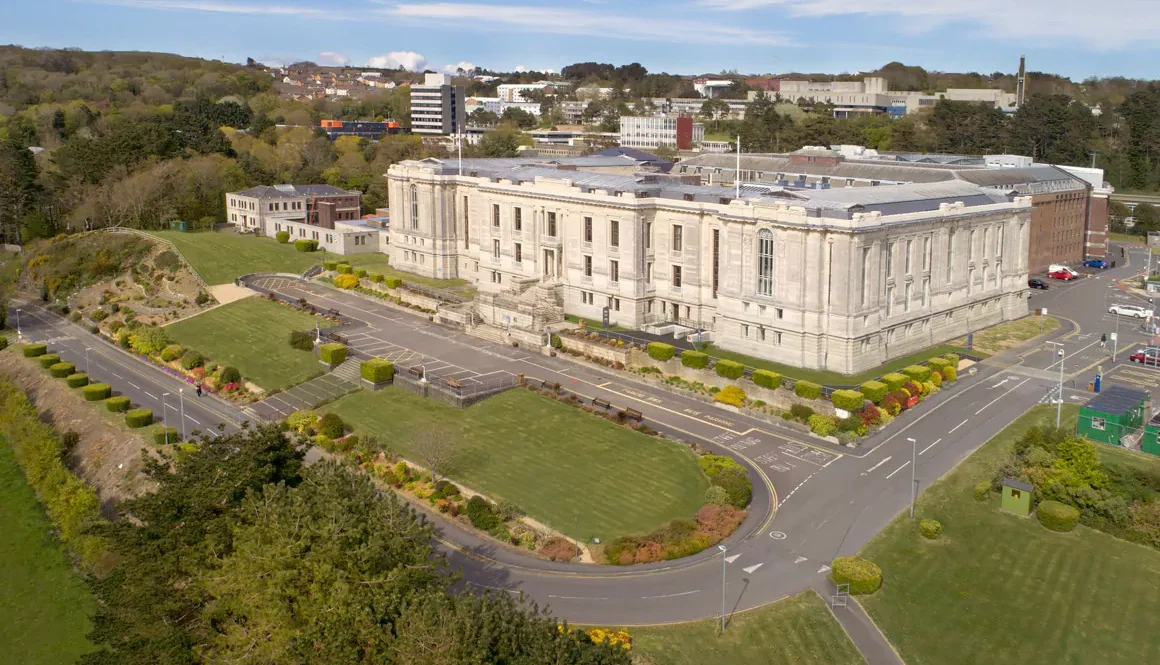
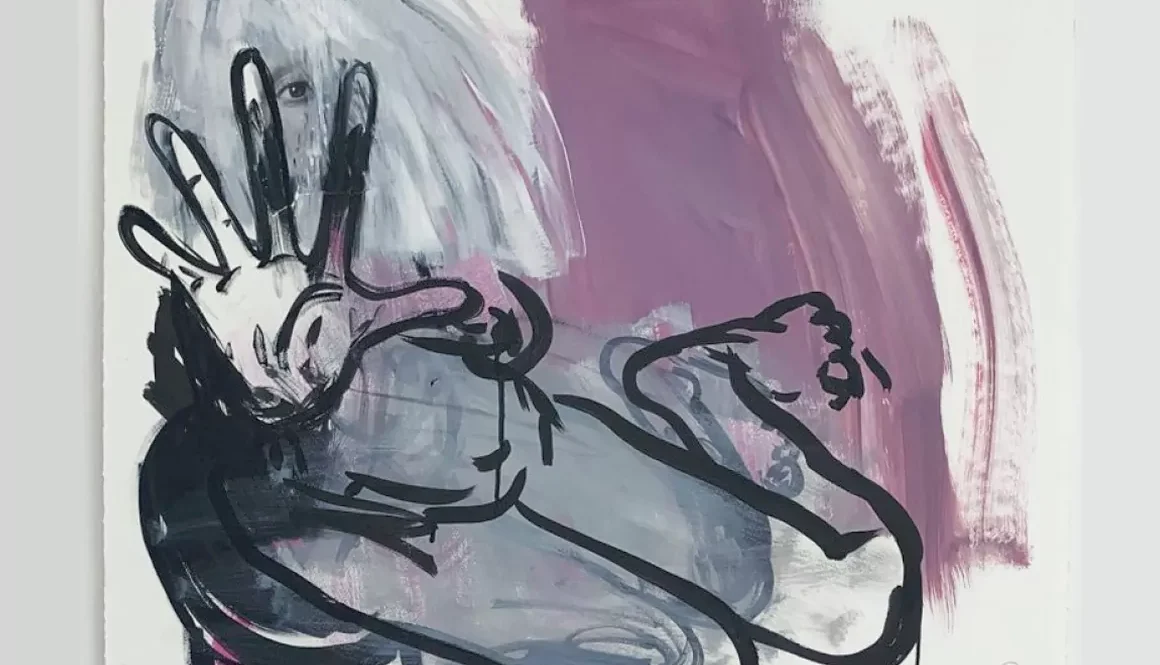
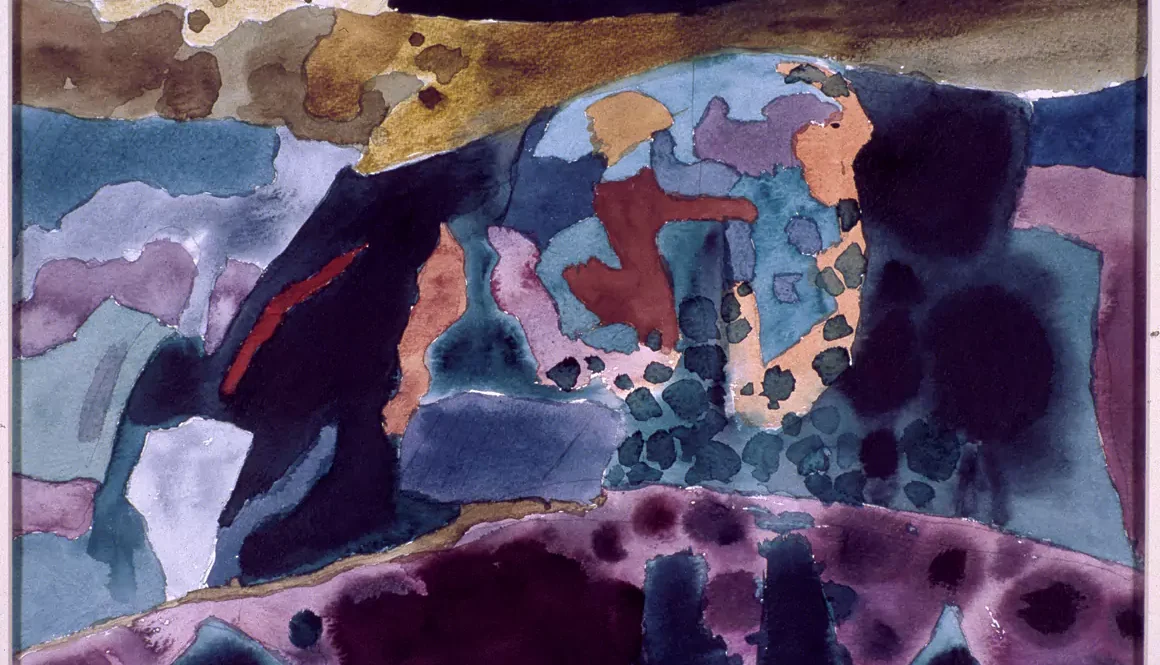
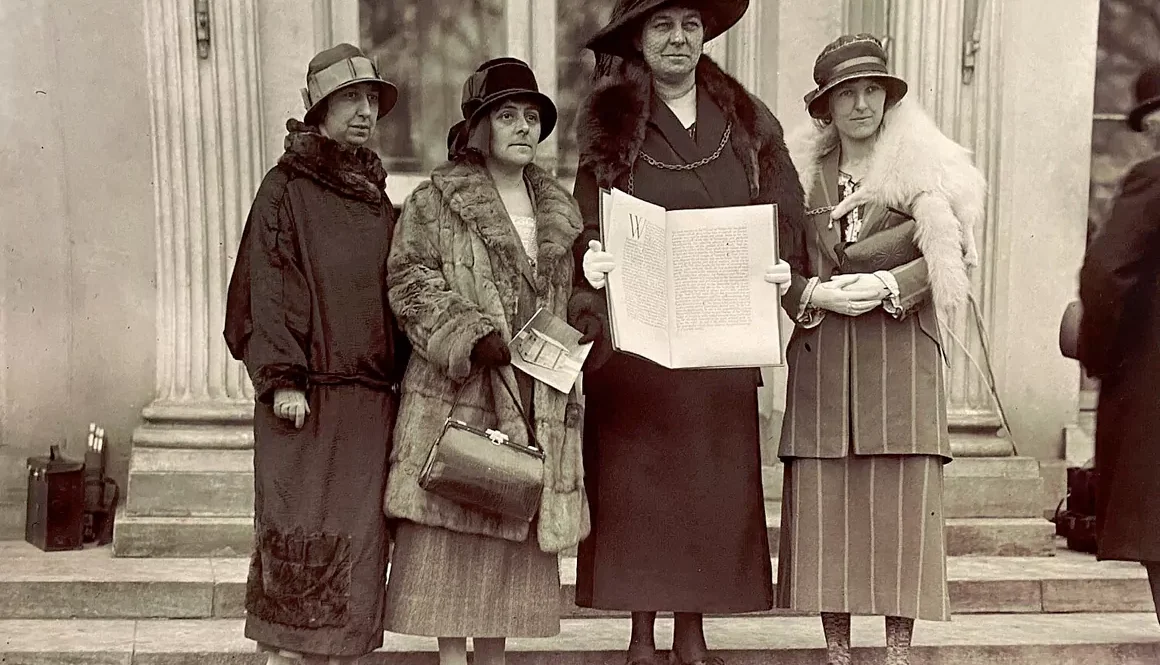

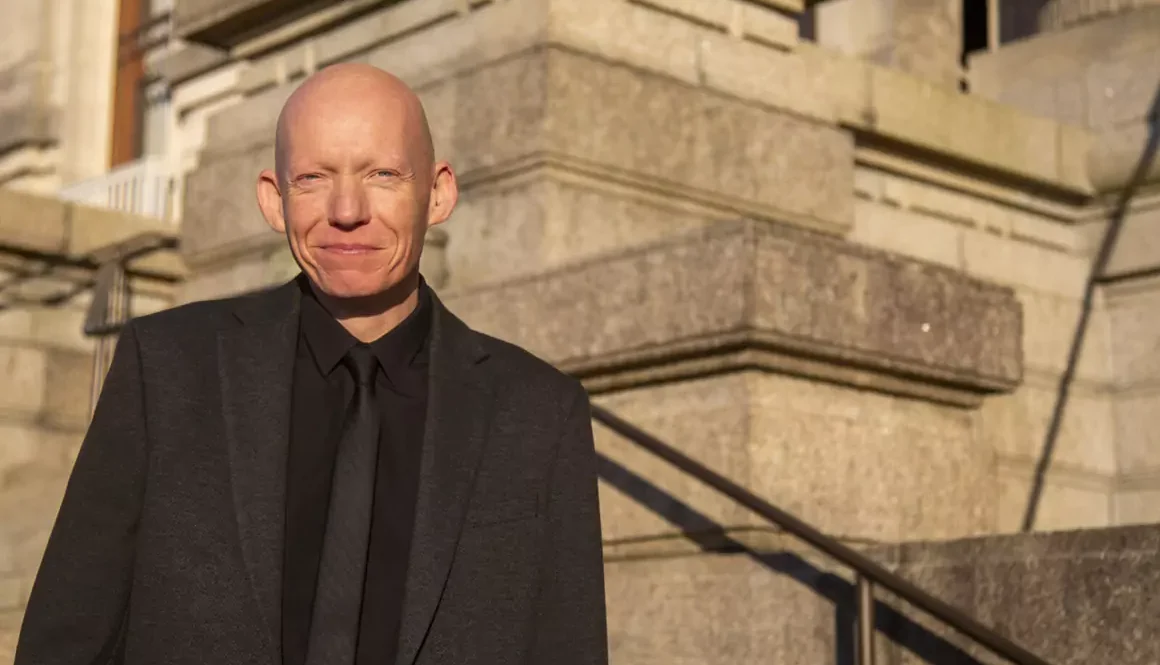
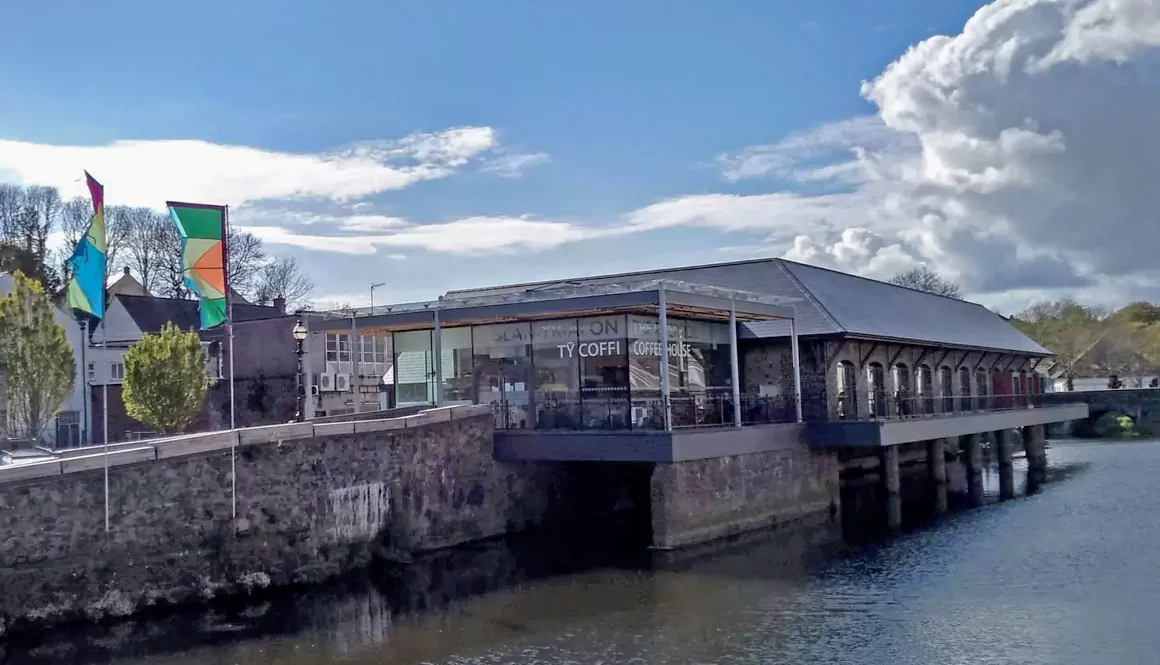
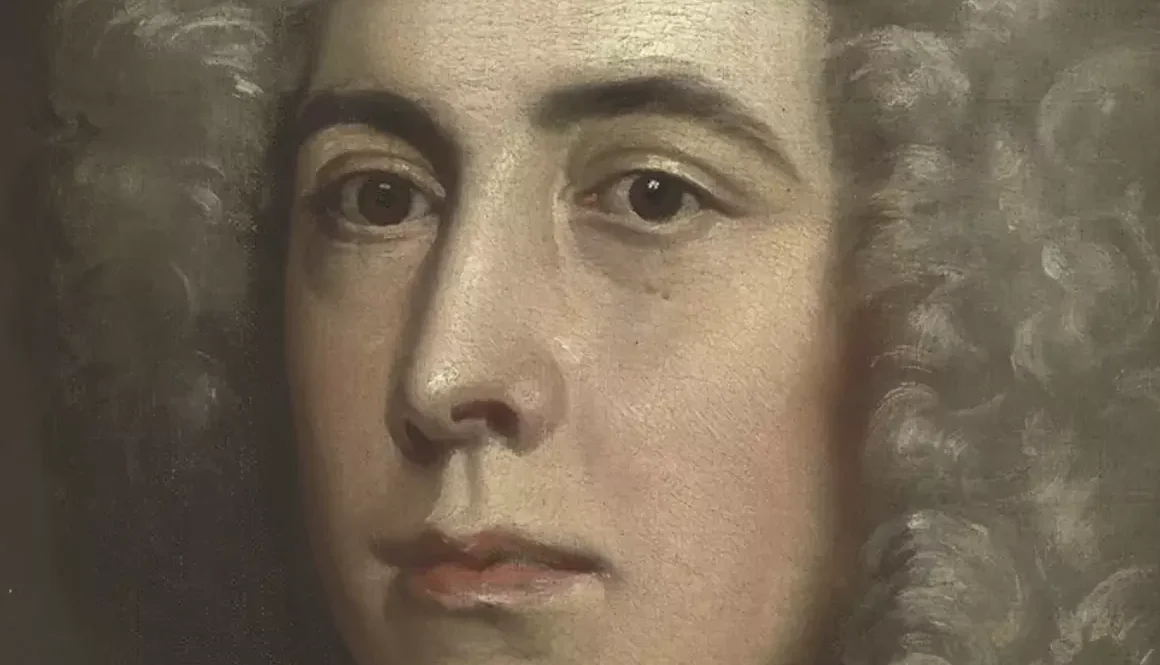
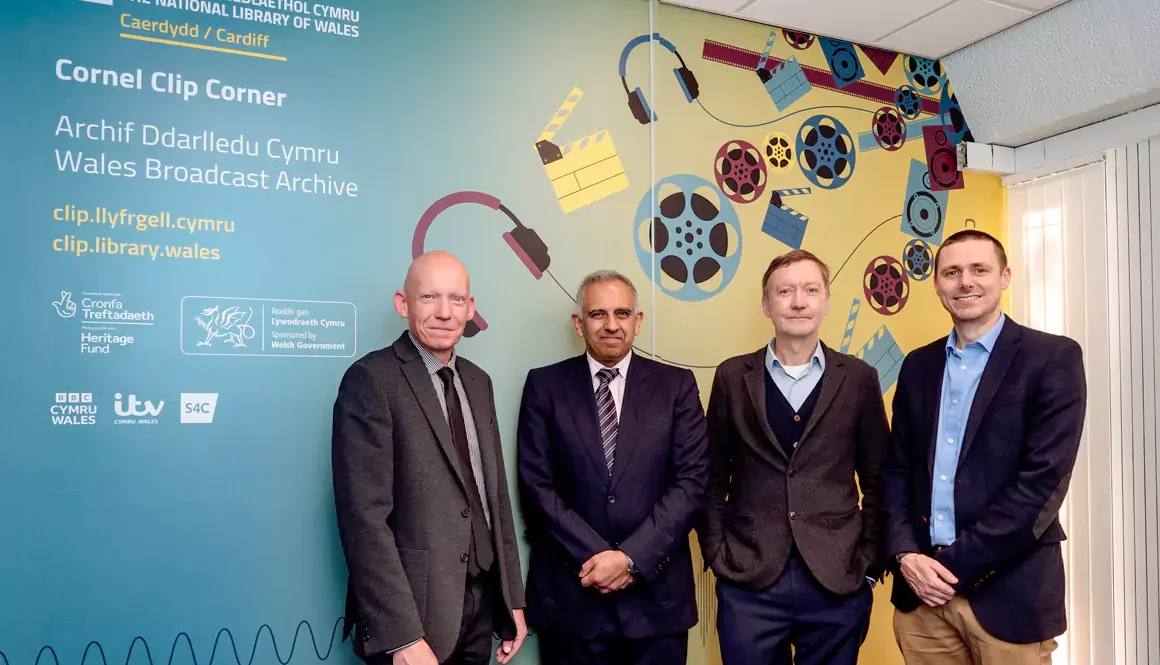
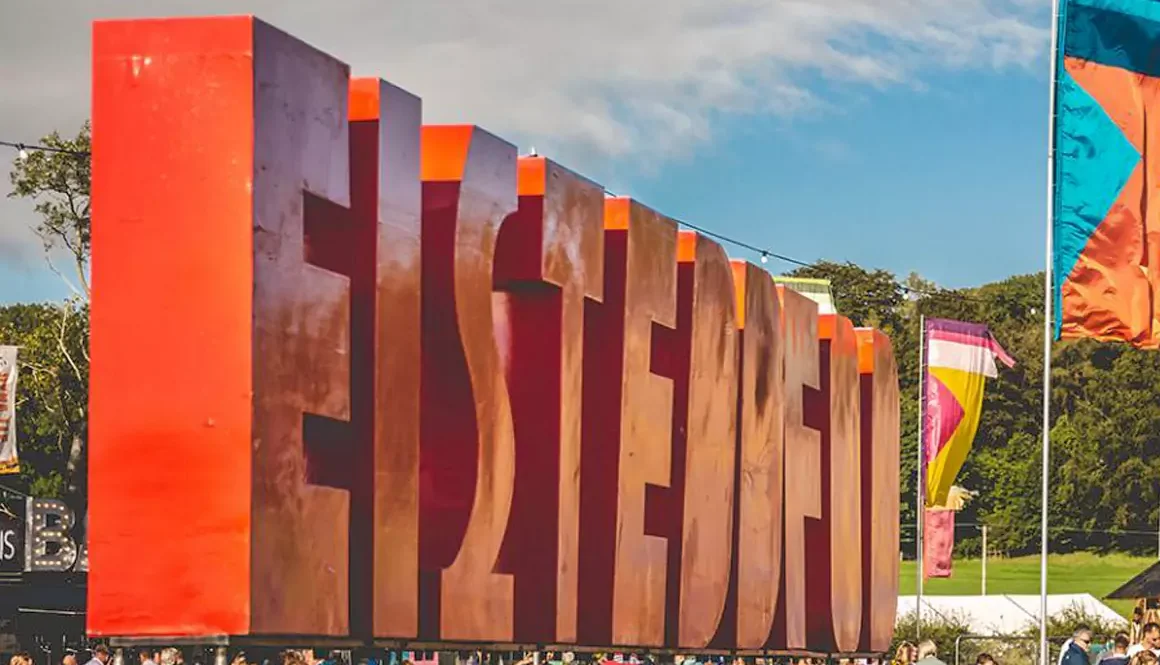
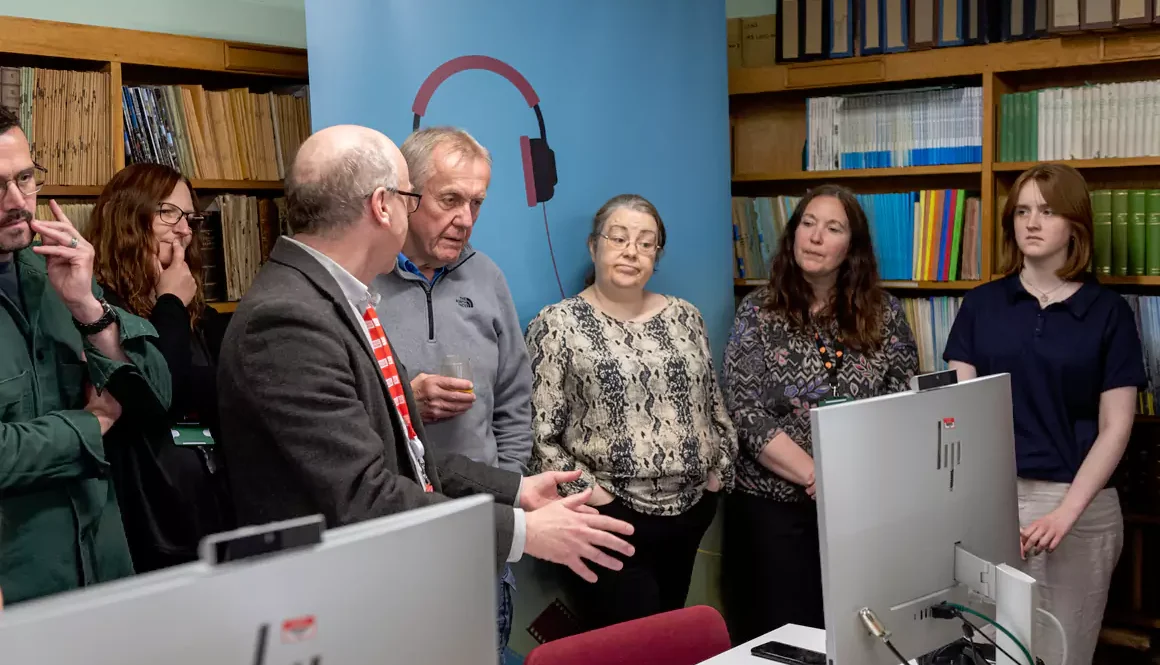
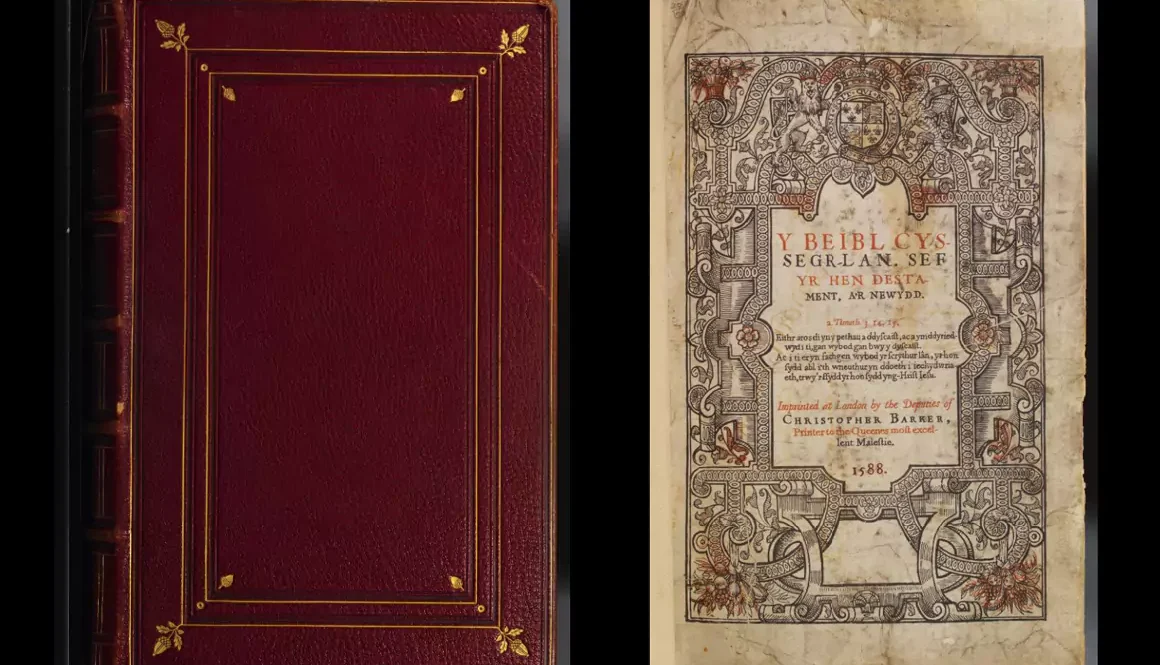
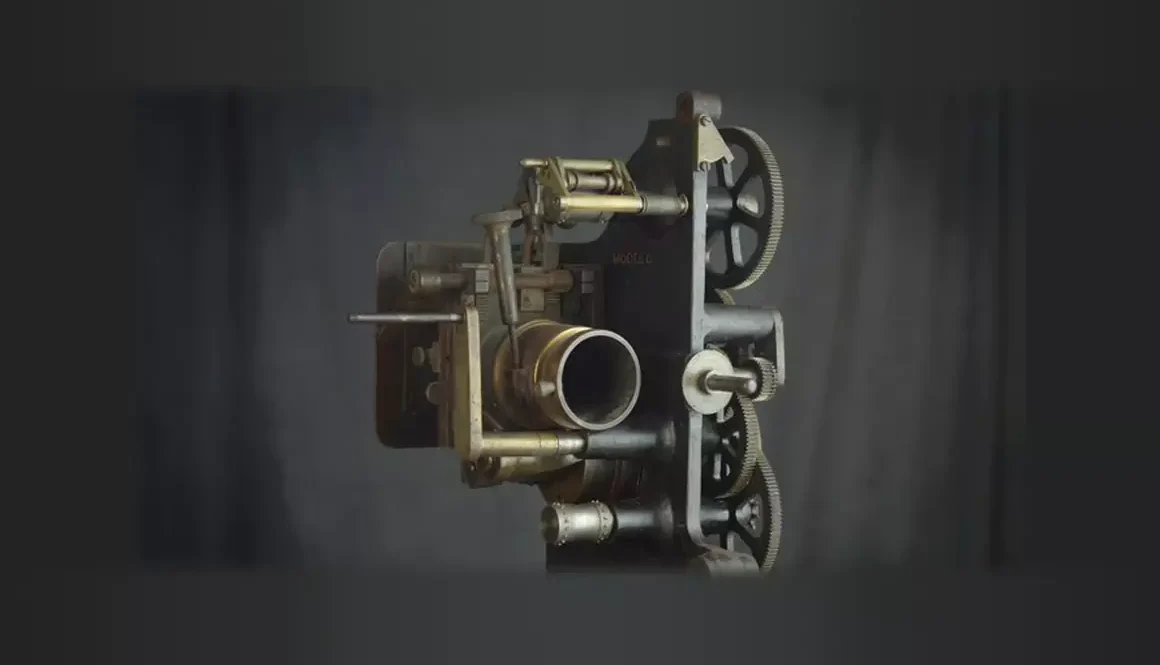

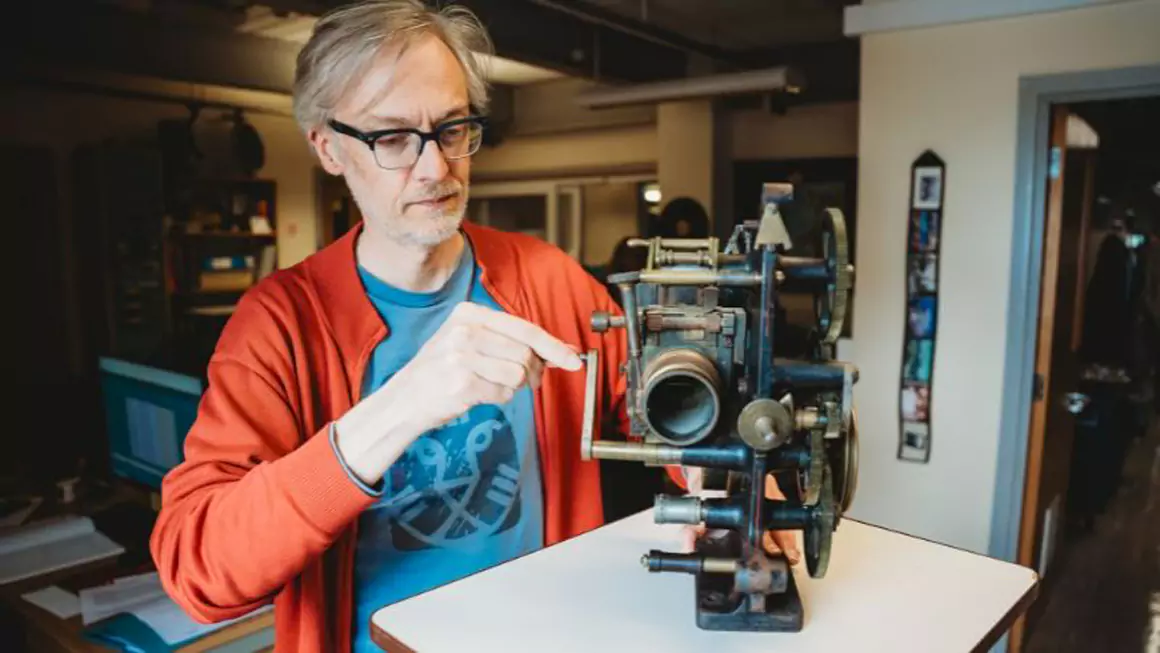
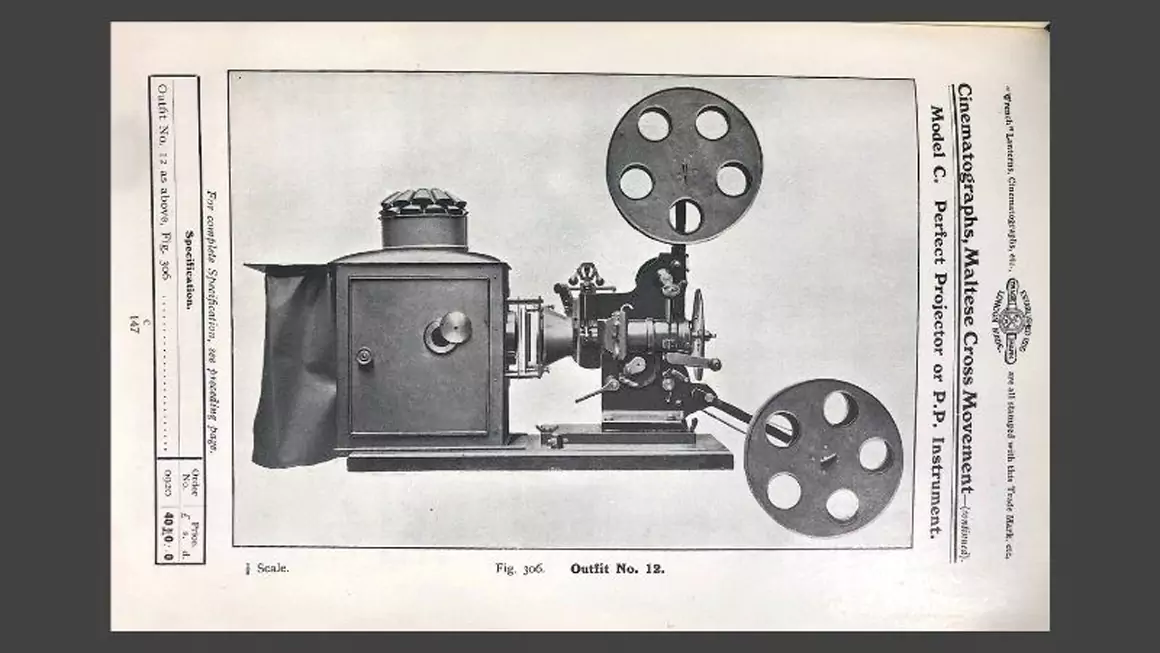
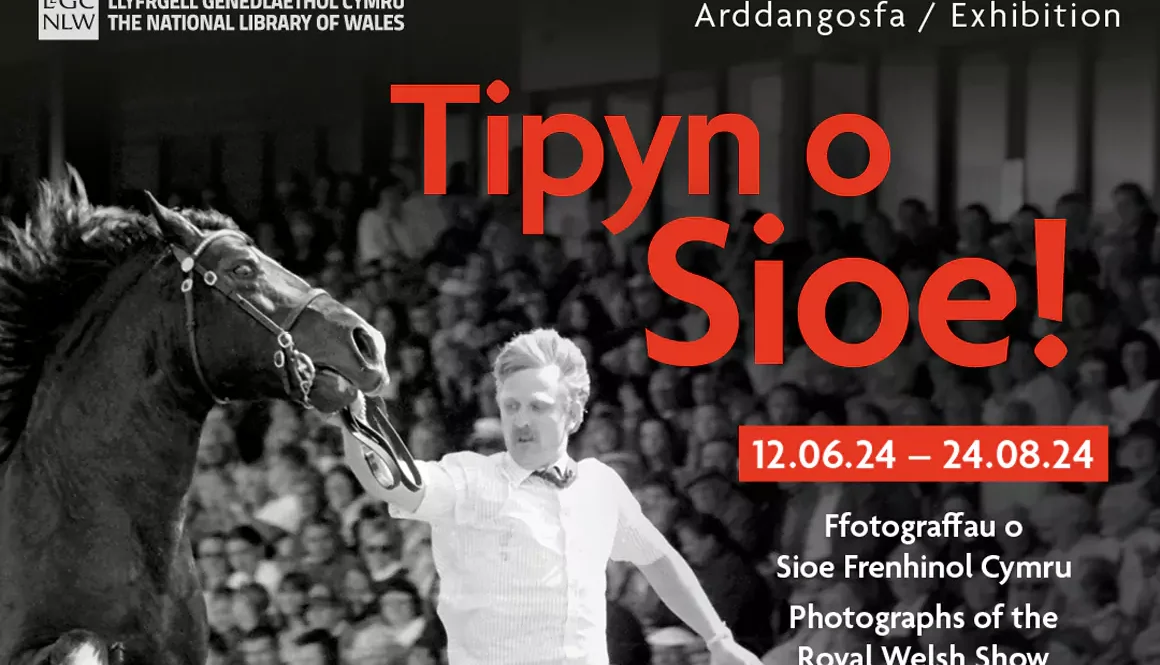
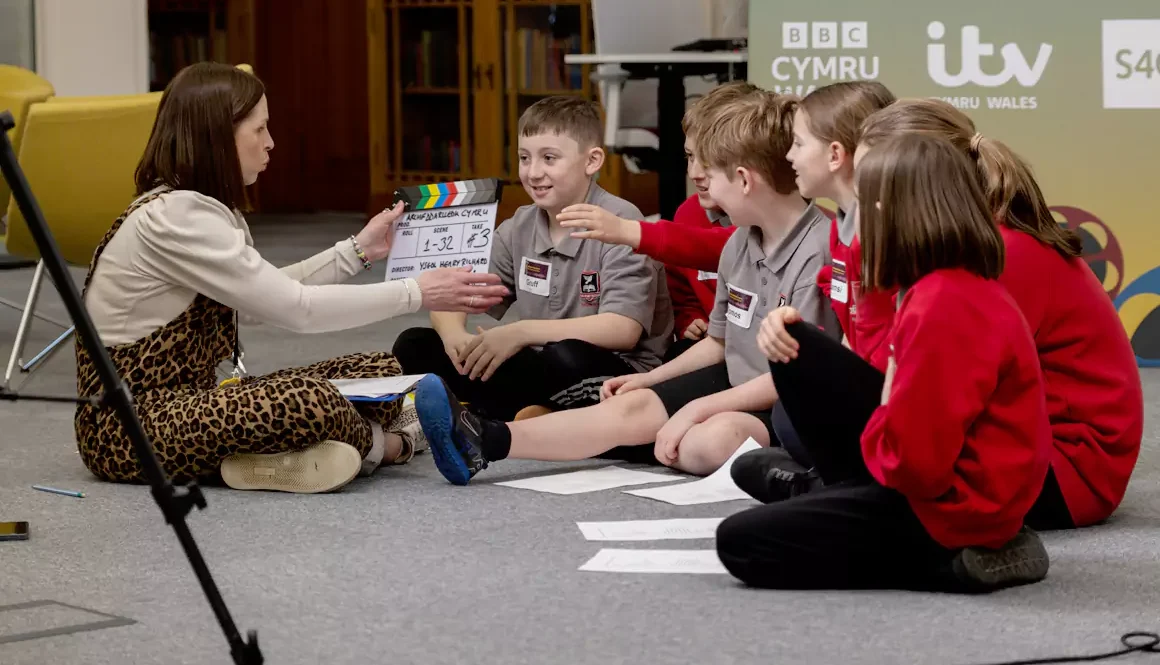

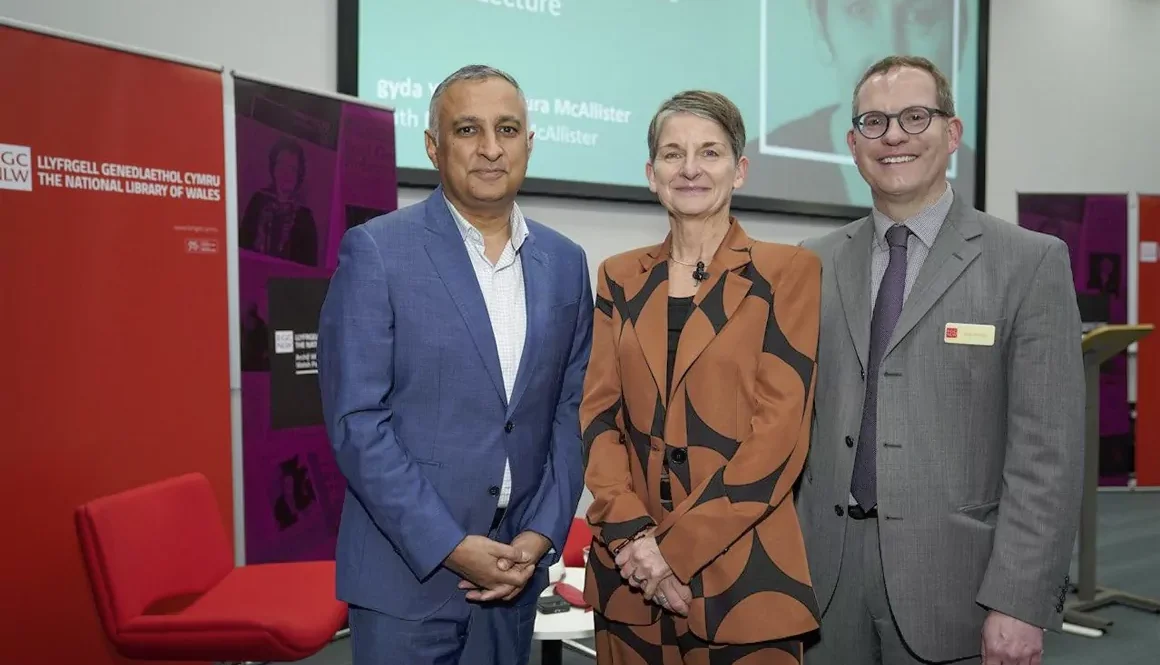

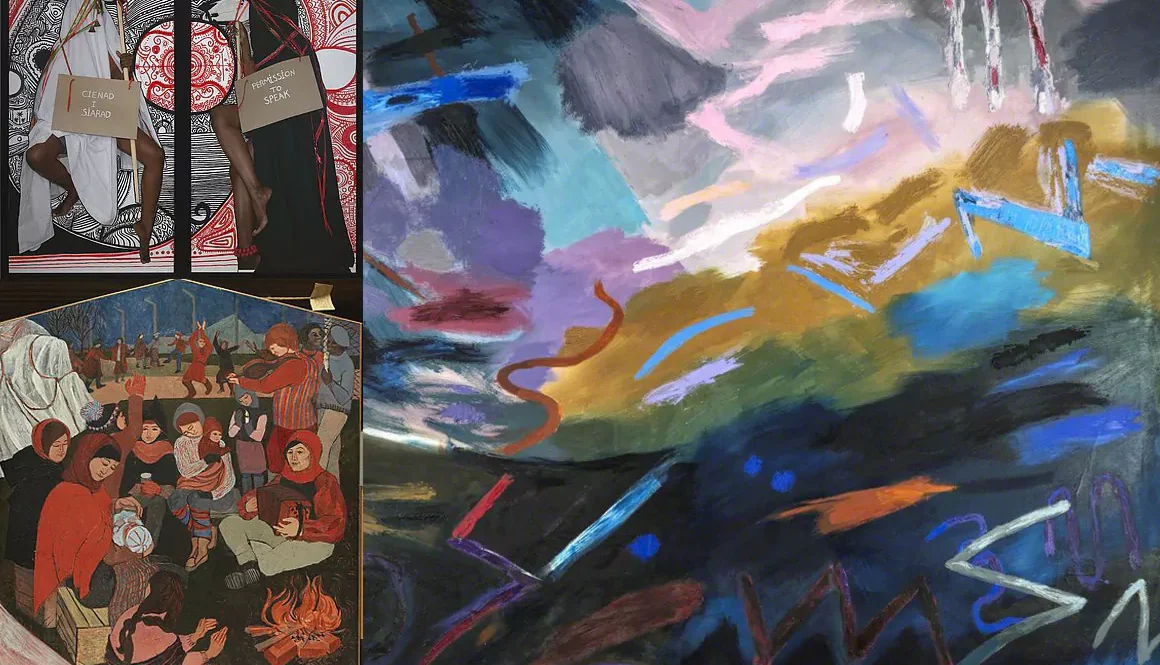
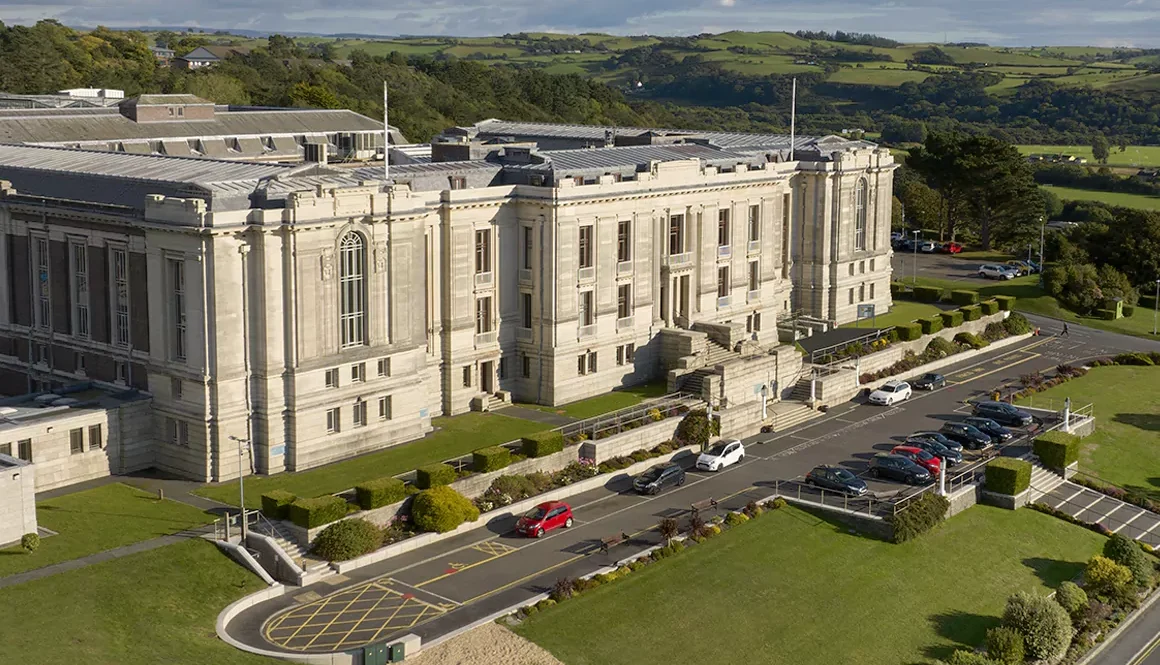


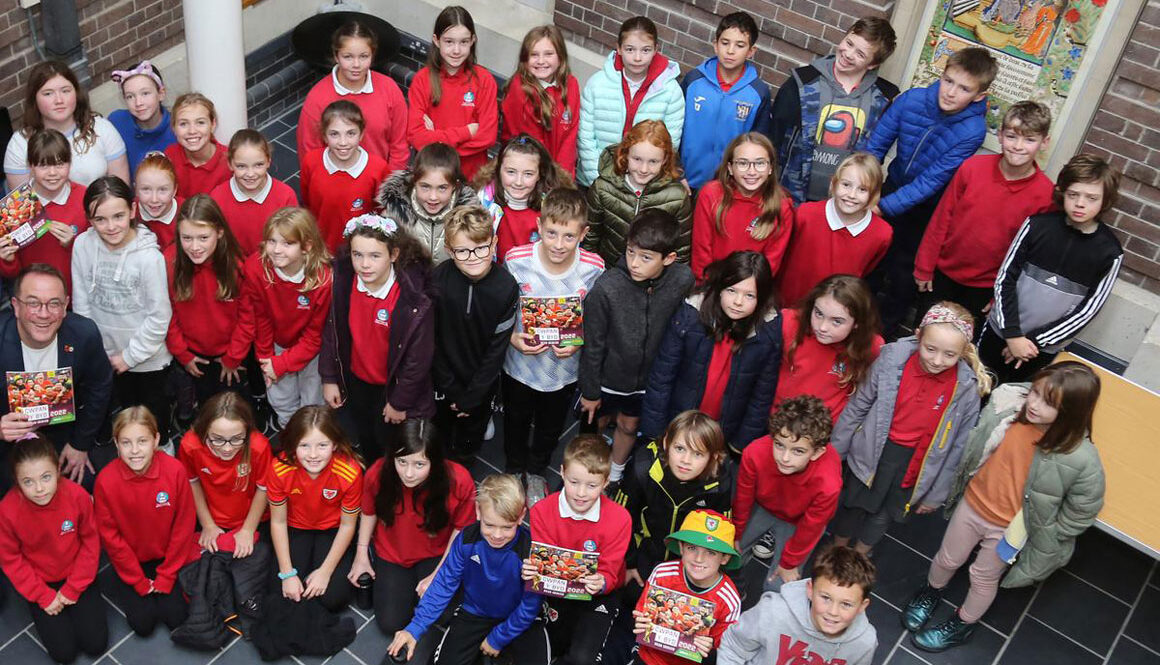
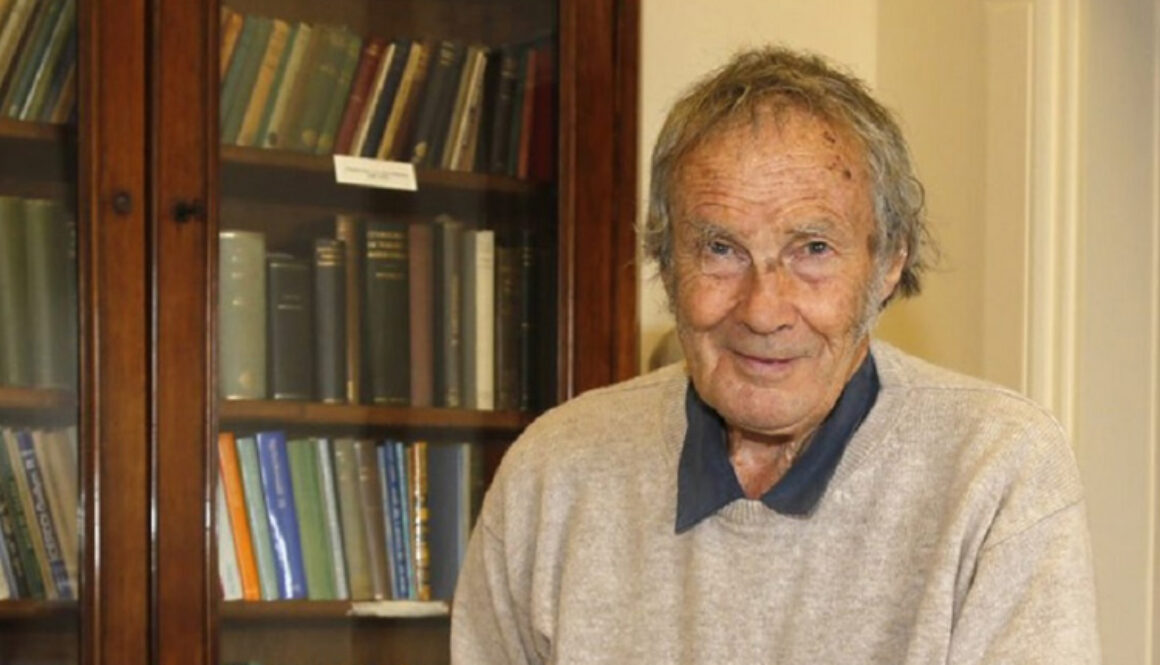
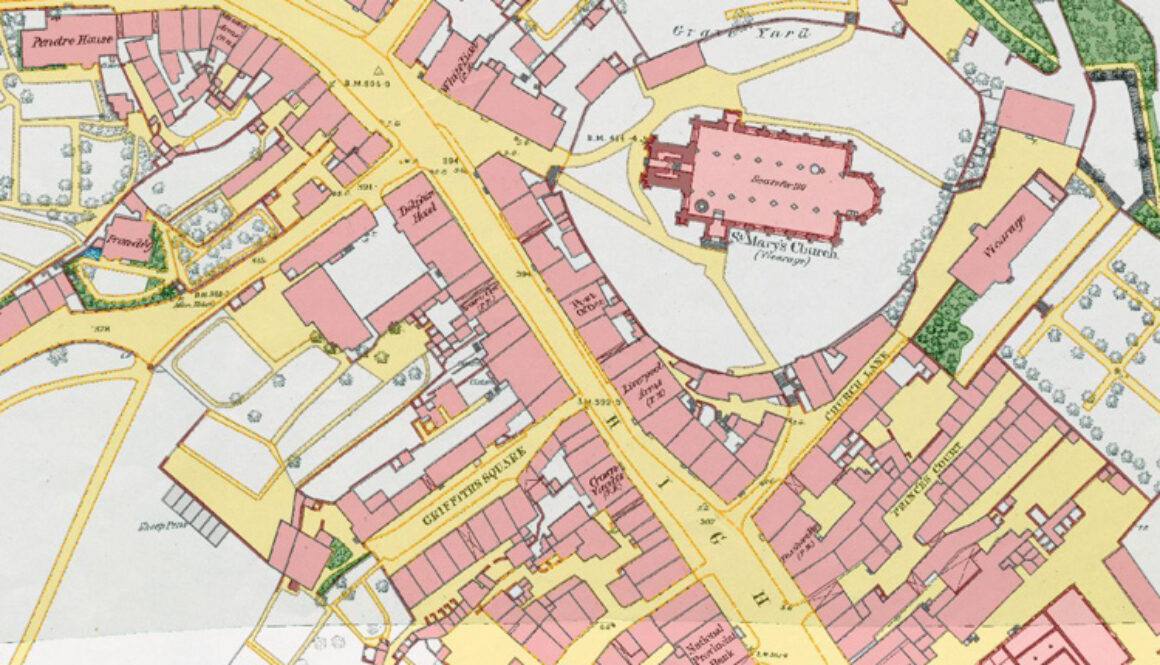

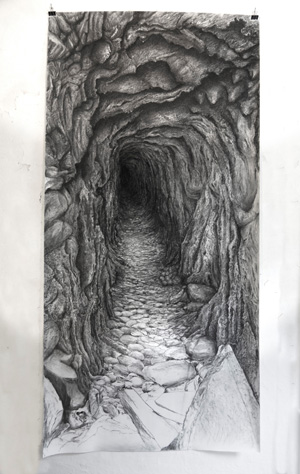
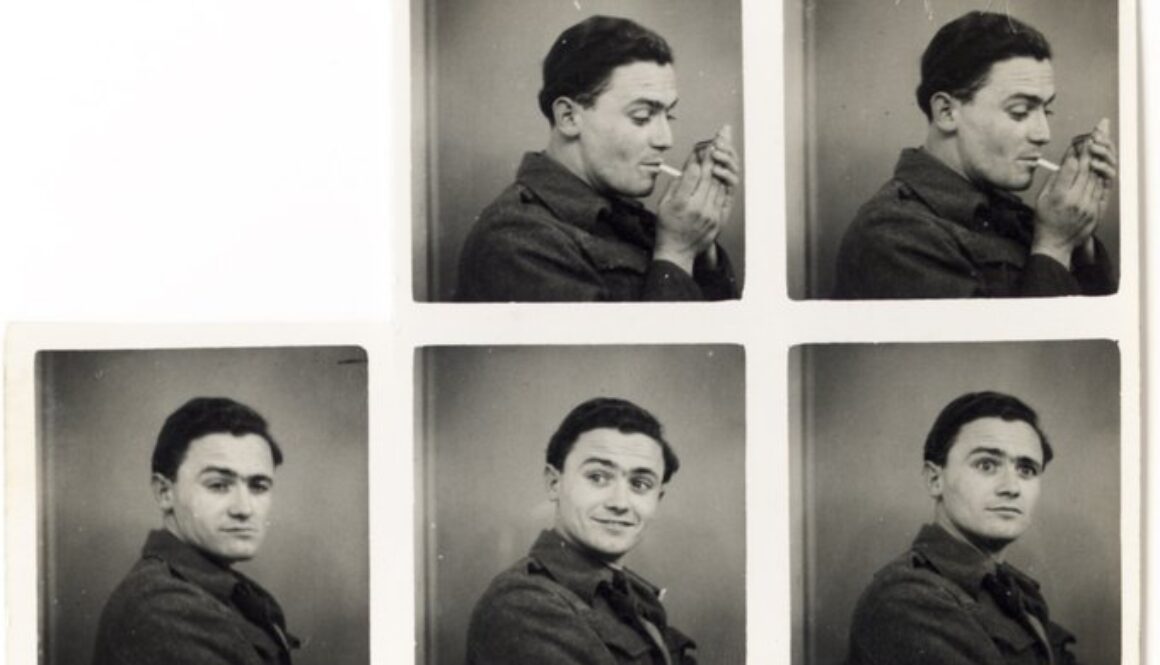

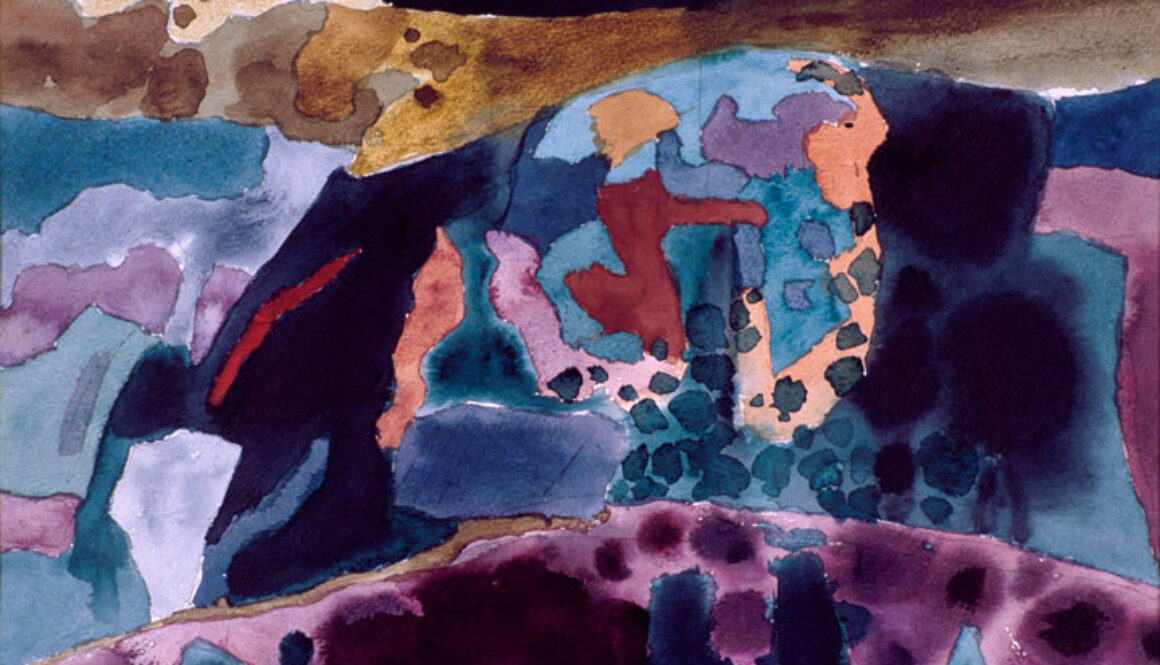
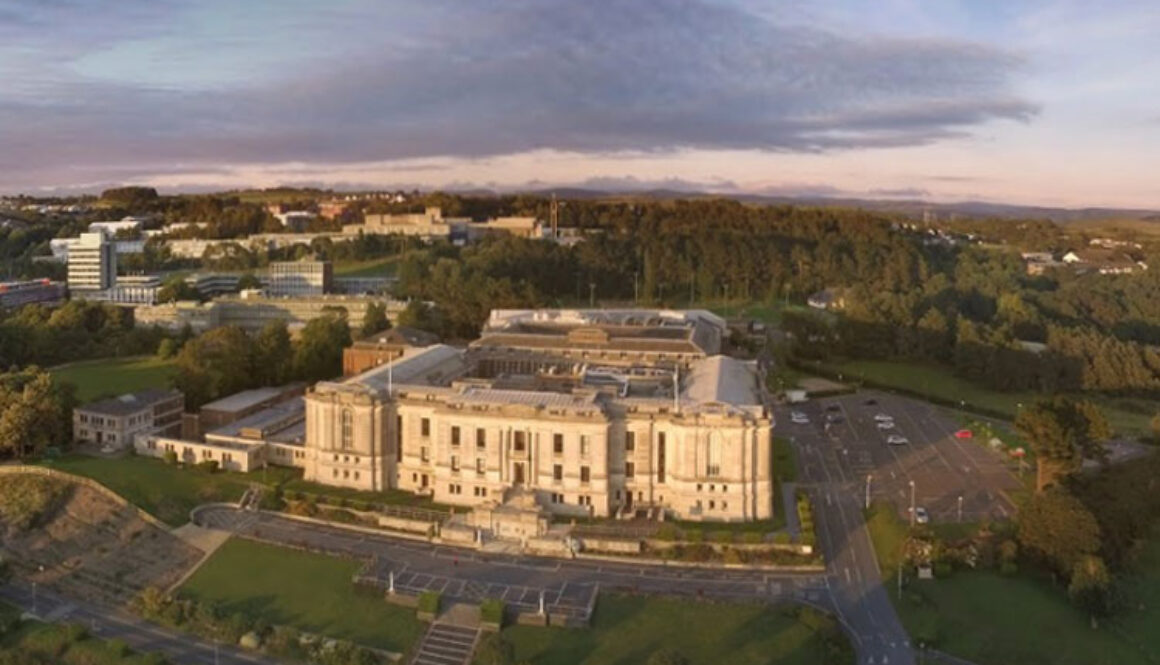

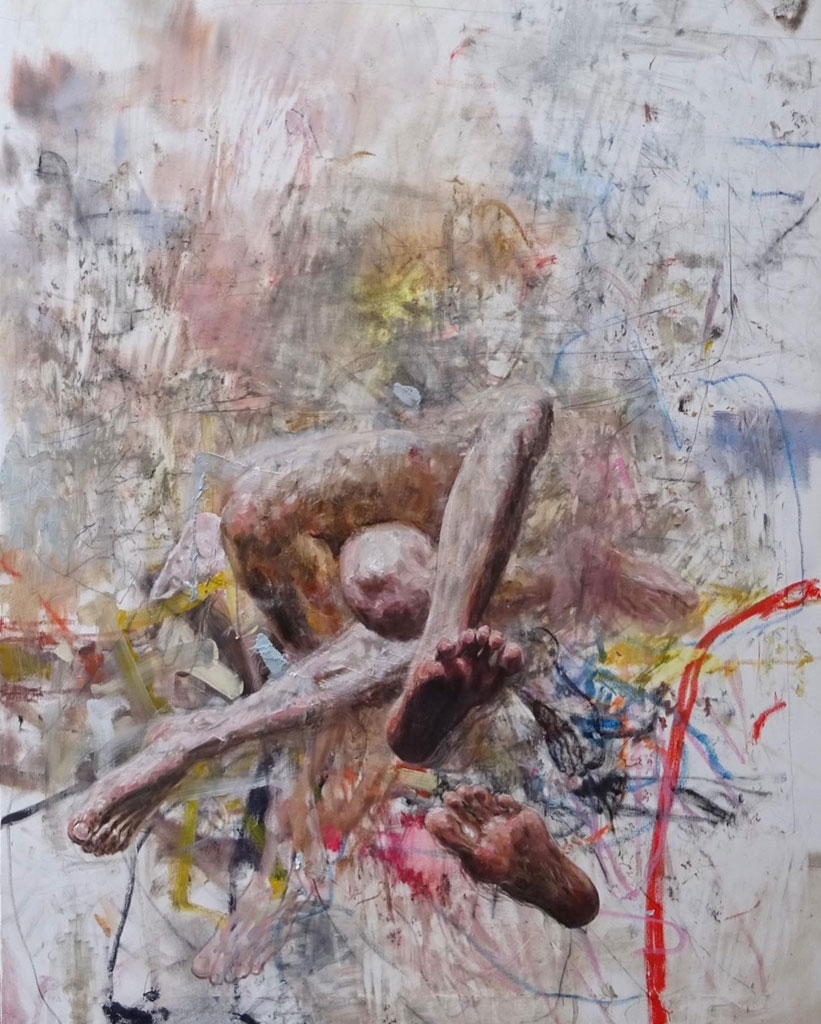


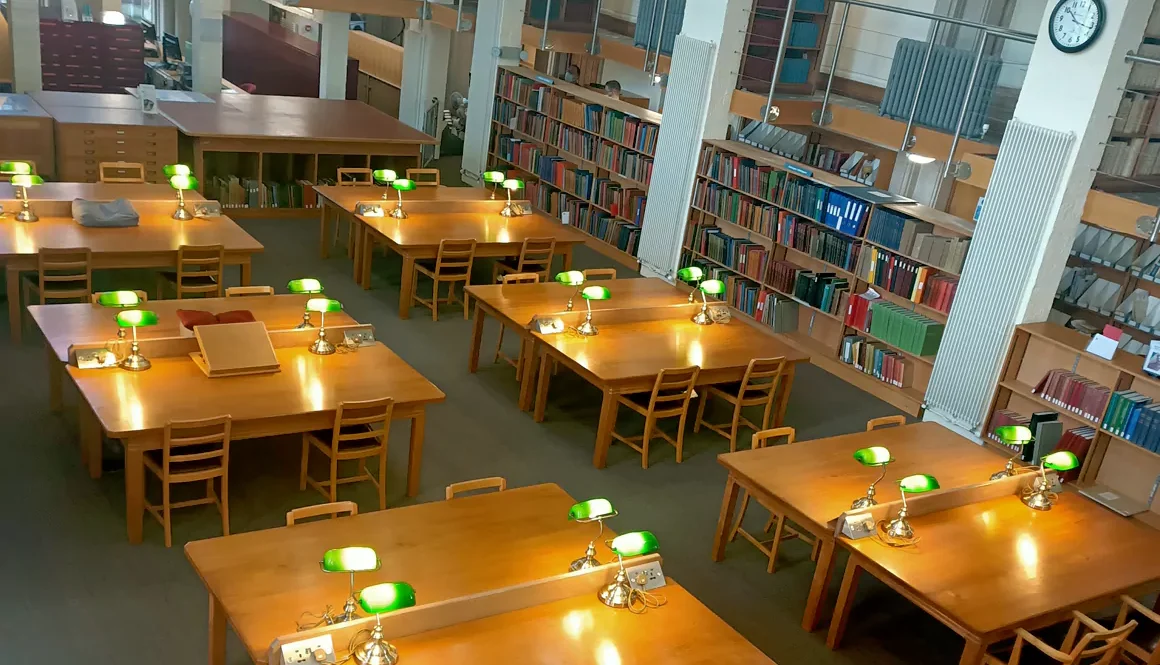
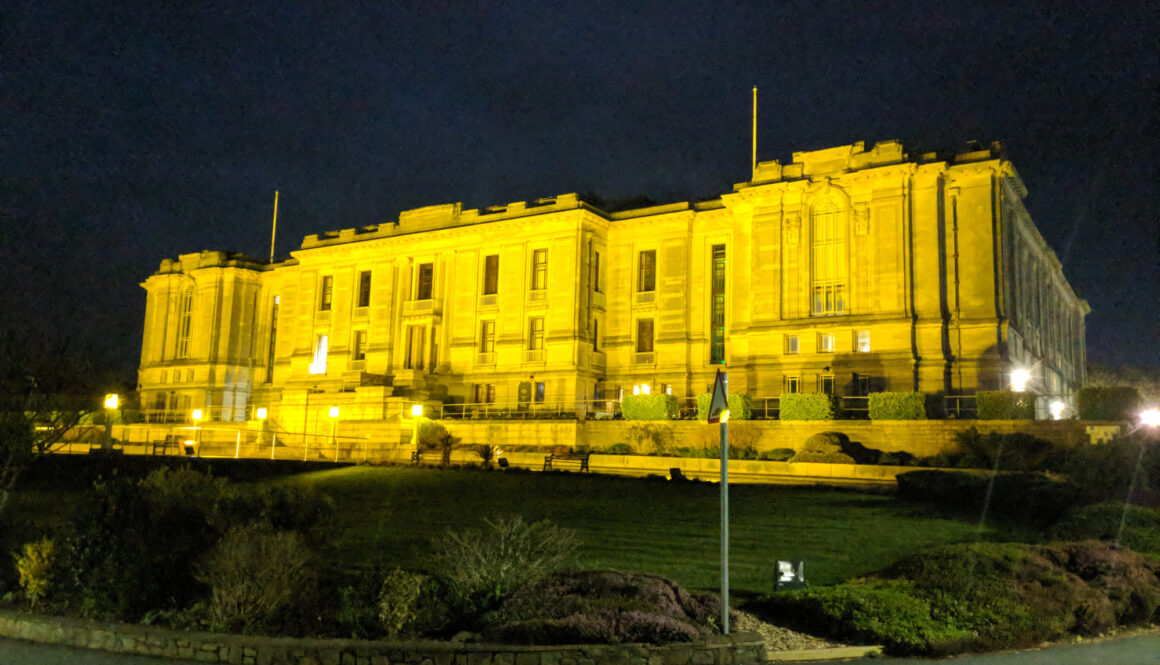
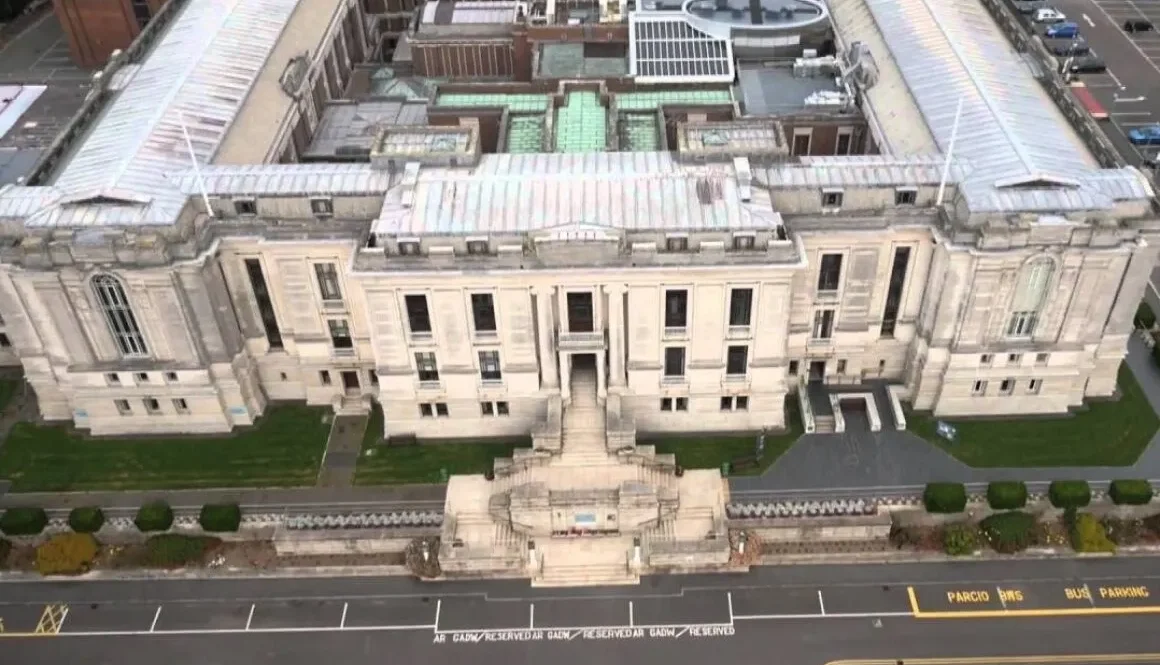
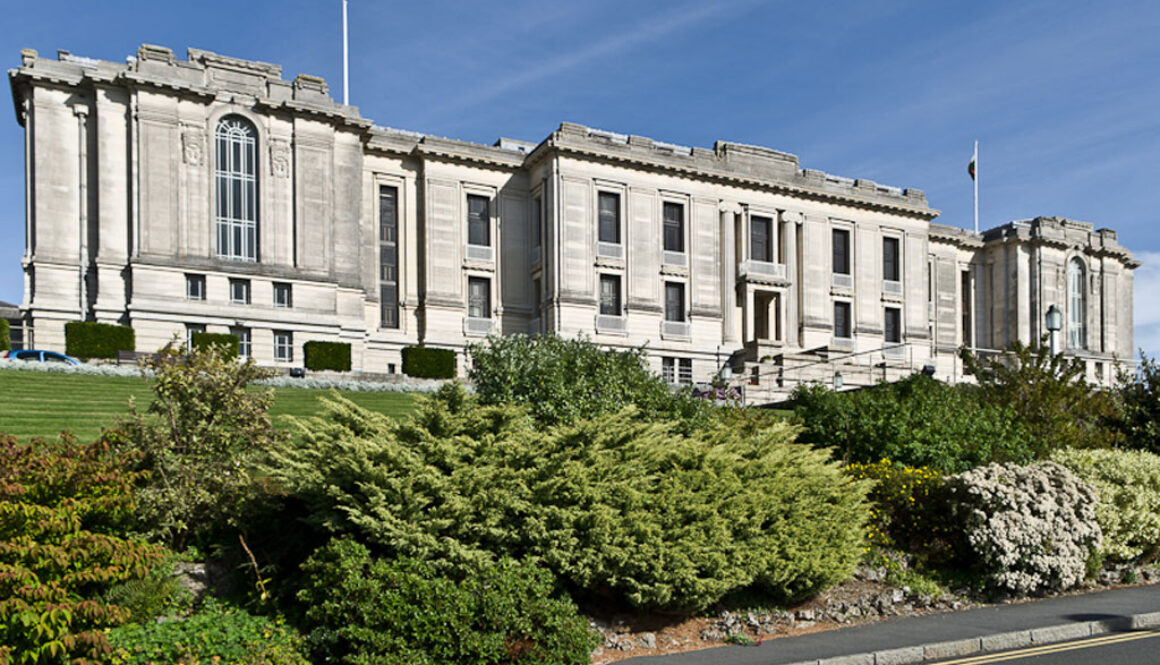
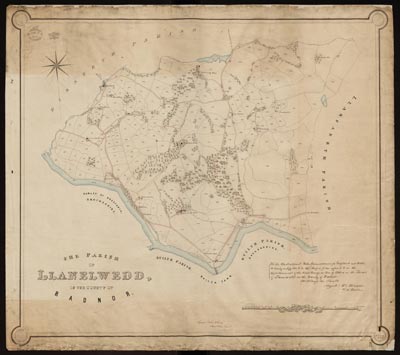
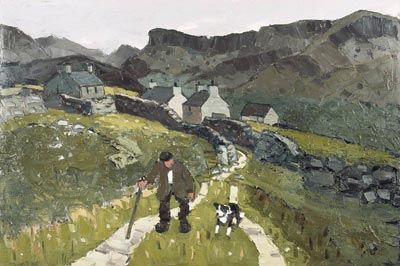

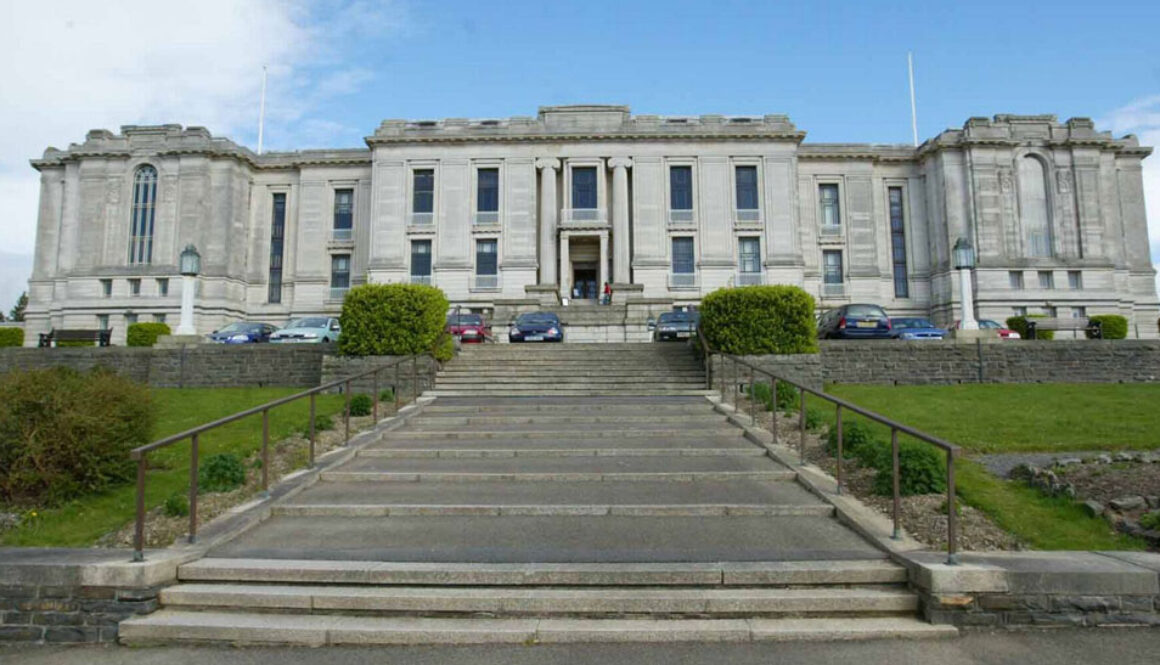
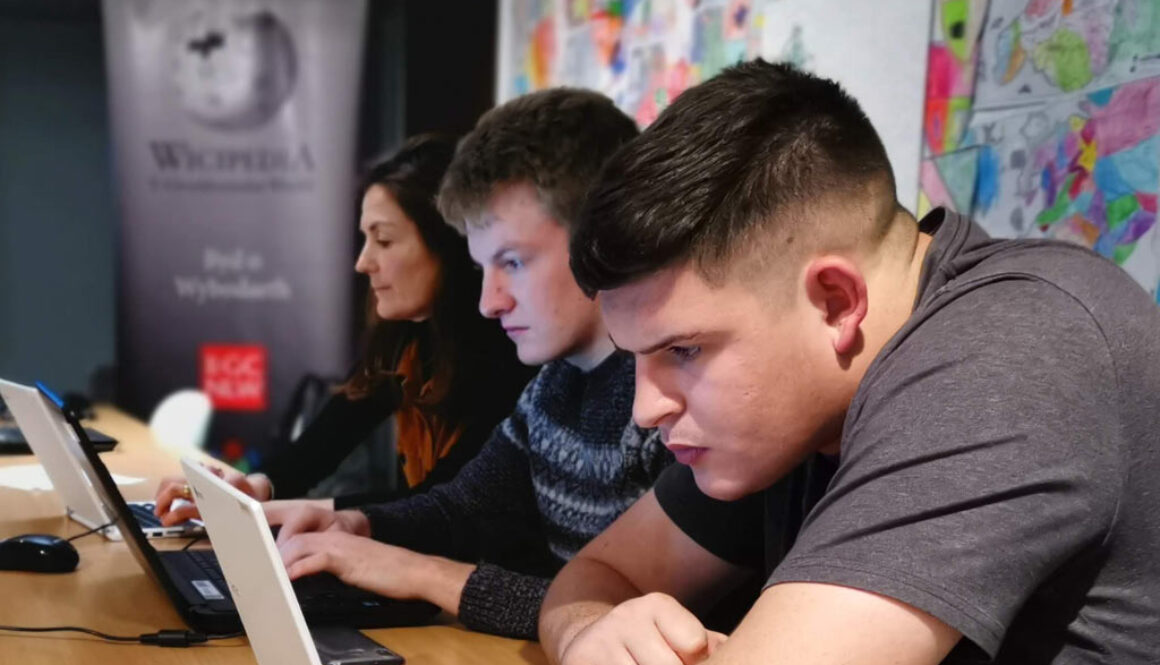

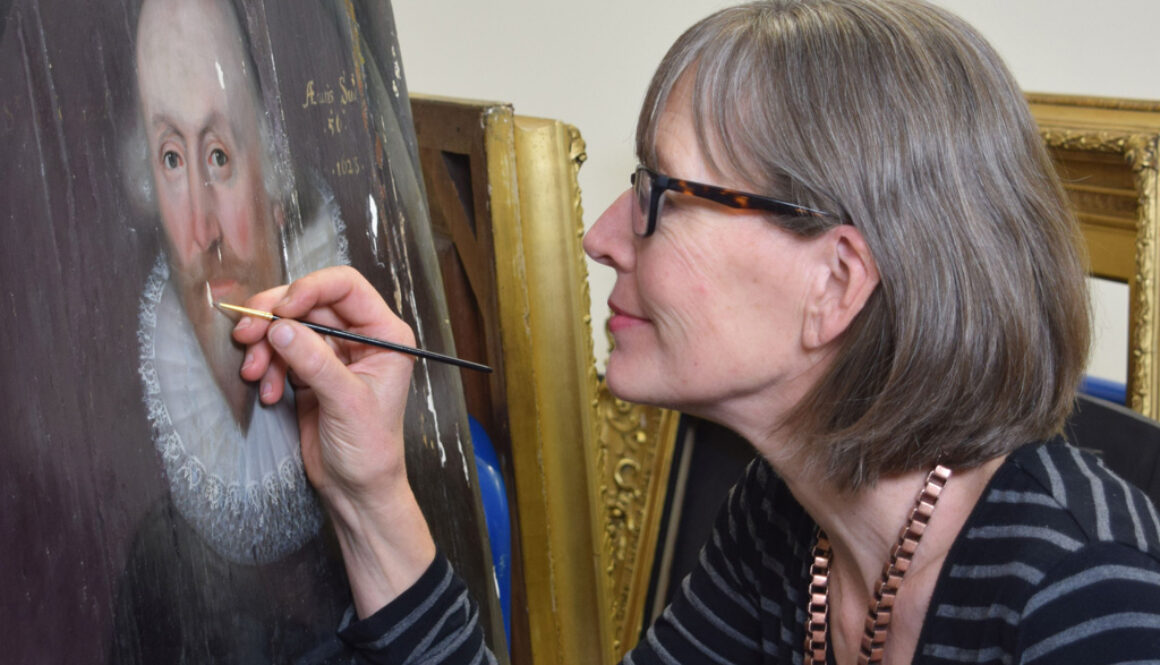
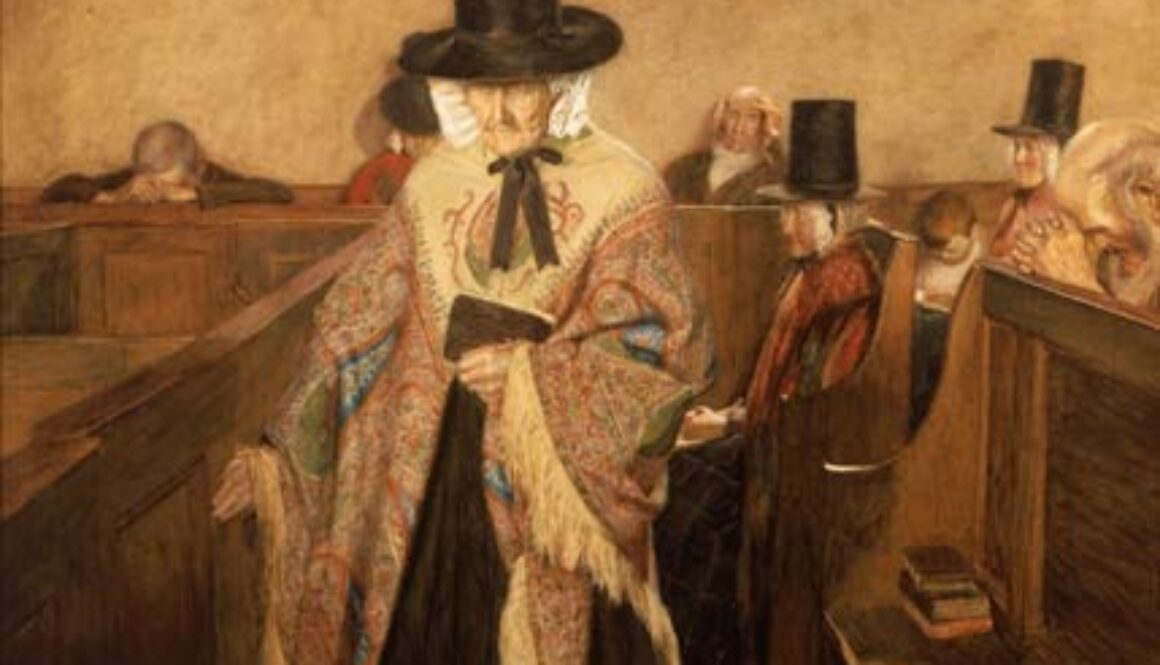

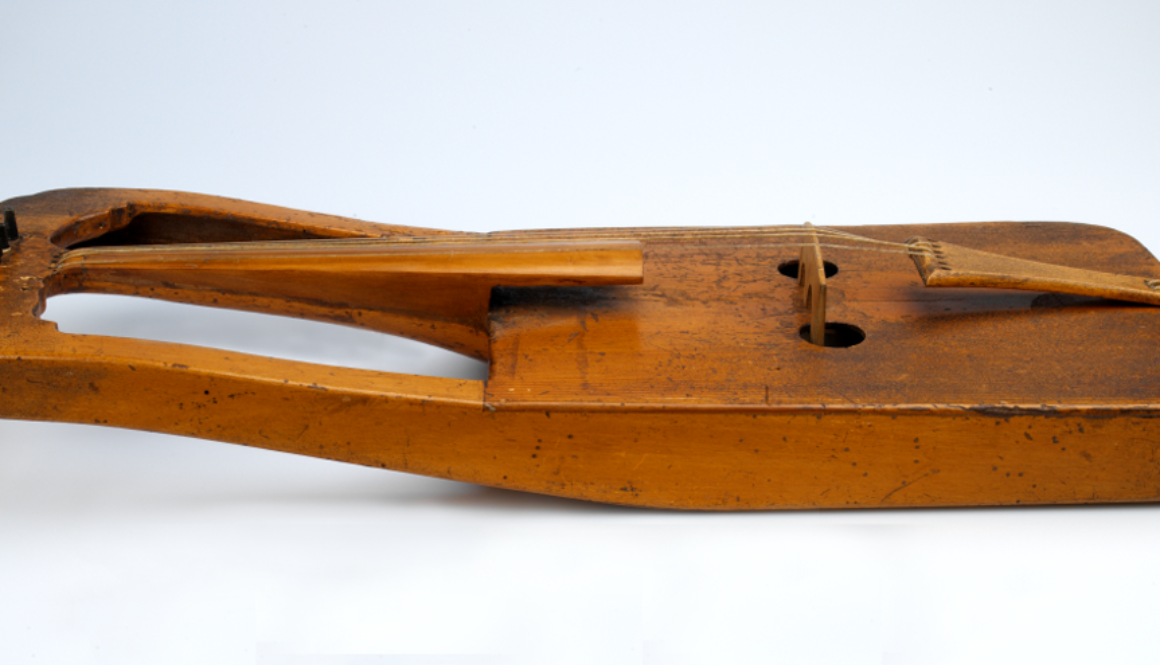


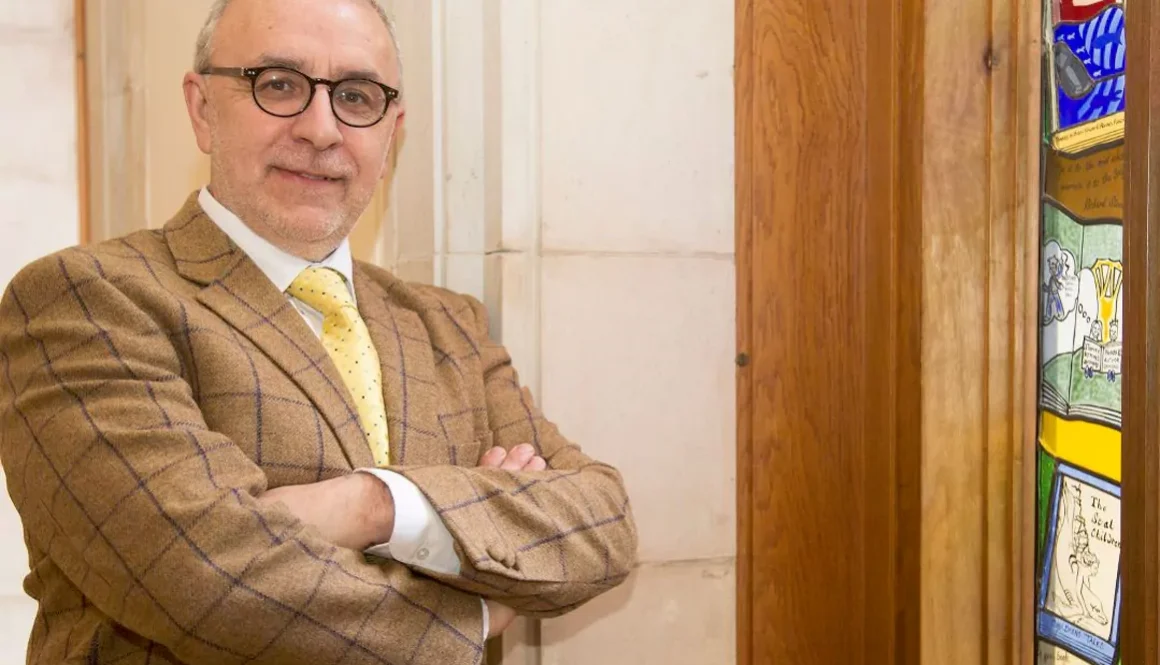
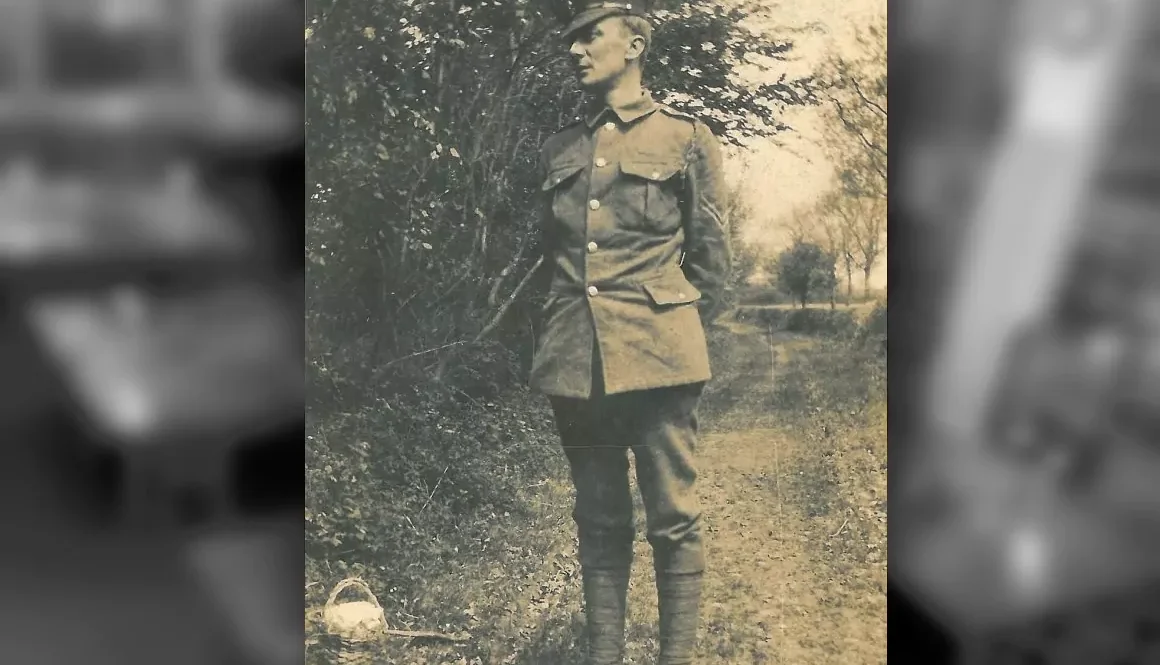
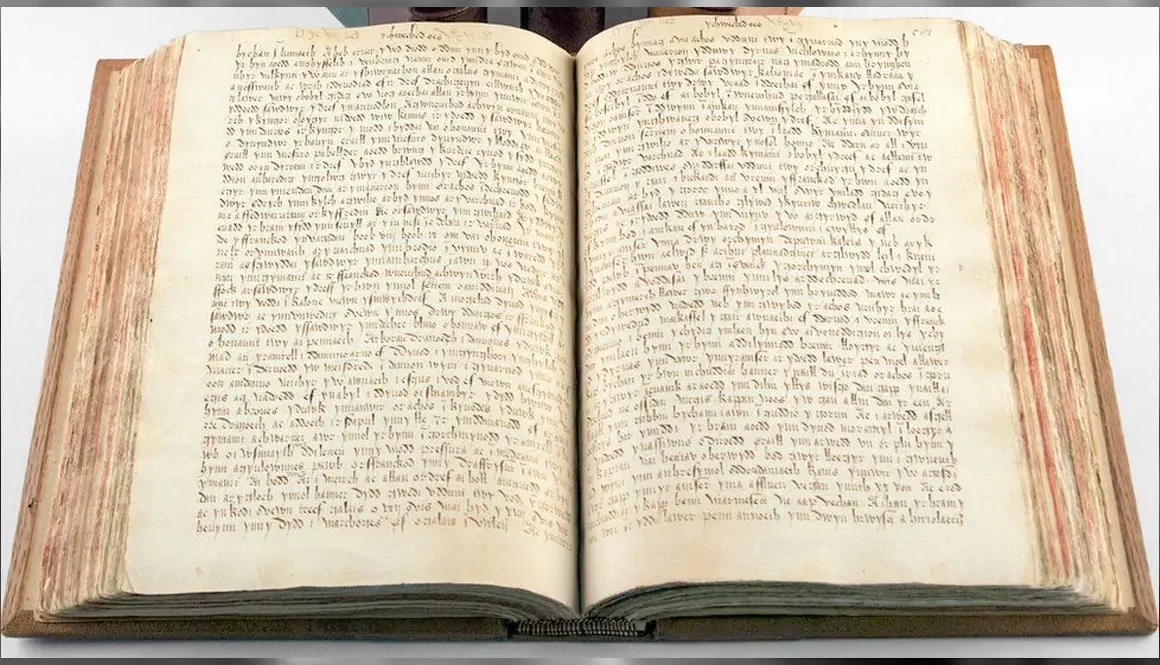

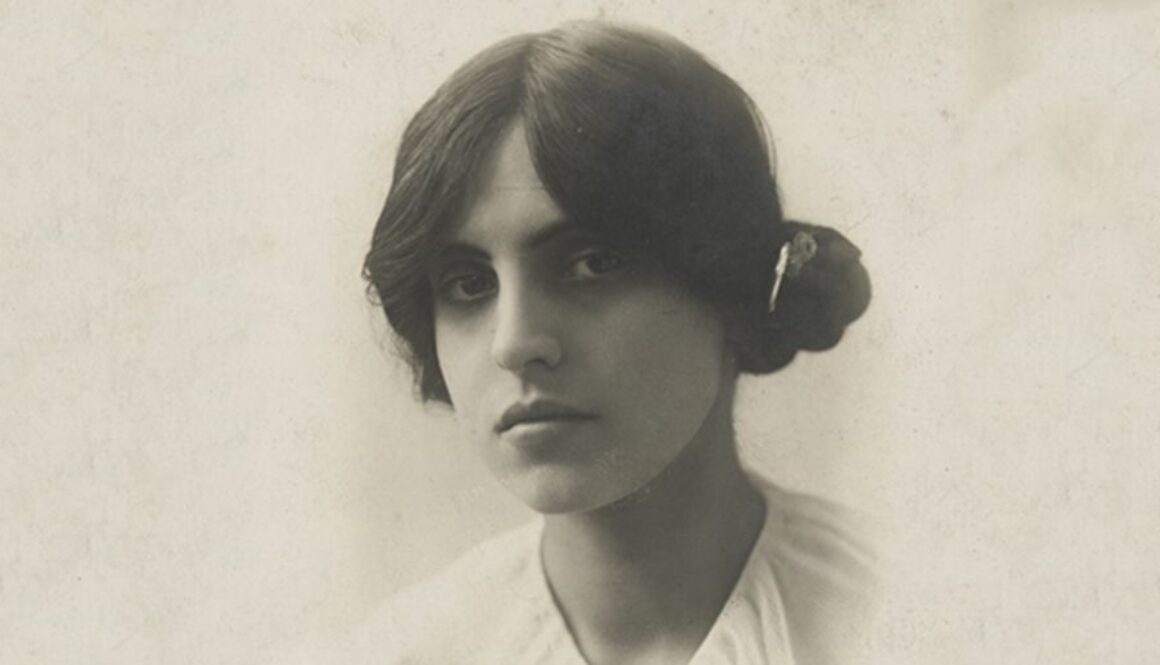

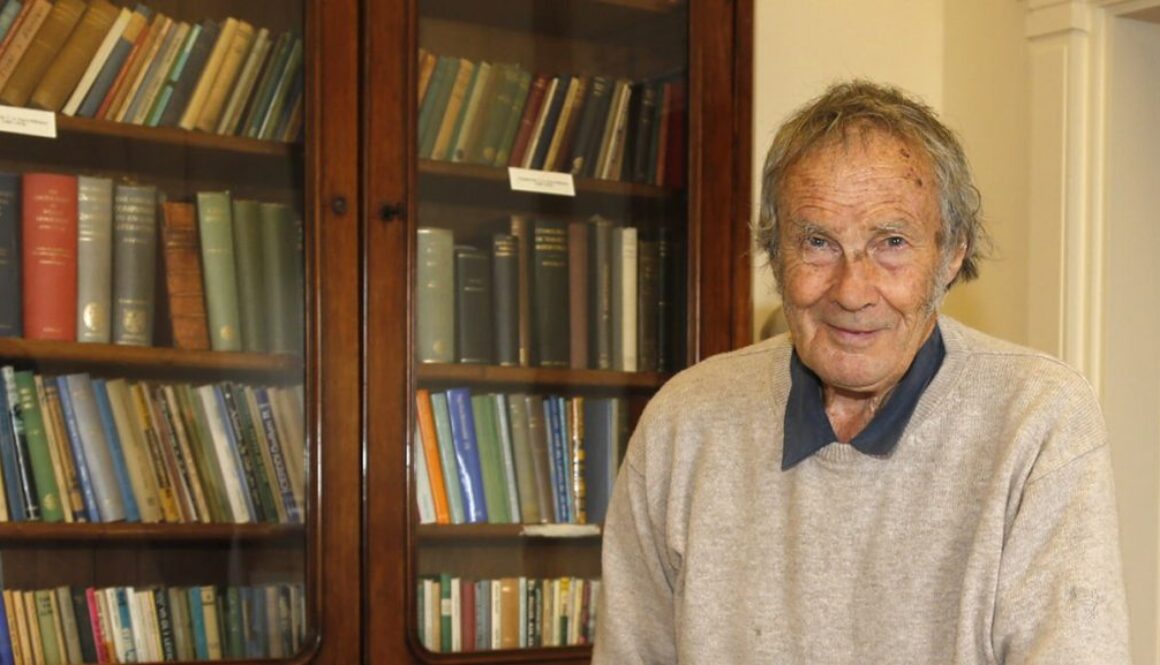
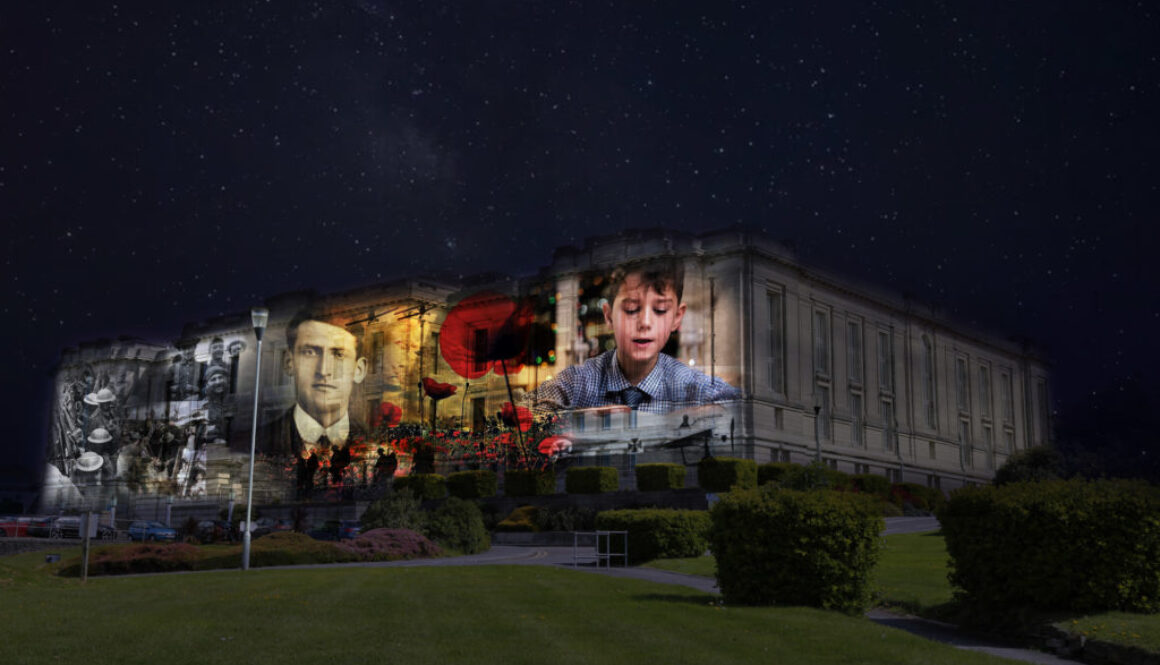
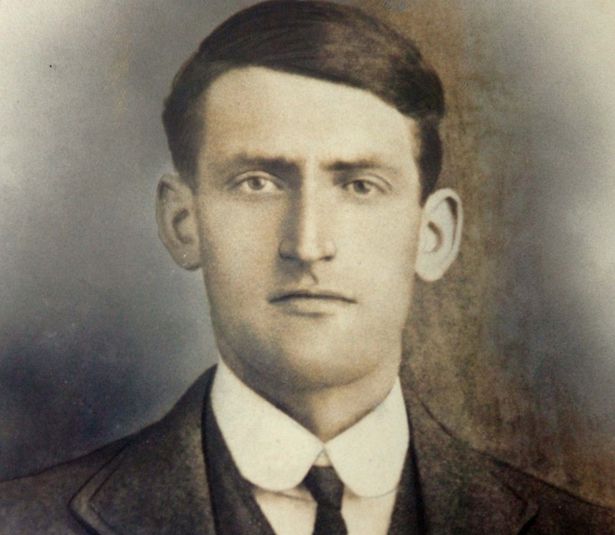 Yr Arwr (The Hero), an epic poem the reluctant soldier had finished just before his death, posthumously won him the Bardic Chair at the National Eisteddfod in 1917.