I seem to have spent a large amount of time this year bemoaning the wet weather, longing for a prolonged spell of dry and sunny weather. Not anymore! The recent phenomenon of a ‘heat dome’ topping 35 degrees kept me, (at the age of 83), out of the garden as effectively as the earlier rain sodden earth had done. I had accumulated a cache of plants from impulse purchases, which I was reluctant to plant in waterlogged soil. This has now turned to concrete and resisted most planting attempts. Additionally I find myself struggling to water those plants still imprisoned in pots, and those randomly planted all over the garden prior to the heatwave!
Feature image: Echium gentianoides
One family of plants that is flourishing, despite the vagaries of our Welsh weather are Echiums, providing form and colour in my garden. Add their irresistible attraction to pollinators of all kinds, and I would not be without them.
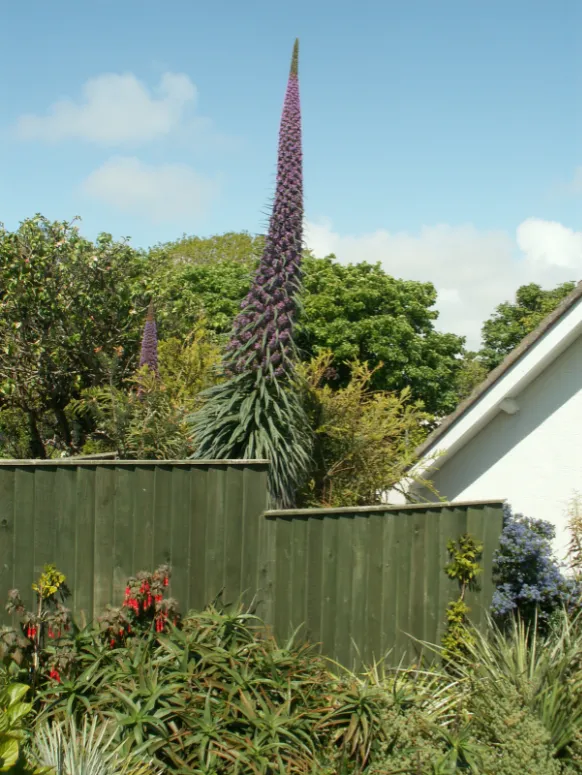
The giant of the family, which is a common feature in many mild coastal areas of England and Wales, is Echium pininana a native of the Canary Isles. Forming a large pillar of colour, sometimes up to 18 feet high, it is best grown or placed in position when relatively small. Failure to ensure this can result in the large tap roots rotating in the soil and not providing sufficient anchorage. Usually a biennial but sometimes a short lived perennial, it has large hairy leaves which form a substantial rosette, shortly before extending to a long flowering stalk. Flowers are bright blue on the species but hybrids are available in pink or white, neither in my opinion as good as the type. In my experience it will seed itself around profusely once having flowered and seems to be relatively frost hardy.
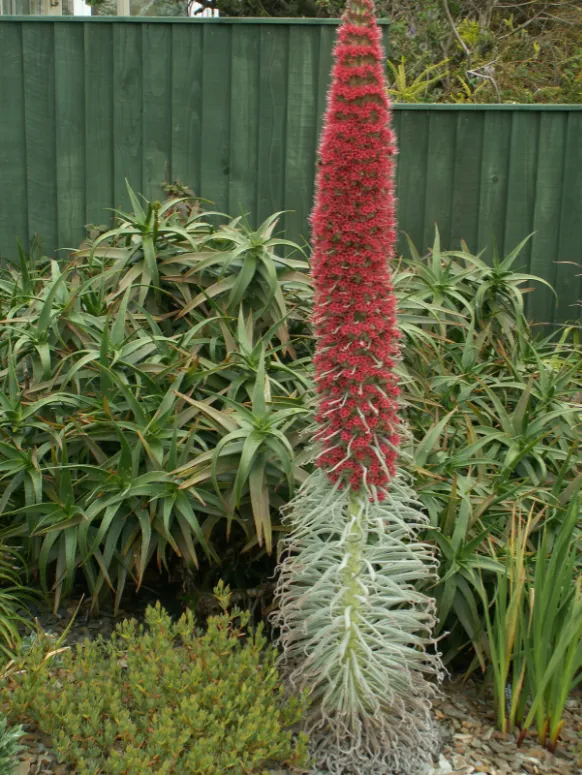
Echium wildpretii rivals E. pininana in most aspects except stature, rarely exceeding 6 feet high but of intense crimson red colour enhanced by small silver leaves. More tender than its larger relative, it is best placed in sunny locations sheltered from cold winds. As an insurance policy I overwinter a few in pots in my greenhouse and plant out in mid-March where they flower in August or later. Seeds of both the above can be sought on line and small plants are sometimes available.
-

- Echium pininana

-
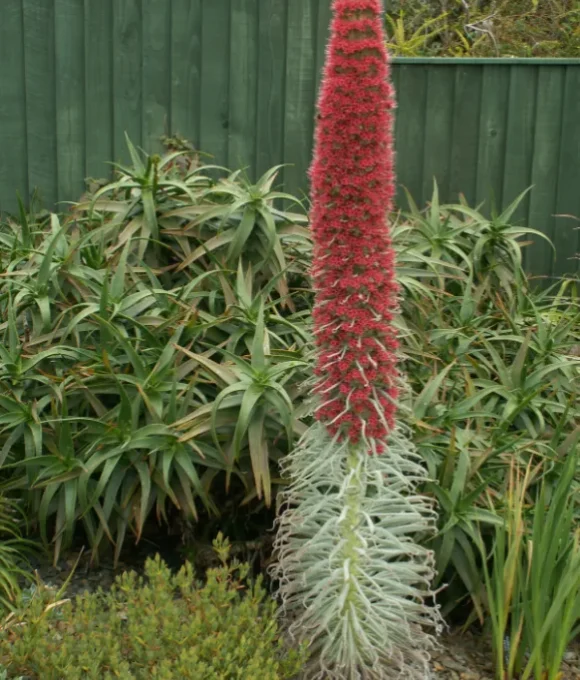
- Echium wildpretii
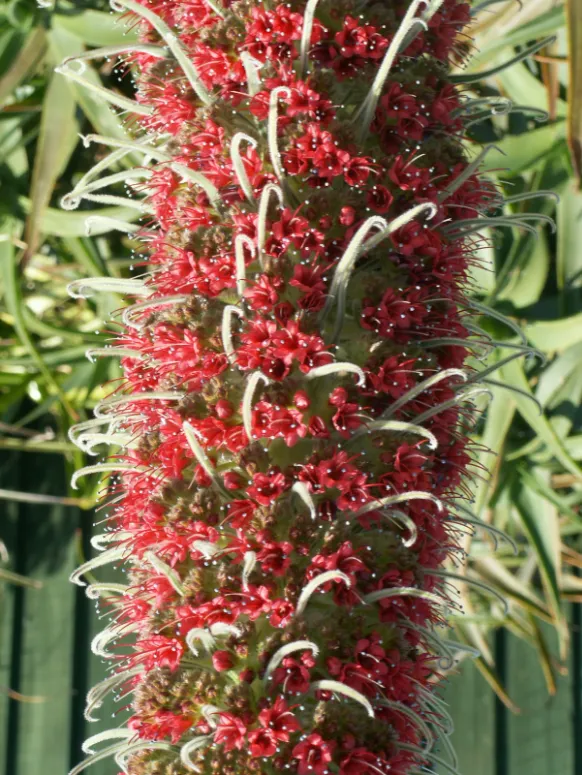
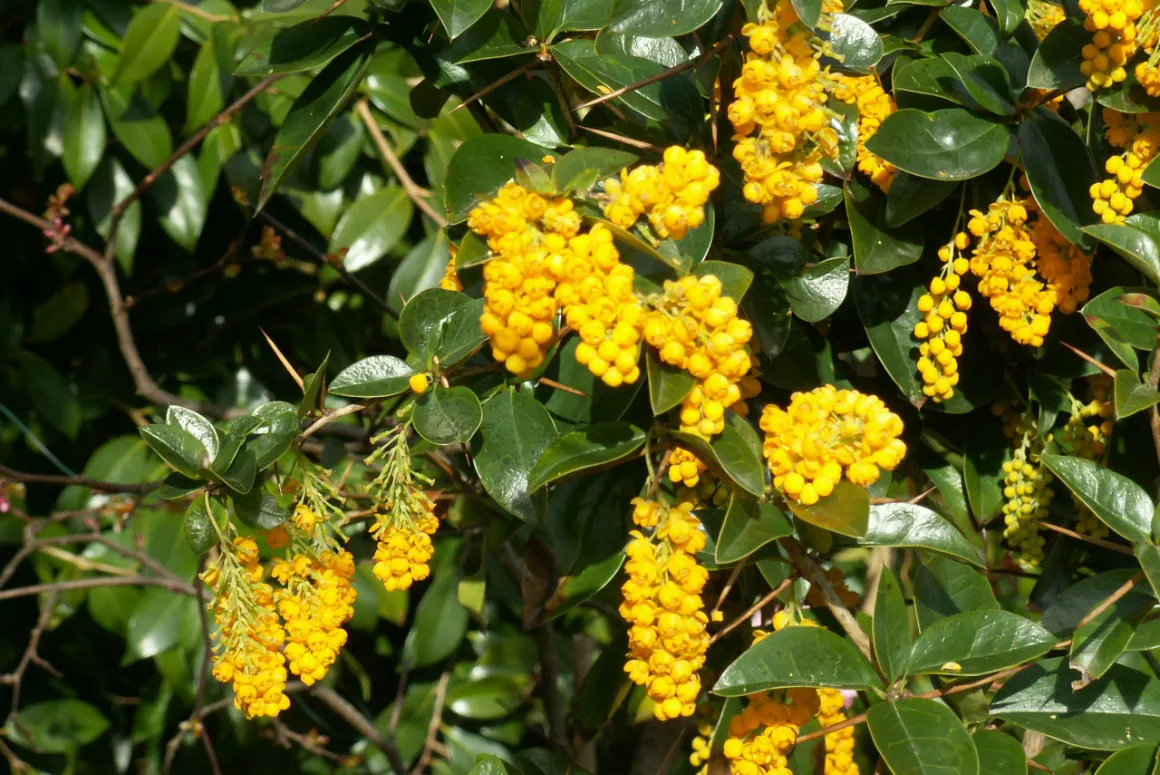
Whilst both the above have commonly been available in cultivation, Echium gentianoides (feature image) is a newcomer which until recently was rare in cultivation. Threatened, and restricted to a small area of La Palma, it has undergone conservation measures which have increased its numbers to a sustainable level and it is now becoming available. It appears less tender than other species, forming a shrubby framework supporting several pyramidal inflorescences up to 3 feet in length. Its colour is a vivid sky blue and flowering is sustained for several weeks. It has flowered and survived in my own coastal garden for the last 3 years surviving several light frosts without damage.
High Summer is a great time to explore the colour, scent and inspiration of gardens opening their gates for the National Garden Scheme. Here are just a few of the Welsh Gardens open in July and August.
Vicarage Farm
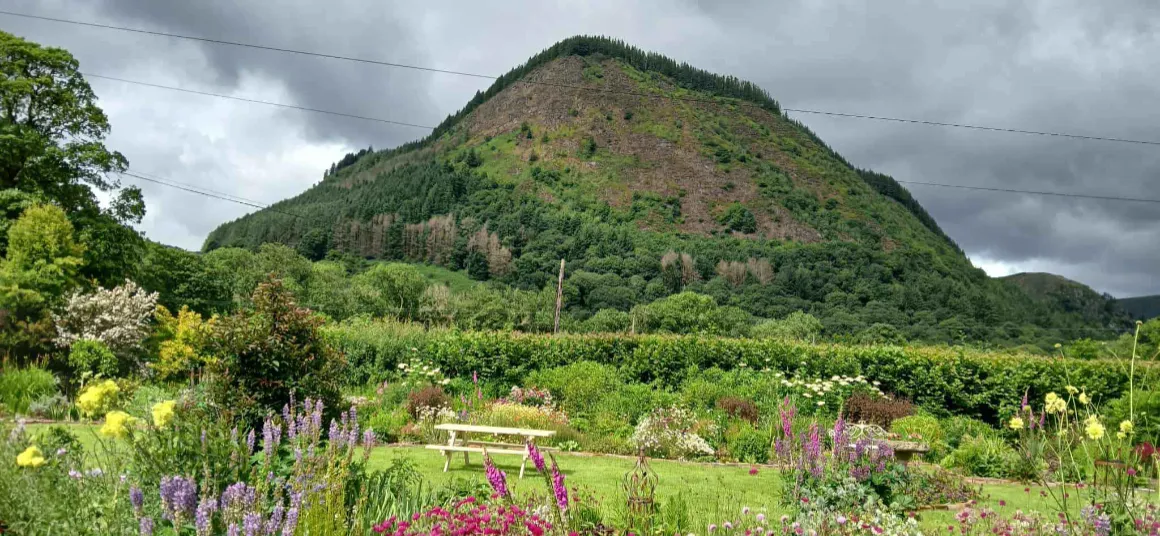
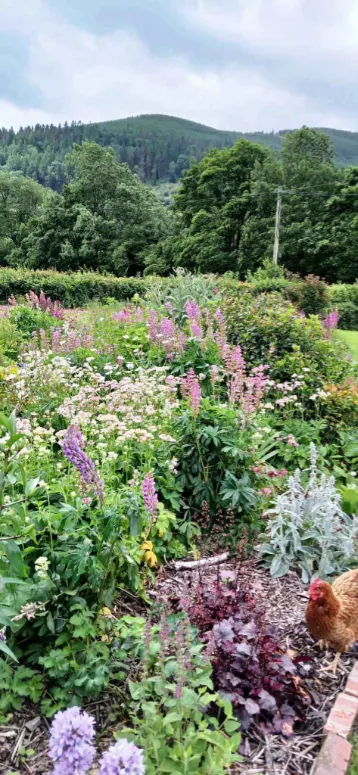
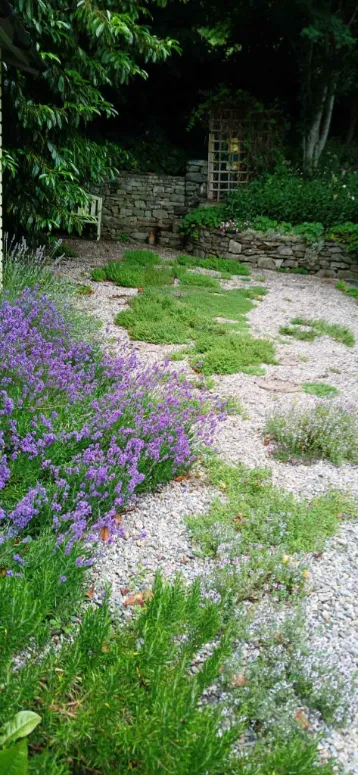
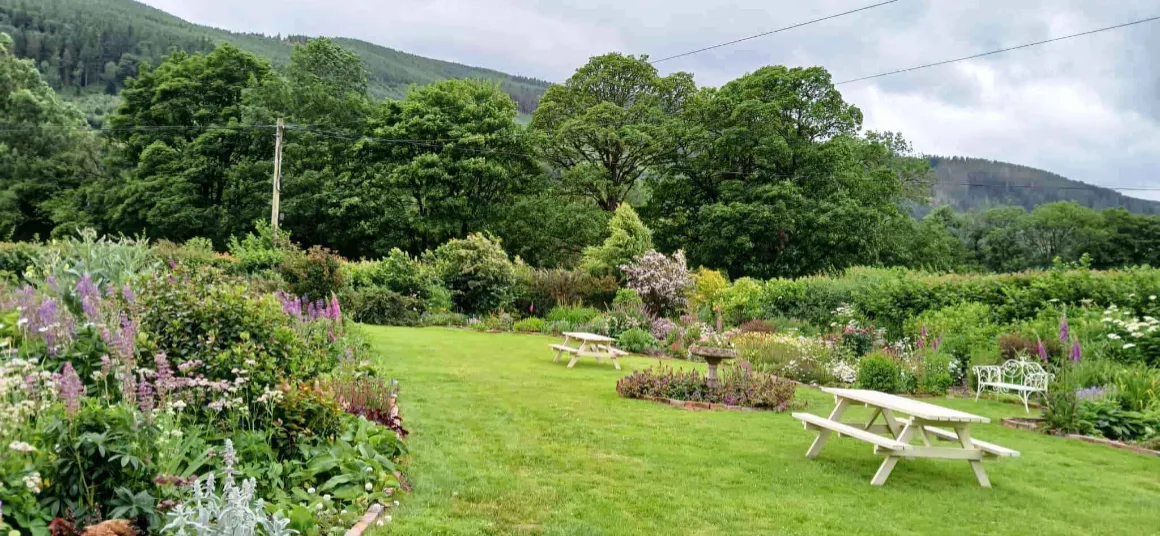
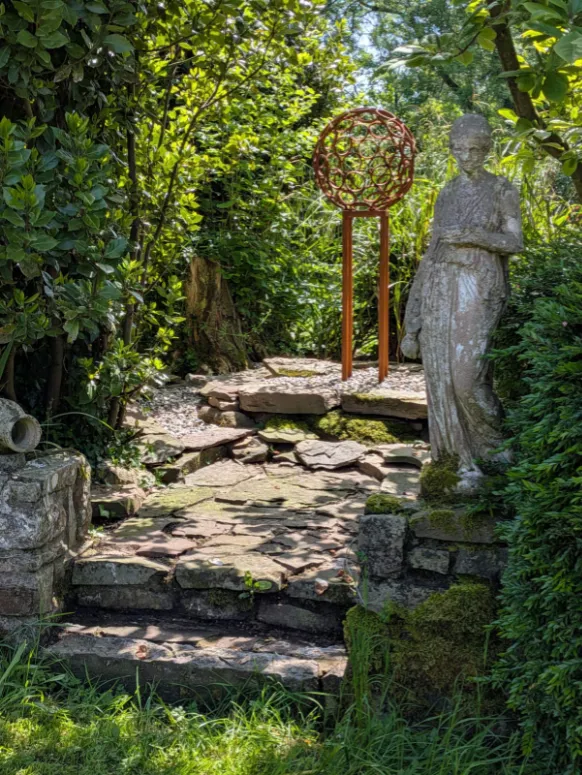
Vicarage Farm, Llangynog on the North Powys border is in a stunning setting at the foot of the Berwyn Mountains in the Pennant valley. Sarah Chambers and Shaun Hurlow have converted this acre of land into their garden without pesticides to encourage wildlife. Enjoy the large flower borders, roses, vegetable patch, fruit and rhubarb areas, thyme lawn and a small secret garden. There are also beehives and chickens roaming. There is something of interest for everyone including a childrens trail. Why not make it a full day out by visiting St Melangell Church a mile down the valley, one of the loveliest churches in Britain.
Laswern Farm
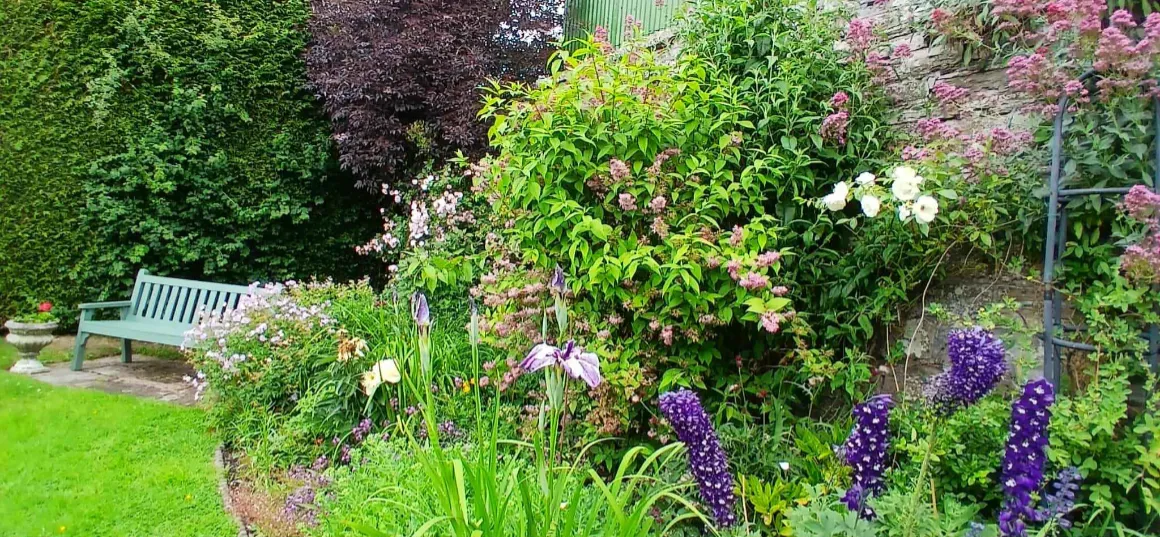
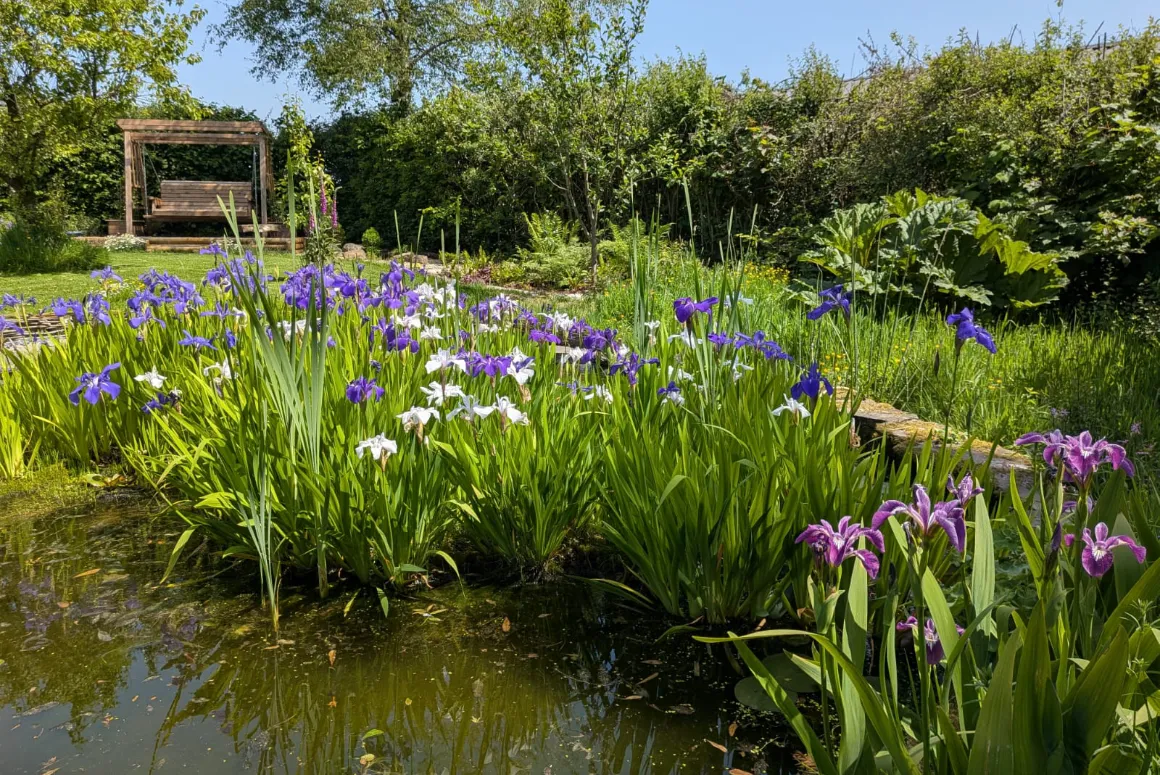
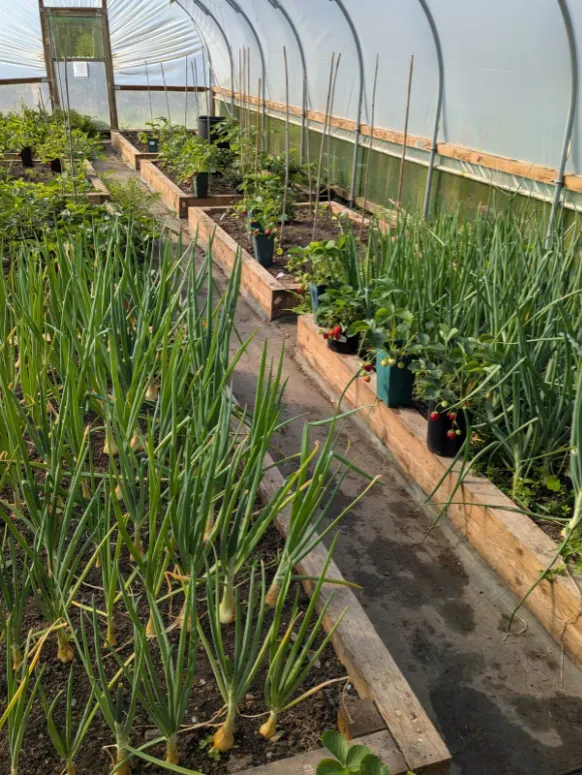
Moving south is Laswern Farm, Pontyberem in Carmarthenshire which is currently being developed by new owners Chris and Ann Sambrook. This mature herbaceous wildlife friendly garden with a pond is sited on a 1/3 acre smallholding. Their productive vegetable garden with two polytunnels, vegetable beds and a fruit cage are all irrigated by a gravity fed rainwater system. Other features include two fruit orchards plus beehives and willow beds. With 2 Open weekends, one in July and a later one in August there are plenty of opportunities to visit.
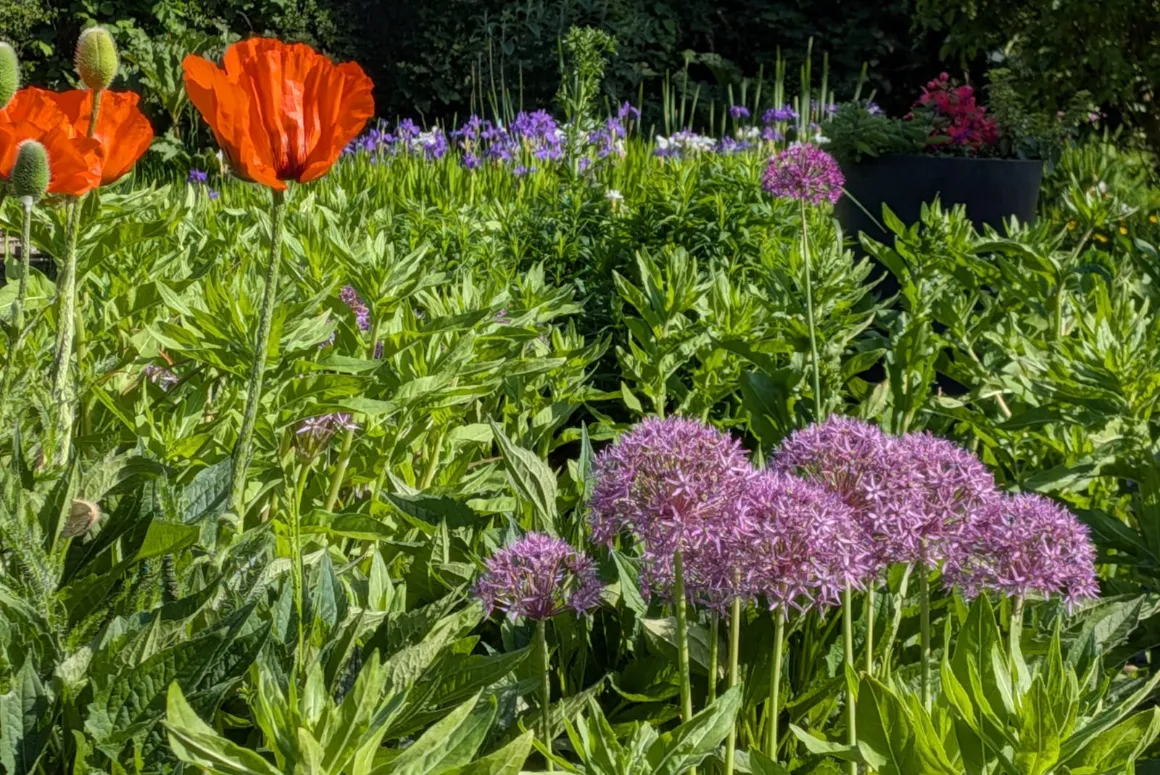
Yew Tree Cottage
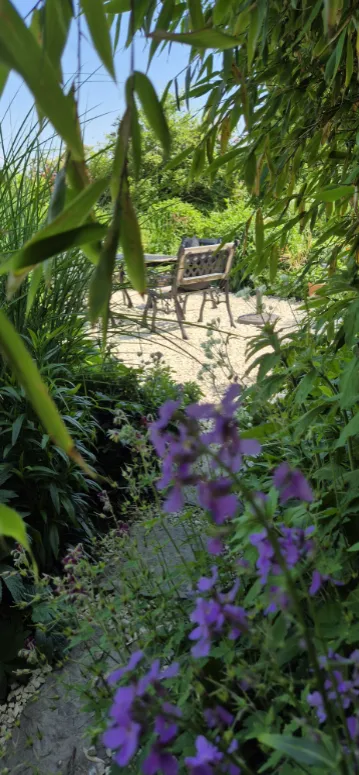
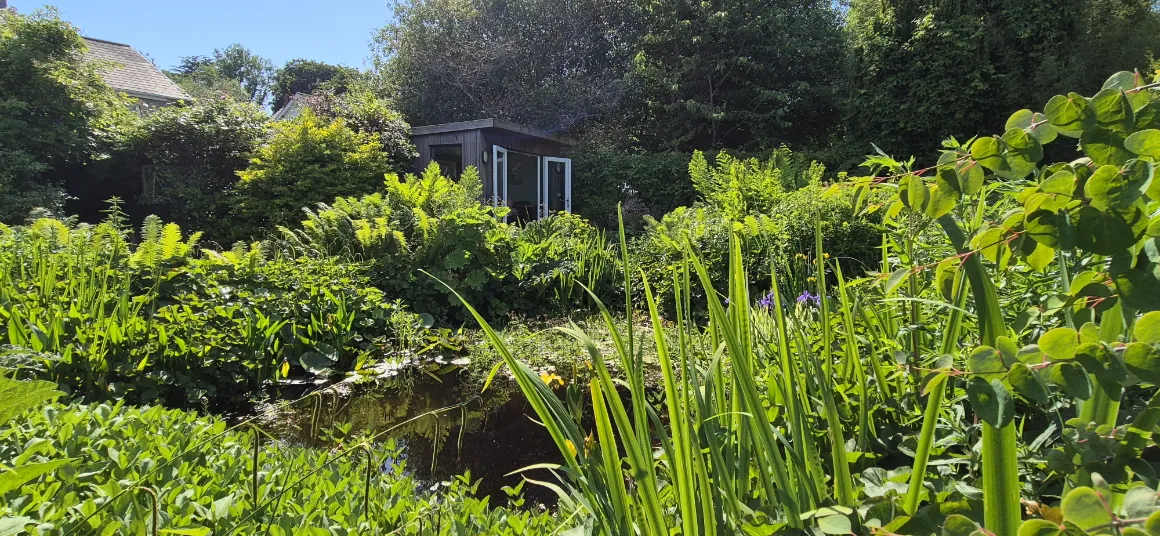
Yew Tree Cottage in Pencoed, Mid Glamorgan is the passion of Abbey Figg, a lecturer in horticulture and her husband a keen gardener. Abbey says:
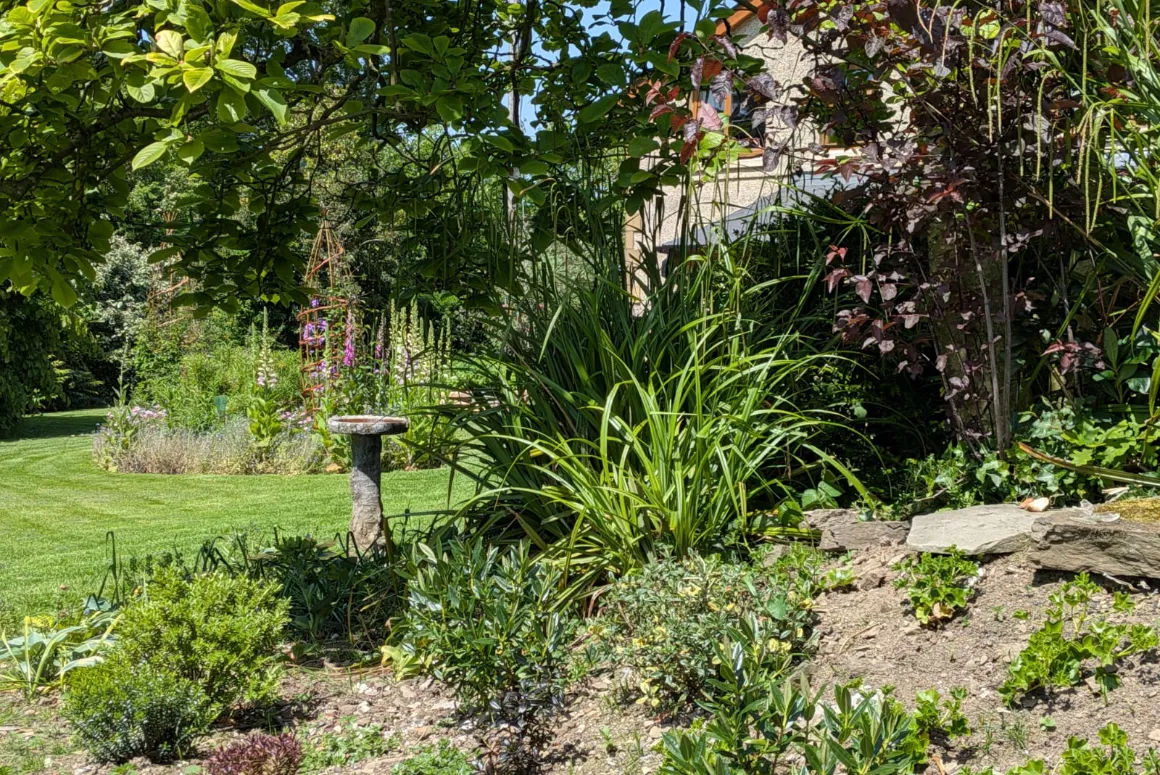
“The garden has been planned to consist of different seasonal planting and styles. The front garden has informal ‘cottage style’ pink, purple and white planting and spring flowering shrubs. Behind the house the garden is made up of multiple rooms including a functional outdoor living space with a large decking area covered in pots filled with tropically coloured dahlias, tender perennials and annuals; a large production area full of cutting flowers and a large rear garden. This is based on a figure eight design so that there are multiple ways to walk around the space and includes a fire pit area surrounded with herbs, a cool ‘jungle’ walk and a large pond surrounded by plants such as Gunnera sp., Darmera and Rodgersia.”
July is the best time to sit and enjoy their colourful, tender summer perennials.

April House
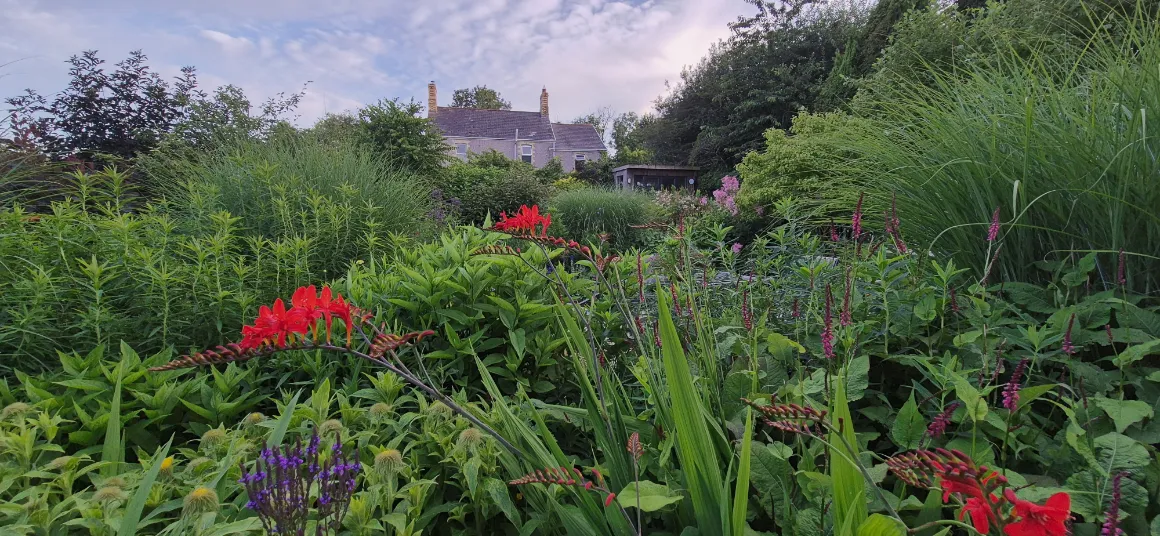
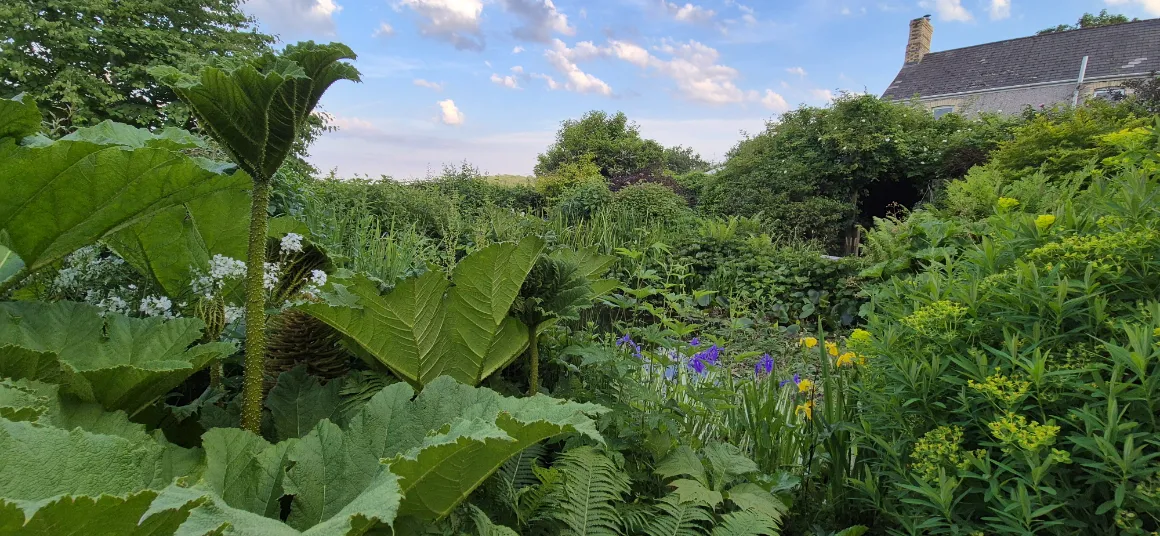
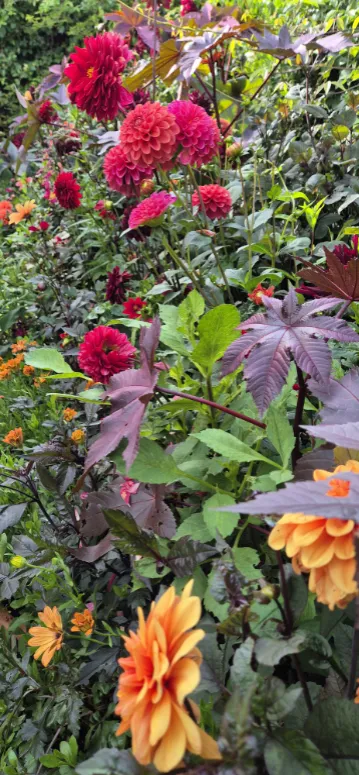
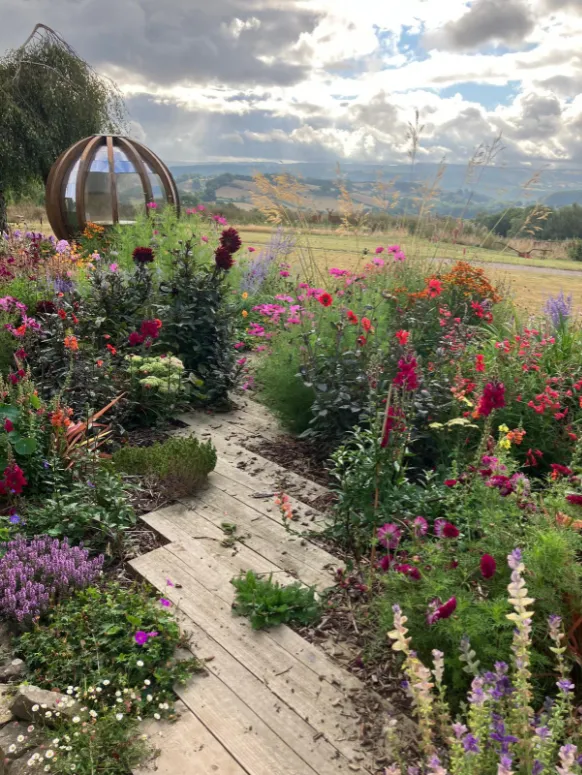
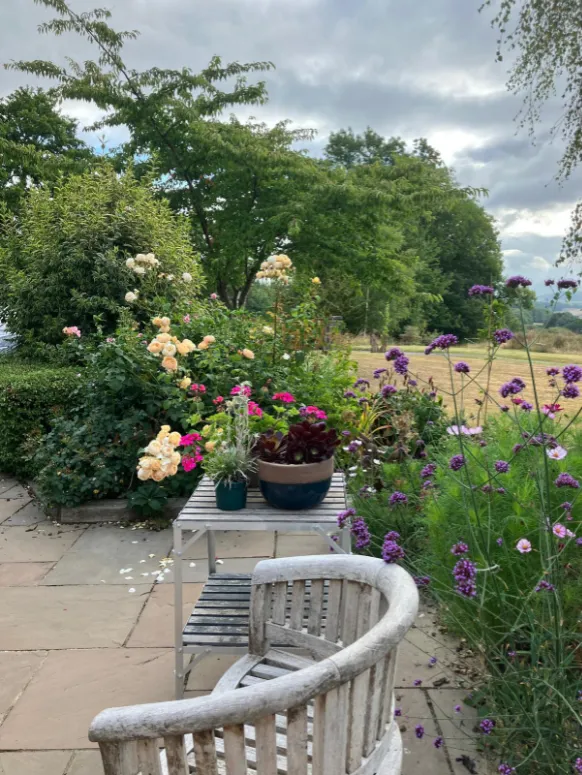
April House, Llanbadoc near Usk is on a one acre site with fabulous views over the Usk valley and Wentwood Forest. Charlotte Fleming says the garden has been developed over 20 years from bramble thicket and dairy pasture. The garden now has large herbaceous, bog and shrub borders. Additional features include fruit and vegetables and a wildlife pond. It’s name might suggest a Spring garden but Charlotte has developed glorious late summer planting to lead you to the stunning views beyond to be enjoyed in hopefully late August sun.


Follow the links below to discover a beautiful garden near you to visit.
Or why not join with friends and family to take part in the National Garden Scheme Great British Garden Party fundraiser in aid of some of the UK’s best-loved nursing and health charities?
Think sunshine, cake and flowers! There is still time to sign up : ngs.org.uk/gardenparty
NGS Open Gardens
Welsh Country has two NGS open garden sections. The first ‘Open Gardens’ are gardens that are open on specific days and the ‘Long Term Open Gardens’ which are by appointment only. There is a search facility on each page so simply search for a garden name or an area of Wales (i.e. Swansea) you’d like to visit.
Words: Rob Dyer
Pictures: National Garden Scheme & Annette Dyer
National Garden Scheme: Frances Bowyer