If anyone has doubts about climate change this winter and spring should serve as confirmation of the fact. Although blessed by a mild coastal situation I usually expect occasional drops to minus a few degrees of frost. But this winter has been virtually frost free, and tender perennials such as arctotis the “African Daisy”, agyranthemums also known as marguerites and gazanias are already in flower. Fritillaries, erythroniums and other woodlanders are ‘going over’ early and dahlia shoots are several inches high. Finally, our church porch swallows are already prospecting their nesting site!
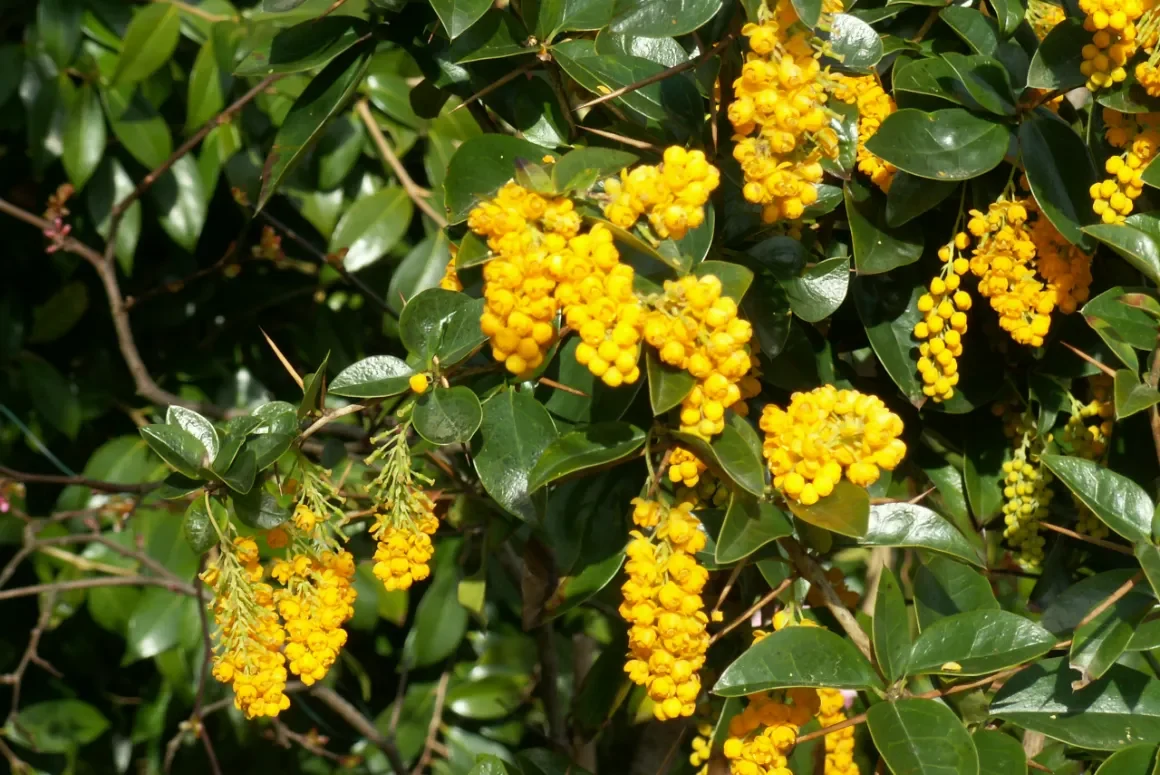
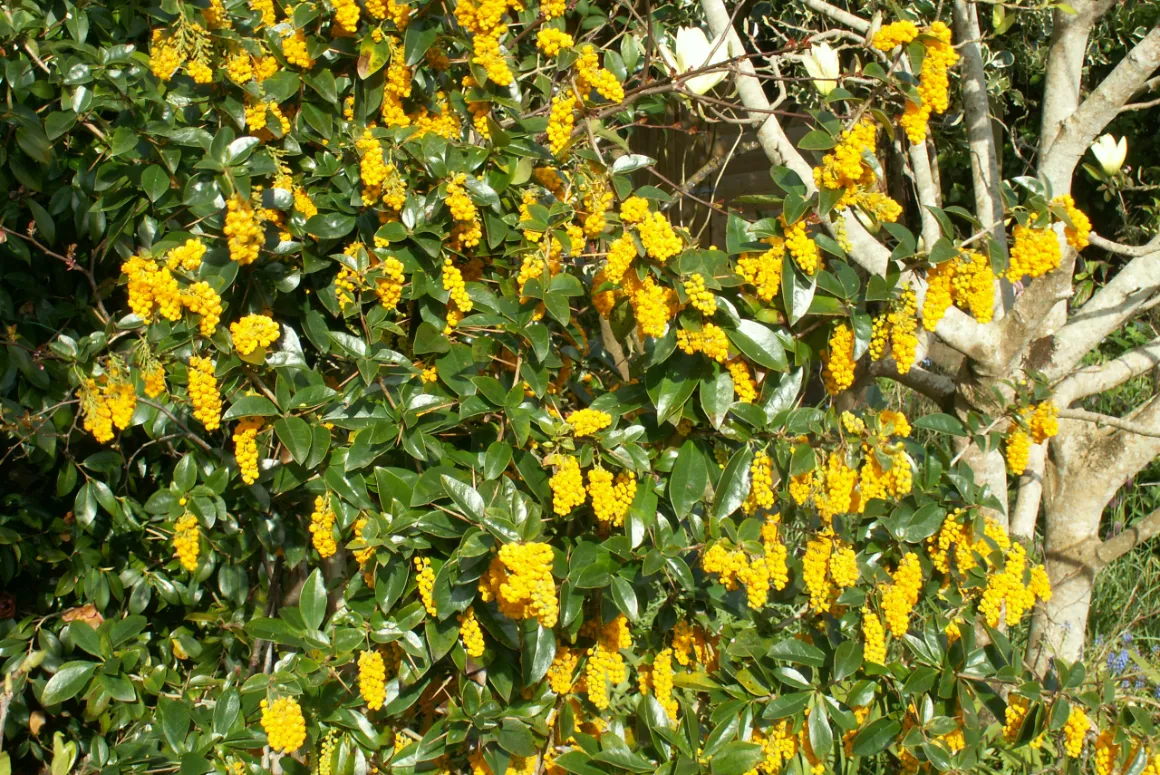
Feature image: Berberis valdiviana
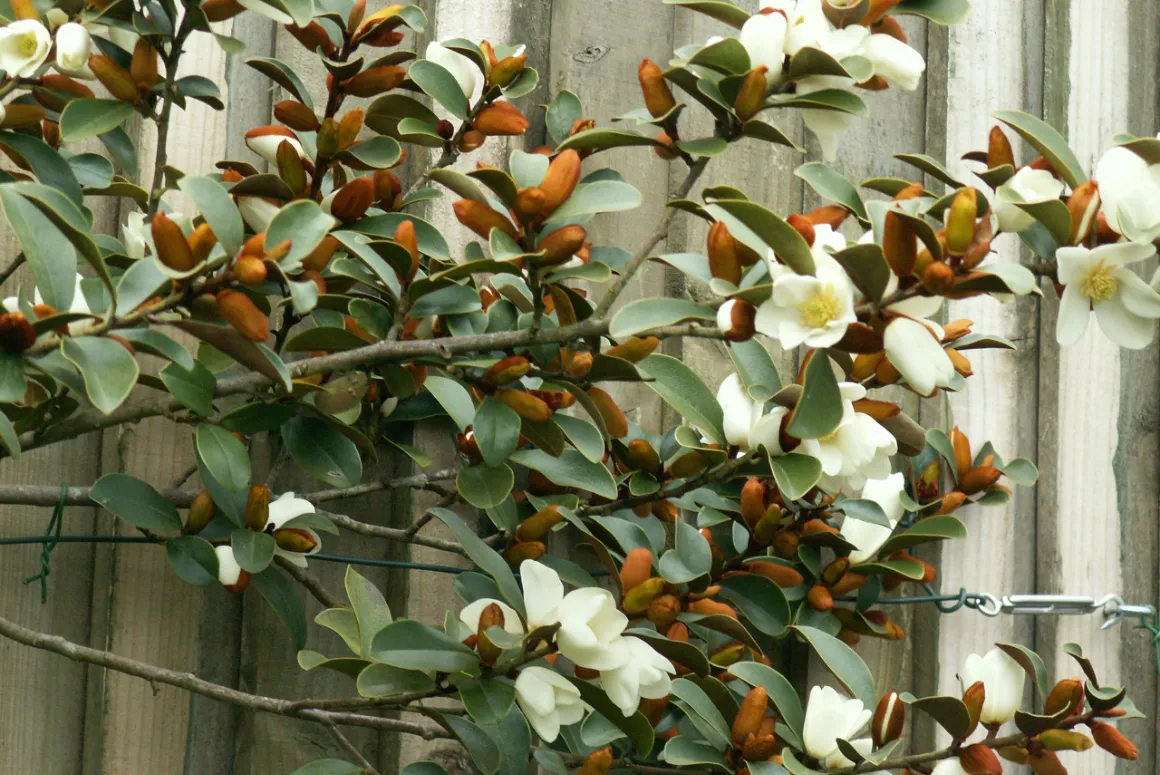
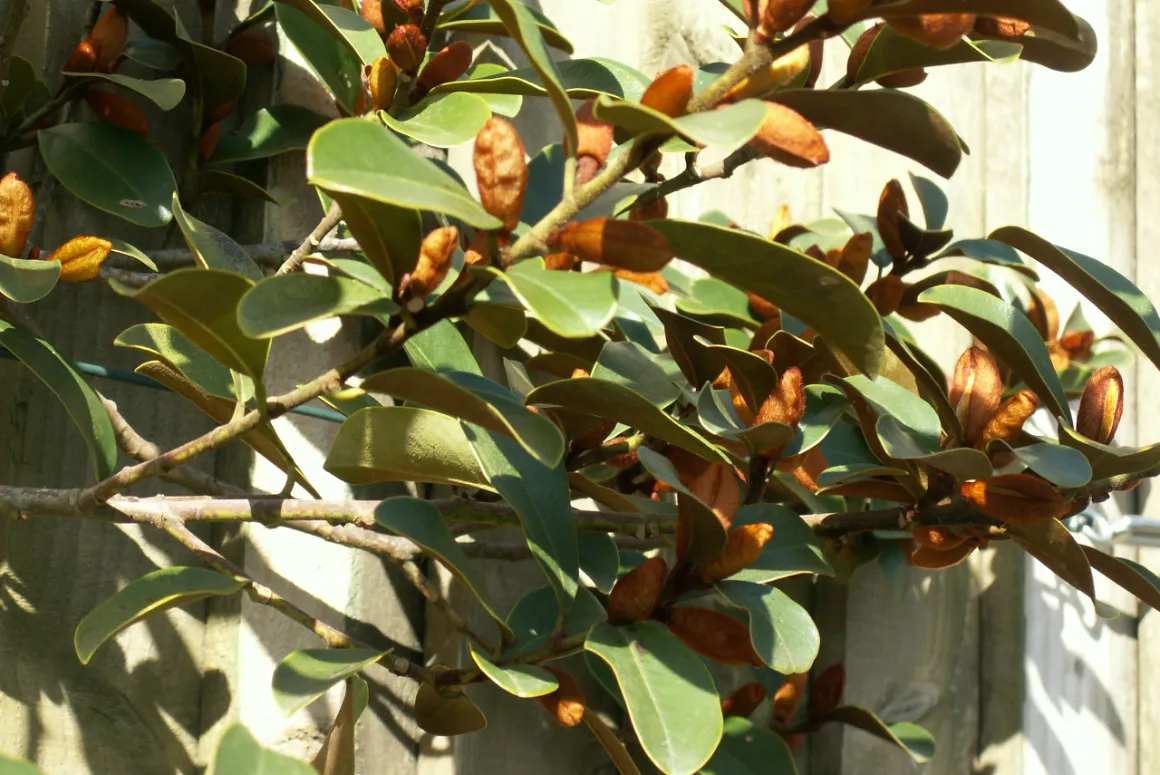
Whilst our big garden magnolias have largely finished some smaller family members are at their best. One of my favourites is Magnolia yunnanensis (recently reclassified from Michelia). It has small green leaves with a light covering of hairs and flowers enclosed in velvety brown cases during winter, which are attractive in their own right. The pure white flowers which burst out of the buds are reputed to be heavily fragrant, but not to my nose. The species itself is only available from specialist nurseries but a number of hybrids are emerging in good garden centres with a ’fairy’ prefix e.g. Magnolia ‘Fairy Blush’. Native to mountainous parts of China they are hardy in most of the U.K. and as most magnolias, require an acid or neutral, moisture retentive soil.
-
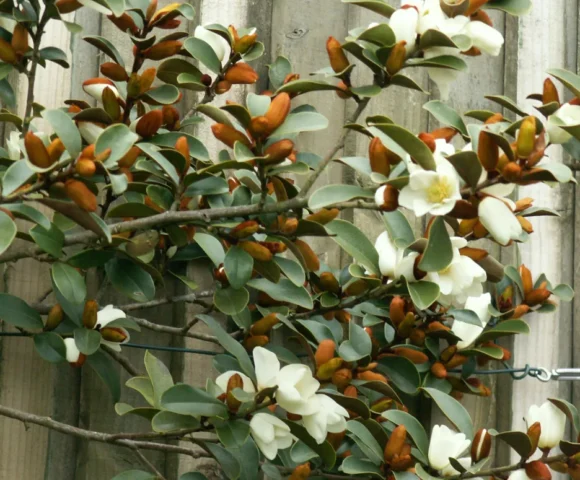
- Magnolia yunnanensis
Berberis are a large family of evergreen and deciduous shrubs from all parts of the northern hemisphere and parts of Africa and South America. They differ widely in form, from dwarf species to large shrubs suitable for garden use, and most use thorns as a means of defence. I grow several dwarf forms of B. thunbergii, and I also grew B. darwinii in a previous garden. However, I was smitten some years ago, by a large and handsome shrub which was growing in a botanic garden and which I found to be Berberis valdiviana. Endemic to the Valdivia region of Chile this large spectacular shrub is relatively rare in cultivation due to difficulties in propagation, and will need to be sought in specialist nurseries. Slow growing at first, it will reach about 10 feet after 20 years, in any well drained soil with added humus. In full flower, with elegant drooping panicles of egg yolk yellow flowers, it is magnificent. As a bonus, its deep green leaves are virtually prickle free!
Wales has over 300 diverse and magical gardens opening in 2026 for the National Garden Scheme and May and June is a great time to explore them. Here are just a few to tempt.
74 Castle Street
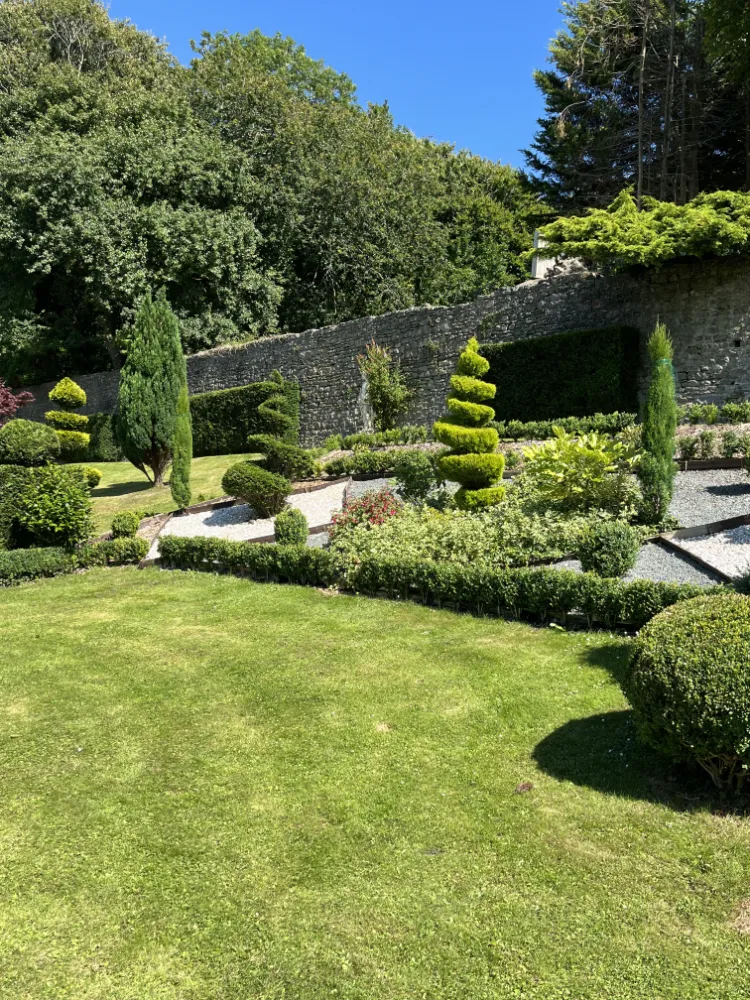
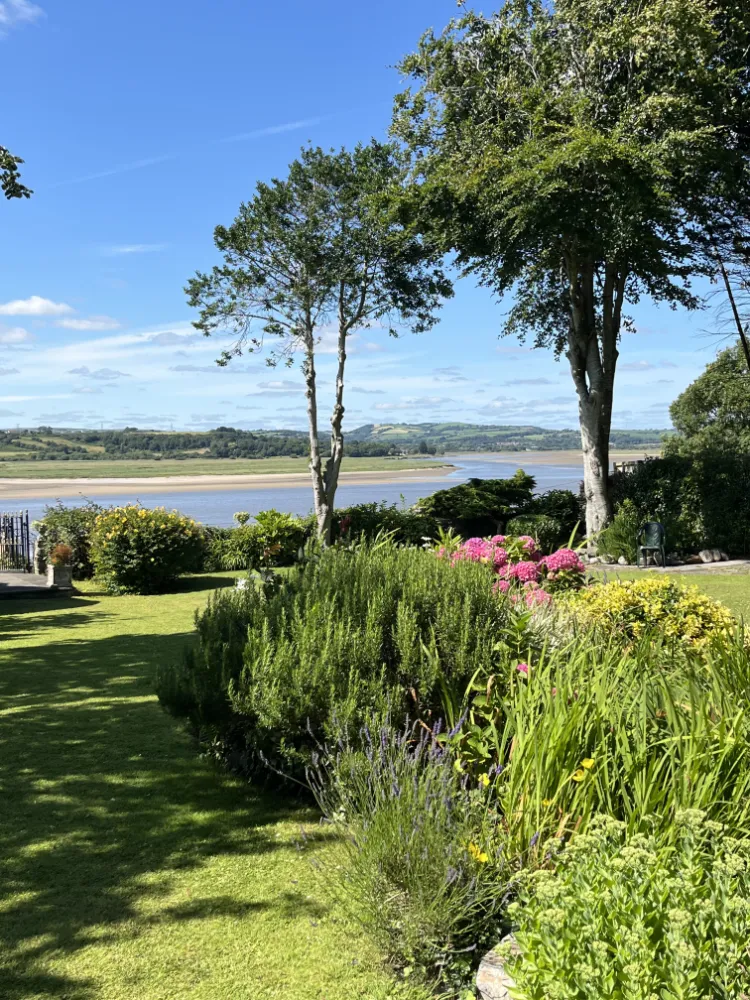
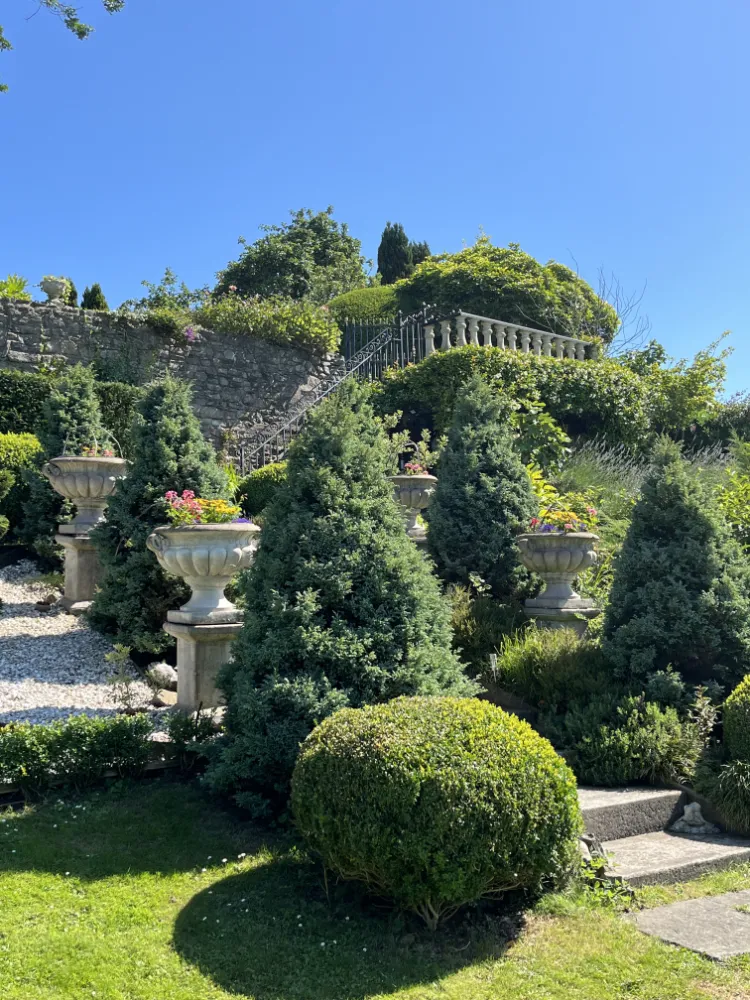
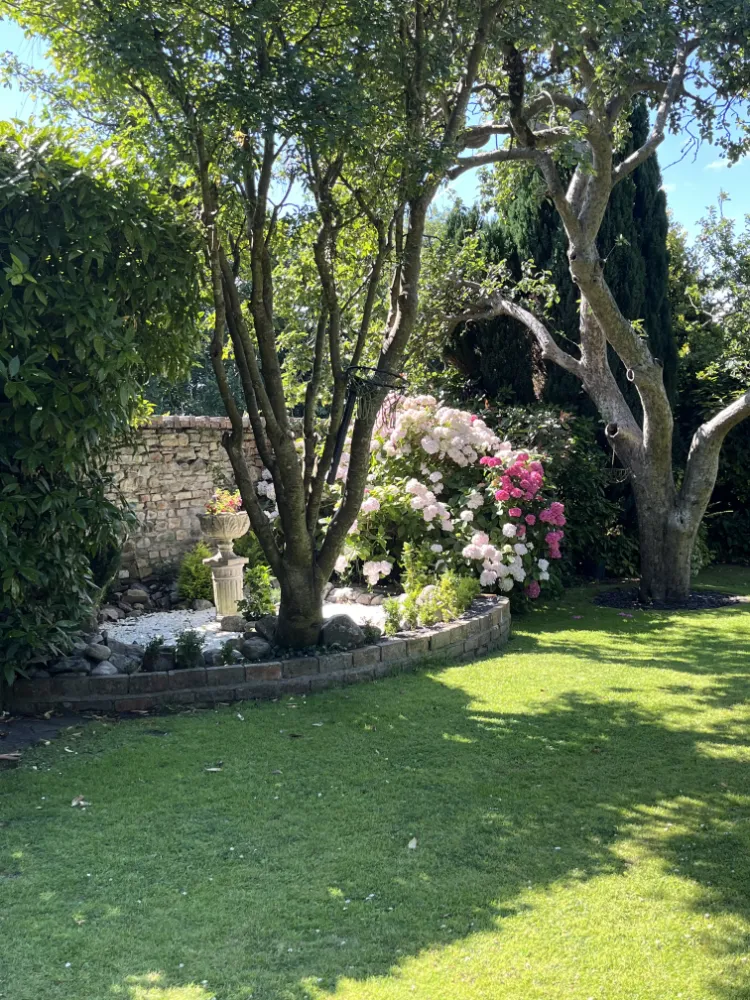
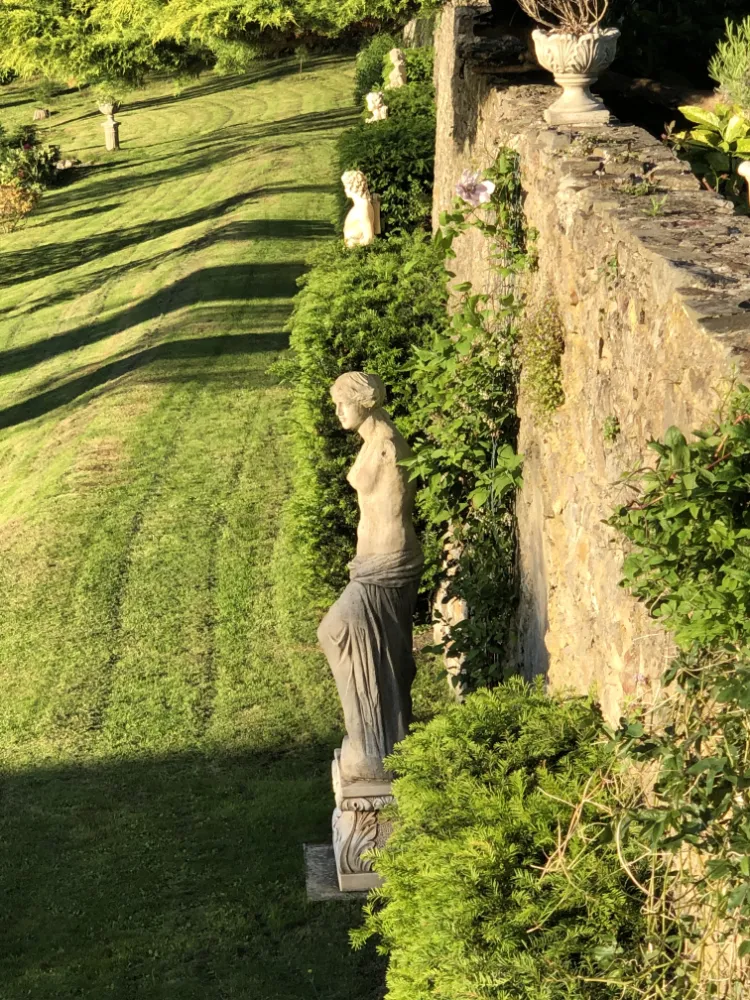
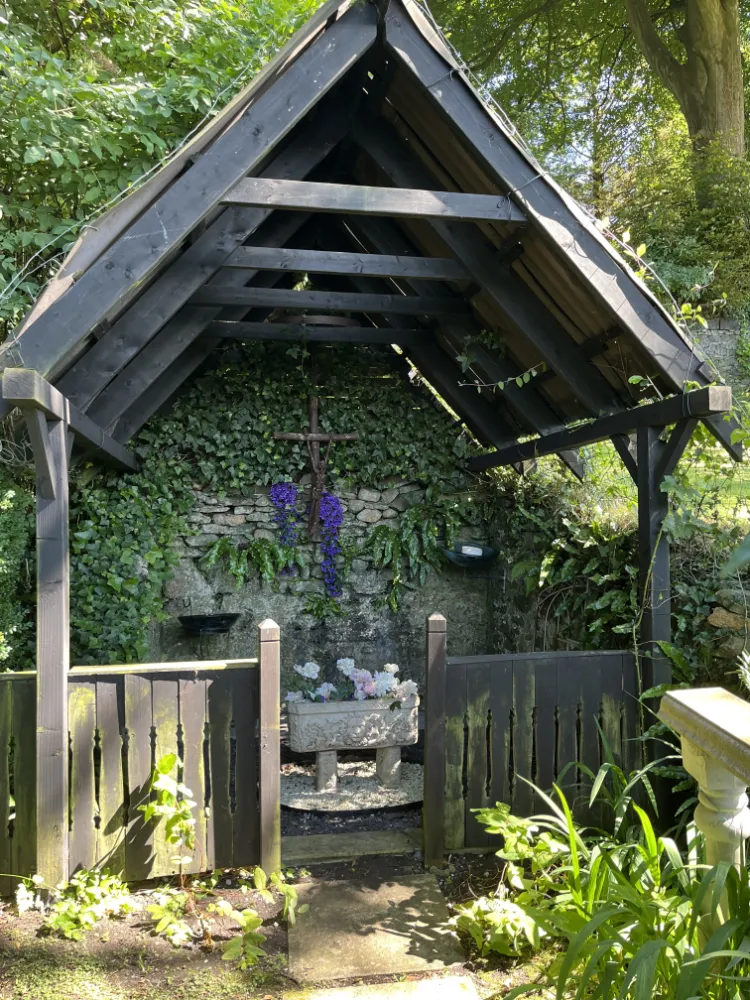
74 Castle Street, Swansea is a beautifully landscaped terraced garden with stunning views over the River Lougher. The upper older section surrounds the Grade 11 listed house that was home to the Knights Templar and the Knights Hospitalier with an ancient chapel, pond, hedge maze and mature plants and trees. In contrast Maurizio Brotto says the second lower section was created more recently to include a rock garden and topiary plants with statues, urns and planters as ornamental features.
Brynkinalt Hall
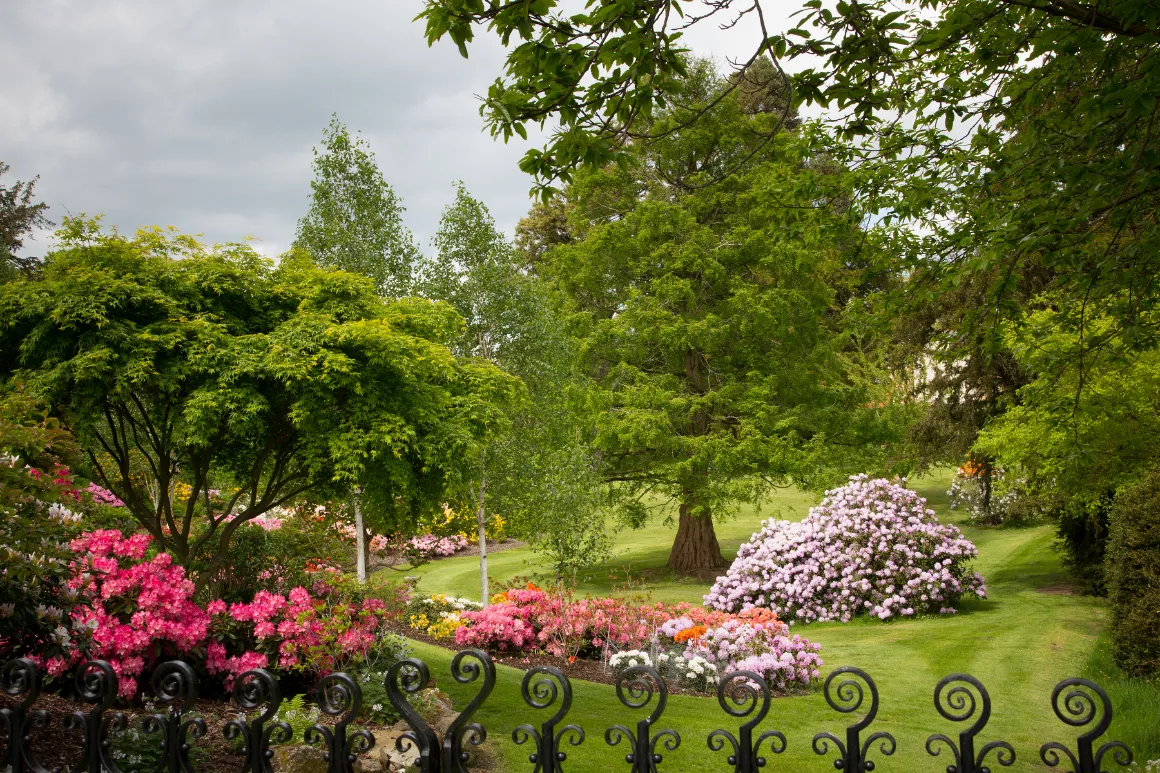
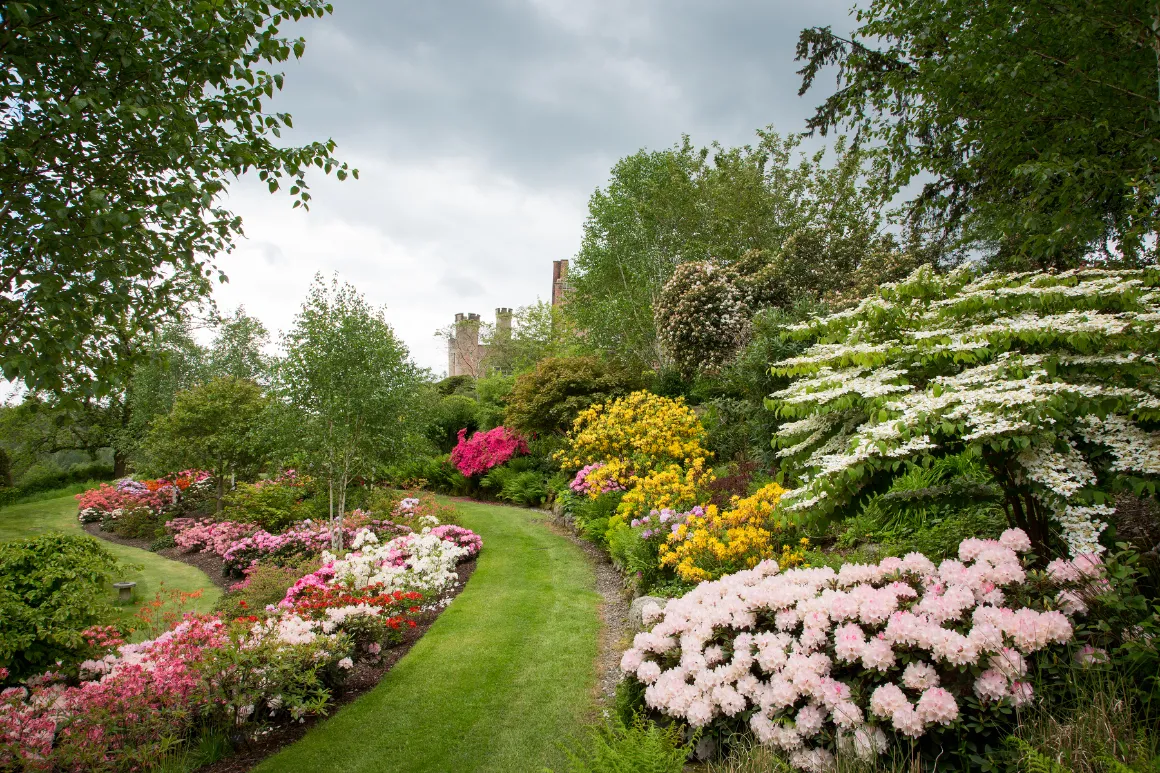
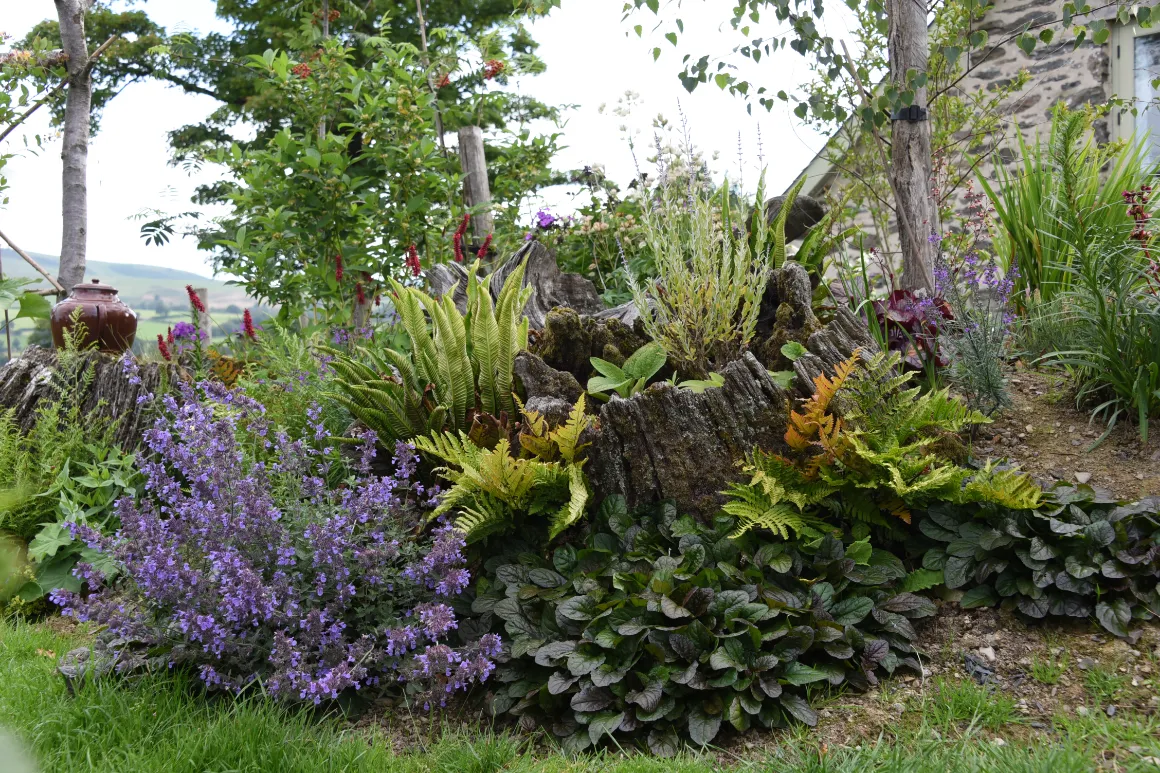
Moving north is Brynkinalt Hall near Chirk Wrexham, home of the first Duke of Wellington’s grandmother. Iain and Kate Hill-Trevor have recently cleared and replanted the rhododendron walk in the five acre ornamental woodland shrubbery which also features historic ponds, a well, grottos, ha-ha, a new stumpery and ancient redwoods and yews. A further 2 acre garden beside the house includes modern rose and formal beds and deep herbaceous borders. May is definately the time to visit to see the stunning rhododendrons in full colour!
Monmouth Gardens
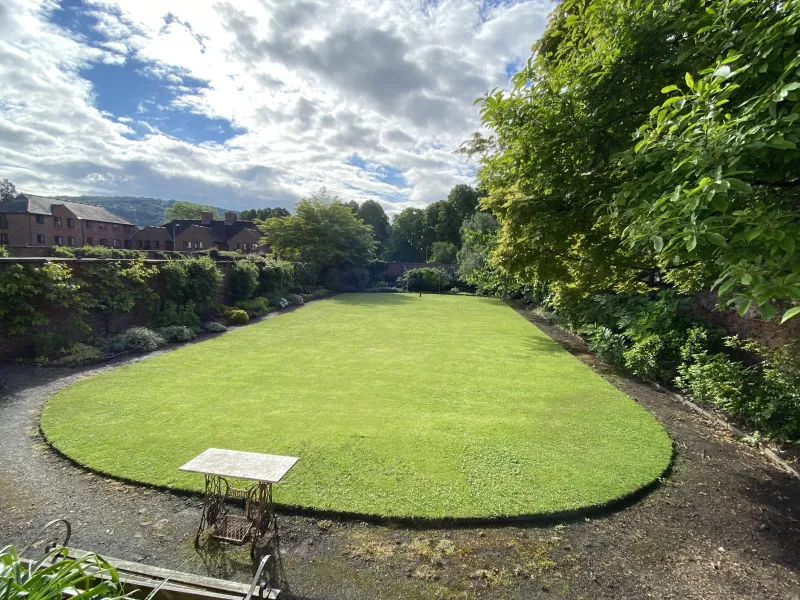
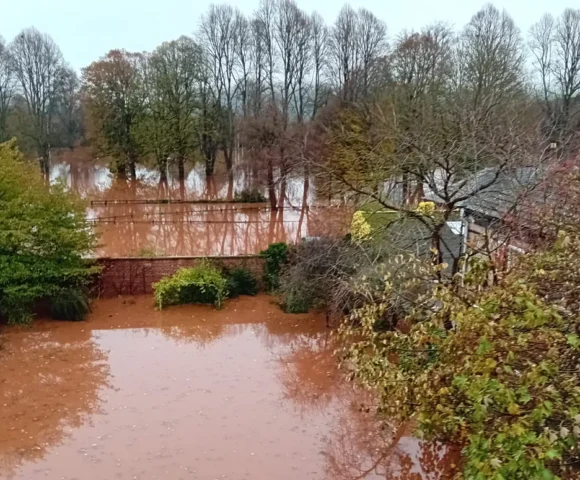
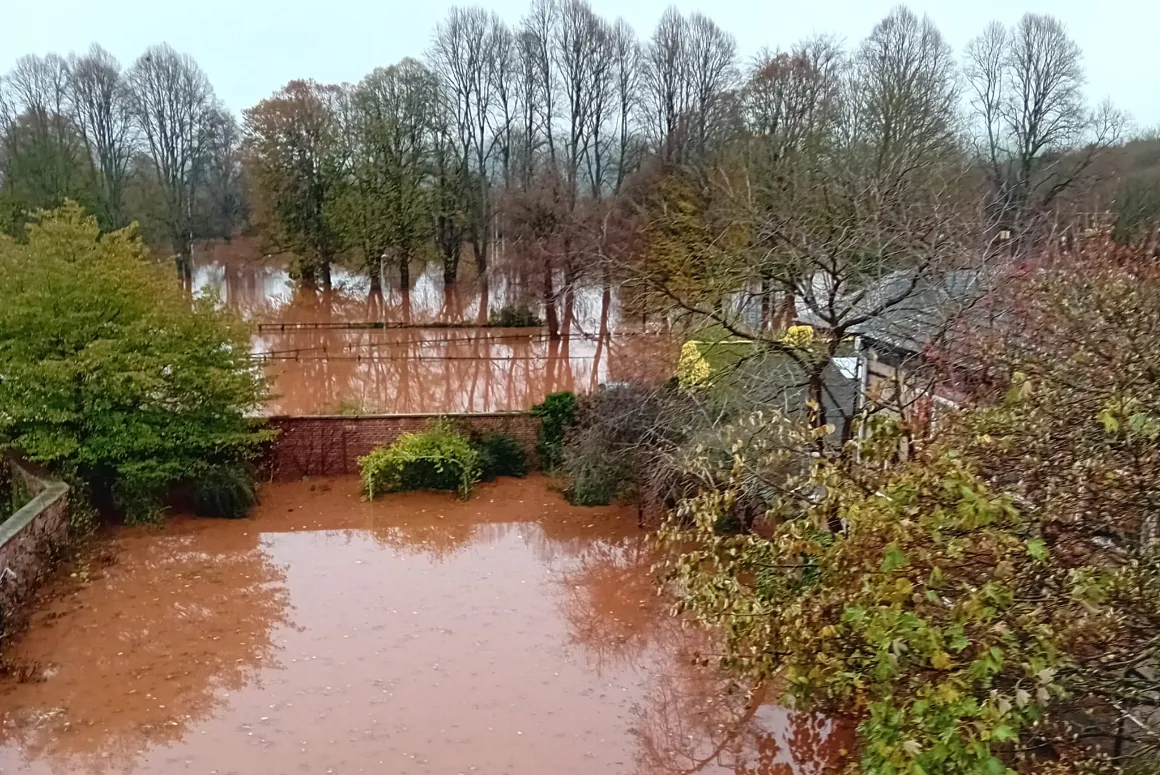
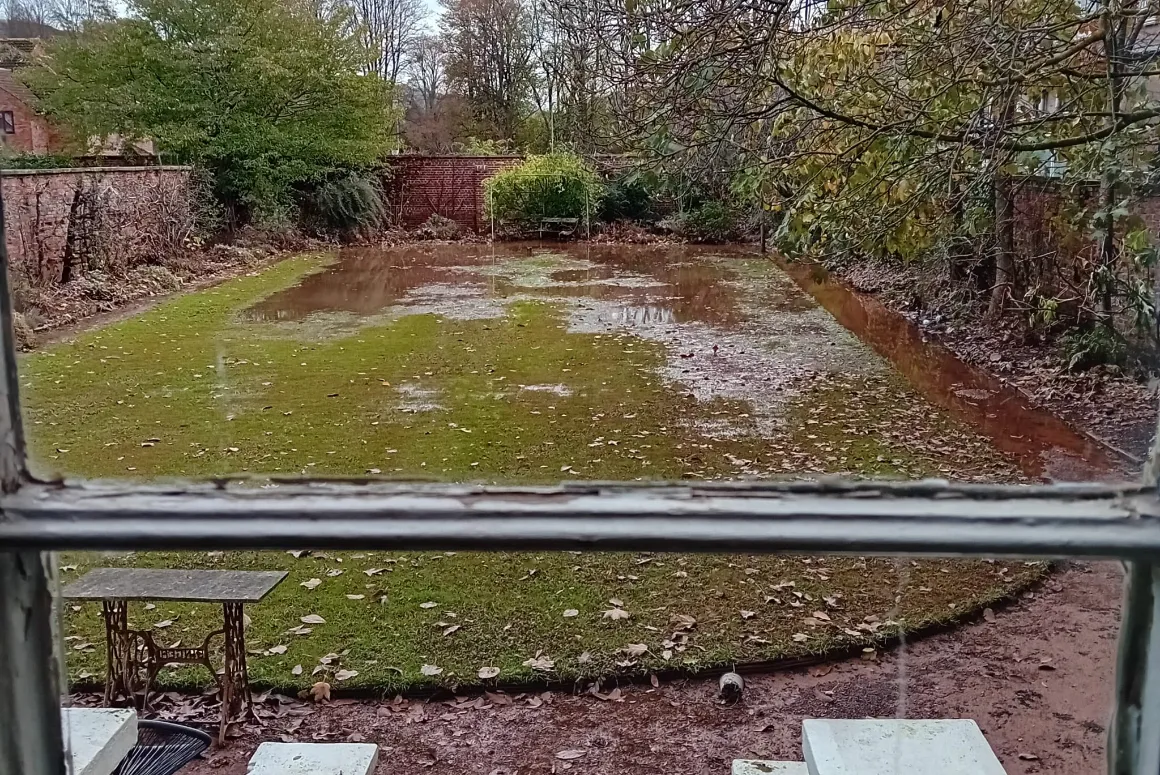
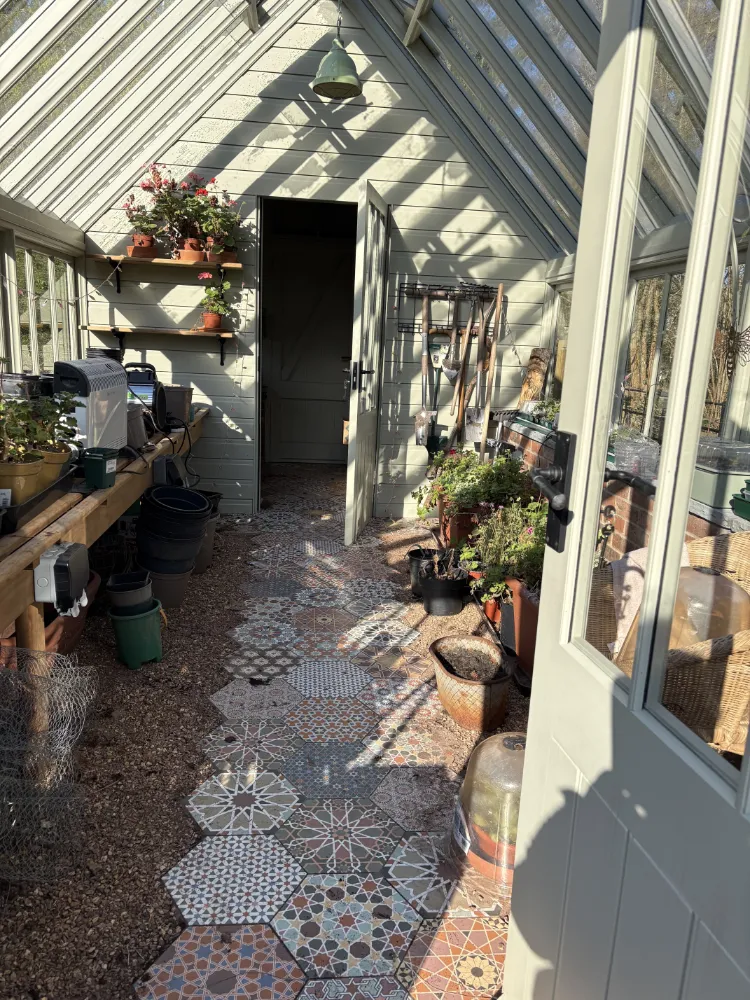
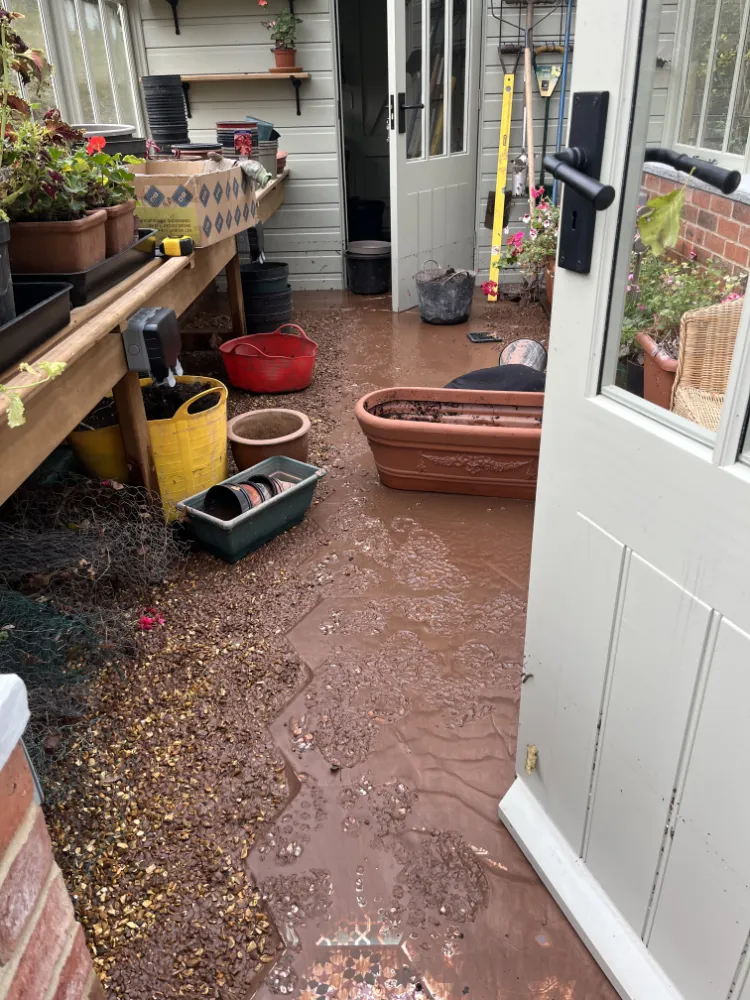
The fact Monmouth Gardens is going ahead with its opening speaks for the remarkable resilience of garden owners and nature. You may remember the devastating television images in November 2025 when Storm Claudia hit, causing the River Monnow to reach 18-times its normal level flooding adjacent gardens and properties.
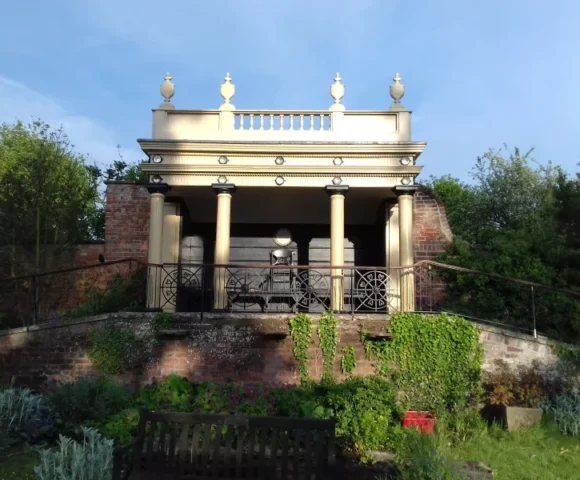
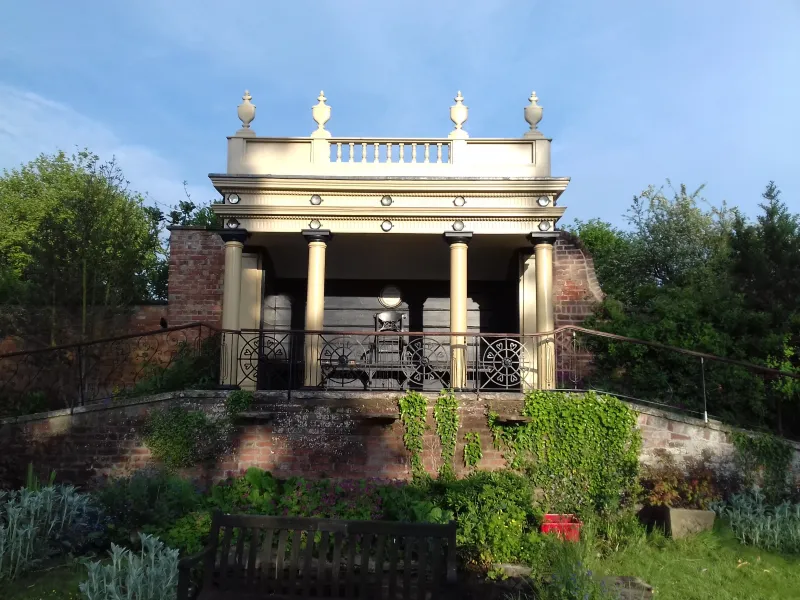
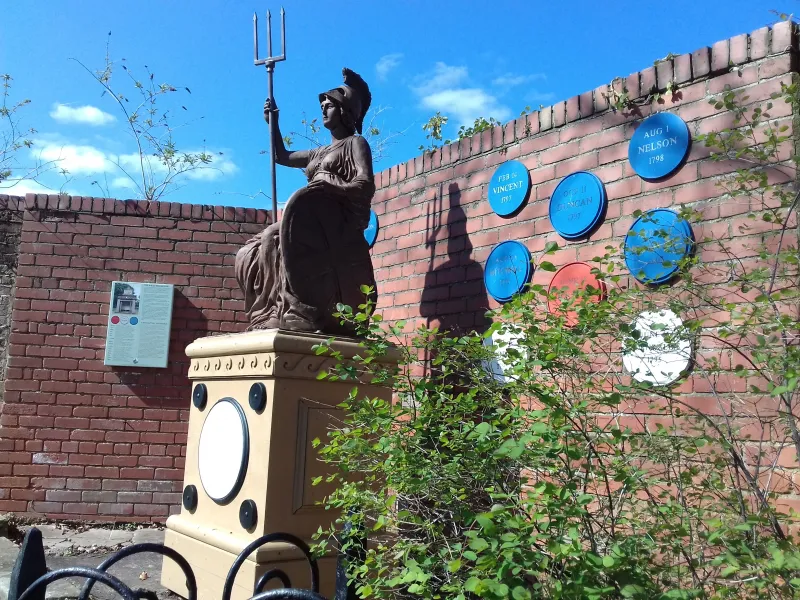
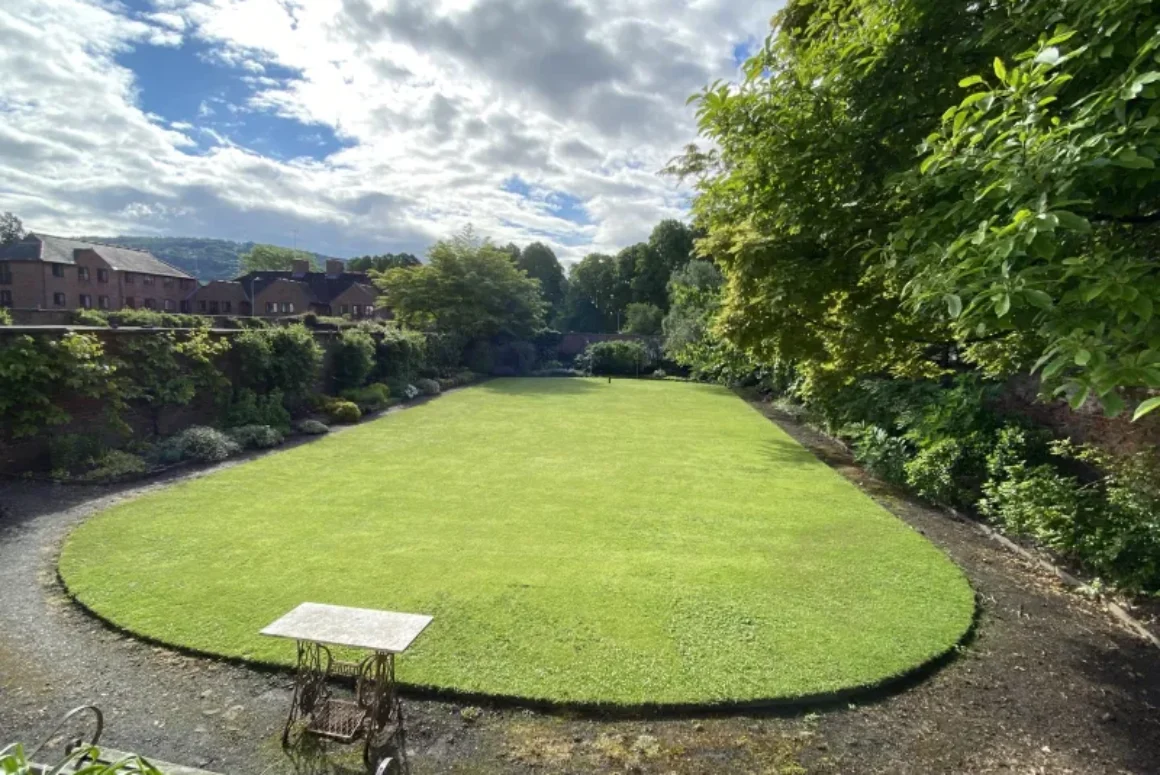
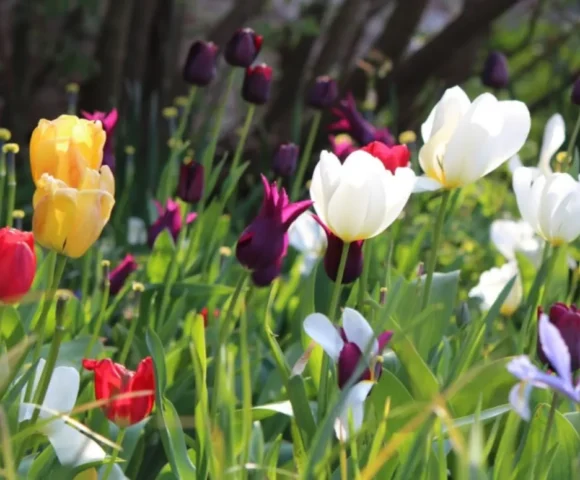
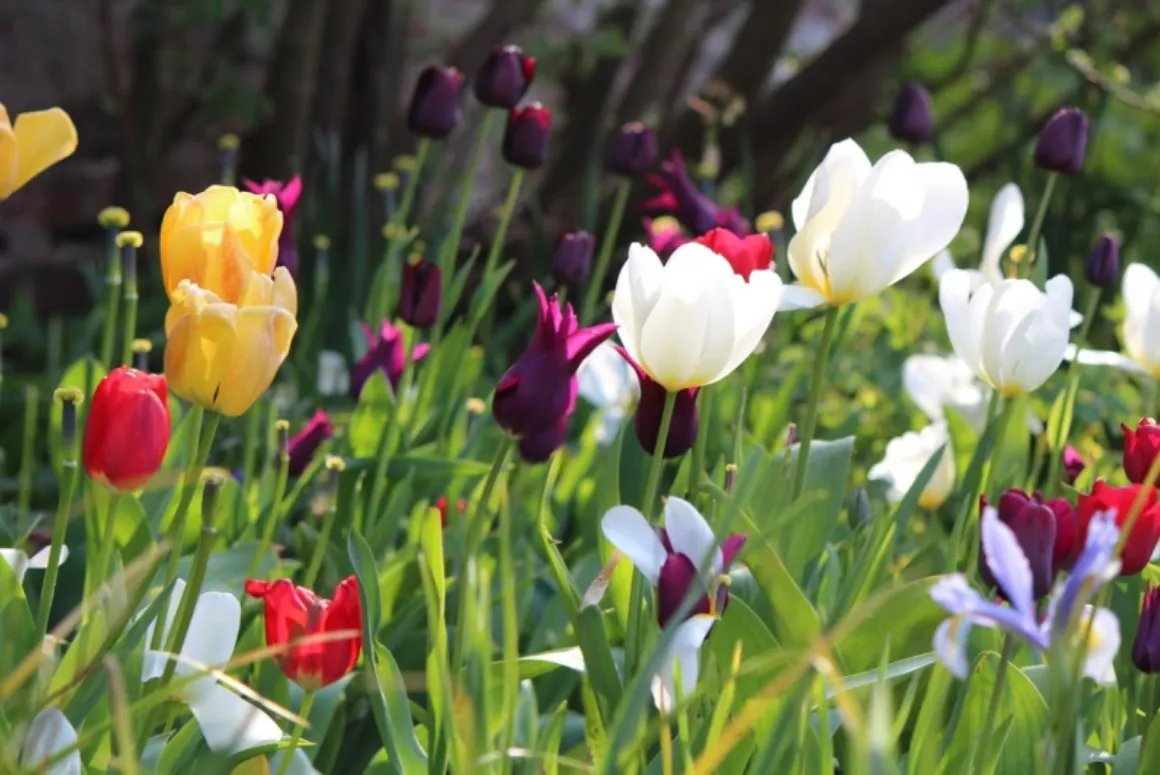
A group of 5 different town gardens: The Nelson Garden dates back to Roman times. St Johns is a charming walled garden with a sunken central lawn and deep herbaceous borders. Cornwall House has a beautiful walled garden and productive kitchen garden dating from the C17. North Parade House is a hidden gem with a secluded walled garden, mature specimen trees, herbaceous borders and kitchen garden. Whilst The Gables is a terraced garden surrounding an Arts and Craft house leading down to the river.
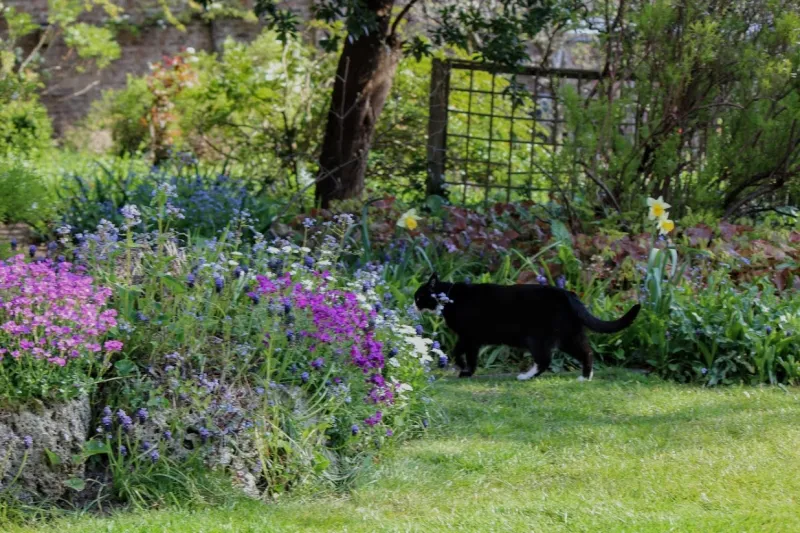
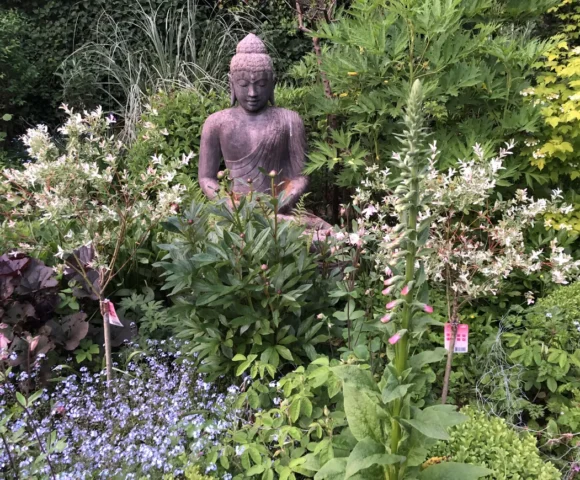
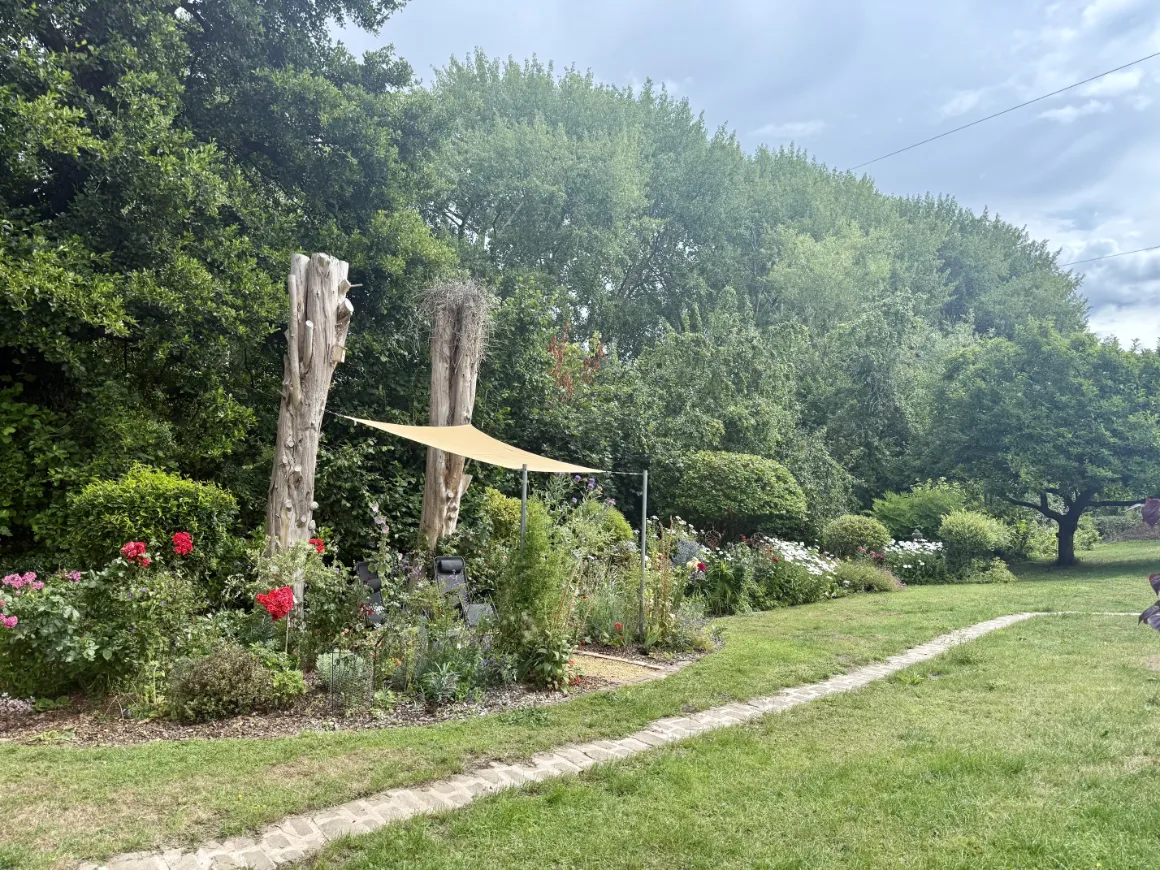
After the flooding Salts Lodge’s owner Sarah Watkins is now opening later, By Arrangement from June. Discover beautiful herbaceous borders, fruit trees, spring flowers and take a stroll on a woodland walk bordered by wonderful views of the now receded River Monnow.
-
- The Nelson Garden
-
- Cornwall House, pre flood
-
- Cornwall House, under water
-
- North Parade House
-
- Salts Lodge
-
- Salts Lodge
-

- Salts Lodge flood

Tenby Gardens
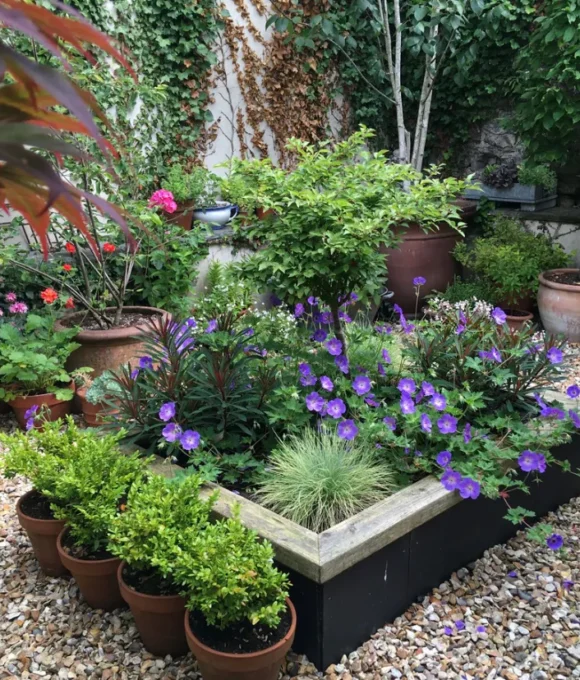
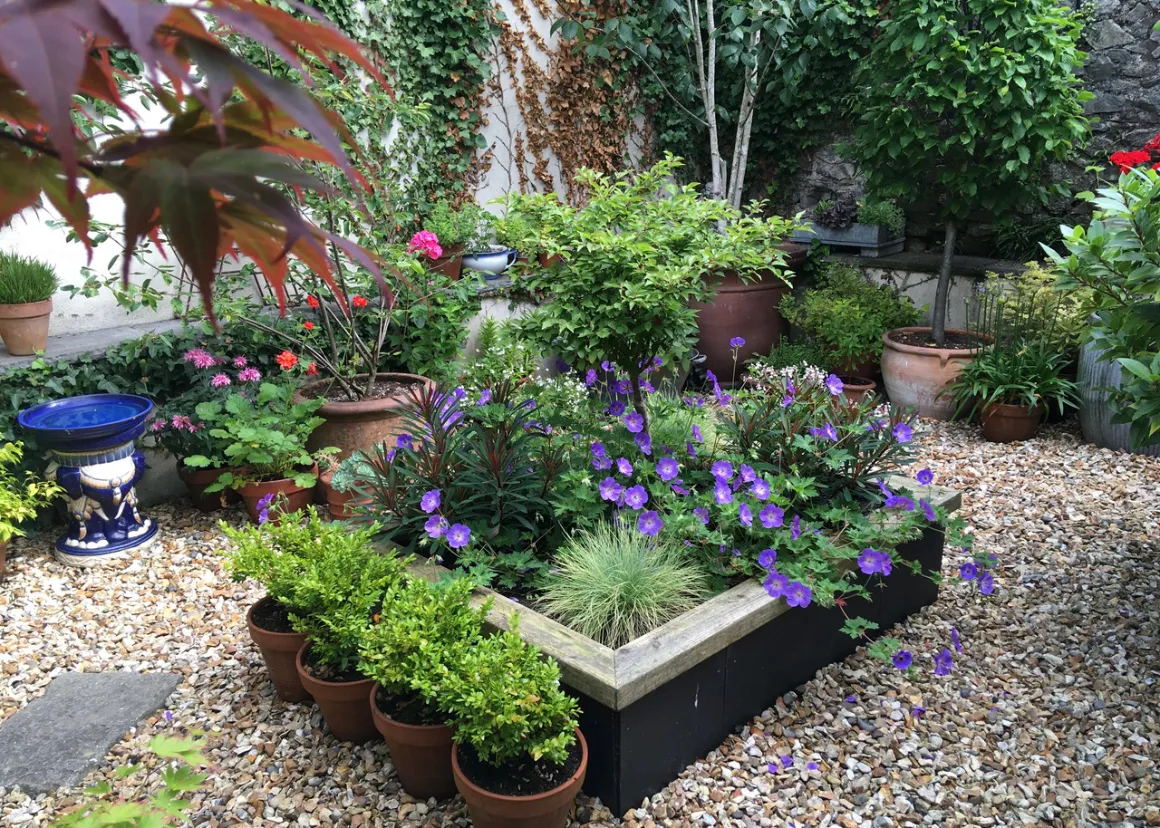
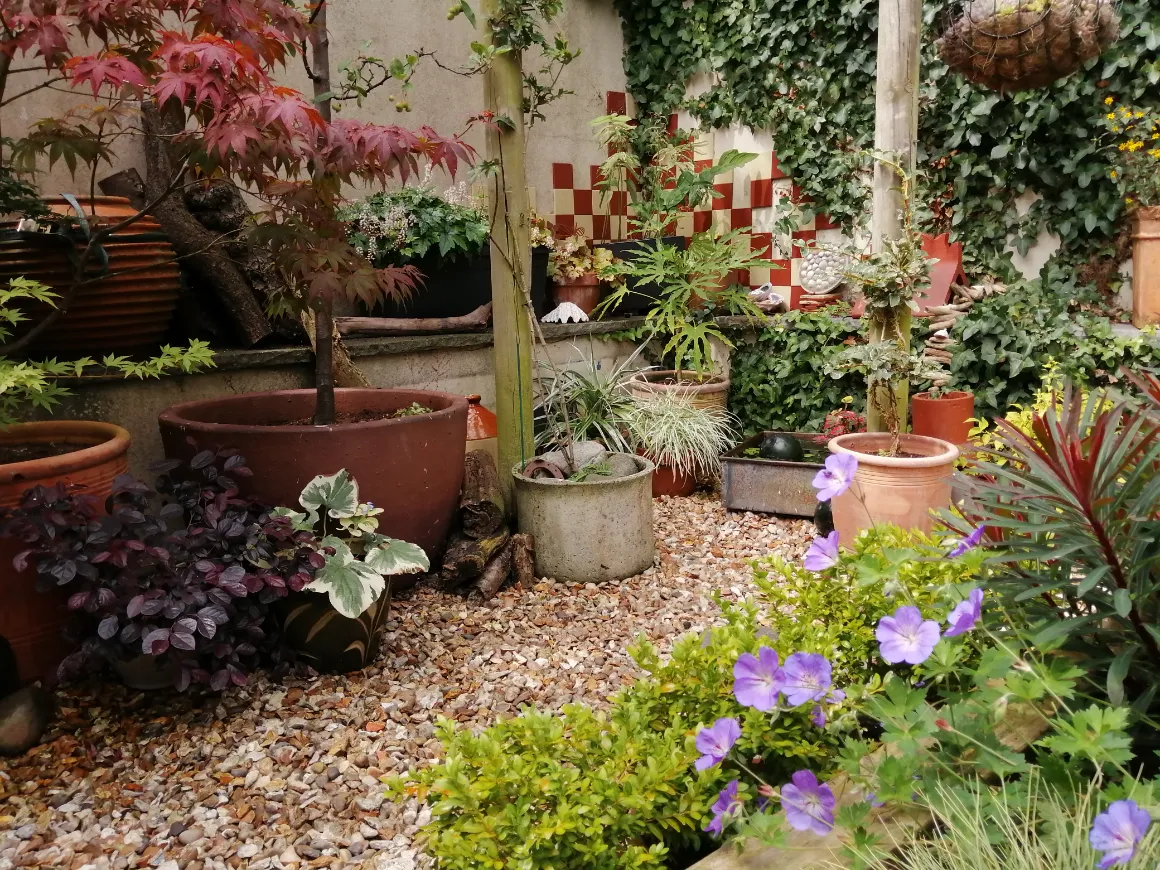
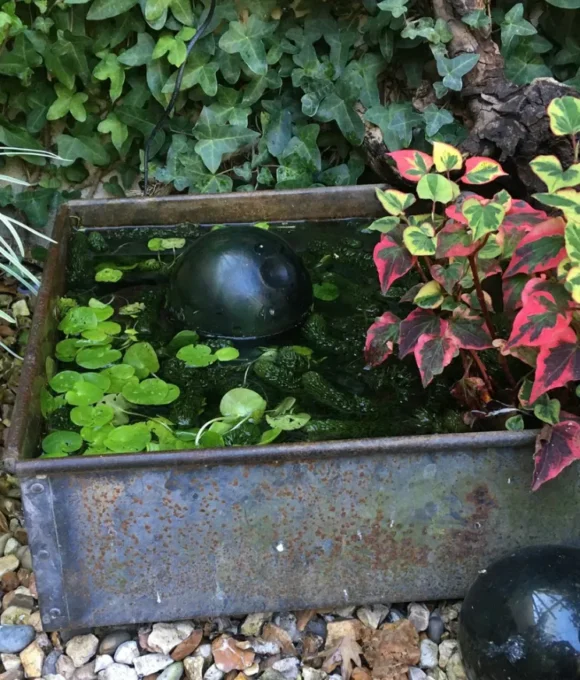
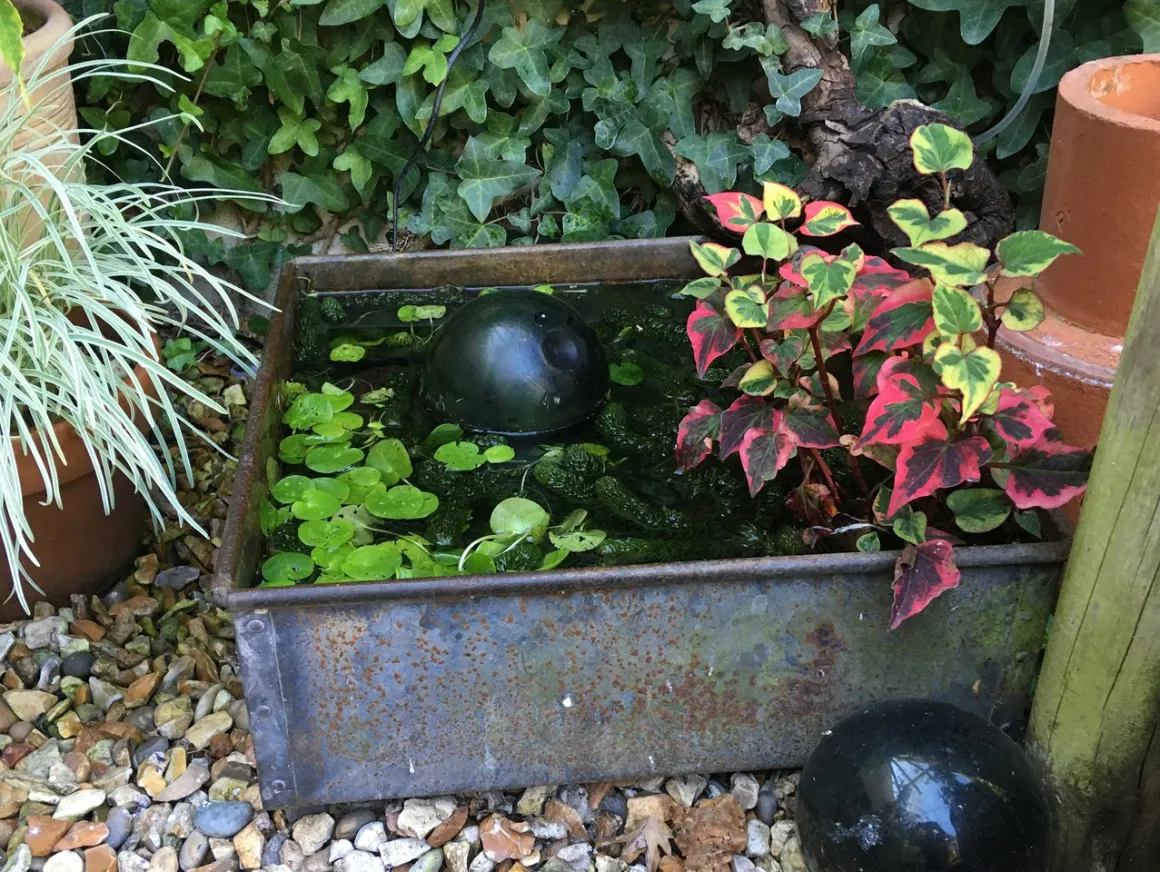
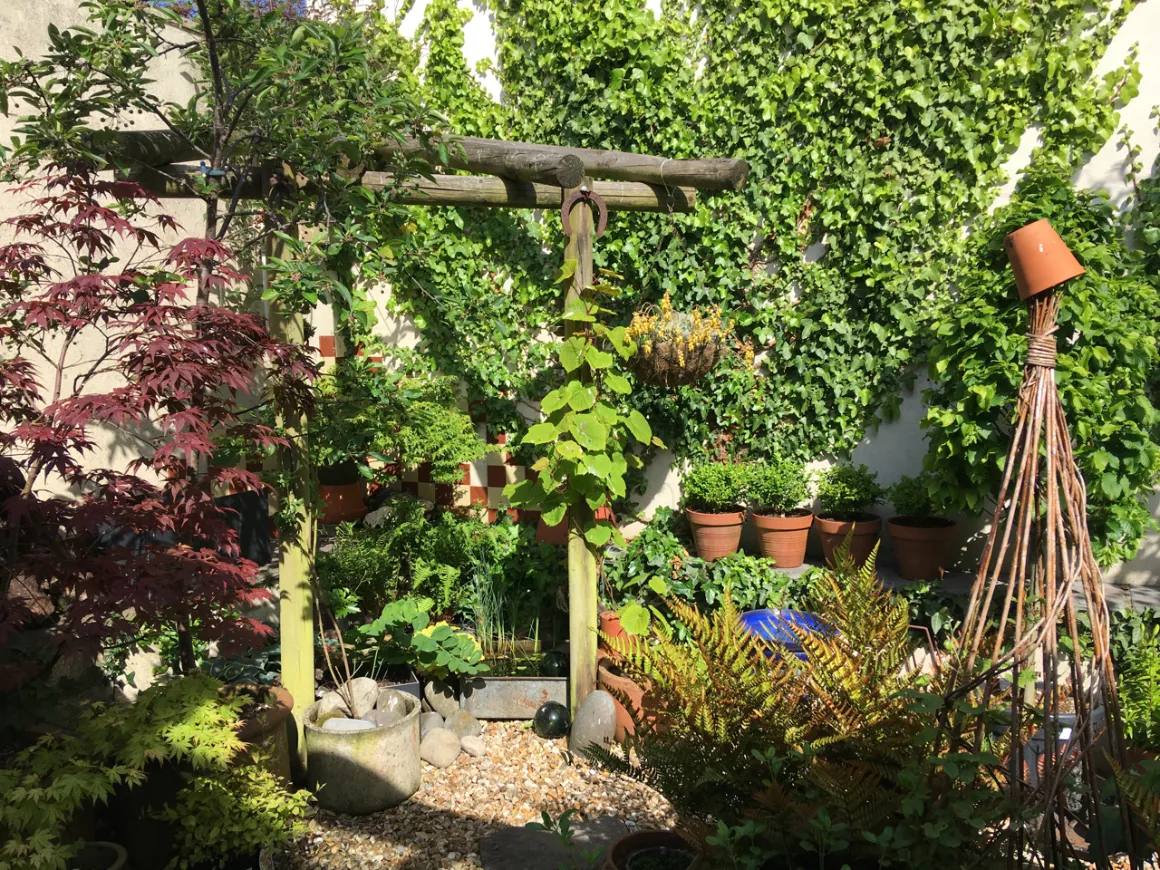
Tenby Gardens is a group of 6 town gardens to explore in the popular coastal resort. The Coach House is a colourful urban courtyard garden whose high sheltering walls and warm location enable palm trees, agaves and aeoniums to grow. Rocky Park is a small stone walled garden with raised beds and containers planted with a particular love of alliums, olive trees and agapanthus. Zion House a walled cottage garden is set on different levels with shrubs roses and annuals. In Trafalgar Road No 6 is a tiny walled garden filled to the brim with plants providing a quiet haven for birds and owner alike with botanical- themed craftwork for sale whilst No 21 is an unexpected jungle oasis of green for wildlife. Finish your Tenby tour at 11 St Davids Close, a young garden on the edge of town with colour themed borders.
-
- 6 Trafalgar Road, Tenby
-
- 6 Trafalgar Road, Tenby
-
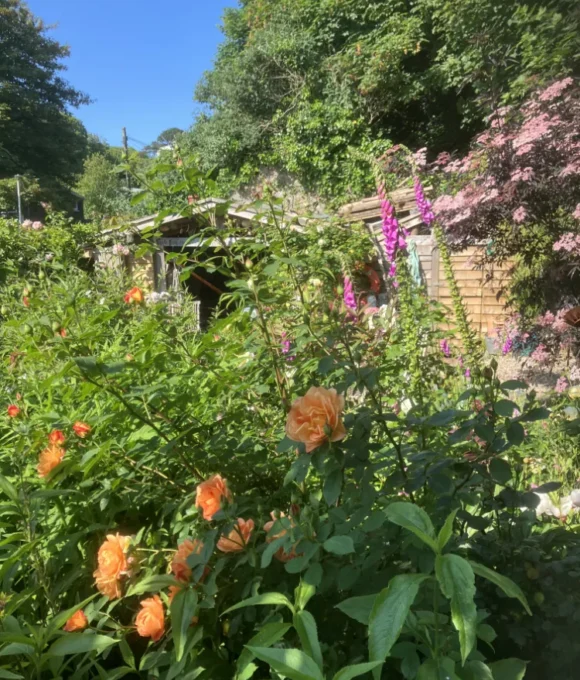
- Zion House, Tenby
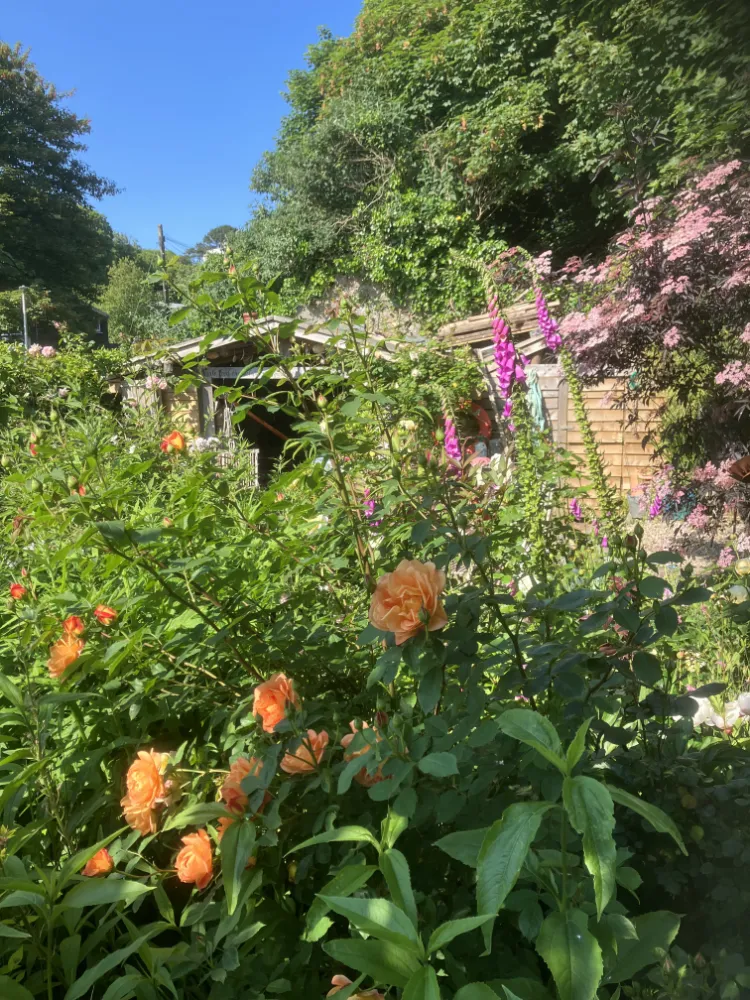
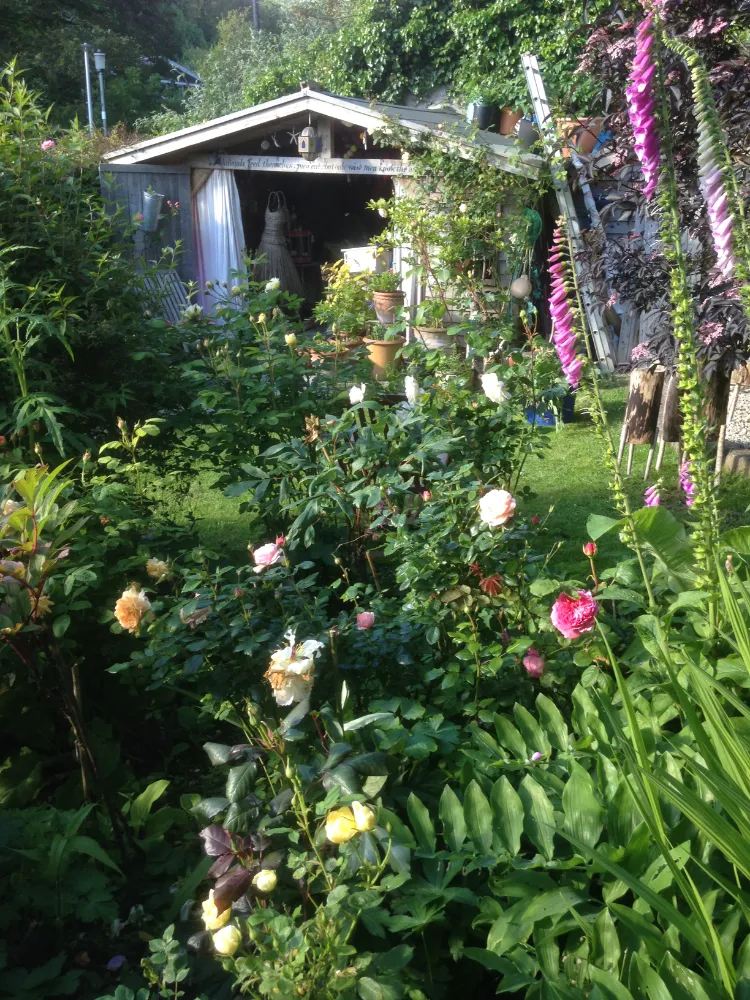
Upper Bwlch Farm
Upper Bwlch Farm in Rhayader Powys is owned by Ruth and Ian Rees who said:
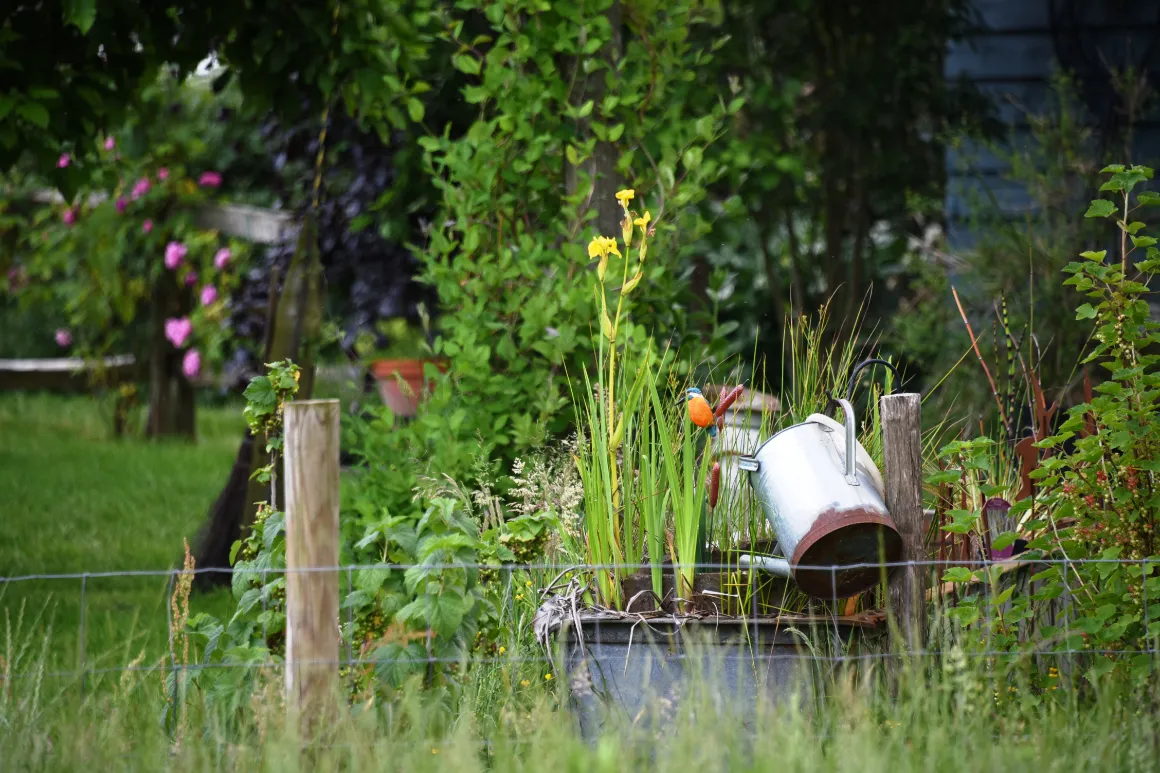
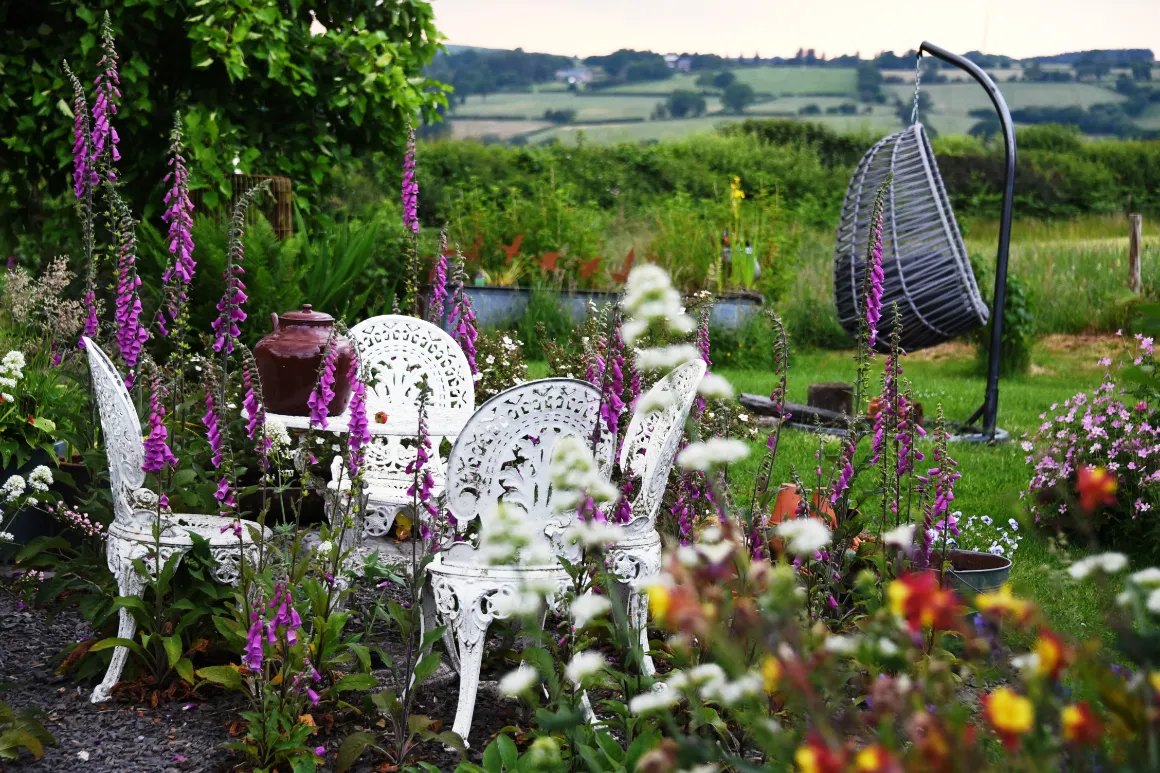
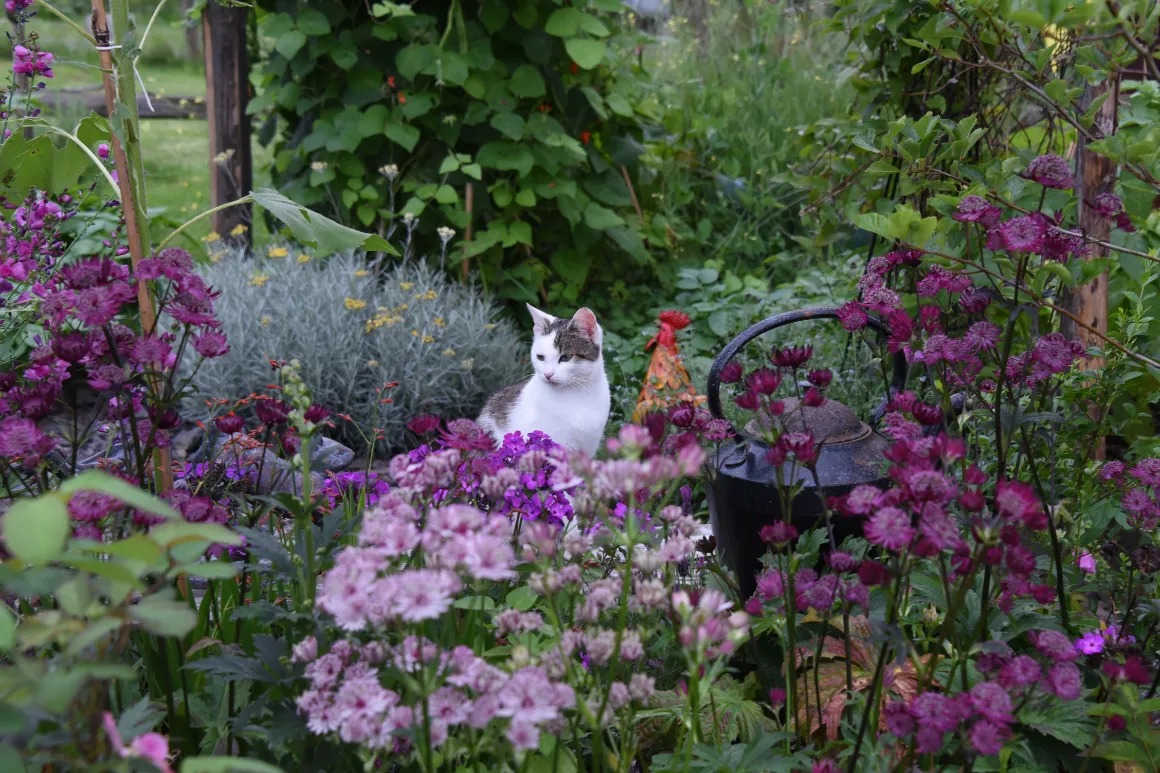
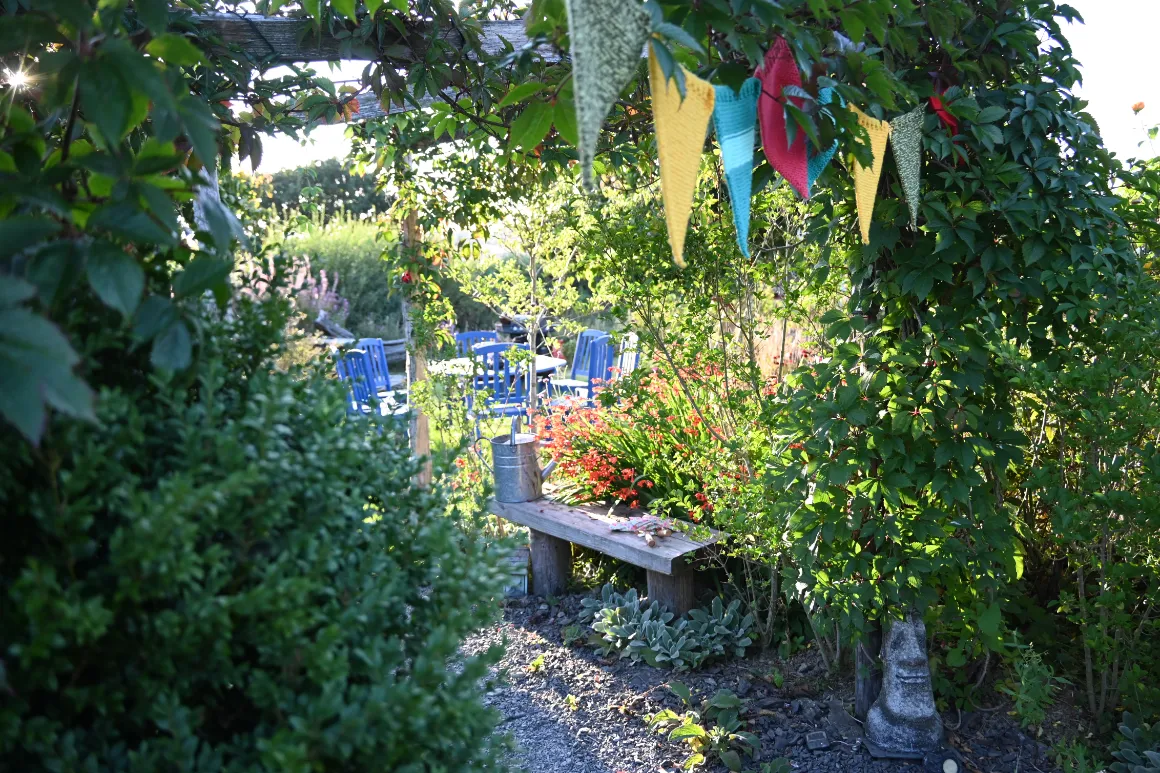
“Our small cottage garden on a working farm, has been created and featured on BBC Garden Rescue. The first filming that took place was the “Pitch” with designs proposed by Charlie Dimmock and The Rich brothers, both incredible designs and genuinely a hard decision to make, we chose Charlie’s design to fit in with the “Beatrix Potter” rural cottage garden we would love to achieve. The garden building team returned and over two days created the garden from an open field into our amazing garden, whilst we were hidden away. The great “Reveal” was exciting and we were amazed at the cottage garden they had produced from a grass field. They were a wonderful team and as Charlie bid farewell, she said “Make the garden your own” and this is what we have achieved. It was a wonderful experience, from which we now have a cottage garden to enjoy and share with visitors.”
Find more NGS Welsh Gardens to explore in 2026: ngs.org.uk/new-and-returning-welsh-gardens-to-explore-in-2026/
NGS Open Gardens
Welsh Country has two NGS open garden sections. The first ‘Open Gardens’ are gardens that are open on specific days and the ‘Long Term Open Gardens’ which are by appointment only. There is a search facility on each page so simply search for a garden name or an area of Wales (i.e. Swansea) you’d like to visit.
Words: Rob Dyer
Pictures: National Garden Scheme & Annette Dyer
National Garden Scheme: Frances Bowyer