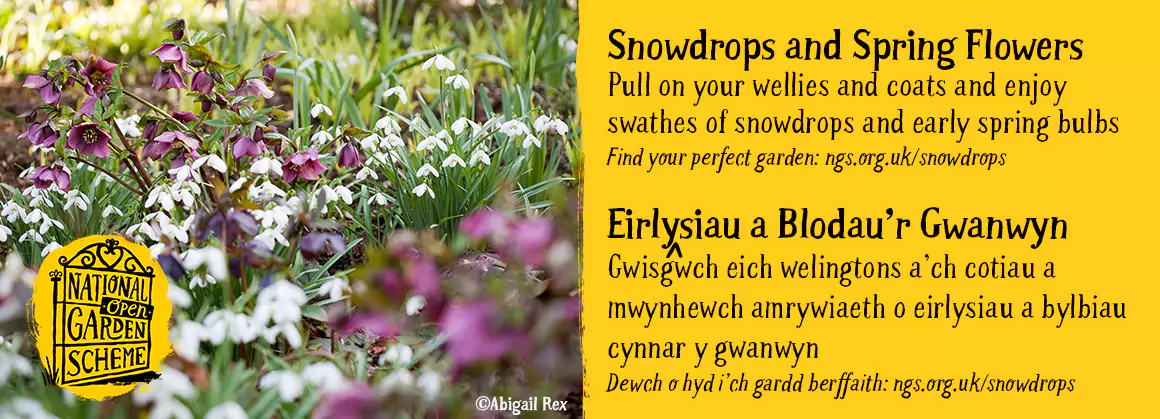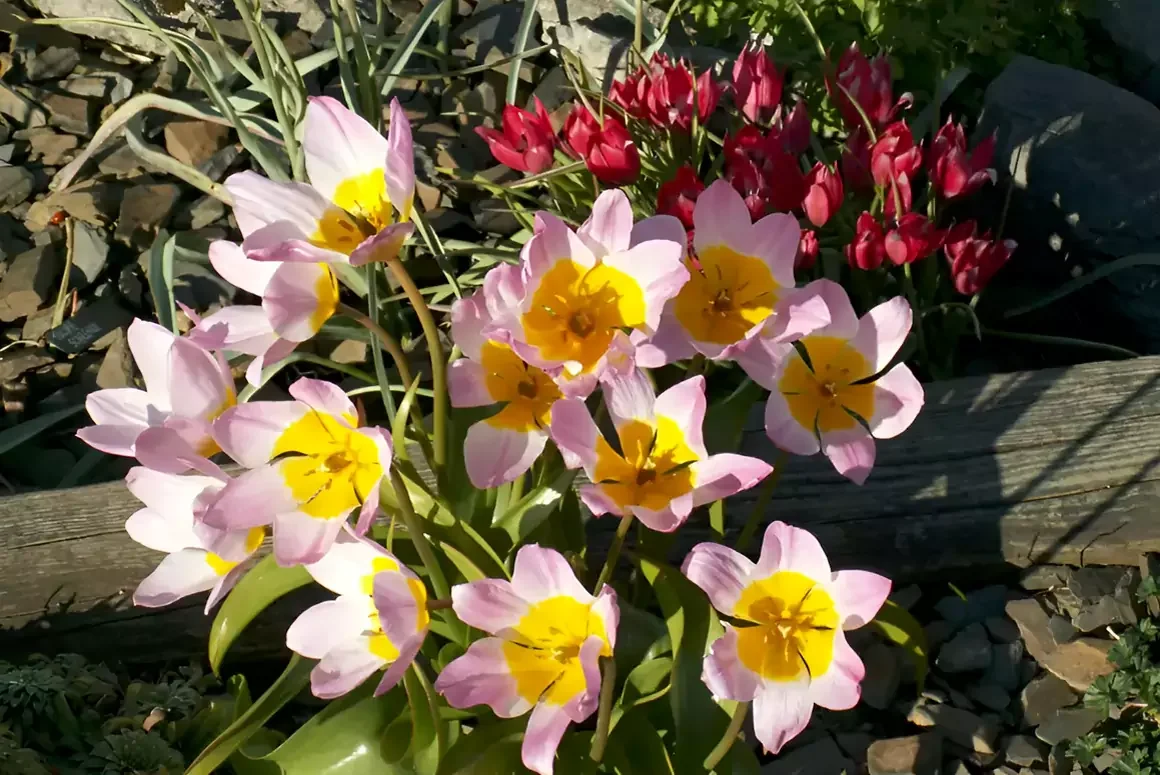
Although at the time of writing we are still in the grip of winter many plants appear confused by our mix of weather and have half-heartedly thrown precocious blooms. Hellebores are flowering well after their annual ‘leaf cut’ and the bulbous snouts of snowdrops, crocus, fritillaries and narcissus emerging.
I have loved tulips for many years but residing on the windblown Gower coastline has restricted my longing to those, which like myself are ’short and sturdy’. Any attempt to grow the tall statuesque varieties, that I so admire in more sheltered gardens has met with failure. However, I have enjoyed continuous rewards with the smaller varieties and species. I first saw Tulipa saxatilis which originates from Greece, Turkey and islands of the Aegean Sea in the foothills of the White Mountains of Crete. It grew happily in a boulder strewn field (saxatilis means growing in stones) despite frequent picking by locals for sale in nearby markets. The short lilac pink flowers with bright yellow centres stood out against the brown montane soils. It is equally outstanding in my garden flowering early in the year. I grow ‘Lilac Wonder’ the most available selection which has been reliably perennial, spreading and increasing by stolons.
Feature image: Tulipa saxatilis
-
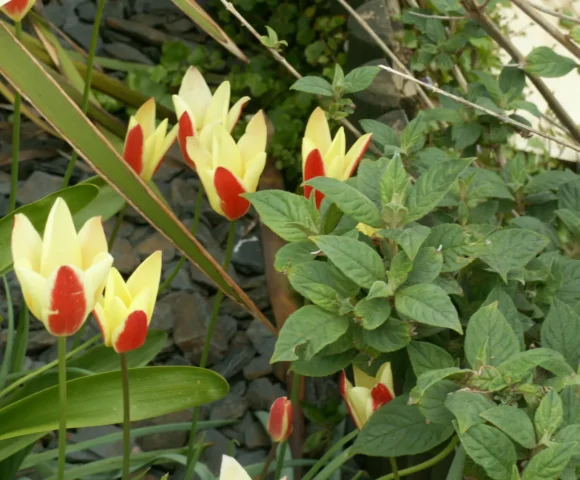
- Tulipa clusiana 'Cynthia'
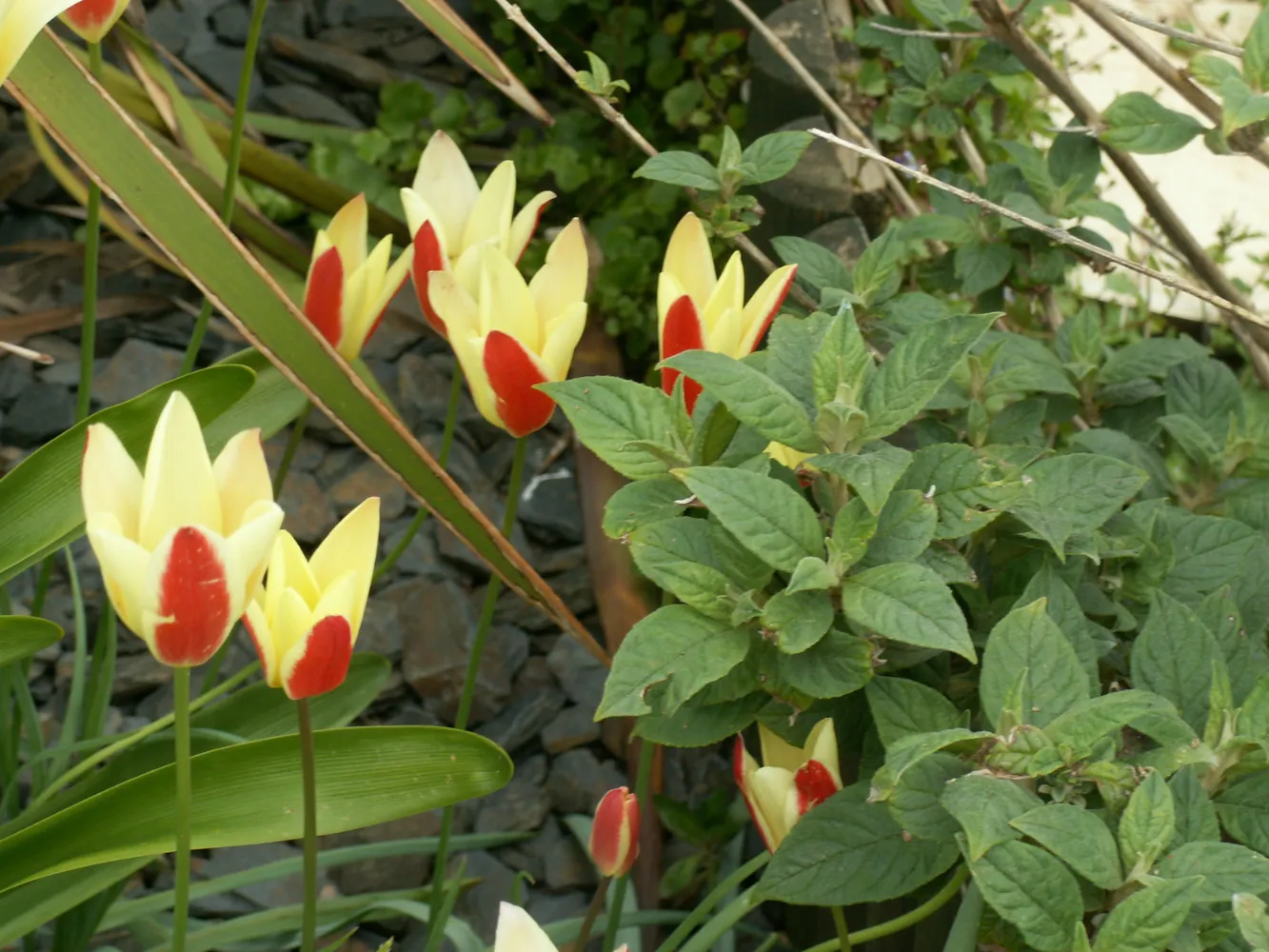
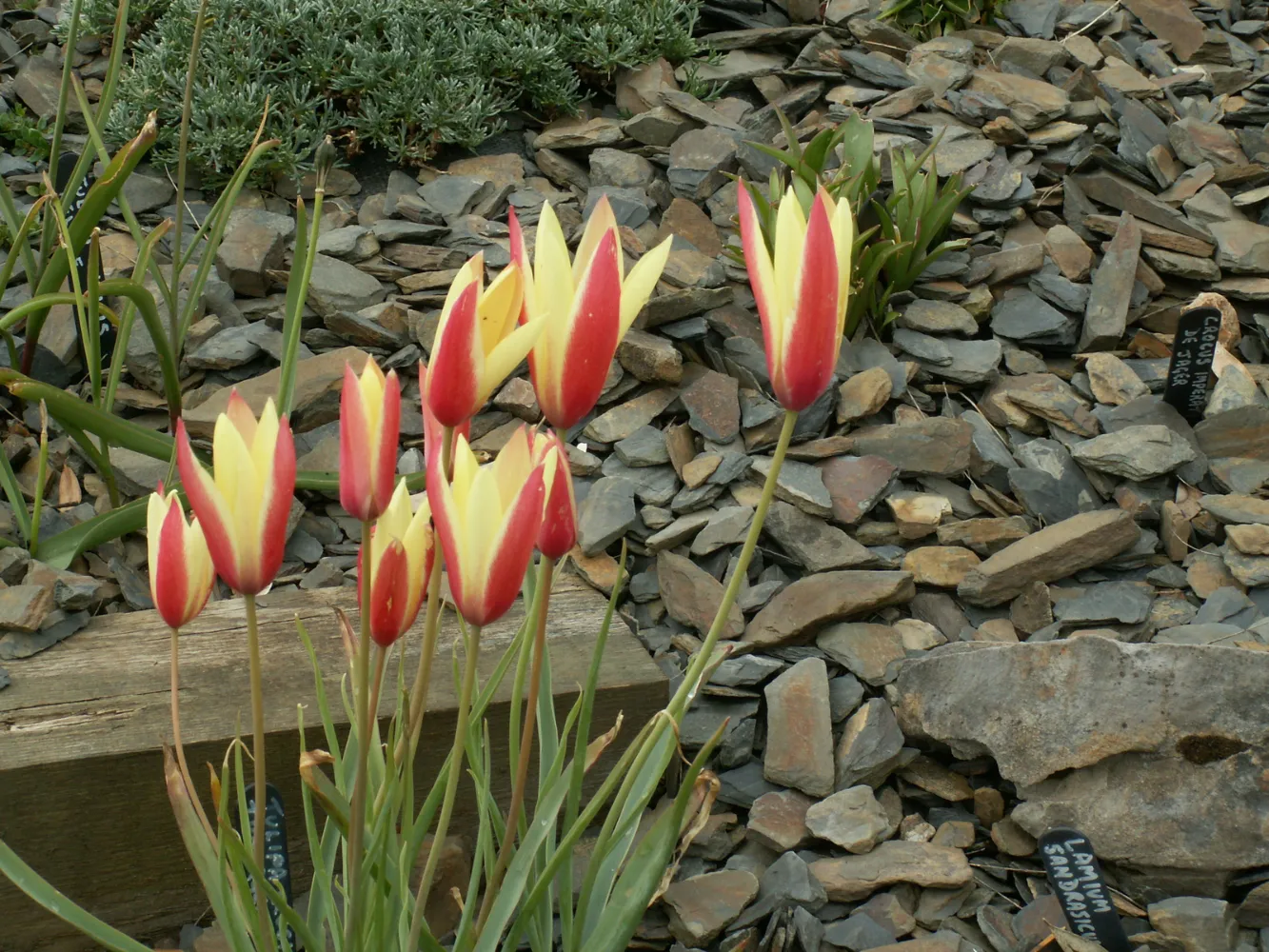
Tulipa clusiana is an Asian species found from Afghanistan to the western Himalayas of India. Its name recalls a flemish doctor Carolus Clusius who is reputed to have introduced tulips to Holland. Longer in stem length it still seldom exceeds 12 inches in height and has proved very resilient in our windswept situation. The plant is very variable in the wild with petals distinguished by white or yellow backgrounds and pink stripes on the outside. A number of forms have been bred or selected but my own favourite is Tulipa clusiana ’Cynthia’ which has formed small floriferous clumps, again by stolons.
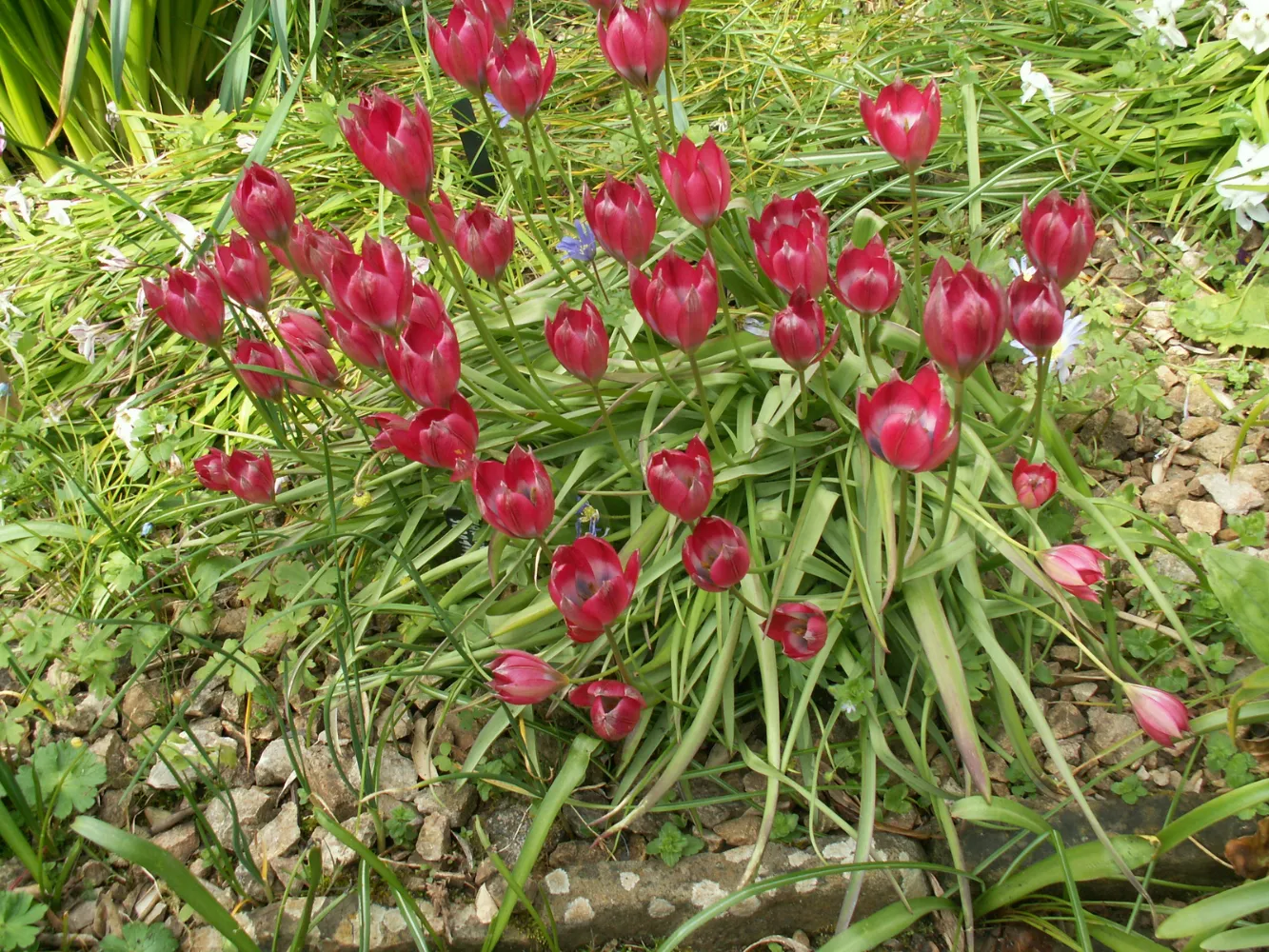
Whilst I have a penchant for species tulips, I also grow some of the so-called miscellaneous hybrids, which can give displays every bit as good. Tulipa ‘Little Beauty’ is of unknown parentage but gives a striking display, with crimson pink flowers that open to disclose vivid blue centres. It is supposed to be fragrant but I confess I have never found it so.
All the above tulips are easily grown with a sunny aspect, good drainage and an annual sprinkling of bonemeal.
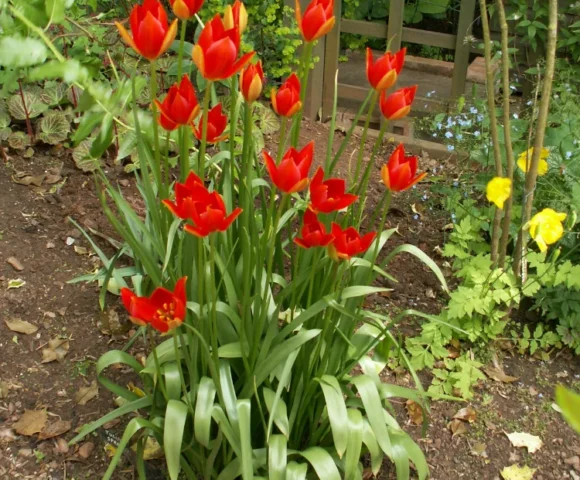
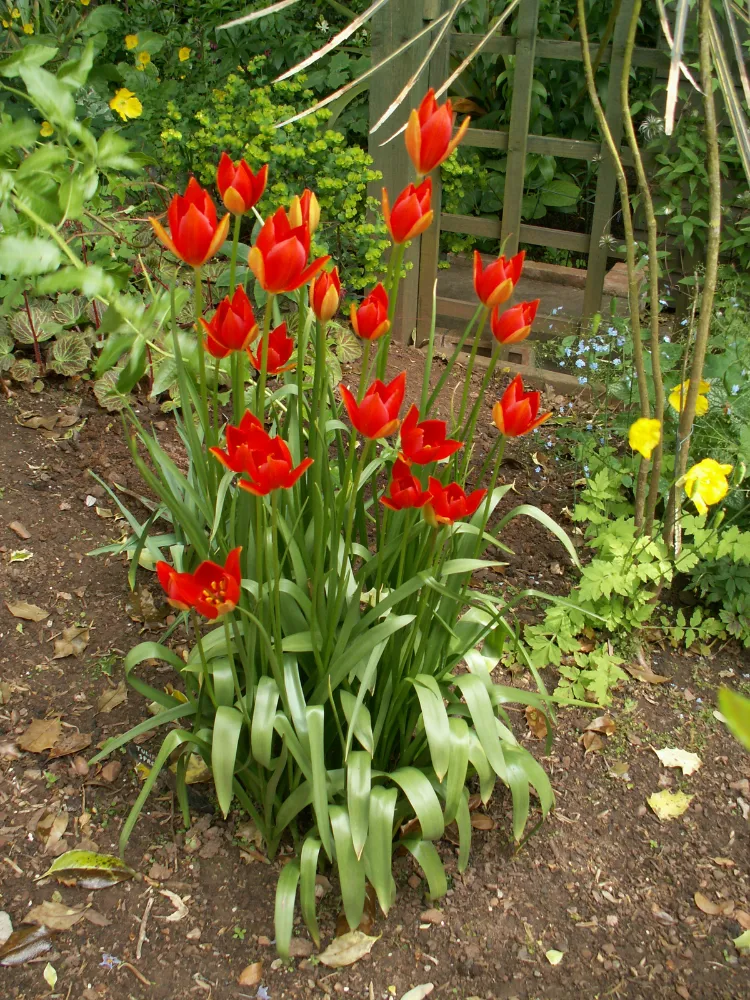
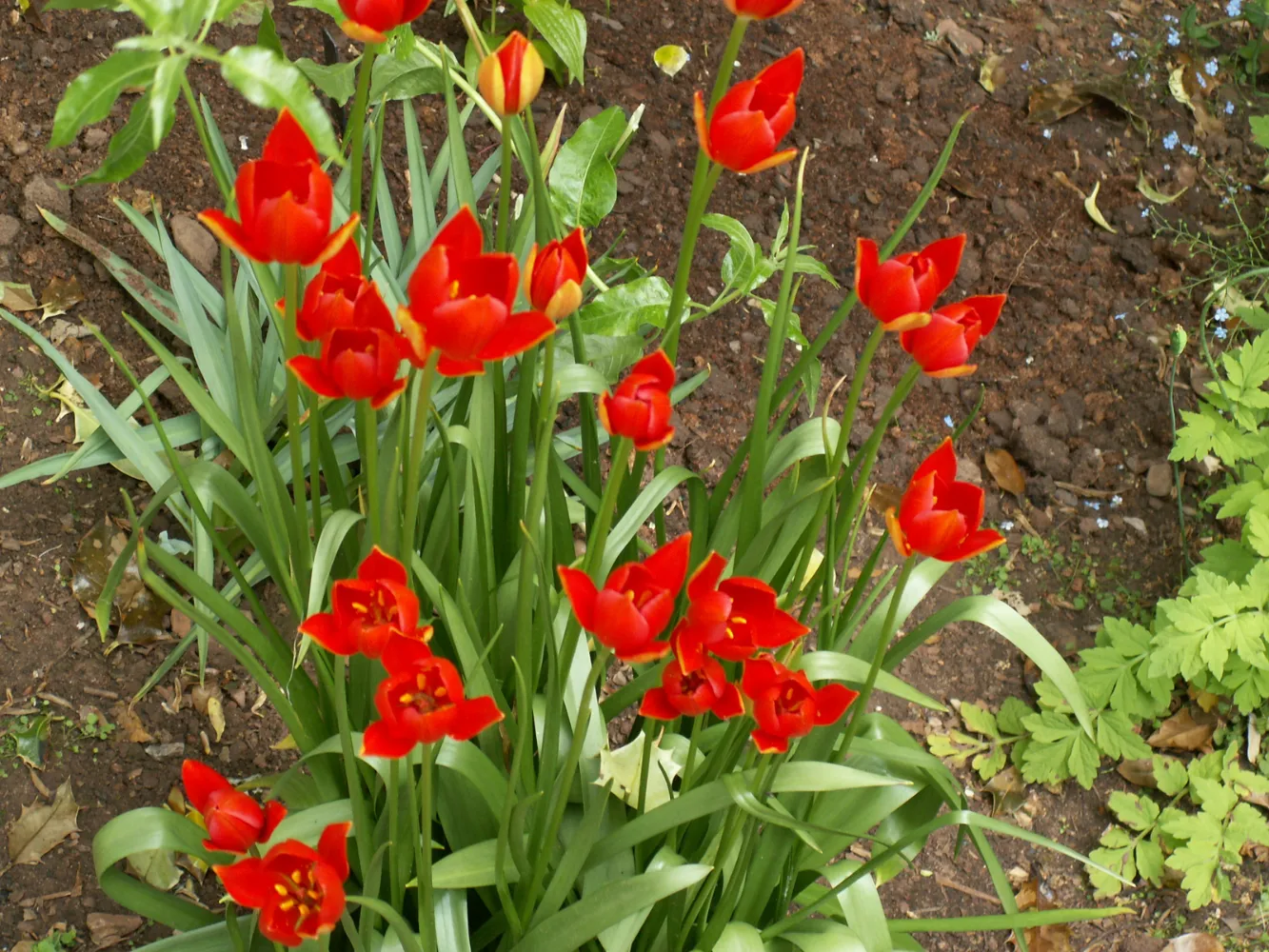
Some years ago whilst visiting the Copenhagen Botanical Gardens, I noticed a striking red tulip growing in their large rockery and randomly elsewhere. Discovering that it was Tulipa sprengeri I came home with a packet of seeds and after several years established a flowering clump in a shady corner but have also been delighted to find isolated seedlings popping up in unexpected places. Discovered in the Pontic Mountains of Turkey in 1894, this blooms late in May and early June. The slim orange red flowers have yellowly brown backs and plants are about 15 inches tall. Easy from seed, but since the bulbs pull themselves deeply into the ground and are slow to flower, they are expensive to buy as bulbs. They will have to be sought from specialist nurseries but are worth every effort.
-
- Tulipa sprengeri
As March begins in the 99th year of the National Garden Scheme more gardens are open to explore, all while supporting nursing and health charities.
Aberclwyd Manor
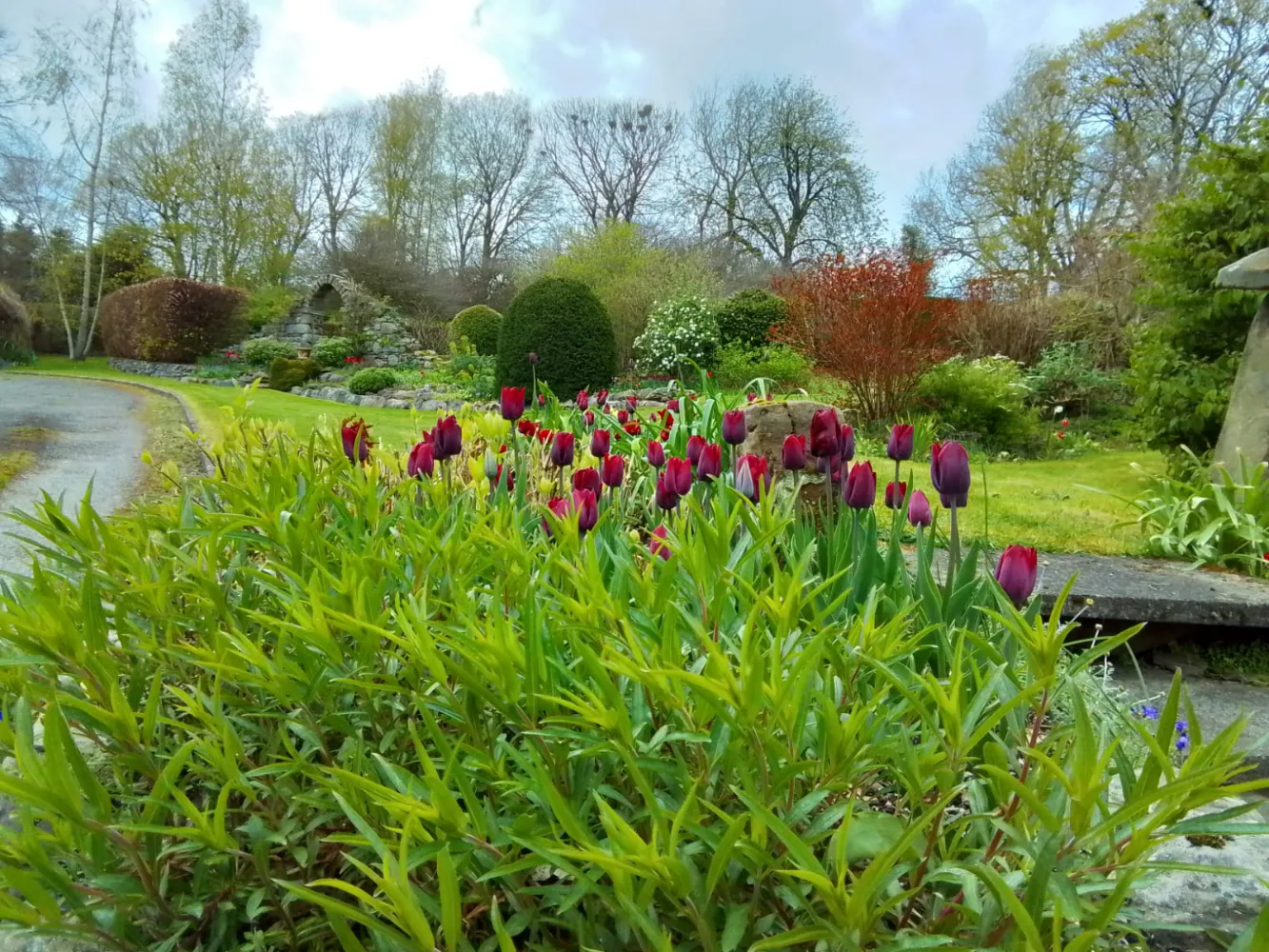
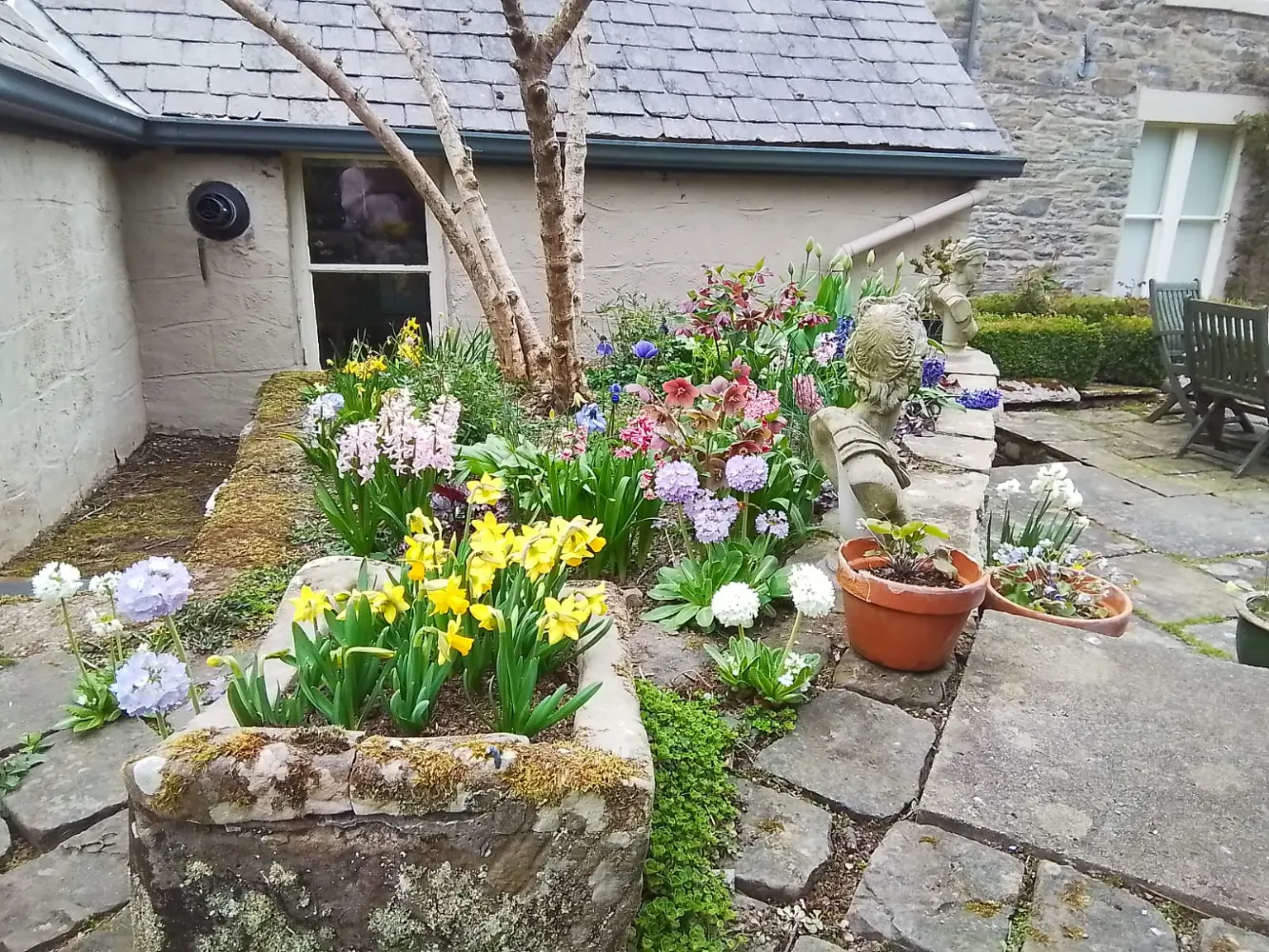
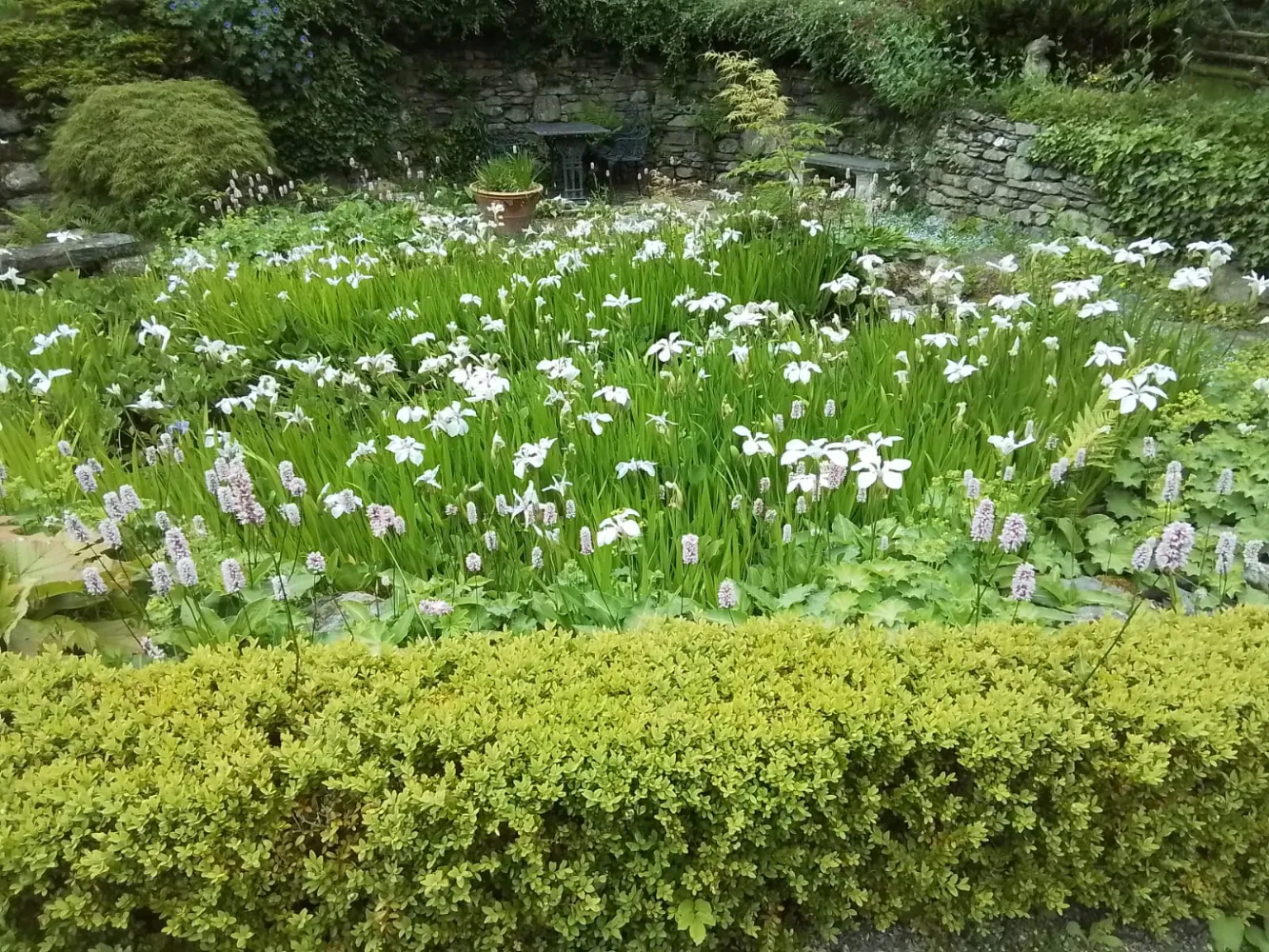
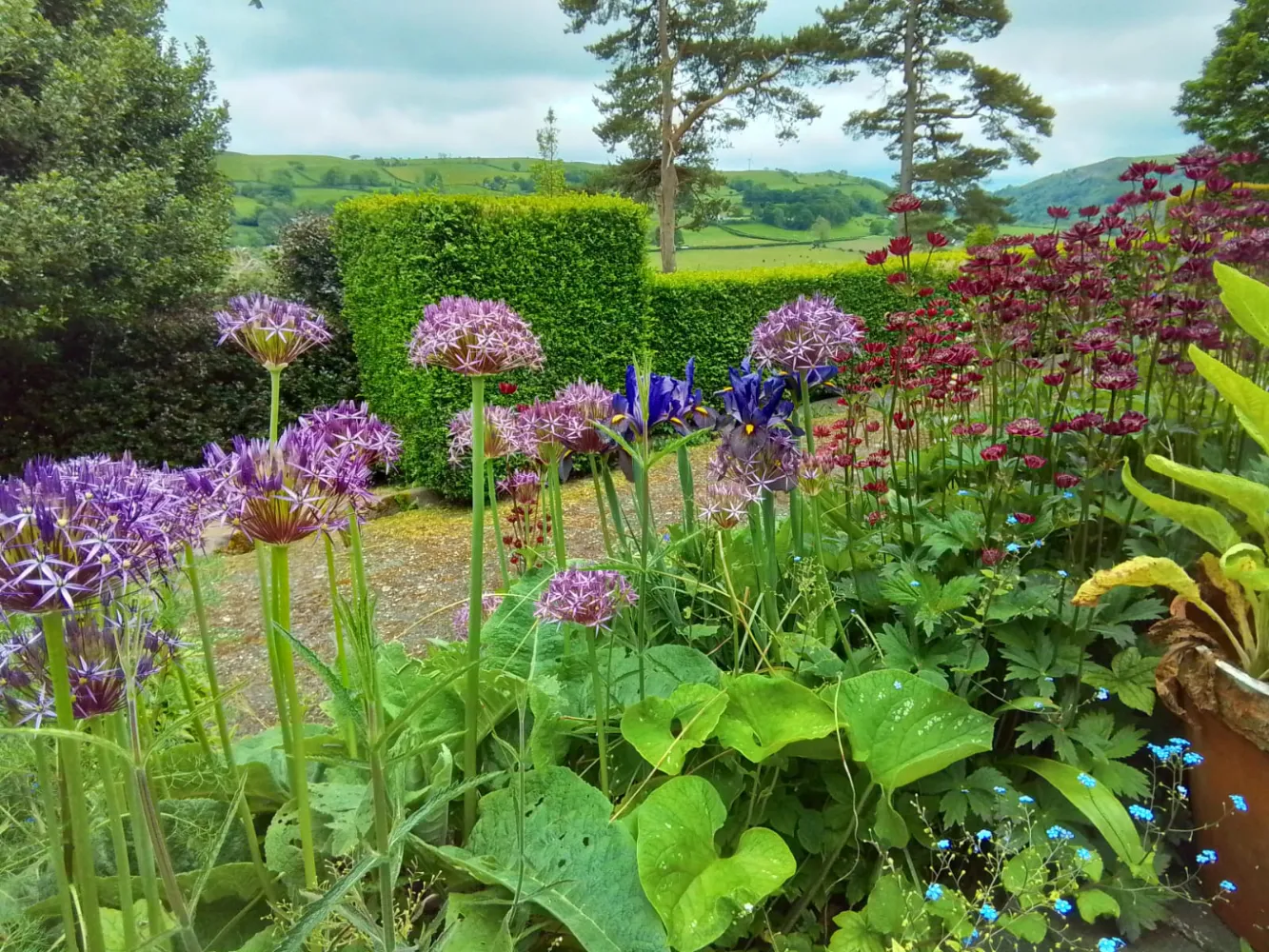
Aberclwyd Manor by Derwen in Denbighshire is Mr and Mrs Sparvoli’s 4 acre garden on a sloping hillside overlooking the Clwyd valley. The Italian garden fronts the house in this garden with mature trees. Features include an orchard of heritage fruit trees, a hornbeam avenue and kitchen garden. There is also a wildflower meadow, ponds and charming water features. The abundant spring flowers are a must visit in March and April with a wonderful display of daffodils and tulips succeeding the February snowdrops. Also this garden continues to open until September with its mass of autumn cyclamen. So why not return for a repeat visit.

333 Barry Road
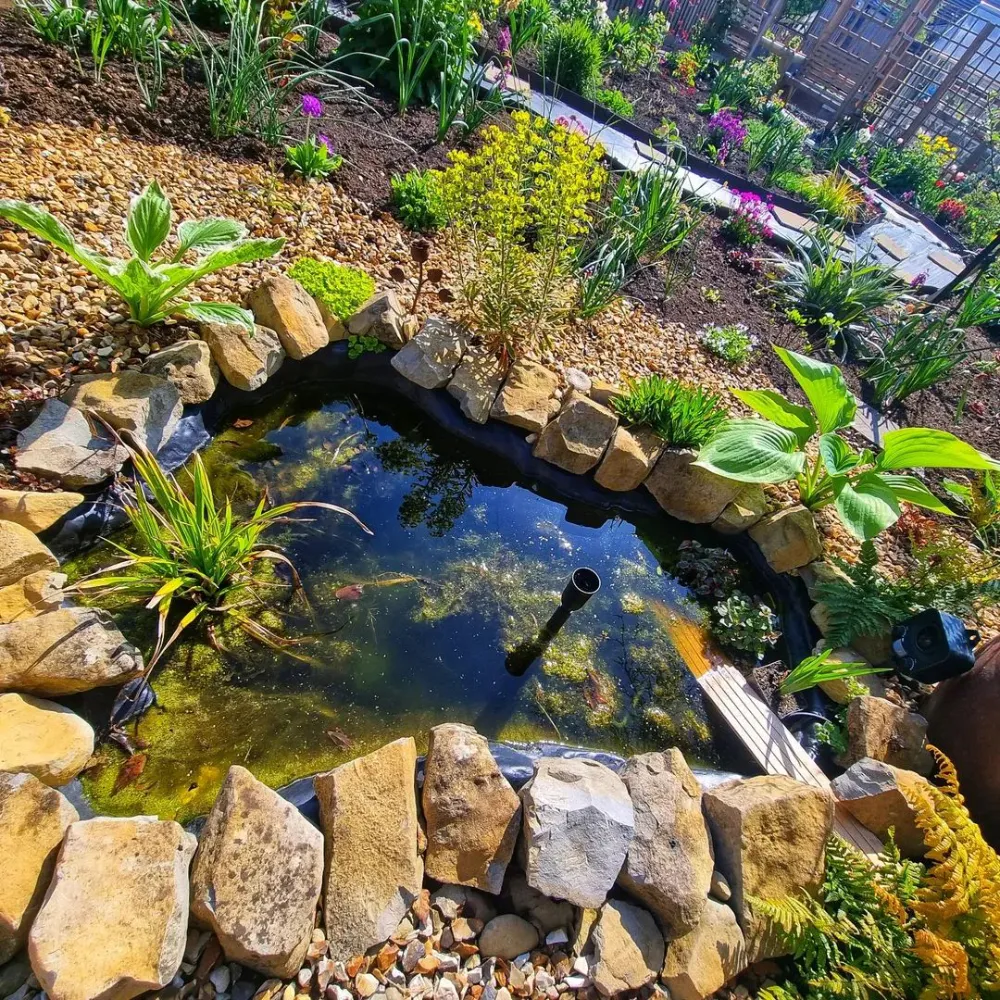
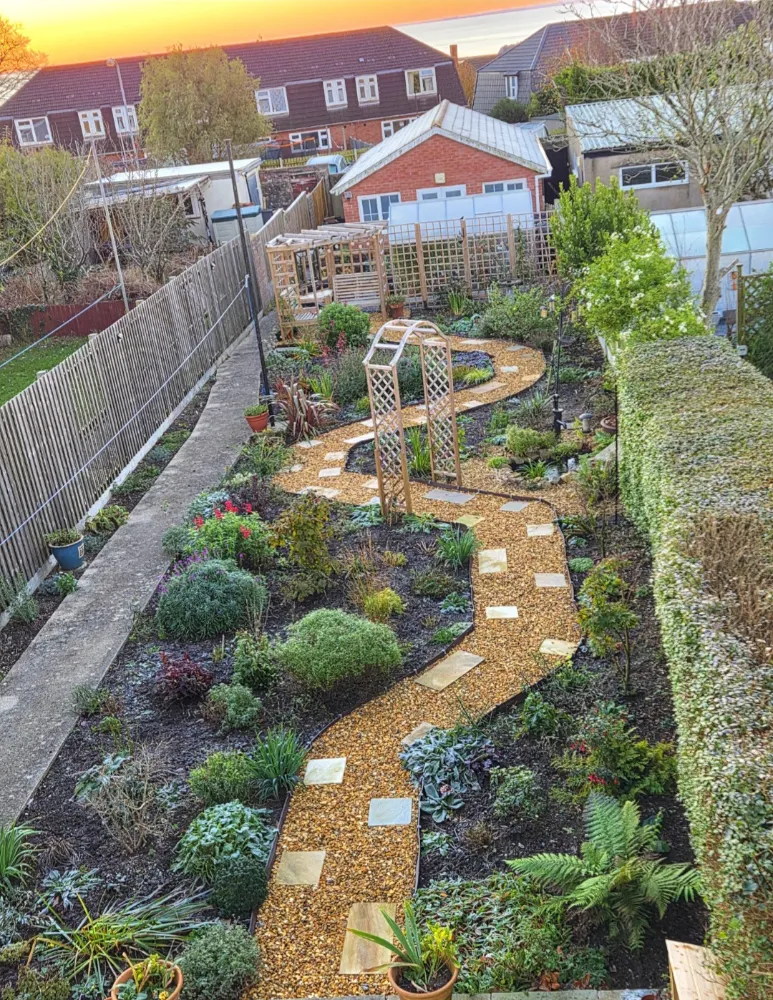
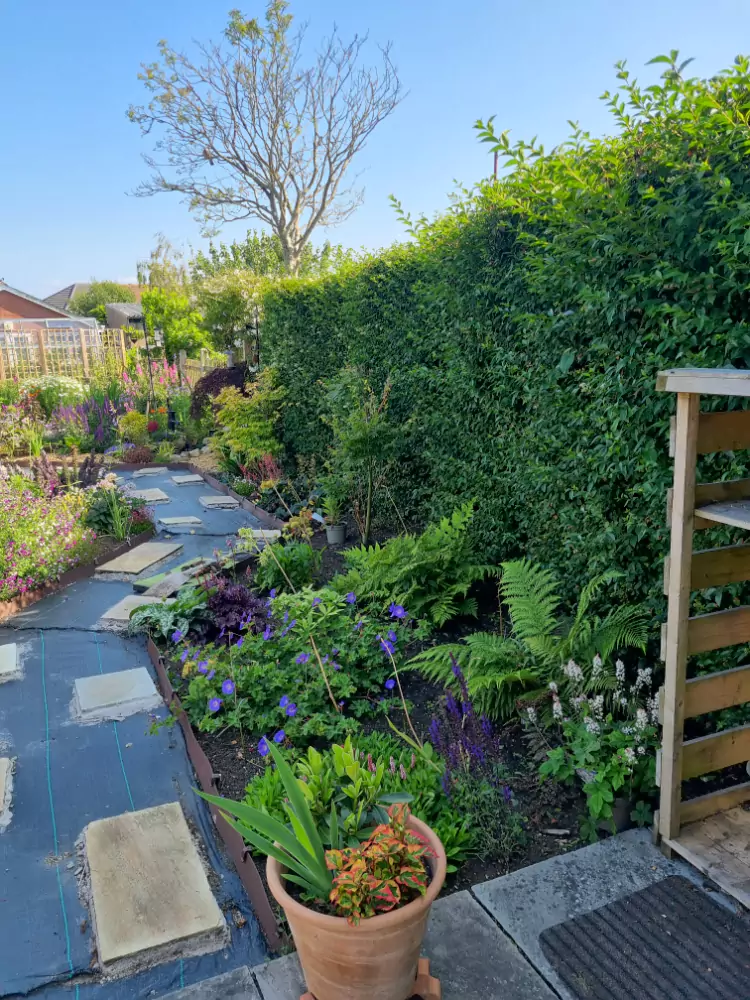
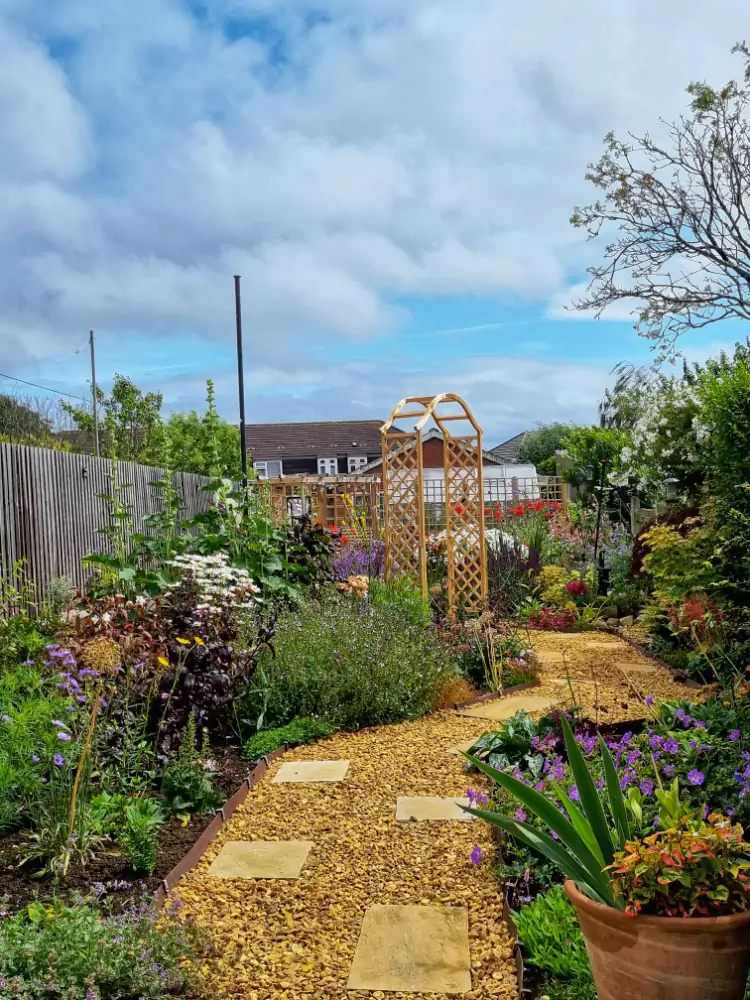
Moving south to 333 Barry Road in Glamorgan is the opportunity to visit Jo Tanner’s newly designed and planted cottage garden, only started in 2024.
Jo says:
“From a garden that was entirely turf, this blank canvas has been transformed in a short space of time. Follow a winding path that leads you past borders filled with spring bulbs, perennials, roses, shrubs and some small trees. A pond and bug hotels together with bee-friendly plants encourage wildlife to the garden. A flat, south-facing garden with a variety of spaces to sit and enjoy.
We are excited to see what 2026 will bring to our garden.”
Do you have a new garden or one that needs a revamp? Visit and share Jo’s journey and tips.

Oak Cottage
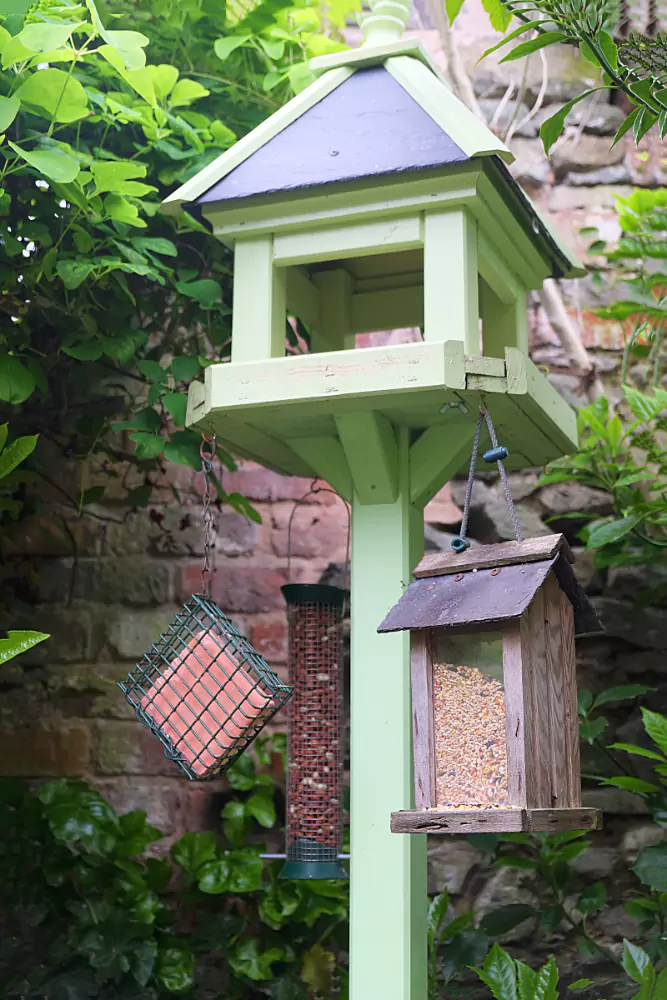
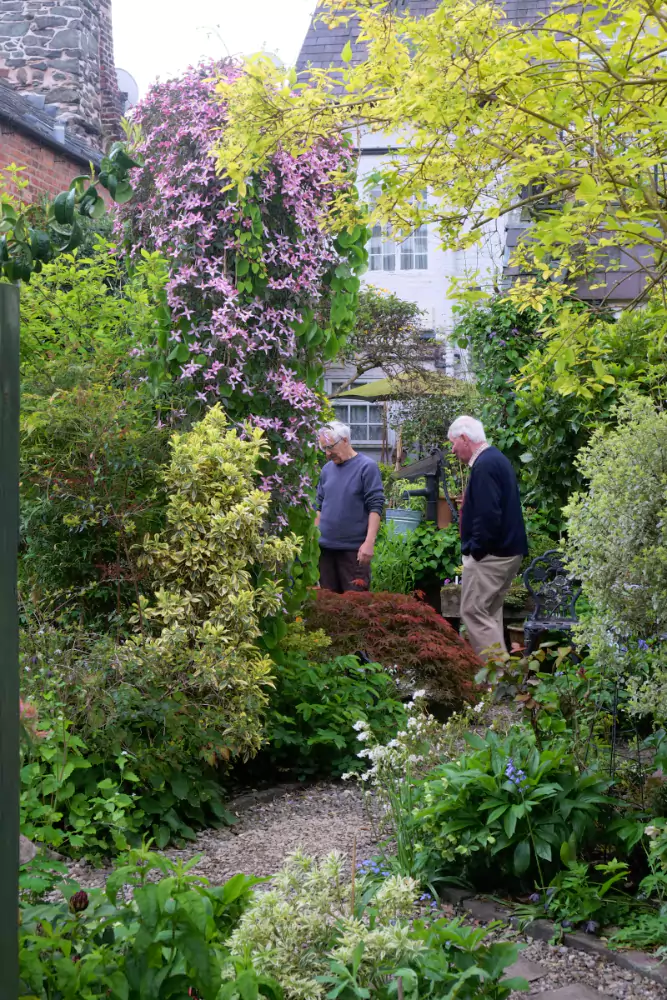
Oak Cottage in Welshpool is an intimate town garden that is being continually developed by Tony and Margaret Harvey.
Tony Harvey says:
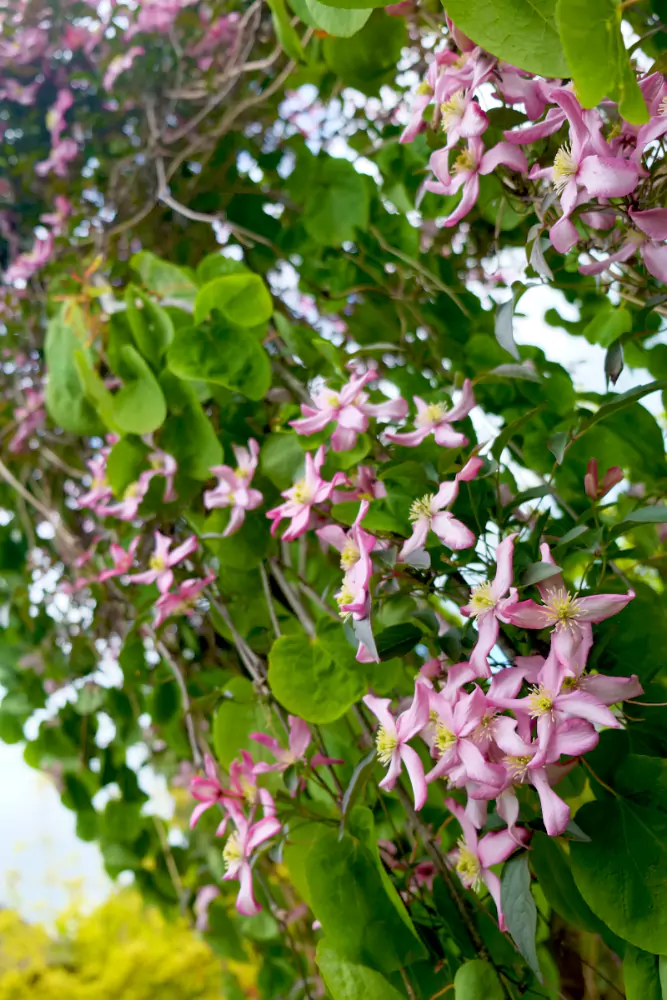
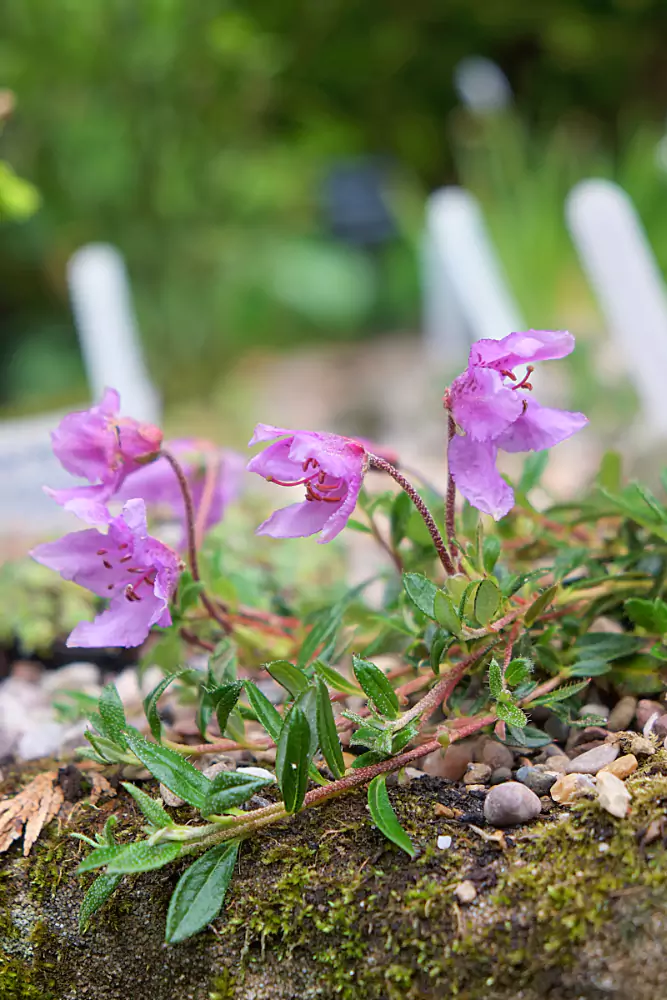
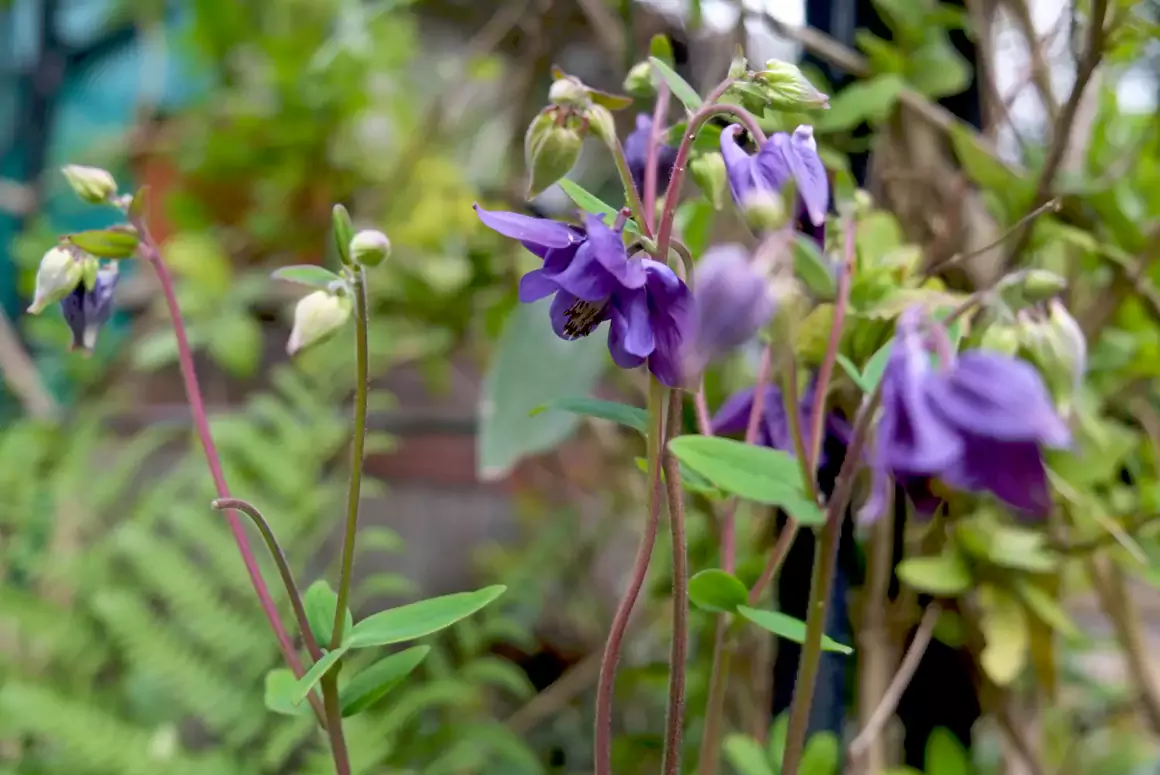
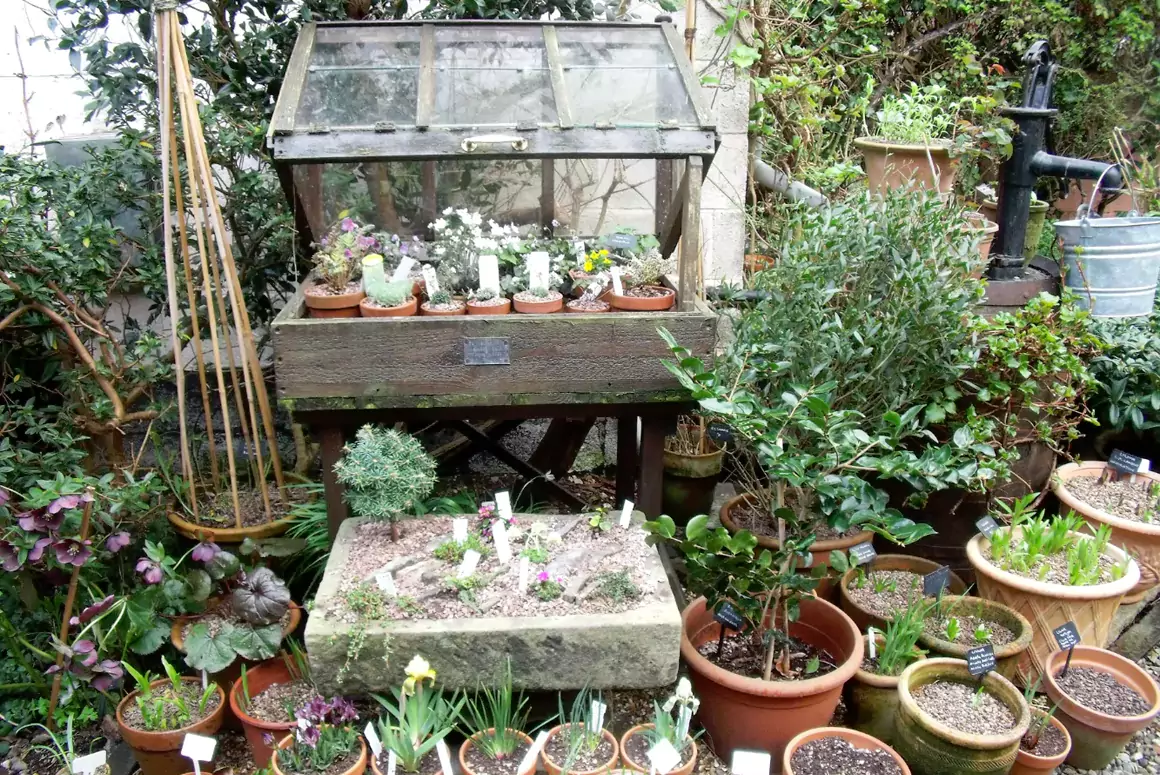
“It has been a great joy developing Oak Cottage Garden and even more pleasing when visitors comment “what an amazing use of space”, “loved the alpine house” and the most common of all “a hidden garden- an oasis of green in the town centre”. Planting is still somewhat eclectic ranging from alpines to carnivorous/insectivorous plants.”
Wander along the meandering paths and stepping stones through a wide variety of plants including unusual species that makes this garden feel larger than it is. Or simply sit and enjoy garden views
Treffgarne Hall
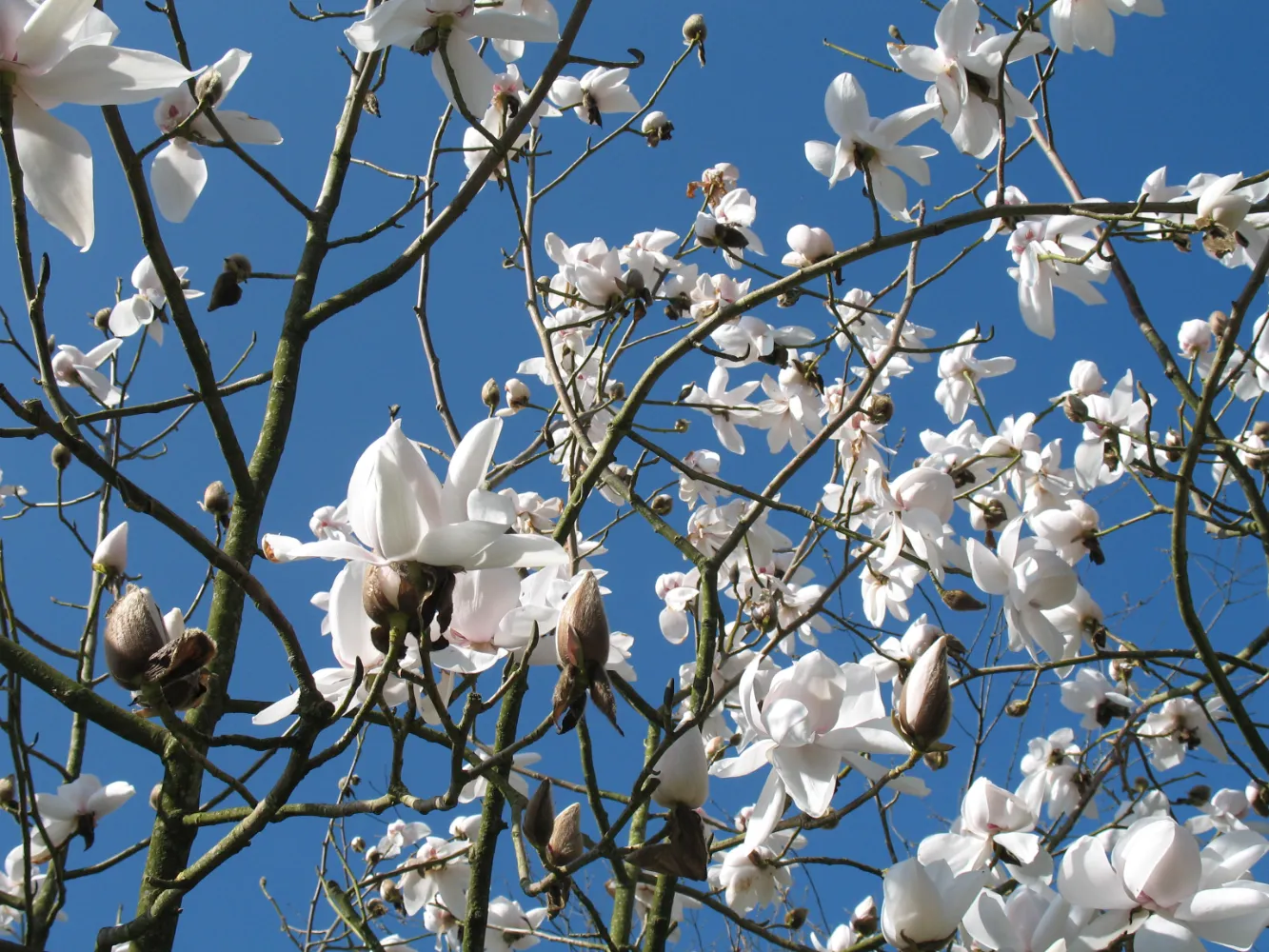
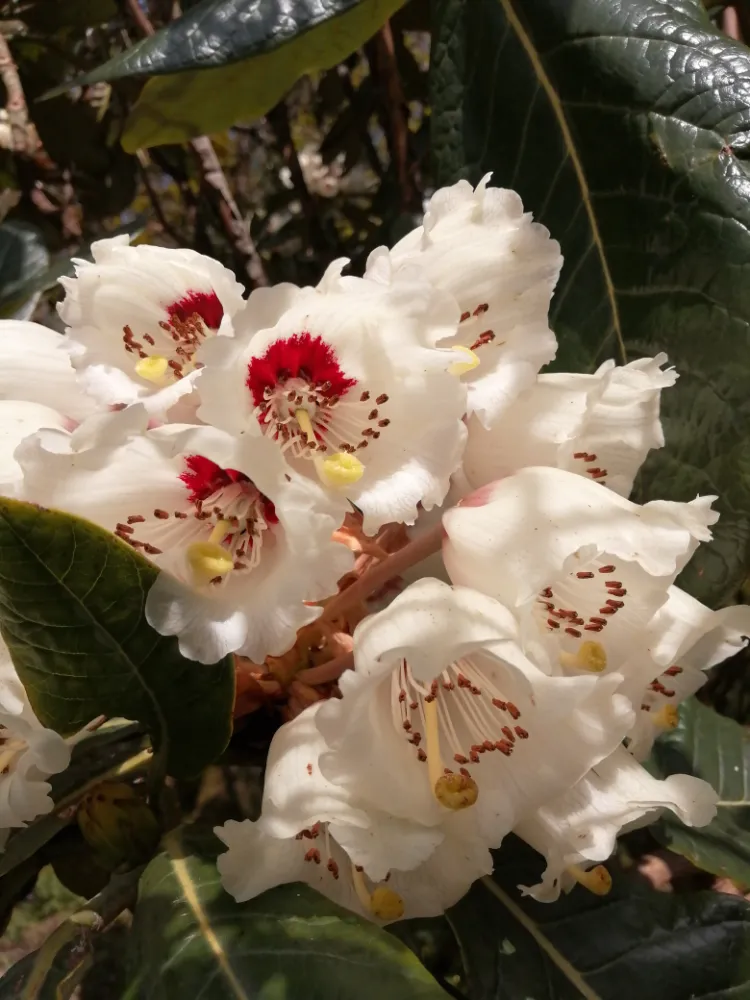
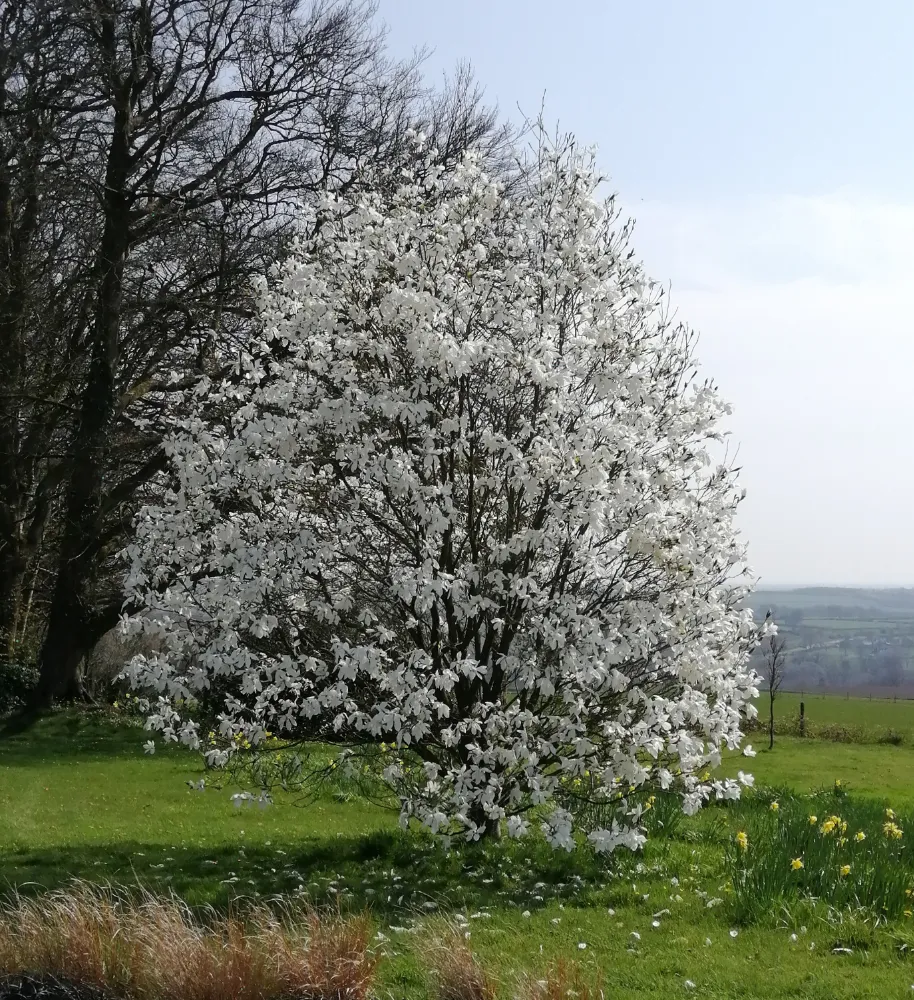
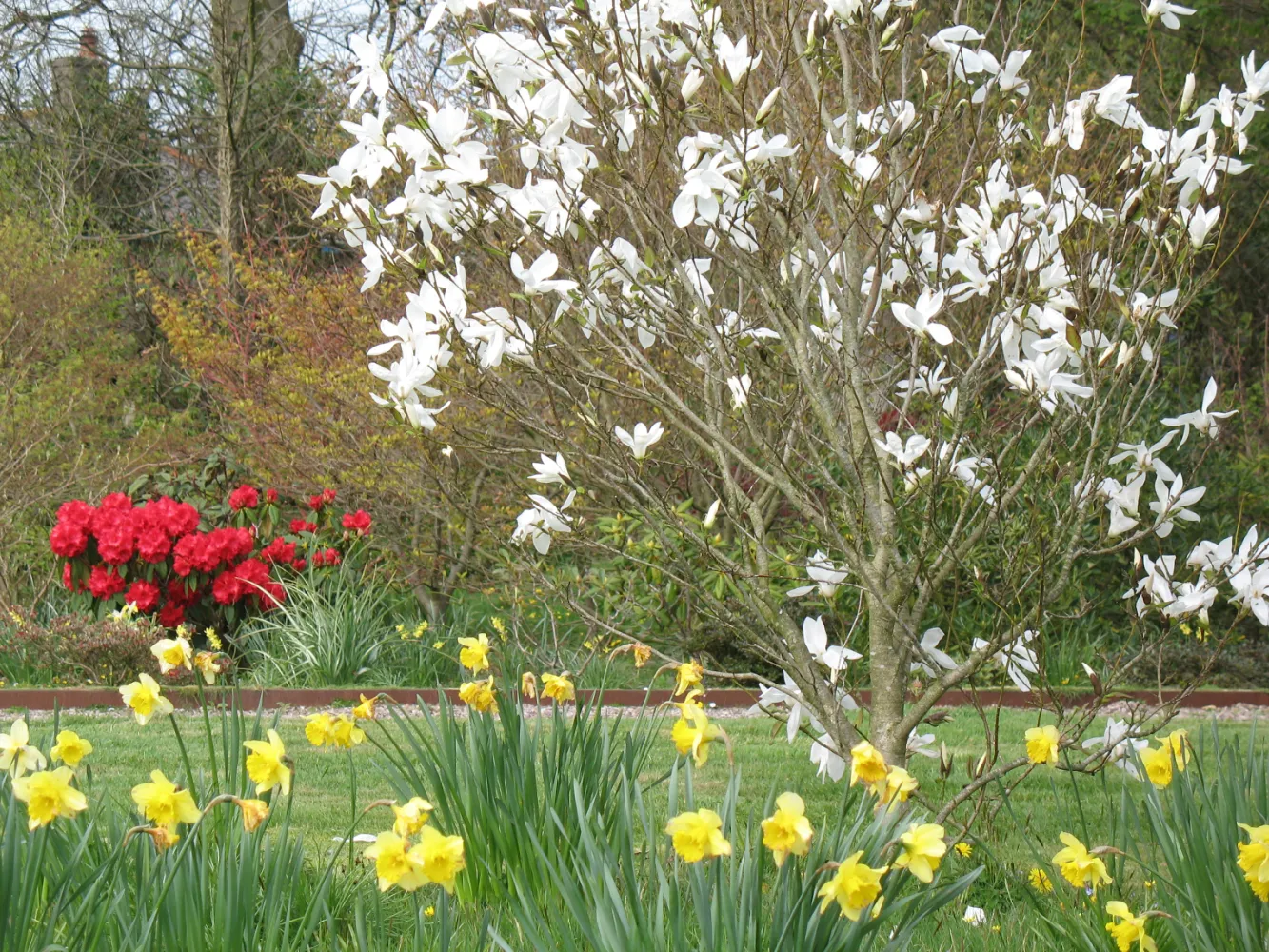
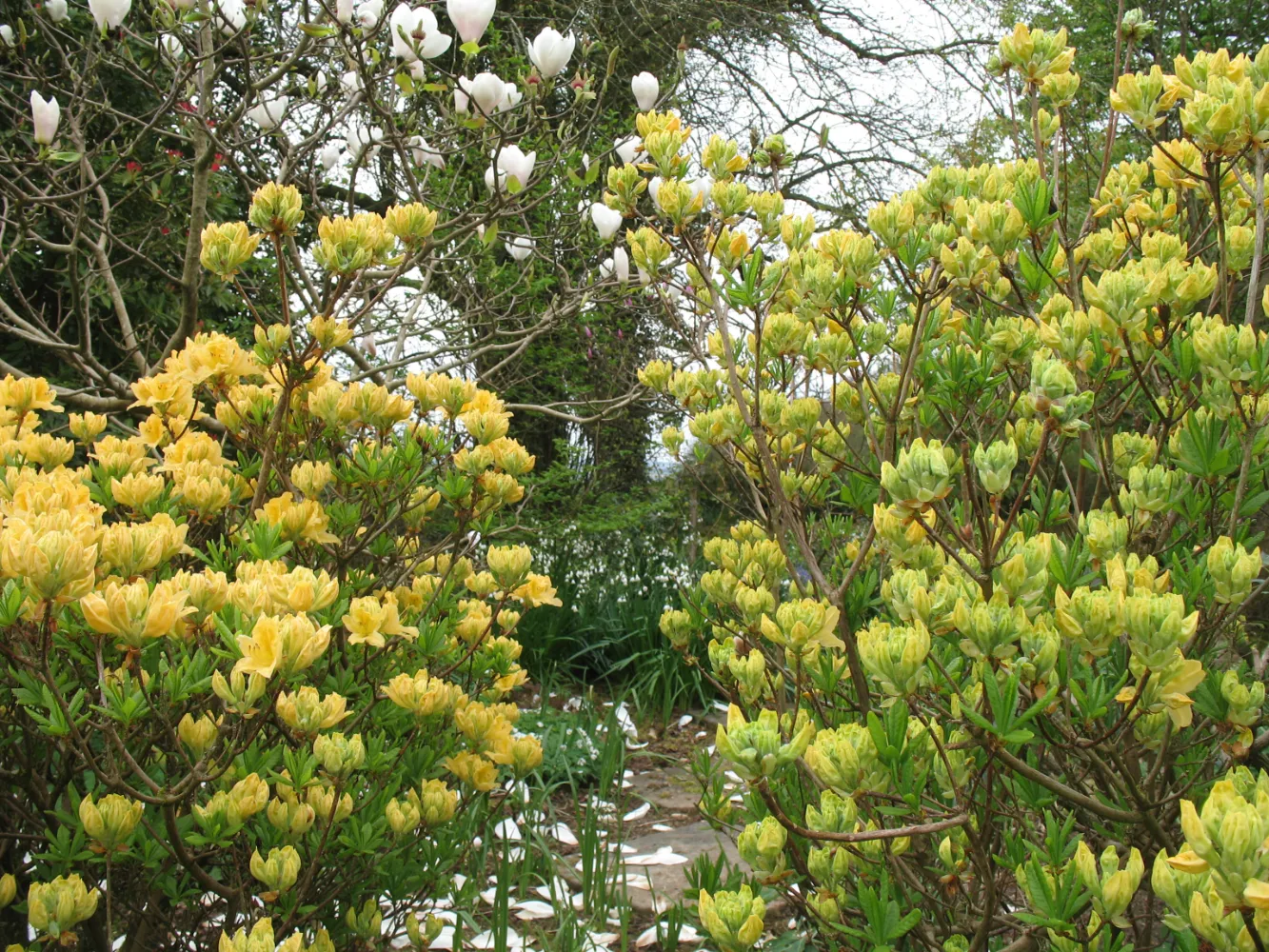
In a striking hilltop location with panoramic views is Treffgarne Hall near Haverfordwest. The handsome Georgian house provides the backdrop to Martin and Jackie Batty’s 4 acre garden. The focal point is the walled garden with a double rill and pergolas which is planted with a multitude of borderline hardy exotics challenging the boundaries of what can be grown in Pembrokeshire. Other features include large-scale sculptures, a cherry avenue, gravel garden, stumpery and large greenhouse. Spring is definitely the time to visit to enjoy the eclectic collection of unusual trees and shrubs including species rhododendrons, magnolias and azaleas.
Jackie says:
“The Magnolia Wada’s Memory was absolutely stunning last year.”
After the dark wet winter enjoy a wellbeing boost by getting out into a garden and the delight of Spring flowers again.
NGS Open Gardens
Welsh Country has two NGS open garden sections. The first ‘Open Gardens’ are gardens that are open on specific days and the ‘Long Term Open Gardens’ which are by appointment only. There is a search facility on each page so simply search for a garden name or an area of Wales (i.e. Swansea) you’d like to visit.
Words: Rob Dyer
Pictures: National Garden Scheme & Annette Dyer
National Garden Scheme: Frances Bowyer