The ancient saying ‘be careful what you wish for, lest it come true’! could not be more appropriate after such a wet September. Scarcely two successive dry days. October augured well, with high pressure promising sunny autumnal days, only to disappoint initially. Although the garden still contains some splashes of bright colour the cold and windy weather to come will reduce these to small pictures requiring close inspection.
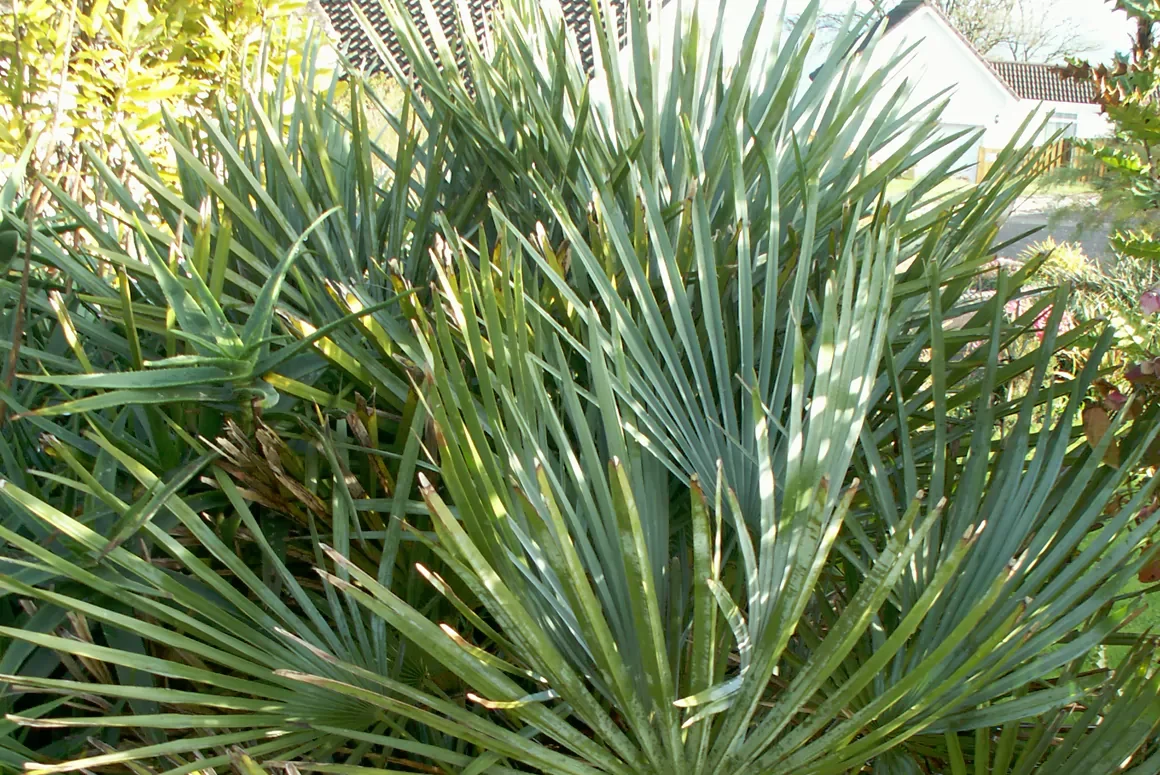
Feature image: C. humilis var. argentea
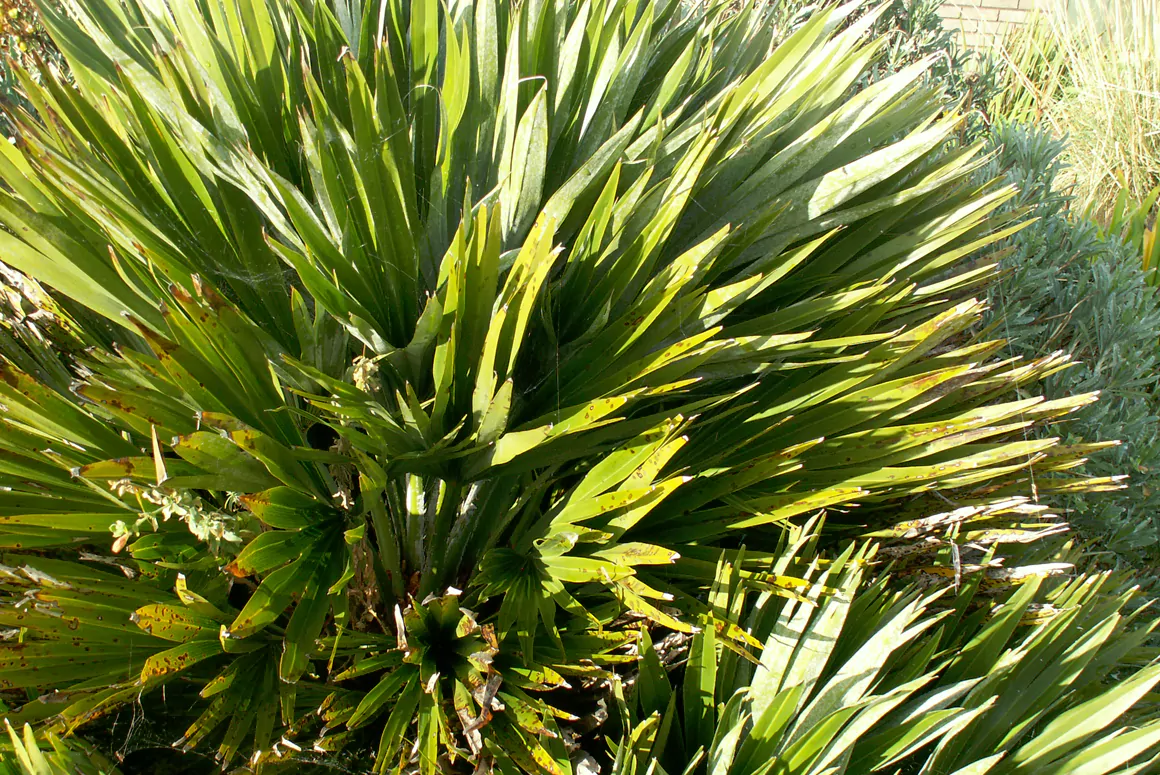
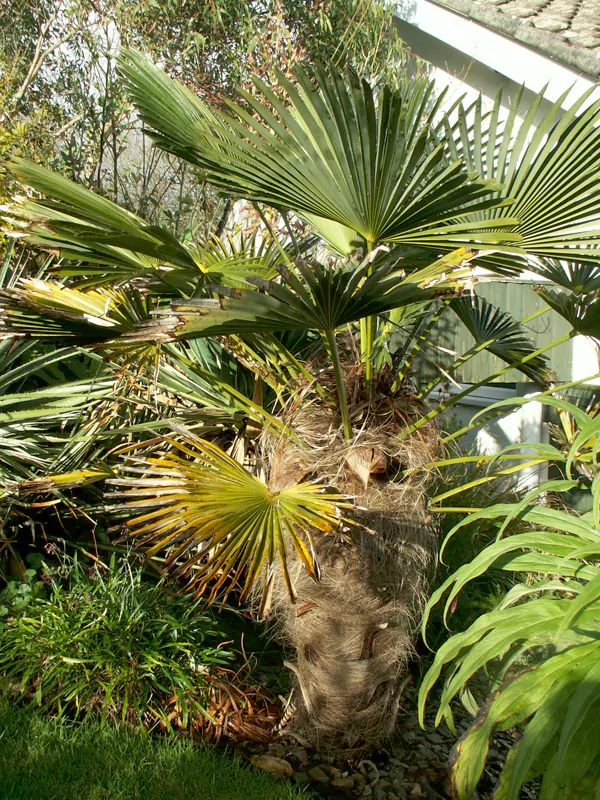
I have frequently envied and admired large gardens for their capacity to house substantial trees and shrubs which provide winter form and interest. My own garden is too small to accommodate most palms that I particularly covet. The Chusan Palm, Trachycarpus fortunei, a hardy native of China and the Far East can grow its shaggy stems to over 12 metres in height which would quickly dwarf my bungalow. However, Trachycarpus wagnerianus is a dwarf form, growing slowly to 5 metres after many years, and as hardy as the larger species. It has much smaller, stiffer leaves which are more resistant to wind damage and maintains a straight stem, unlike its sometimes bendy relative. My own plant has been in my front garden for 5 years with total exposure to salt winds and suffered negligible wind burn.
Another small palm which is ideal for coastal situations is Chamaerops humilis, the European Fan Palm, which is native to areas around the Mediterranean and slowly forms a trunk of 1-2 metres. I grow two selections of this palm and have found both reliable in my maritime climate. C. humilis var. argentea is a selected form from North Africa which has silvery blue leaves and C. humilis ‘Vulcano’ has a more congested form with compact leaves. Both have been established for 4-5 years and neither has shown any damage from wind or frost although they may not be totally hardy inland or in frost pockets.
All the above are sometimes available in good garden centres but are readily obtained online and in various sizes. They are largely trouble free and happy in any well drained soil, needing little feeding and watering once established.
-
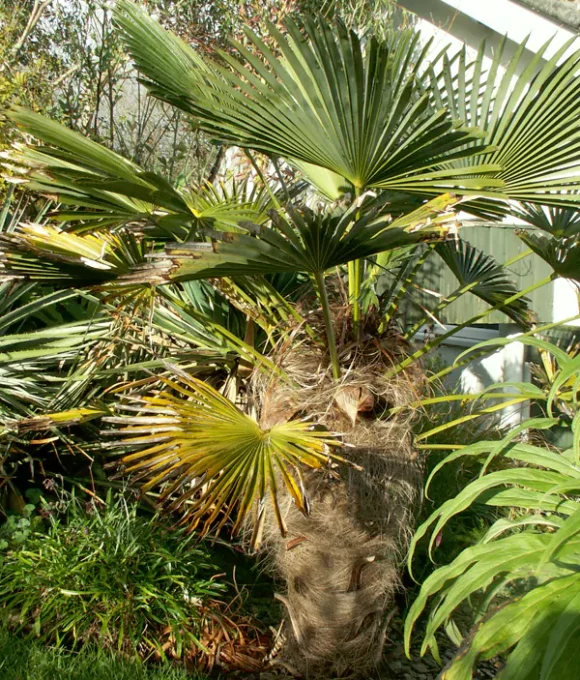
- Trachycarpus wagnerianus
-
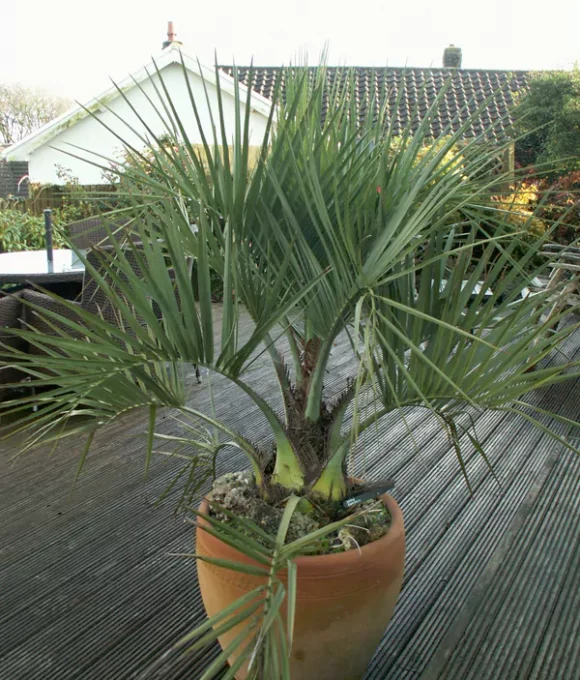
- Butia capitata, the Jelly Palm
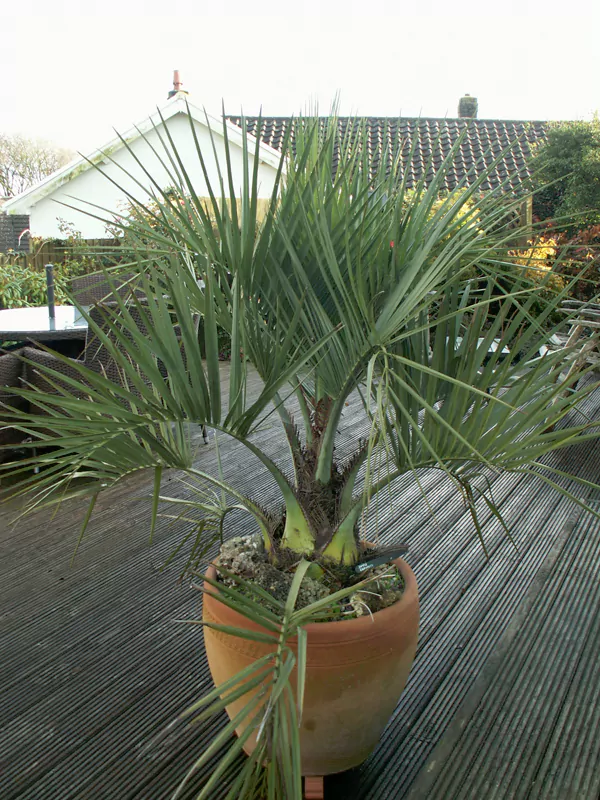
A native of South America, Butia capitata, the Jelly Palm is in my opinion, the most beautiful and graceful palm which is hardy in many milder areas of the U.K.. The name “the Jelly Palm” comes from the fact that if it flowers and produces fruits, these can be used to make jelly. It is reputably hardy to -10. I live on the South Wales coast with only occasional frosts, and seldom of any duration or severity. However, since in its earlier years it is more susceptible to frost, I have grown it in a large pot which can be manoeuvred under cover if needed. After 4 years without needing cover, it has grown into a sturdy and shapely form which I intend to plant in my front garden. A slow grower, it has long arching grey-green leaves and would make an ideal specimen for any suitable position seemingly impervious to my Atlantic gales. I have only found it in a few reputable garden centres in the West Country but is readily available online at a cost!
Plas Dinam
There is still an opportunity to visit a splendid autumn garden open for the National Garden Scheme at Plas Dinam near Llandinam in Powys. Once the home of Lord Davies and still owned by his descendants there are 12 acres of parkland, gardens and woodland set at the foot of glorious rolling hills with spectacular views across the Severn Valley. Enjoy the glorious autumn colour with Parrotias turning fiery red, Liriodendrons and Cotinus among others. Beyond the wildflower meadow explore the autumnal buff’s and ochres of the Millennium wood with it’s new Tree walk including eight champion trees.

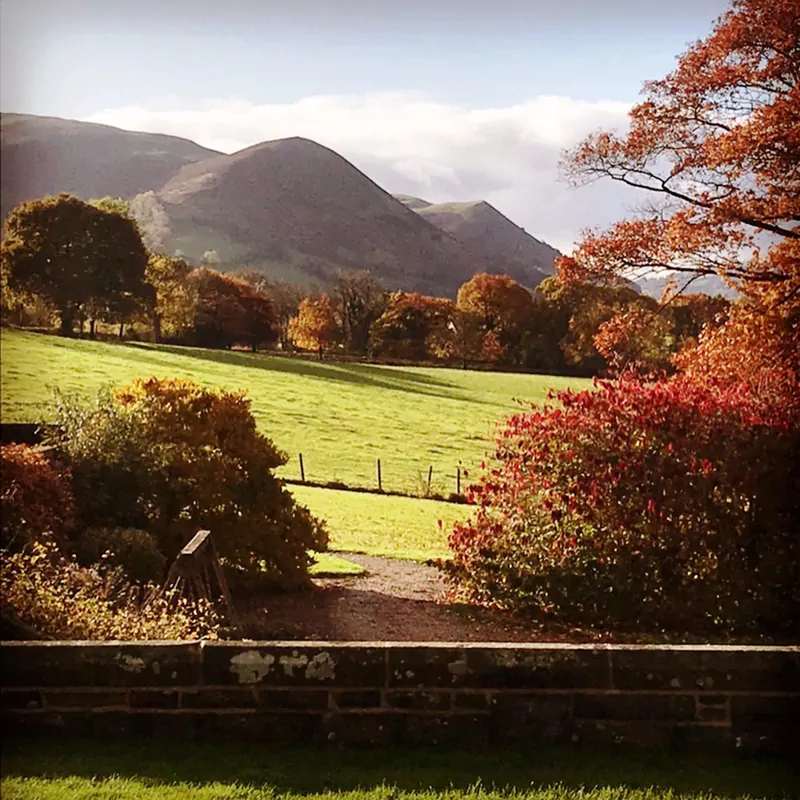
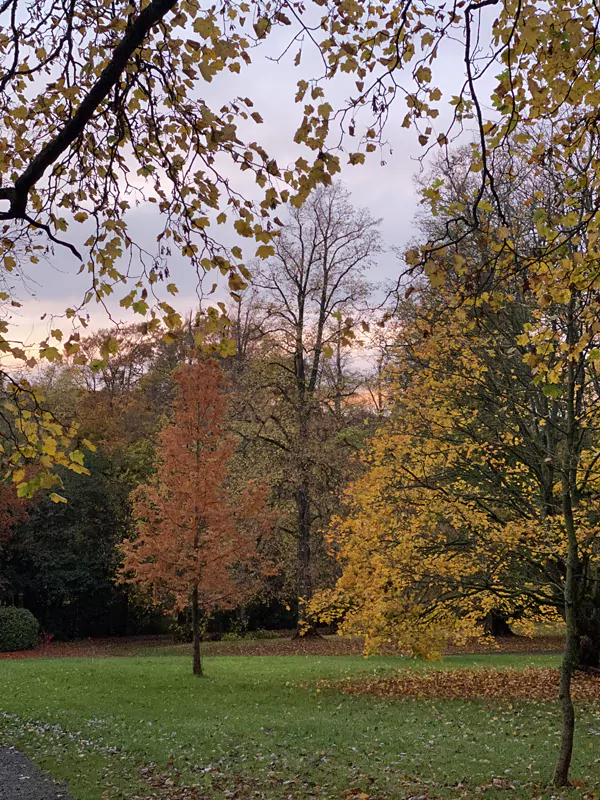
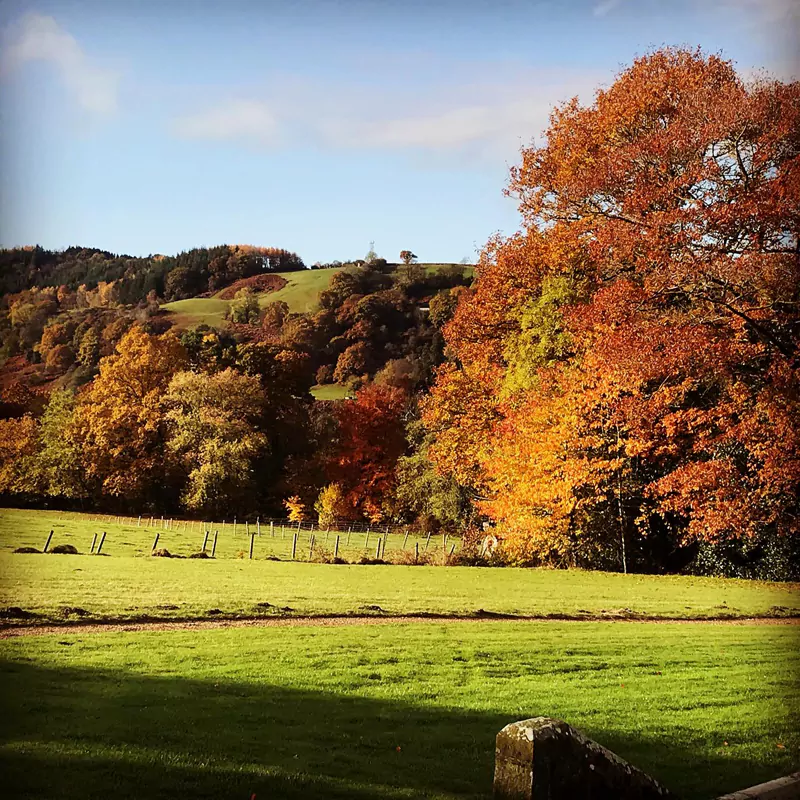
In addition to large annual donations to nursing and health charities the NGS gives grants to help community garden projects. In 2025 the NGS awarded funding to 115 new projects including 10 in Wales
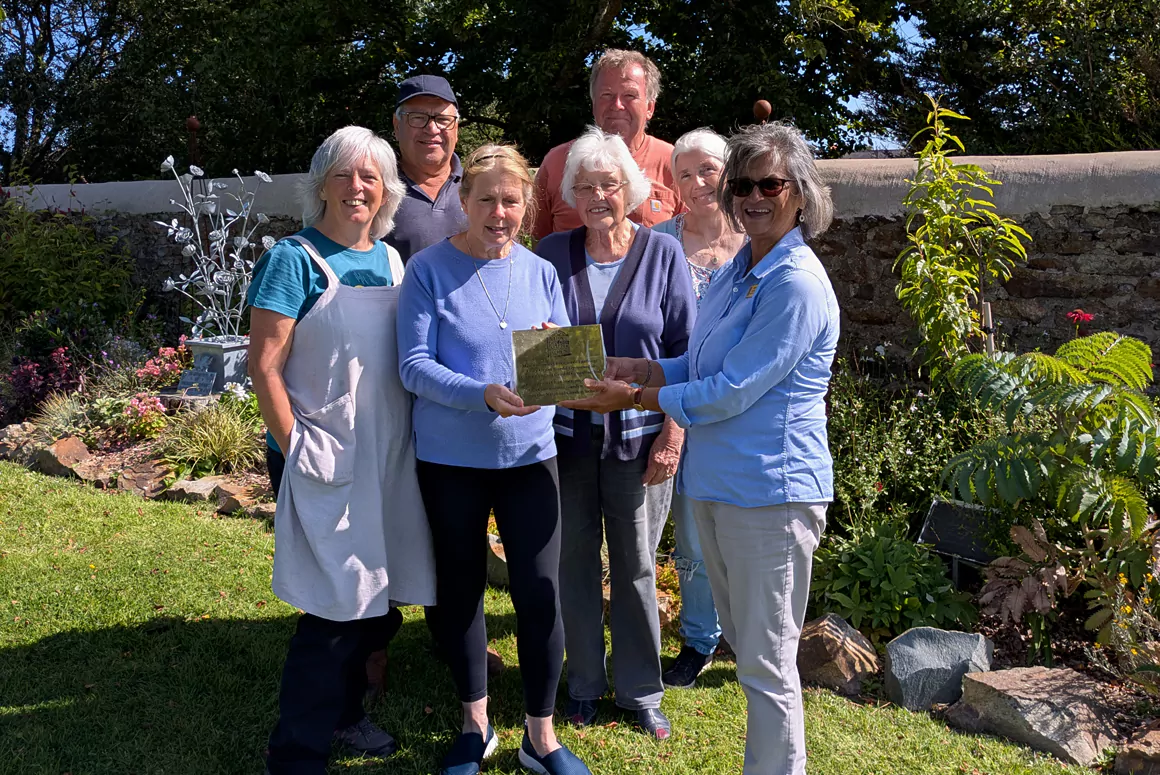
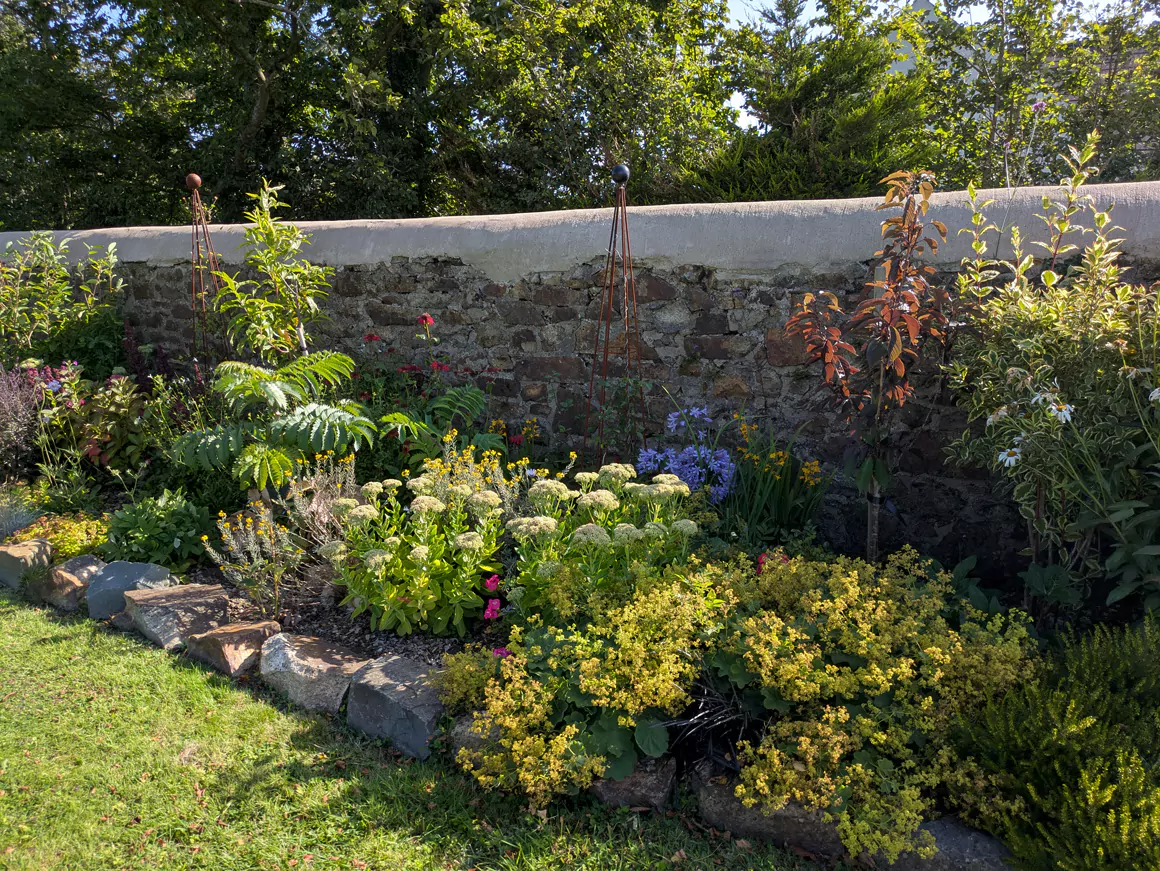
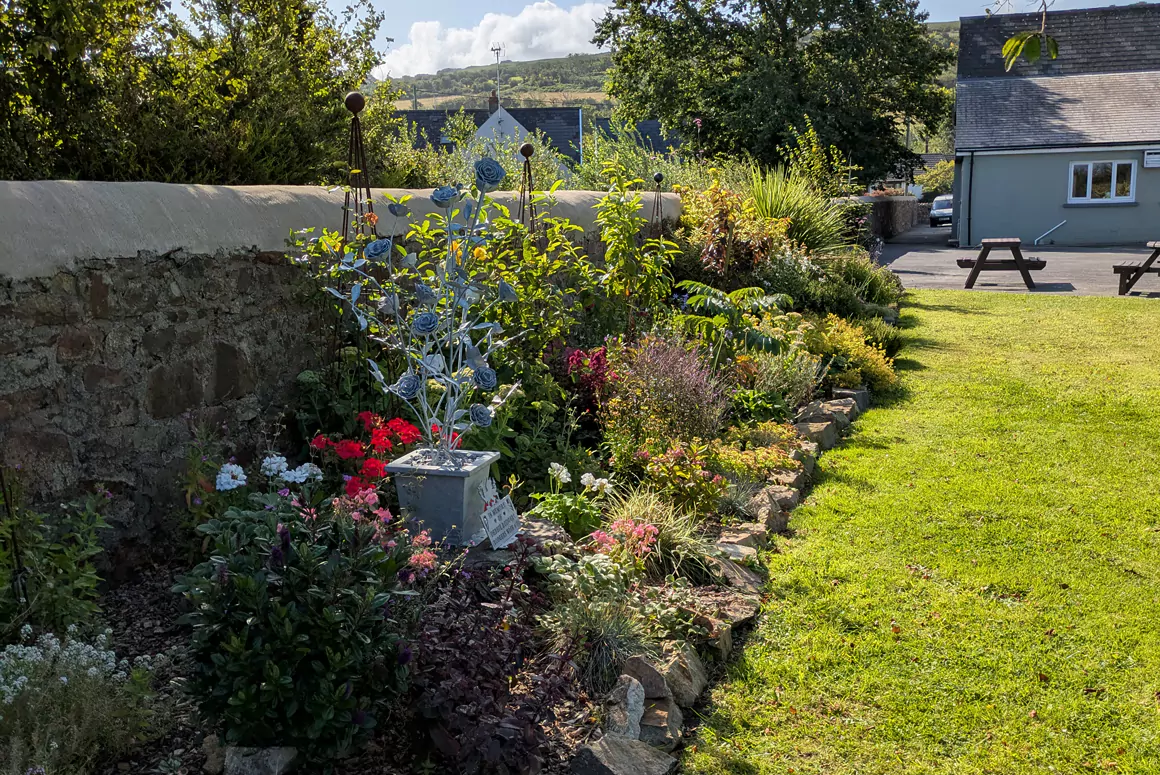
Yr Hen Ysgol in Dinas Cross Pembrokeshire recentley received their plaque for completing works funded by a NGS Community Garden Grant. Jackie Batty NGS County Organiser received a warm welcome by Val Pratchell and her team of enthuisiastic garden volunteers who explained the new planting, raised beds and picnic bench plus future plans incuding a new vegetable/edible plant area. At the heart of the community Yr Hen Ysgol hosts many events incuding arts, sports, education, music and serves as a warm safe haven. Now with the grant plus their hard work and enthuisiasm adults and children will enjoy more time in the garden.
-
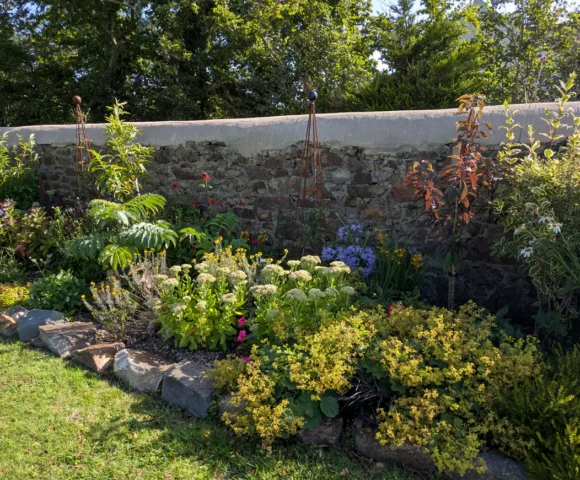
- Yr Hen Ysgol in Dinas Cross, Pembrokeshire
-
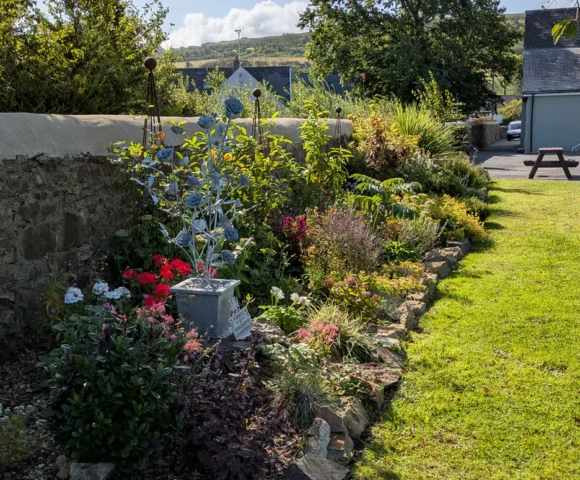
- Yr Hen Ysgol in Dinas Cross, Pembrokeshire
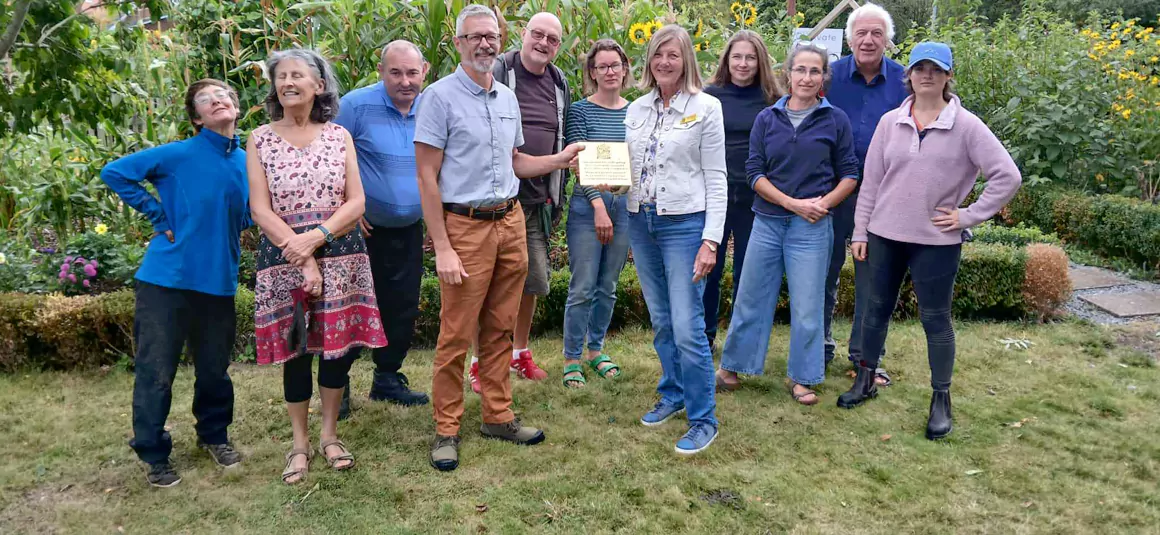
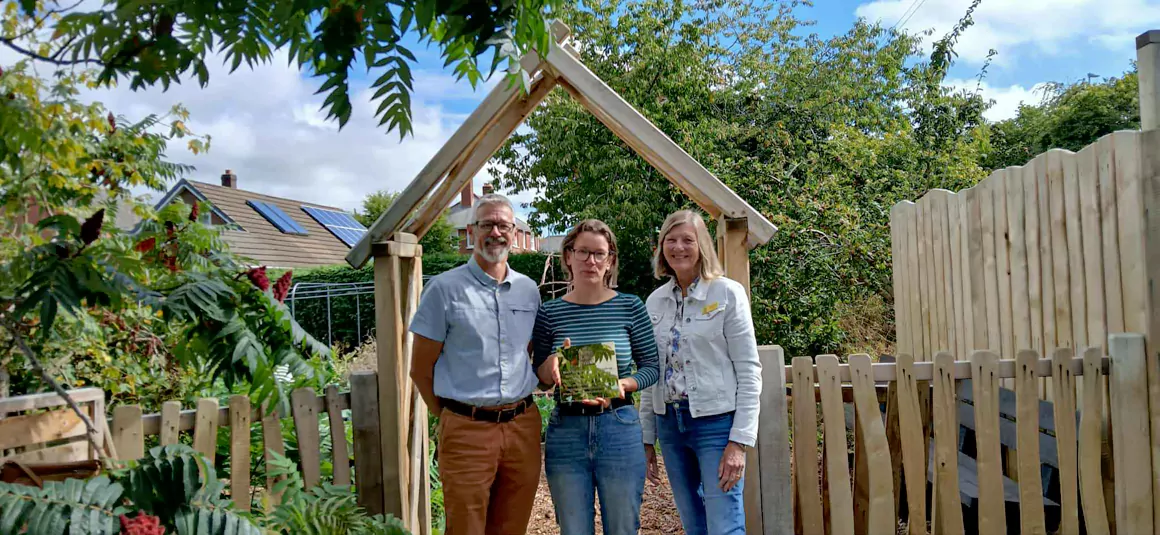
Cultivate also recentley received their completion plaque from NGS Powys County Organiser Susan Paynton:
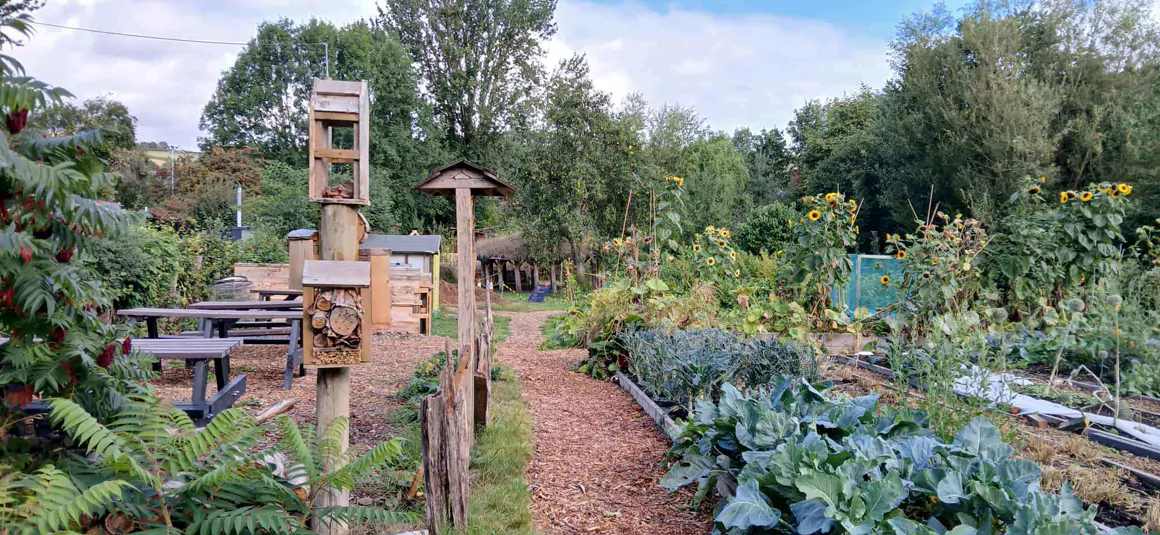
“Great morning at Cultivate in Newtown presenting them with our Community Gardens Grant plaque. They were awarded a grant of £4,855 in 2024 to create new pathways, seating areas, fencing and gates. Cultivate is a cooperative which is dedicated to supporting a resilient local food system; passionate about people & plants, growing & gathering, cooking and community. Congratulations to everyone involved!”
Cultivate:
“Thank you, Powys NGS! Your generous grant has truly transformed our garden. It has enabled us to open up the space, create a welcoming entrance, and develop a community picnic area and pathways. These improvements are helping us make the garden more accessible, inviting, and enjoyable for everyone.”
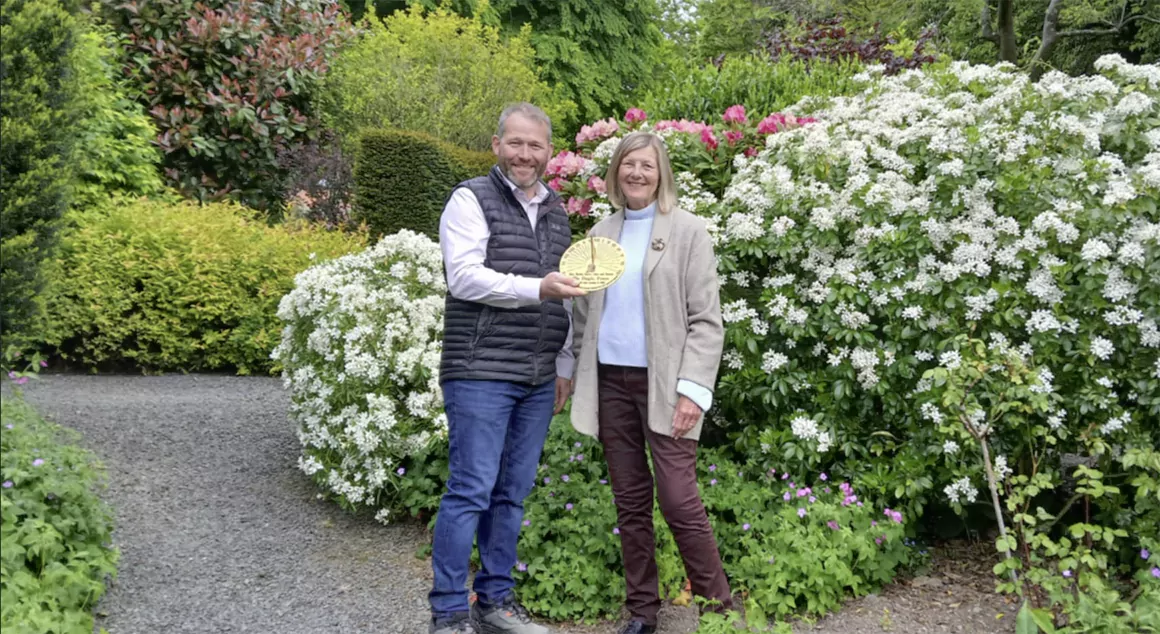
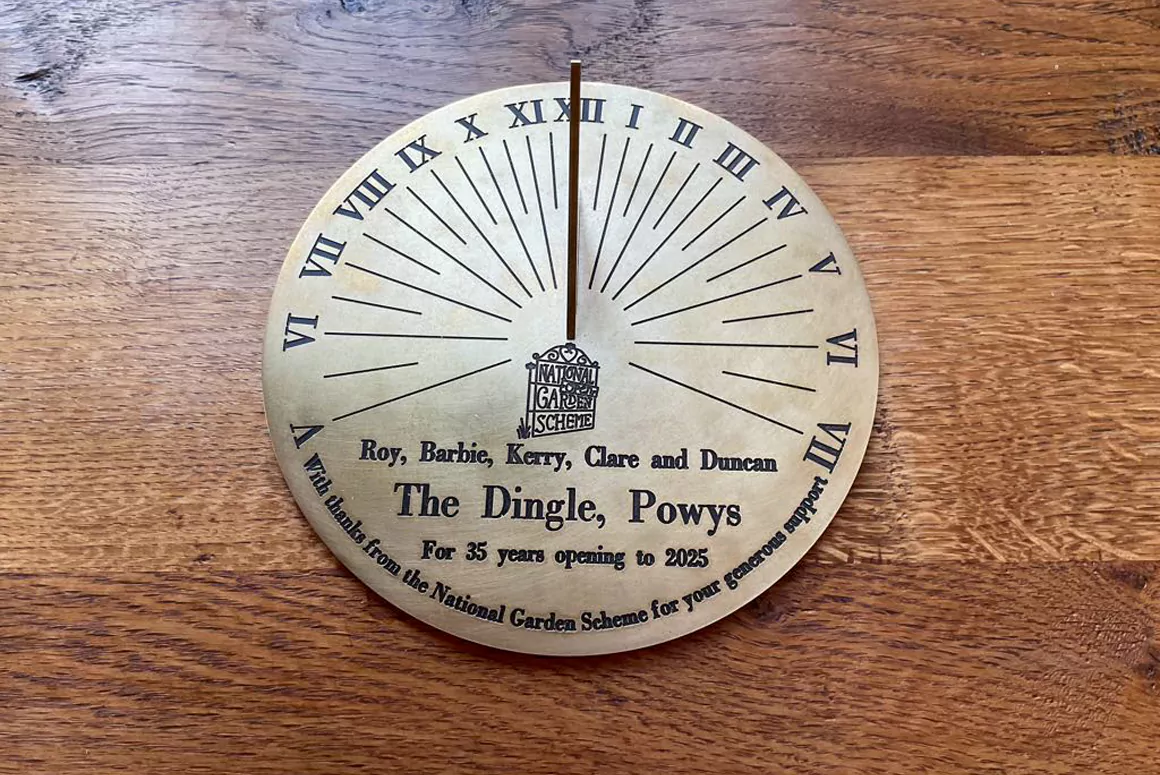
Earlier this year Susan Paynton County organiser and National Garden Scheme Trustee also presented a sundial to Duncan Hamer of the Dingle Nurseries and Garden Welshpool for their amazing achievement of three successive generations of the family opening their garden for 35 years!
The National Garden Scheme are very lucky to have such supportive garden owners that continue to open their gardens to the public and create valuable funds to help us as a charity donate millions of pounds each year to our beneficiaries. Founded in 1927 when almost 600 gardens opened for “a shilling a head” today 99 years later over 3,500 private gardens open for the charity. Do you have a loved garden to share? We are always looking for beautiful new gardens to join us whether country acres, a cottage garden, town garden, wildlife-friendly space or community allotment. They all offer a unique and very personal experience to our garden-loving visitors and help raise money for great causes.
And of course look forward to the NGS 2026 season starting with Snowdrop Gardens!

NGS Open Gardens
Welsh Country has two NGS open garden sections. The first ‘Open Gardens’ are gardens that are open on specific days and the ‘Long Term Open Gardens’ which are by appointment only. There is a search facility on each page so simply search for a garden name or an area of Wales (i.e. Swansea) you’d like to visit.
Words: Rob Dyer
Pictures: National Garden Scheme & Annette Dyer
National Garden Scheme: Frances Bowyer