
INTRODUCTION
We’ve all been there. Back home after a long and exhausting day of landscape photography out in the field. We throw our bags on the floor and kick our mud-covered hiking boots off in the doorway. The dog is super excited to see us for the first time in 12 hours, she’s starving and needs feeding. But, of course, we don’t care. We have an SD card that full of images and the world will end if we don’t sit down at the computer to download them immediately and edit until the early hours, forgetting about any other life responsibilities.
With the downloading process in motion, we head into the kitchen, dog in tow. She’s disappointed when she realises that a cup of tea is the only thing on your mind. Plus the memories of the day and them sweet looking landscapes, of course. You sit back down and there you are, greeted with 600+ images, 400 of which are nearly identical, with just a slight change in angle to tell them apart. As you make your way through your days’ work, the feelings of disappointment grow stronger. ‘These aren’t anything like the beautiful photographs that I’ve seen on Instagram’, your inner voice declares.
Well, what I’m hoping for, by writing this blog post, is to prevent you from some of those terrible feelings of disappointment and give you a solid foundation from which you can build and improve your landscape photography. At the bottom of the blog, I’ll provide you with some links to the YouTube pages of some of my favourite photographers that have been an outstanding source of information for me over the last two and a half years.
Below, are 10 of my top tips that I think have helped me significantly through my landscape photography journey so far. The points discussed all go beyond what I would call ‘the technical basics’ of taking photos, meaning, that I’m not going to be touching on cameras, lenses, aperture or shutter speed in any real depth. The tips are based around things that you can do personally to improve your photos and compositions. I will release another blog post in the future that will help with some of the basic camera settings that I use in some of my images. If you don’t want to miss that, make sure that you are following me on my Instagram & Facebook or, you can subscribe to my newsletter that will be rolling out very soon. The newsletter form can be found at the bottom of this page.
1. PATIENCE
Anybody that has spent a little time outdoors, especially here in Wales, will know just how quickly the lighting can shift sometimes and completely transform a landscape from a sunny, blue sky paradise, into a deep, dark, moody looking Game of Thrones set. There have been a number of occasions throughout my photography journey so far, where I have left, or been about to leave a location when, out of nowhere, the clouds part and it’s as though God is shining a torch down from heaven, with a wry grin on his face as if to say, ‘don’t be so hasty young man!’
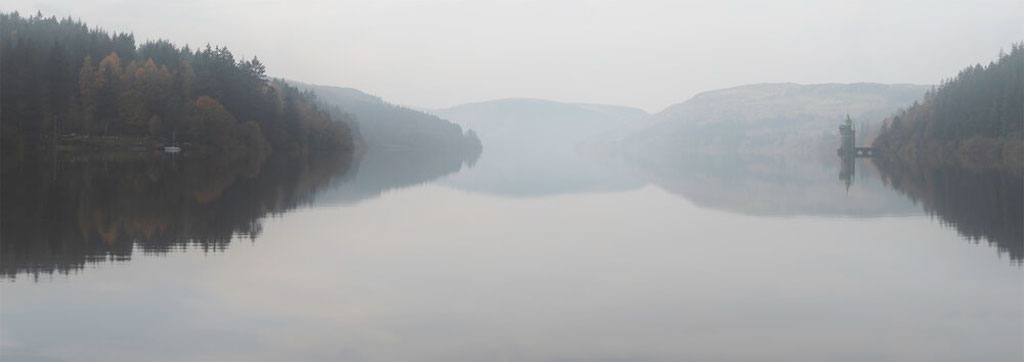
Having practiced the art of patience through my bodybuilding over the years, I feel that it transitioned into my photography right from the beginning. Anybody following me on Instagram might have seen me working out while waiting for some light to hit the top of Buachille Etive Beag in Scotland last year. Still, I’m no master of patience. Little lessons and reminders do often still appear. Only a couple of months back, I was making my way home from a short photography trip to Lake Vyrnwy, where I wanted to create a large panoramic image of the boathouse and Victorian water tower. I’d already had my tripod set up for well over an hour and I’d decided to pack up because the light hadn’t changed and the whole scene was looking a little too dull. Five minutes up the road, the clouds broke and allowed some light through. With no hesitation, I span the car around, went back to my spot and ended up coming back with this photograph.
You might be wondering what on Earth I’m doing while I’m stood outdoors in the open, in the same place for an hour or two, with nothing but the birds for company. Well, this takes me nicely onto point number 2.
2. SLOW DOWN & TAKE A BREATH
I think it’s pretty clear to us just how much the digital revolution has changed the world. All you have to do is take a walk along your local high street and you’ll probably see one in two people either looking at, or listening to a mobile phone. We are facing the beginning of what I feel, could be an attention span crisis. Generally speaking, we don’t know how to pay attention to a single task. How often do you find yourself breaking out your phone when it buzzes during a face to face conversation?
I don’t personally think that a short attention span would do me any favours out in the field. Photography is an art form based on our senses. If we can’t tune in to these senses because our minds are always elsewhere or waiting for the next notification, how can we expect to create compelling landscape images that capture the attention of our viewer?
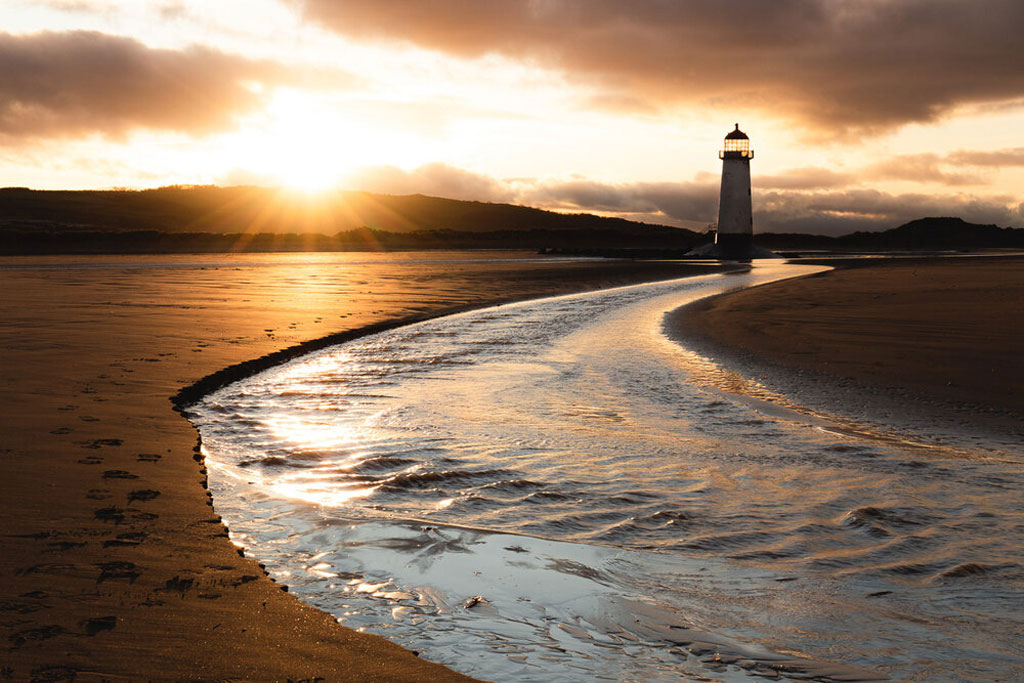
Around a year ago, on a solo trip to photograph the Point of Ayr Lighthouse in Talacre, North Wales, my mind was all over the place. I’d had one of those weeks and whilst driving up to North Wales, all I wanted to do was turn the car around and go home. I persevered and on arrival, I decided that I would spend a while simply walking around the location, taking it all in, practicing some deep breathing and just clearing my head before even taking out my camera and looking for a photo.
Now, I’ll purposely aim to arrive a little early (before the best light) to allow myself time to walk around and breathe. I’ve been an advocate of the Wim Hof Method for about a year now. My phone will often be placed on airplane mode while I’m out there in order to better connect with nature and the landscape and to gain a deeper understanding of how I’m feeling, as I think this all translates into an image.
Using these methods was a huge turning point for me and since adopting it, I feel like I’ve noticed the biggest improvement in my photography, with the below image being the result of my first practice back in January 2020 (yes… the one where I wanted to spin the car around and go home)!!!
3. CHASE PROGRESS, NOT PERFECTION
With platforms like Instagram forcing comparison by constantly showing you an unbelievably high level of photography, every minute of every day, it’s so easy to become disillusioned with where you are in your journey.
This is where it’s important to focus on your own art and try to make each photograph just that little bit better than the last. If you’ve only just picked up a camera, you can’t expect to become the next Ansel Adams over night. Try revisiting the same place over and over again and with each new journey, try something a little bit different. If you took a photo using a fast shutter speed to capture some water on your first visit, perhaps try slowing the shutter down this time to see what kind of photograph that produces. It might not work but at least then you have a reason to analyse what didn’t work in the image, allowing you to make tweaks for the future.
Brick by brick is a little philosophy that I live my life by. I have some big ideas but when I’m trying to build a large mansion, focusing on my next little brick is the only thing that’s important to me. Rome wasn’t built in a day, of course.
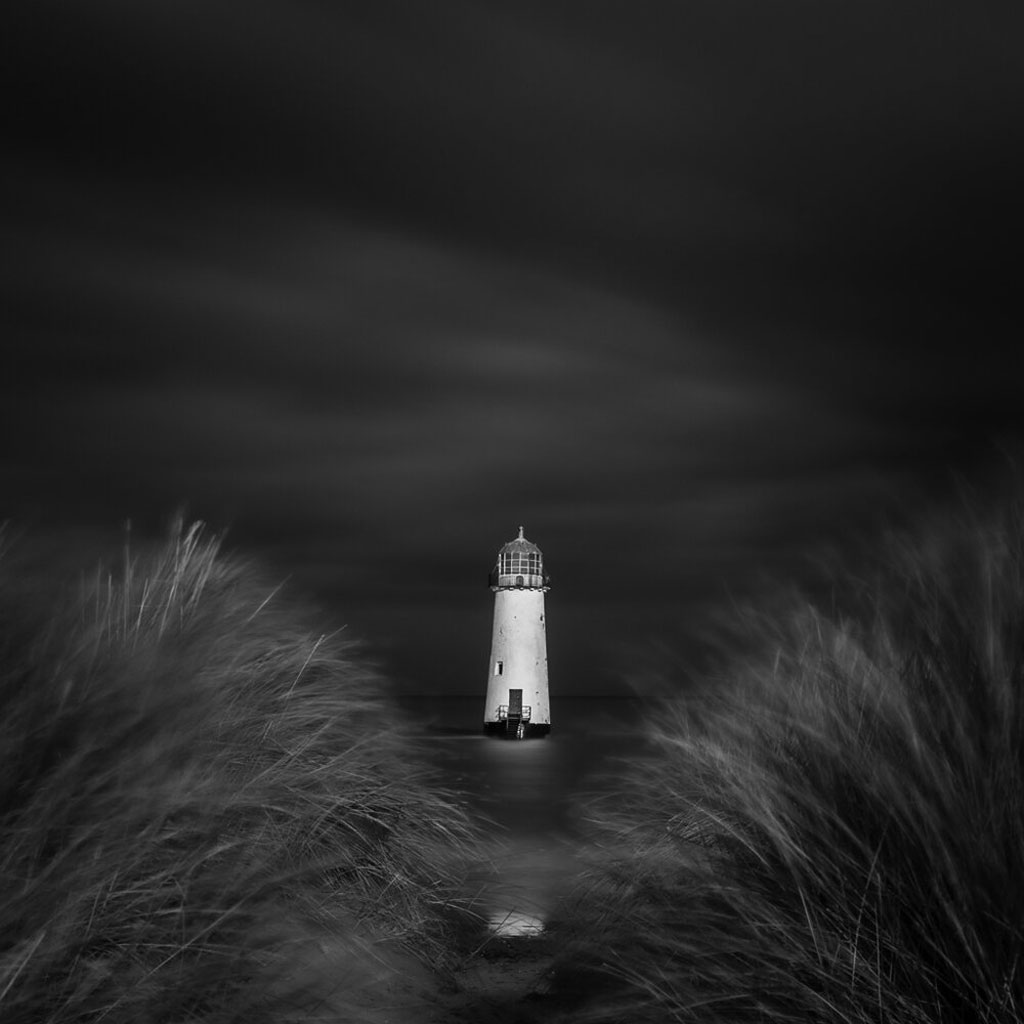
Below is another image of the Point of Ayr Lighthouse, this time I tried a long exposure to create a very dramatic looking photograph.
This leads me very nicely onto my next point.
4. TRY UNIQUE IDEAS
What is the one thing we have in this world that no one can steal, copy or borrow?
Our identities. Who we are. Our own experiences. Why we like to communicate in the ways that we do. You need to try to tap into this and make it your superpower. Learn to translate these experiences into your own photography to create imagery that nobody else can.
Of course, with the average person being shown literally hundreds or thousands of photographs every day, it’s so easy to get caught up in travelling to all of the famous places to get those ‘Instagram shots,’ without realising just how much opportunity there is on our own doorsteps to create something that is entirely unique.
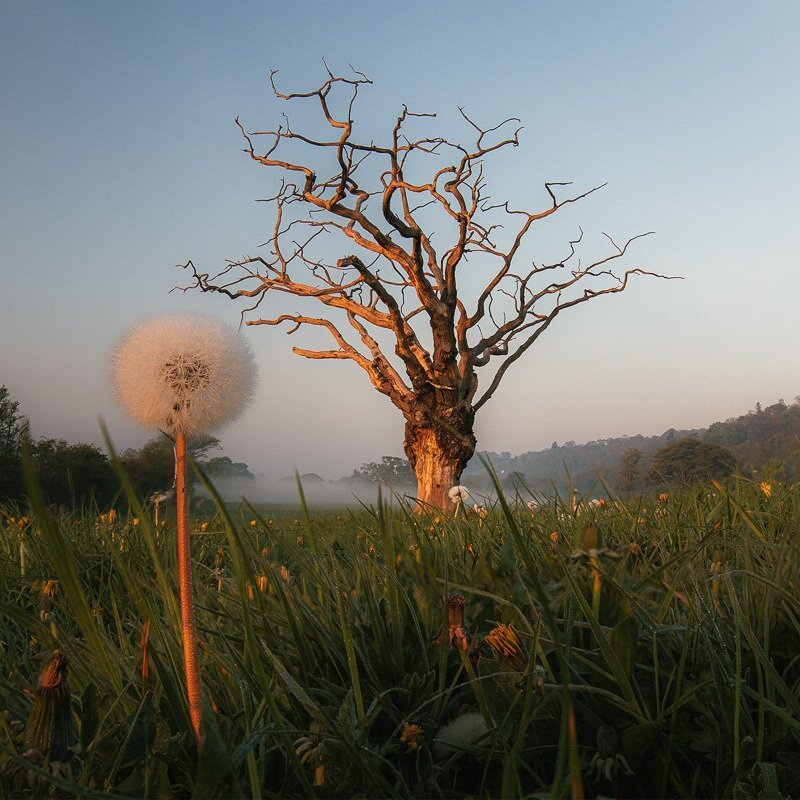
While it’s obviously great to travel to those places, I do love them myself and they are all widely photographed for a reason of course, you just can’t beat the satisfaction you feel after getting up at the crack of dawn to capture a photograph like this one below from a secret place that tells its’ own story and will, most likely, never be photographed again.
5. PLAN AHEAD
This one isn’t very straightforward and will definitely take a while to understand – It’s actually the main thing that I’m working on improving for my own landscape photography as there is just so many different elements that go into planning.
In my experience, the best photographs have been created after many visits to the same place. I think that you really have to take the time to get know and understand the landscape in order to know what you would like to capture from a certain scene. Once you know, you can then proceed to use apps such as The Photographers Ephemeris, which will show you the direction of sunrise, sunset, moonrise & moonset, anywhere in the world.
Apps like this are a great tool but won’t do all of the work for you. They might give you a solid foundation of knowledge but you will need to grow your understanding of a place by visiting in person. That way you can watch the way the light moves around and scout for interesting elements that you can use in your future compositions. If there is water in the scene, you will need to know how light interacts with it. Will you need a polarizing filter to aid with taking some of the glare and reflection from the surface of the water? Where will you need to stand and what focal length will you need to use to convey the feeling that you want to get across to your viewer? Will you shoot with a wide angle and emphasize the vast landscape and foreground detail, or will you opt for a longer lens, to compress the image and bring some scale into your shot?
These are all things that can only truly be decided once you’ve visited and built up some experience. You can then combine your knowledge of the landscape with your choice of tech tools to visualise pictures in your head.
Another app that I have heard nothing but great things about it Photopills, though I haven’t made it round to using it myself just yet.
6. SIMPLIFY YOUR COMPOSITIONS
The photographs that I feel most pleased with are generally the ones where there isn’t too much going on within it. I tend to try to keep a clear subject in mind when I have my camera in my hand, ensuring that distractions stay to a minimum in order to avoid taking my viewers eye away from where I want it to be.
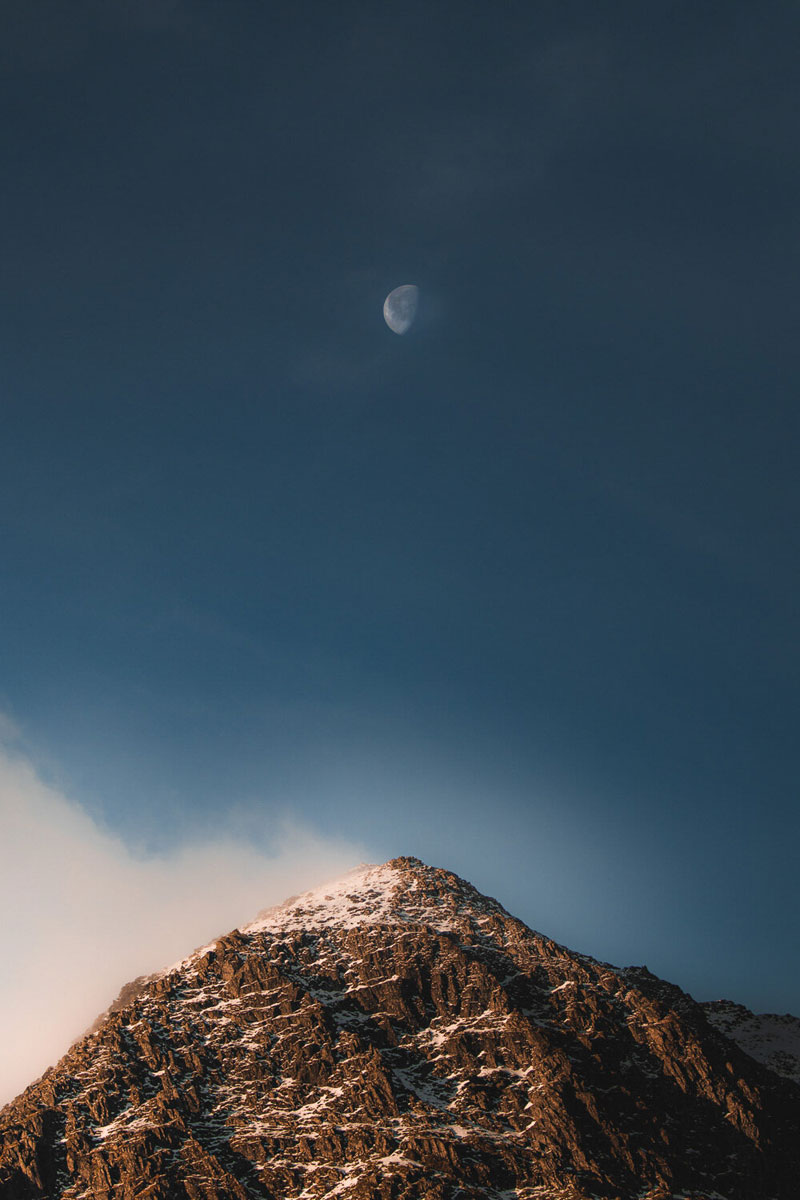
I’m a sucker for some negative space and I believe that this can be included to create a very powerful photo that helps to capture a viewers imagination and allows them time to think. I love the idea of creating a sense of wonder and I feel that the below image does just that. Perhaps making the audience imagine standing on the summit of Snowdon and reaching for the moon?
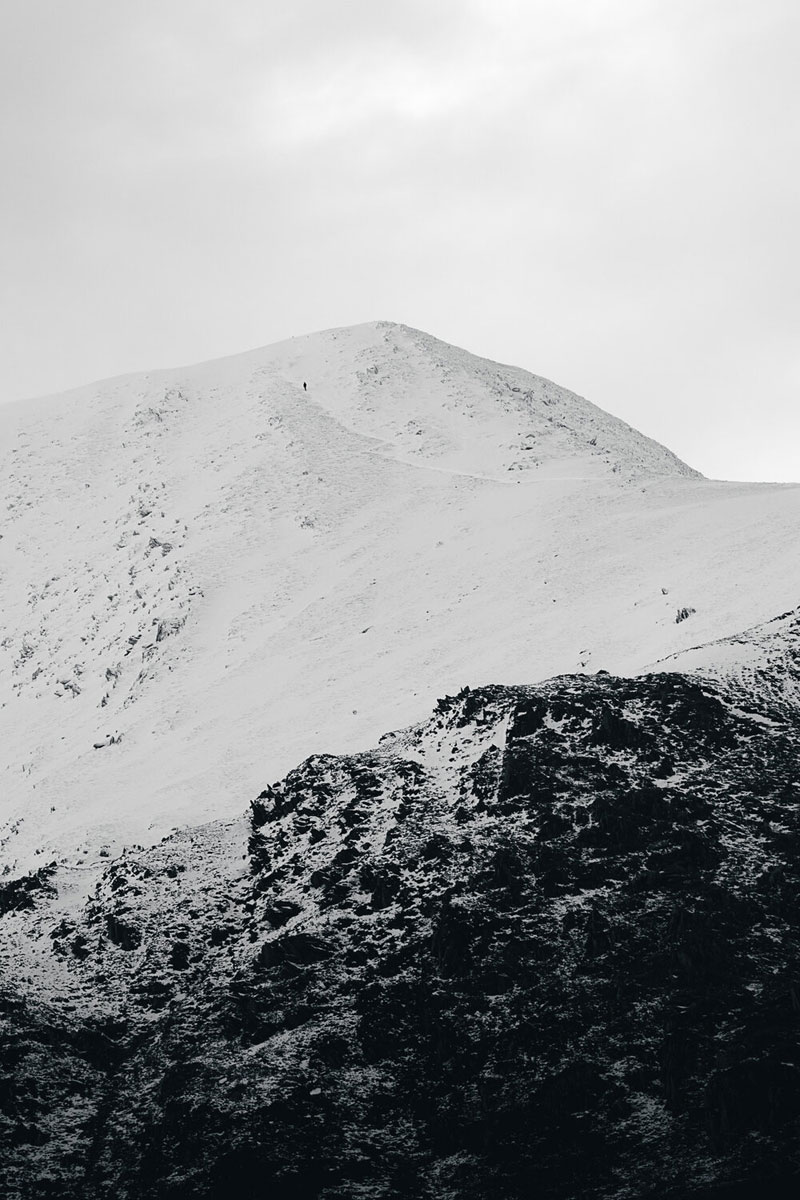
Below is another example of how minimalism can have a powerful impact in your landscape photography as I captured this solo hiker tackling the winter whiteout to summit Y Garn in Snowdonia. Lone figures in a vast landscape have always captured my imagination. They make me ask all sorts of questions about who I am and what I am doing here. There’s something I have always found fascinating about how small we are in comparison to nature and this incredible planet that we are on.
7. CREATE BALANCE WITHIN YOUR PHOTOGRAPHS
This one doesn’t need too much explaining. I feel like a photograph looks much more pleasing to the eye if you can create some sort of balance between your elements within a scene. If you take this image from the Ogwen Valley in Snowdonia, you’ll see that my subjects; the tree, the white house, and rays of sunlight are perfectly balanced from the edges of the frame (also see rule of thirds and visualise the provided grid over this photograph).
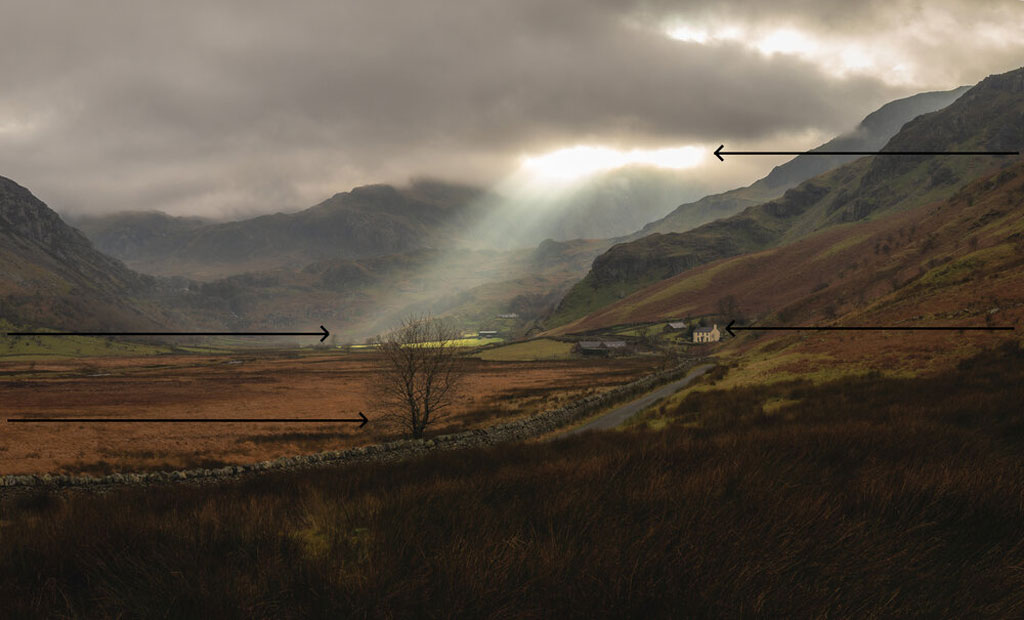
While it’s much better if you can get this right in camera (practice and experience will help with this), you can make good use of the crop tool within your editing software to fix your photograph afterwards, cropping out any unwanted objects from the edges of the frame. If there are central elements that you don’t like within your photograph or, for example, a piece of stray dirt made it onto your lens and left a mark on your photograph, then you can make great use of some of the ‘spot healing’ tools within camera editing software. My favourite being the one provided in Adobe Photoshop for operations like this.
8. USE THE RULE OF THIRDS… (BUT UNDERSTAND WHY).
Like any rules, they sometimes need to be broken. This one, is by no means set in stone but will be fairly consistent throughout the world of landscape photography and photography in general. Look at the graphic that I created below of a photograph I took while adventuring around Glencoe in Scotland on a trip late in 2020.
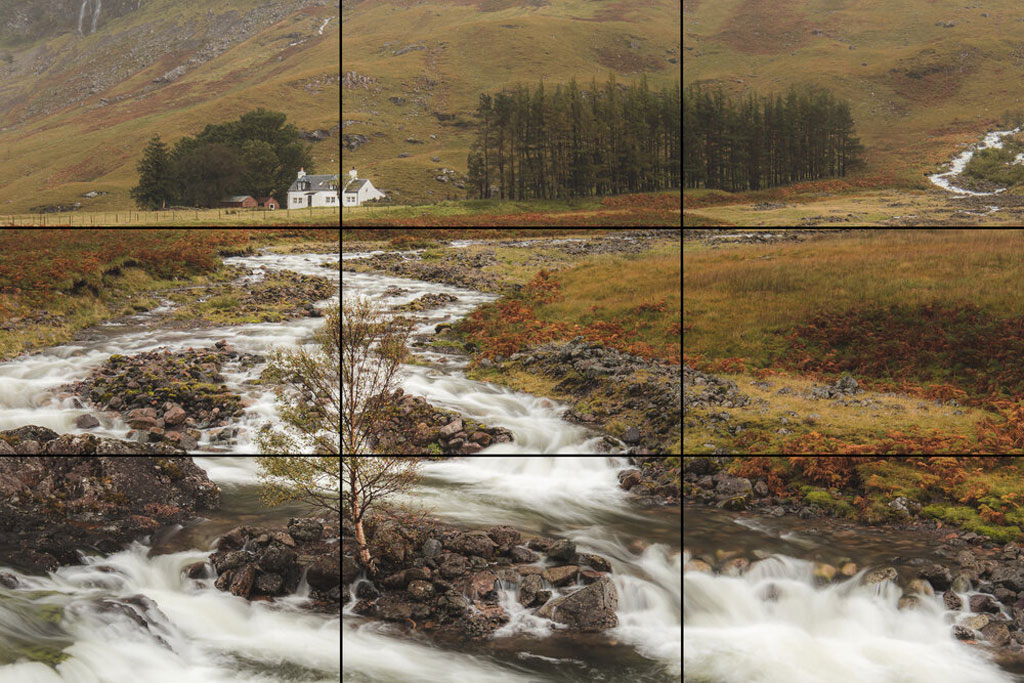
You can see clearly that the image has been divided into nine different sections, containing four different intersections toward the centre. When framing an image, it’s always a good idea to try to visualise this graphic and decide whether you want to place your points of interest on, or close to the intersections or break the rules for a different visual effect. You can see in this particular image that I’ve used the rule for the benefit of the composition and combined it with some negative space to the right of the photograph, which allows the viewers eye to follow up the stream and away into the mountains behind without getting distracted by any stray objects. Remember I spoke about simplicity and minimalism in photography a little earlier? This image is a combination of two of my tips.
Personally, I feel like this photograph is actually one of my most pleasing in terms of the composition. It has so many different elements, from the tree that makes up the foreground, the house and base of the mountains that form the background, the stream linking the two and providing interest in the middle of the photo and then the leading lines, rule of thirds and negative space. Perhaps the complete composition, if you like to follow rules, that is!
Just a quick one. You can enable the above grid in your iPhone camera, which may help you to get some practice. Mine has been left on permanently since I enabled it a few years ago. Here is how to do it:
- Open ‘Settings’
- Tap ‘Photos & Camera’
- Find ‘Grid’ and toggle it on
Below is an example of me ‘breaking’ the rules and why.
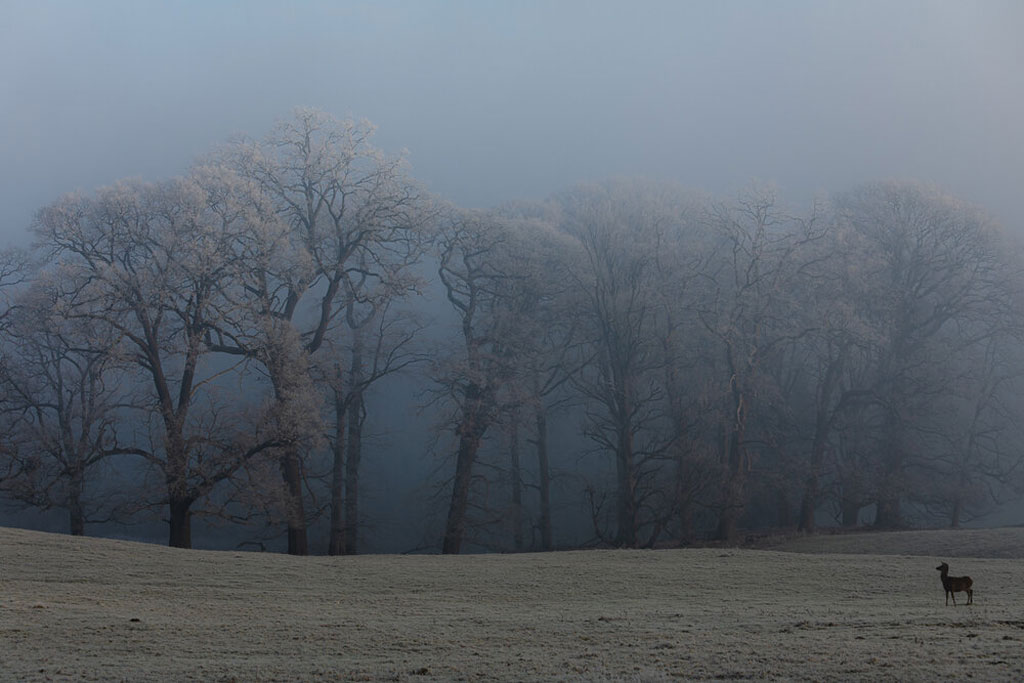
In this photograph, which I named ‘Stage Fright,’ I purposely placed the young fawn far down in the bottom right of my frame as I feel that it helps to convey the story of this isolated, innocent young animal out in the vast open wilderness, with the trees acting like all of the scary things that life is about to throw at it. Or, as the name suggests, the trees are playing the parts of judges & audience as the young fawn is about to step out on stage.
This is a good chance to think back to point number 2, where I talked a little about paying attention and understanding your surroundings. There is no way that all of those complicated thoughts about how I wanted to frame this image would have occurred if my mind was elsewhere. It’s so important to be present and constantly observe your surroundings when out in the field taking photographs.
9. HONE YOUR EDITING SKILLS
No image, in my opinion, is complete without a photographer putting a stamp on it through some editing software like Adobe Lightroom or Photoshop. The photographs that your camera captures tend to look a little bit flat as a RAW file and will usually need at least a basic edit to correct the darker or lighter parts (shadows & highlights).
Not only that, some cameras and especially lenses have a difficult time picking up accurate colours from the landscape. You can have a tonne of fun playing around with the colour sliders in your editing software to correct these and give your photographs a signature style. You might even find yourself reading books about the origins of colour like in the summer of 2020.
Quick tip: I would always suggest investing your money into lenses before an expensive camera body. A cheap body with an expensive, high quality lens ALWAYS beats an expensive body paired with a cheap lens. Most of my photographs so far have been taken on a £600 Canon 800D, I’ve only recently invested in the 5D IV and made sure that I had the lenses to fully complement it.
My favourite part of photography is obviously the getting outdoors part but I made the editing process a bit of a tradition early on. I’ll be sure to get myself a cup of tea, put some of my favourite music on and really get in the zone for it. In its own way, it is just as fun as being outdoors. You get to build a brand around how your photographs are edited. At least, that’s how my mind works anyway.
It takes a lot of time to find your style but I promise you you’ll notice quick improvements if you hack away at it at every chance that you get. Try revisiting old images for practice, and take things to the extreme in software to find the things you like and the things you don’t like. All of a sudden, the buttons you press, the colours you choose and the sliders you slide will start to become second nature to you and you’ll find your groove.
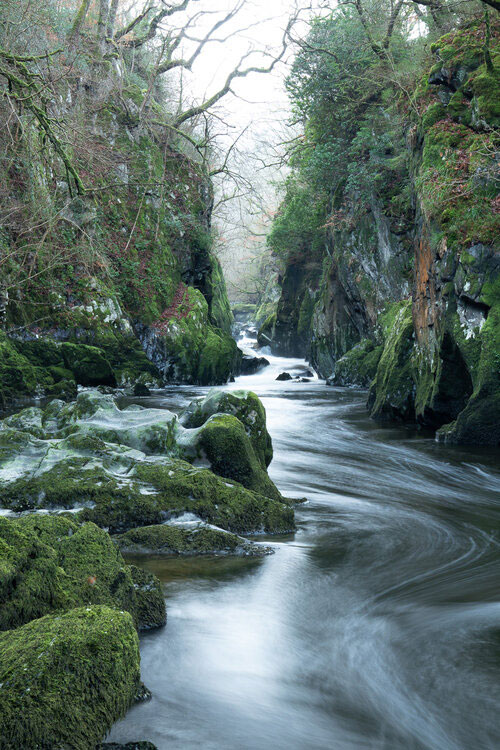
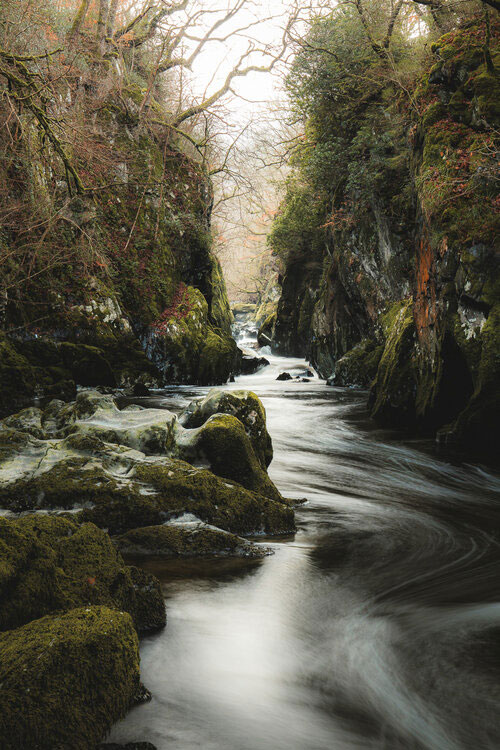
Another tip within a tip: try not to get stuck in a groove. It’s always good to push yourself and find ways that you can improve. No one is ever the finished article. Instagram is a wonderful platform but it can get addictive trying to build that ‘consistent feed’, meaning that you never really test your limits or learn anything new. I’ve learnt recently, that each photograph has its’ own story all together and may need a completely different style of edit in order to bring out the best in it. Wouldn’t it be a shame if you only knew of one way? If you normally edit with warmer, orange tones in your work, try using some cooler tones and enhance your blue and aqua colours for a change that might help to emphasise a feeling of cold.
Ansel Adams famously stated that editing is 50% of the entire photography process and this is something that I’ve really learnt to resonate with. I’ll be releasing some blog posts & videos on my editing process very soon. Feel free to sign up to my newsletter at the bottom of this page for all of the latest updates.
10. JUST GET OUT THERE AND SHOOT
Seriously. Stop reading this. Now. Well.. I mean, I suppose you could at least finish this point first.
Not really. I’m done. Go. Pick your camera up and get out of here.
Pssst I’m joking. You still here? Ok. Well I might as well expand now.
You can read all of the blog posts, watch all of the YouTube videos and buy all of the books that you want. There is not a single thing in that list or any one of my points that will transform your photography as much as going out and clicking that shutter button. Aim it at everything. Just promise me that you won’t do anything illegal and then tell the police that I told you to do it?!
Most of my learning about ISO, aperture and shutter speed was done in the garden and around my local town. I didn’t have a car to drive to locations when I first started photography so I was forced to think creatively. Luckily my Mum loves her garden so I made great use of her flowers and plants to learn everything that I could about my camera and the lenses that I owned back then. There is also a beautiful little field next to my house so I would venture over there to practice my skills and learn a little about composition and the rule of thirds. It wasn’t glamorous. But we can’t be in Snowdonia or Alps all of the time now can we?
You’ll make mistakes. I still make mistakes regularly. There are just longer intervals between my mistakes. And they aren’t as stupid as not knowing how to focus a lens. Yep, I literally took out-of-focus photos for weeks before I saw a friend twisting the end of his lens and asked ‘what does that do?’ Embarrassing then. Very funny now. But there you go. It won’t be perfect, just like anything. But like I said in point number 3; chase progress, not perfection.
On saying that, here is your queue to leave now. Go. Take photos. Like my nan says, ‘you know you’re always welcome to come and visit whenever’. If you want to share some photos with me, or if you need any help the I am only an Instagram message away.
One more thing, as promised. Here are some links to channels down below. Three legends of photography. Sorry that they are links to other people, you’re obviously here because you want to learn from me. Who knows, one day I might have my own videos to link to.
Nigel Danson – cinematic and beautiful videos & story telling.
Thomas Heaton – very open, honest & real. And a damn good photographer!
Mads Peter Iversen – dramatic, epic & moody. His Isle of Skye videos are what first inspired me to go there myself.
Don’t forget to subscribe to my newsletter at the bottom of the page for updates on my future blogs, workshop events and 1 to 1 coaching.
Thank you for reading. Happy photographing.
Words and photos: Brad Carr
Originally published on the Brad Carr Photography website.