
FUW in talks with Ceredigion County Council Leader following concerns about the lack of a cow’s milk option for making smoothies on their stall at the Eisteddfod
Following concerns raised by members of the public about the lack of cow’s milk as a choice for children who were making smoothies on a stand run by Ceredigion County Council on Monday where oat drink alone was allegedly offered as a base, a discussion was had with the Leader to understand the reasoning behind the decision.
Discussing the matter, the point was raised by an FUW official that this year’s Eisteddfod was being held on a dairy farm, therefore could they offer an explanation for the dubious choice of using an oat drink from France rather than local fresh milk?
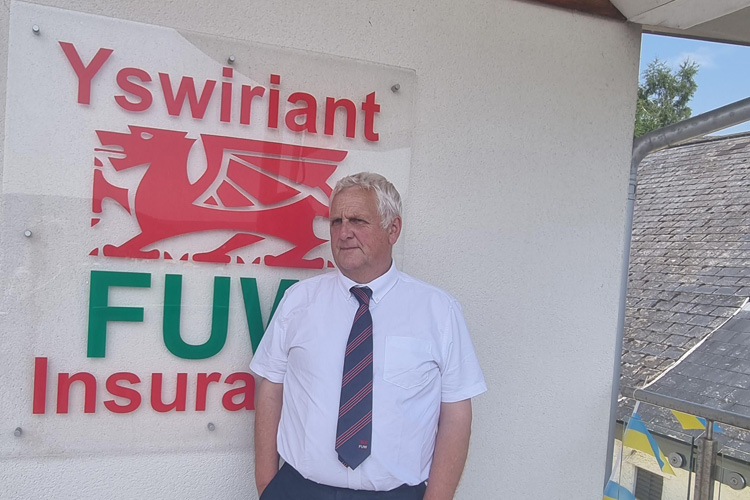
Speaking on behalf of the Farmers’ Union of Wales, the President Glyn Roberts said:
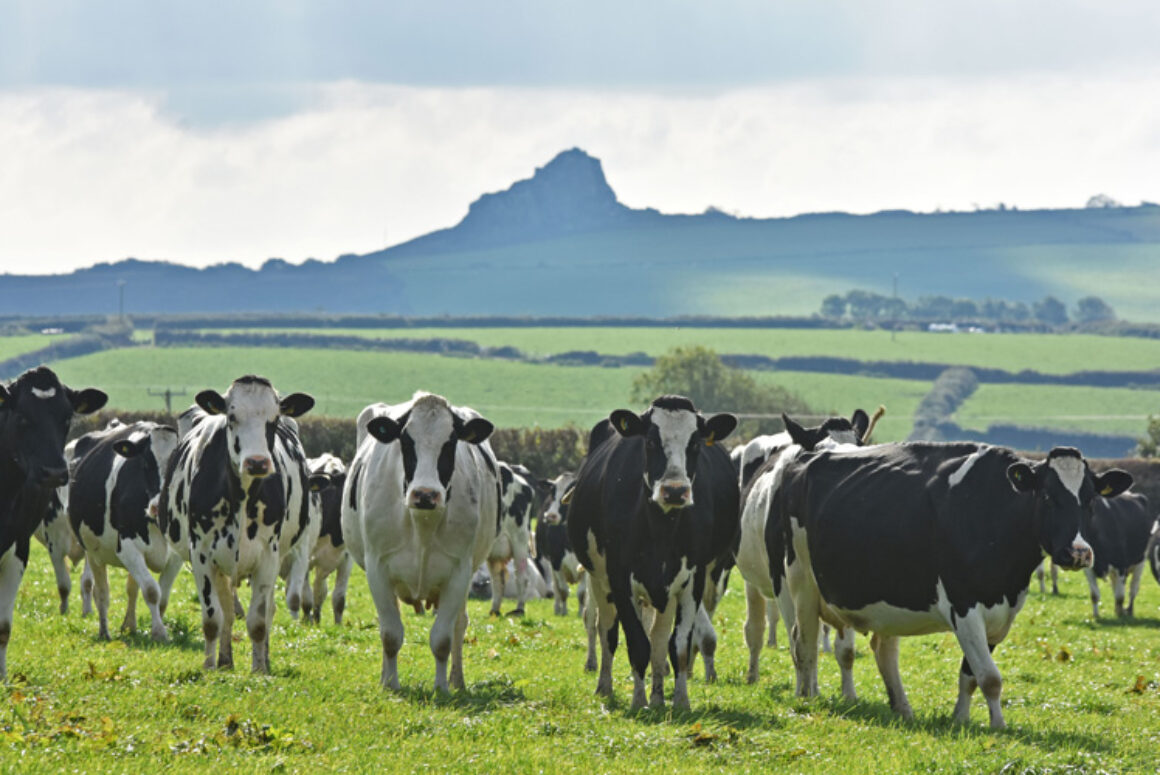
“Ceredigion is one of the most famous counties in Wales for producing milk and the industry makes a huge contribution to the economy and culture of the county.
The Eisteddfod Maes and competing is full of adults and children who come from dairy farms, as well as those who work in the milk industry and the feelings of disappointment and anger about the choice of using oat drink from France rather than local milk is plain to see.”
Although Ceredigion County Council claim that the decision to use oat drinks rather than cow’s milk was based on concerns around maintaining adequate and safe temperatures while storing milk, Mr Roberts said that there were serious concerns to answer about this excuse.
“The Farmers’ Union of Wales-like tens of other organisations-give out cow’s milk regularly on stalls at shows and events and have done so for decades-even at the Royal Welsh Show recently where temperatures soared higher than ever before.
There is nothing out of the ordinary about the temperatures we are experiencing this week and so the question still stands, so why has Ceredigion County Council decided to promote oat drinks imported from France rather than locally-sourced milk of the highest possible quality?”
Farmers Union of Wales
How we work
Here at the FUW we pride ourselves on the grassroots connection we have with our farmers. We have a democratic and local structure, which mean members influence FUW policy and are the core of the Union.
Support and guidance from local offices
Every county in Wales has a local office, where our team of staff is headed up by a dedicated County Executive Officer. Your local CEO is your first port of call for a range of support services such as agri-policy queries, appeals, penalties, Glastir and Capital works, farm administration support (including assistance with SAF, BCMS movements and RPW online registration), and they can also provide professional guidance with planning, rights of ways and boundary disputes.
Representation and local issues from county groups
The county office meet with local membership to discuss the current state of the industry and help to further shape the FUW’s policies. Local FUW officials such as the County Chairman and County President, who have been elected by members, are also hands-on and have an important role to play in representing our members.
Representatives from these groups, the sector committees, the union officials and staff meet quarterly at the ‘Ground Council’ which is the democratically elected, governing body of the Union. The council reviews the Union’s activity as well as discusses current and future agricultural issues affecting Welsh agriculture in a truly grass roots format.
Lobbying and campaigning
Our head office, based in Aberystwyth, is home to our marketing, membership, policy and press team, who are lobbying and influencing Governments at all levels in Westminster, Cardiff and Brussels. They work hard to advance the interests of those who derive an income from agriculture in Wales and whether on a local council group or national body they are protecting the interest of our members throughout the year.
Information and development from our committees
We also have 11 policy (standing) committees, including Animal Health and Welfare; Milk and Dairy Produce; Livestock, Wool and Marts; Land Use and Parliamentary; Education and Training; Diversification and the Younger Voice for Farming Committees. They meet to discuss key issues, receive information on the latest developments from the policy team, and create action points in the interest of advancing the sector.
These are made up of democratically elected farmer representatives from the Union’s 12 county branches, facilitated by a member of the policy team, and chaired by the elected member representative.