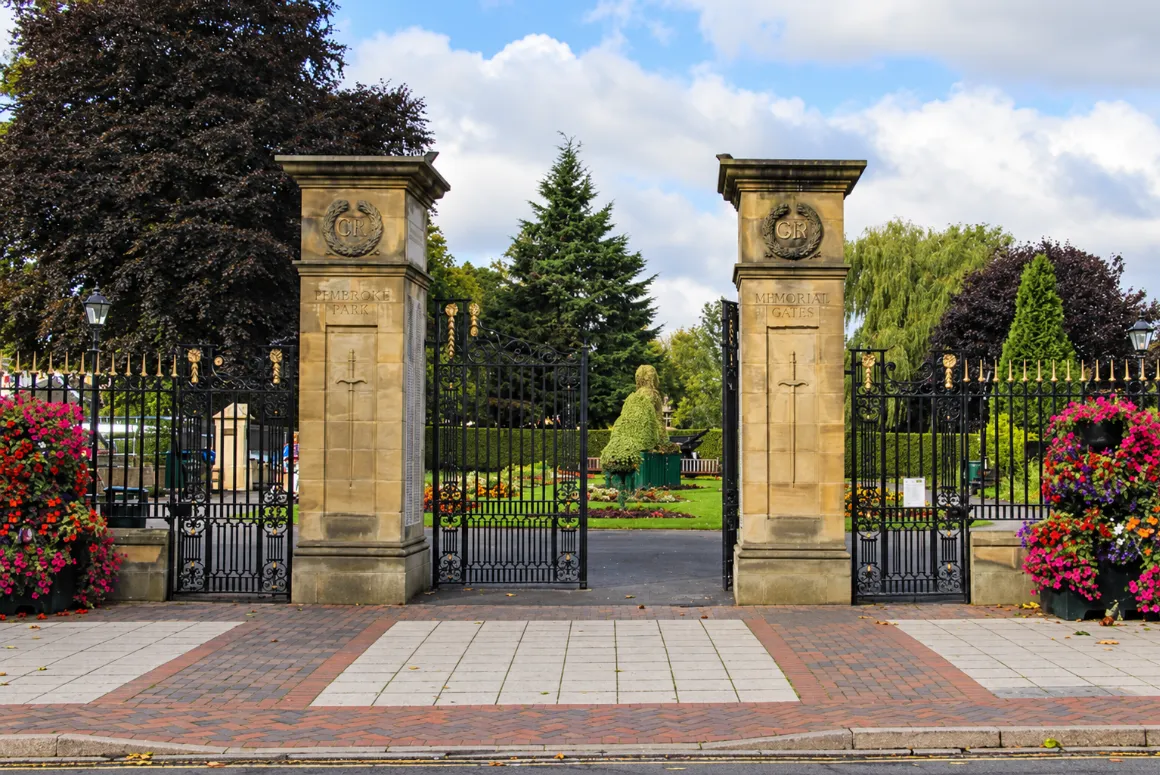
An Oswestry man, Arthur Bowles, served his country in two wars and throughout the Empire is all but forgotten for his name does not appear on any war memorial, but it’s now hoped his name will take its place of honour on the Park Gates War Memorial in Oswestry.
Oswestry amateur historian, Chris Bryan-Smith came upon Arthur through the Oswestry History Group’s research on the Boer War and explained,
“It just stuck a chord with me, it just seemed so sad that Arthur thought he had no one in the world so would be totally forgotten – and he so nearly was! Arthur was born to an extremely dysfunctional family on 29th June 1876 in Llandetty, Breconshire but his father was soon convicted again for poaching, so Arthur and his siblings, Edward and Clara were dropped at the Oswestry Union Workhouse in Morda in 1878 when Arthur was just two. Their first recollection was of being in the Oswestry area, so they always assumed they had been born nearby”.
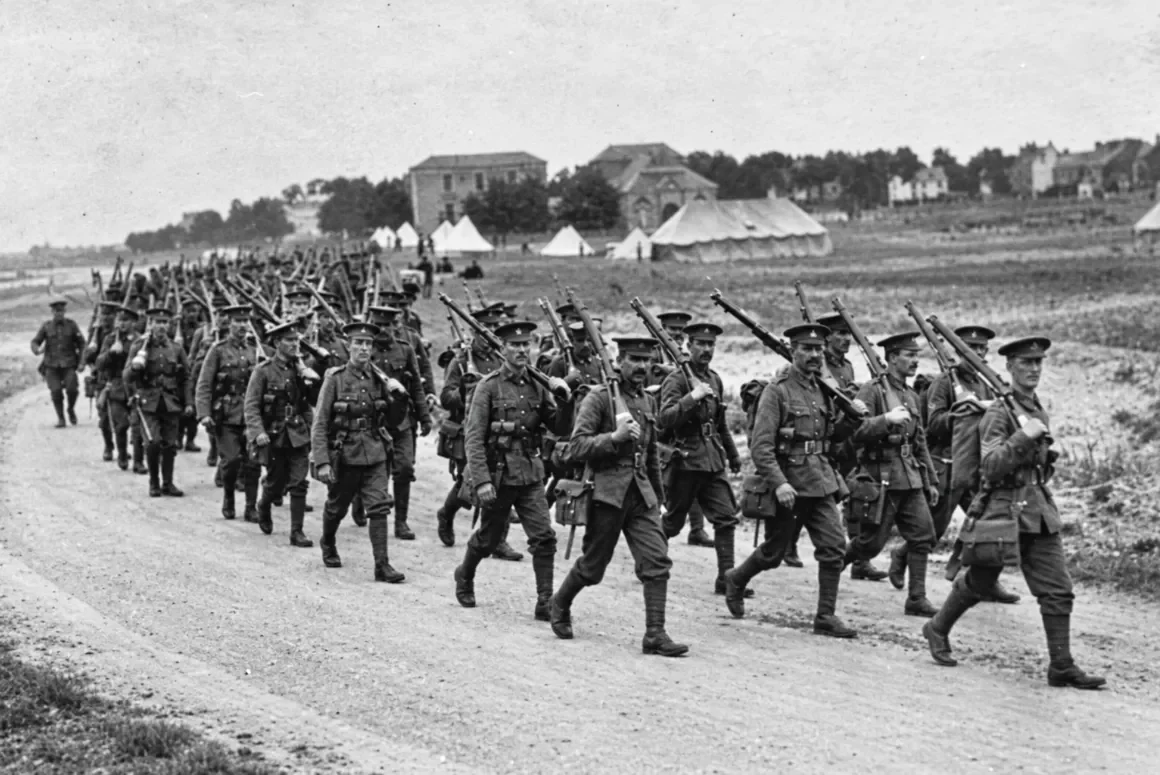
Feature image: Welsh Fusiliers in France 1914 | RWF Museum
Records are scarce as to what their childhood was like, but male and female were generally segregated so he may have seen his older brother but would have very seldom seen his sister and when his brother was taken out of the workhouse and died, it left Arthur isolated.
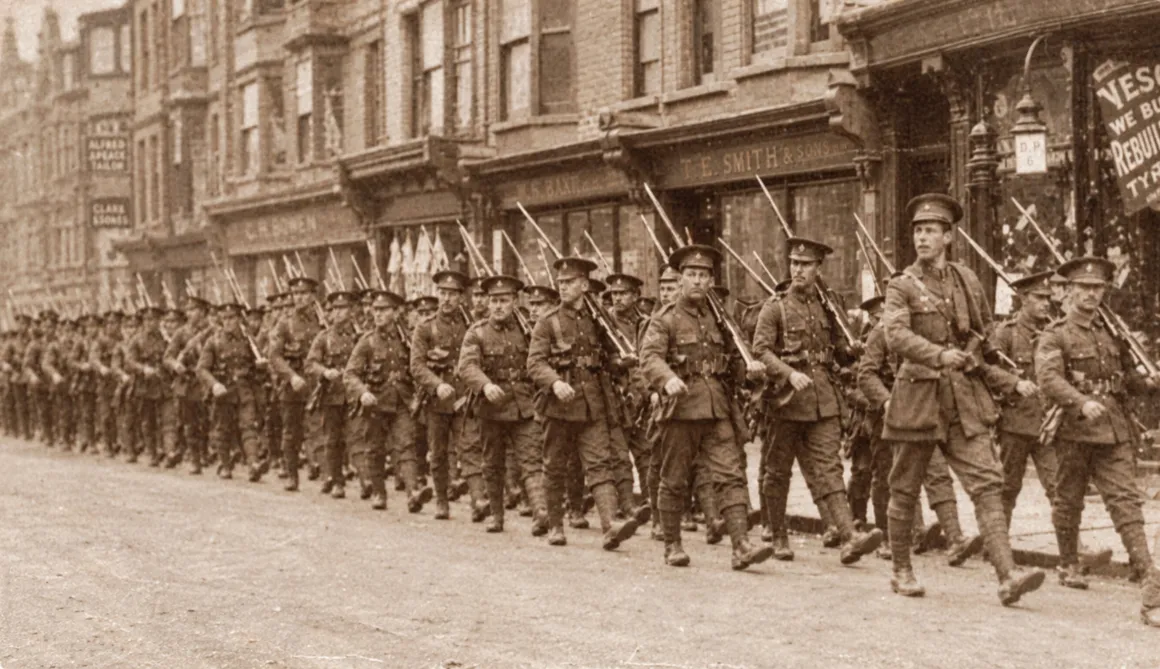
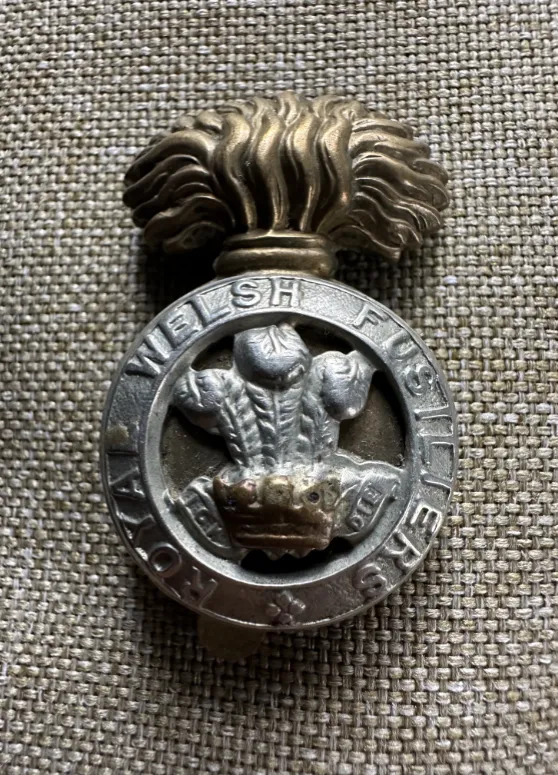
“Arthur joined the 1st Battalion, Royal Welsh Fusiliers in Wrexham when he was 18 years old on 15th June 1894.” continued Chris, “and served all over the Empire in such far-flung places as India, Malta, Crete, Egypt and ended up in the Boer War in South Africa where he was slightly wounded at a battle known as the Passage of the Tugela River. He then left the army until the outbreak of WW1 August 1914 when, he again, volunteered. The Fusiliers were sent to France as the German army ripped through Belgium and into France – this is before the trenches that we all associate with WW1 were even dug – and they were thrown in to try and halt the tide of Germanic zeal and were, but for a very few, wiped out”
It is recorded that Arthur Bowles died in France on 19th December 1914 – of wounds – and buried at Sailly-sur-la-Lys. It is believed he was wounded in the Well Farm attack (Rouge Bancs), just south of the infamous town of Ypres, the day before.
“It’s interesting to note that when he signed up in 1894, he gave his next of kin as his sister Clara, who married a Joseph Jones and had several children – one named Arthur – but when he signed up again in 1914, he leaves everything to a colleague in the Fusiliers, Thomas Borthwick. In correspondence, Private Borthwick reports that Arthur had told him, ‘He did not have a single relation in the world’. We know that his sister died in 1915 so would have been alive at the time of his death, but we know nothing of the family dynamic. It’s just so sad that he thought himself so alone – he deserves to be remembered for his service and sacrifice for his country in the town he called home – Oswestry”.
At the end of the war in 1918 there was no single national mandate or legal decree stipulating the nature of war memorials, instead, it was a massive grassroots movement, driven by grieving local communities immediately following the November 1918 Armistice. As no one knew Arthur, and the fact he had been killed so early on in that great conflagration, no one put his name on any list.
It’s likely that there are living descendants of his sister Lara still in the area and Chris would love to hear from them on c.bryansmith@btopenworld.com
Image attributes:
[1] 1st Battalion Royal Welsh Fusiliers marching off to France in 1914 – there is a certain innocence to the picture | RWF Museum
[2] WW1 Royal Welsh Fusiliers cap badge | Chris Bryan-Smith
[3] Memorial gates, Church Street, Oswestry © Bill Boaden (CC-BY-SA/2.0), Source