Welsh Slate has long been an integral part of Wales and Welsh Business as we have talked about before: Read: ‘Welsh Slate and Porthmadogs The Cob Toll House’.
Wales was the world’s first industrial nation, and industrial heritage is an important part of Welsh history. The slate industry is iconic to north Wales. It played a vitally important role in forming our social and economic landscape. Its product is one of the most important single source building resources. It was exported to all continents. Welsh slate roofed the industrial Revolution.
More than slate was exported; Slate quarries in Gwynedd exported workers, their skills, their knowledge, and their technology. Narrow gauge railways were an integral part of the industry and both their design and their success was replicated worldwide. Our quarrymen in Gwynedd were also ready to innovate, by learning about techniques from other areas and nations.
So it so pleasing that the slate landscape of north-west Wales has been added to the UNESCO World Heritage List, making it the fourth World Heritage Site in Wales.
First Minister of Wales Mark Drakeford said:
‘Today’s (28th July 2021) announcement recognises the significant contribution this part of north Wales has made to the cultural and industrial heritage not only of Wales, but of the wider world. Welsh slate can be found all over the world.
The quarrying and mining of slate has left a unique legacy in Gwynedd, which the communities are rightly proud of. This worldwide recognition today by UNESCO, will help preserve that legacy and history in those communities for generations to come and help them with future regeneration.
Led by Gwynedd Council, the inscription is the culmination of over 15 years of hard work by partners including Cadw to record, safeguard and recognise the living legacy of the slate landscape of Gwynedd.’
Deputy Minister for Arts and Sport, Dawn Bowden recently visited the National Slate Museum, and said:
‘This is such fantastic news for the area and for Wales. Working on and submitting the bid has been a real team effort, and I’d like to thank everyone who has been involved. This news has made all the hard work worthwhile!
Gaining World Heritage Site Status is an excellent celebration of the pride in our slate communities and a driver for future regeneration.’
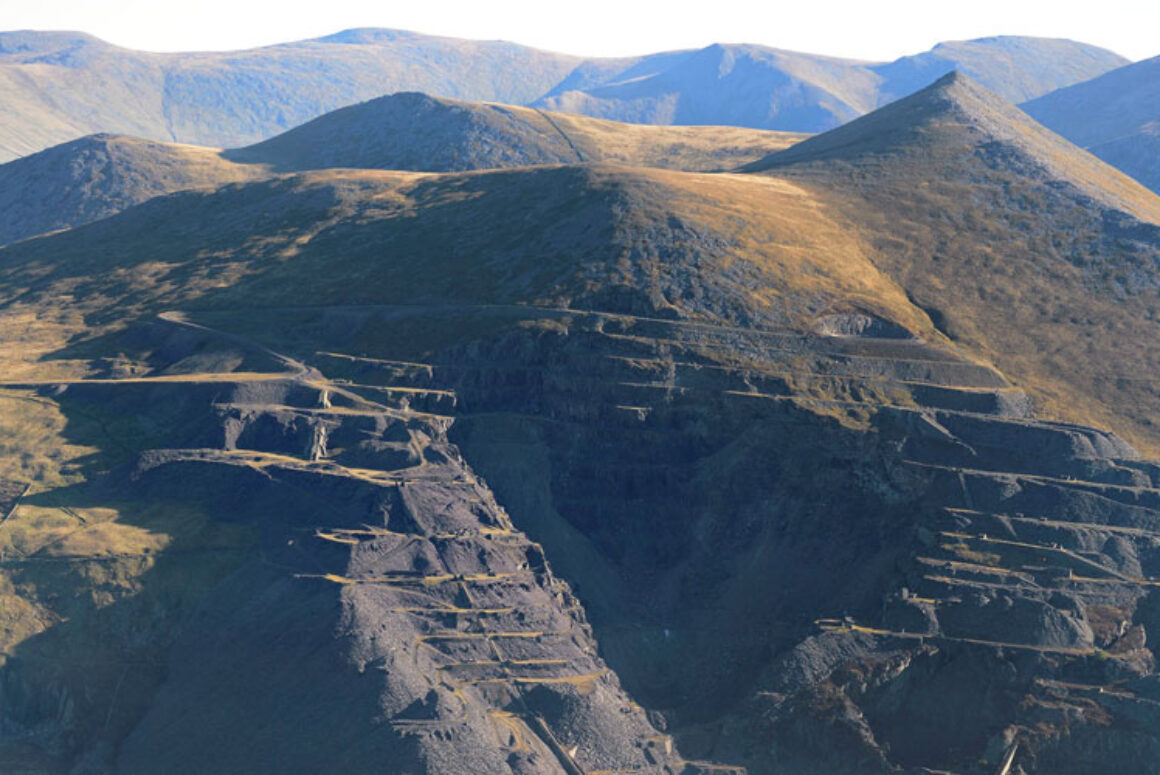
The new World Heritage Site is a serial property in six parts including spectacular quarry landscapes such as Penrhyn, Dinorwig, the Nantlle Valley and Ffestiniog. It also includes the National Slate Museum in Llanberis, Penrhyn Castle and the famous Ffestiniog and Talyllyn Railways, built to transport the slate from quarry to markets around the world and both later transformed through the dedication of volunteers into heritage railways.
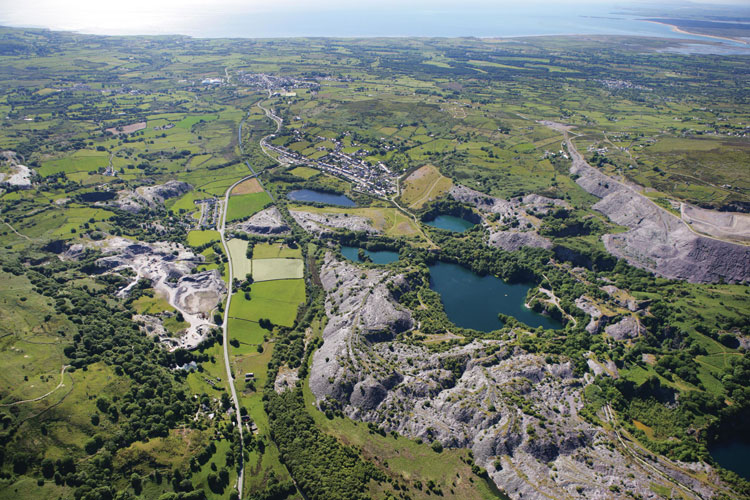
Nomination Vision
The vision of the nomination was to protect, conserve, enhance and communicate the important qualities of the area in order to reinforce cultural distinctiveness and strengthen the Welsh language, and become an important driver for economic regeneration and social inclusion.
The Aims of the Nomination
- A thriving regional economy
- Vibrant and living communities proud of their community and heritage
- High quality, skilled employment
- Higher value tourism sector, all year round
- Continuation of the slate industry
- A sustainable and living landscape
- Celebrate the role of our slate heritage in the world
- Protect and enhance physical heritage
These explain why it was decided to nominate The Slate Landscape of Northwest Wales as a World Heritage Site. The nomination process has been long and complex, but all involved have enjoyed working together.