Driven by shortening daylight, falling temperatures and dwindling food supplies, tens of thousands of wildfowl and wading birds leave their Arctic and sub-Arctic breeding grounds every autumn to travel hundreds, and sometimes thousands, of miles to reach the food-rich mudflats of the Dee Estuary in North Wales.
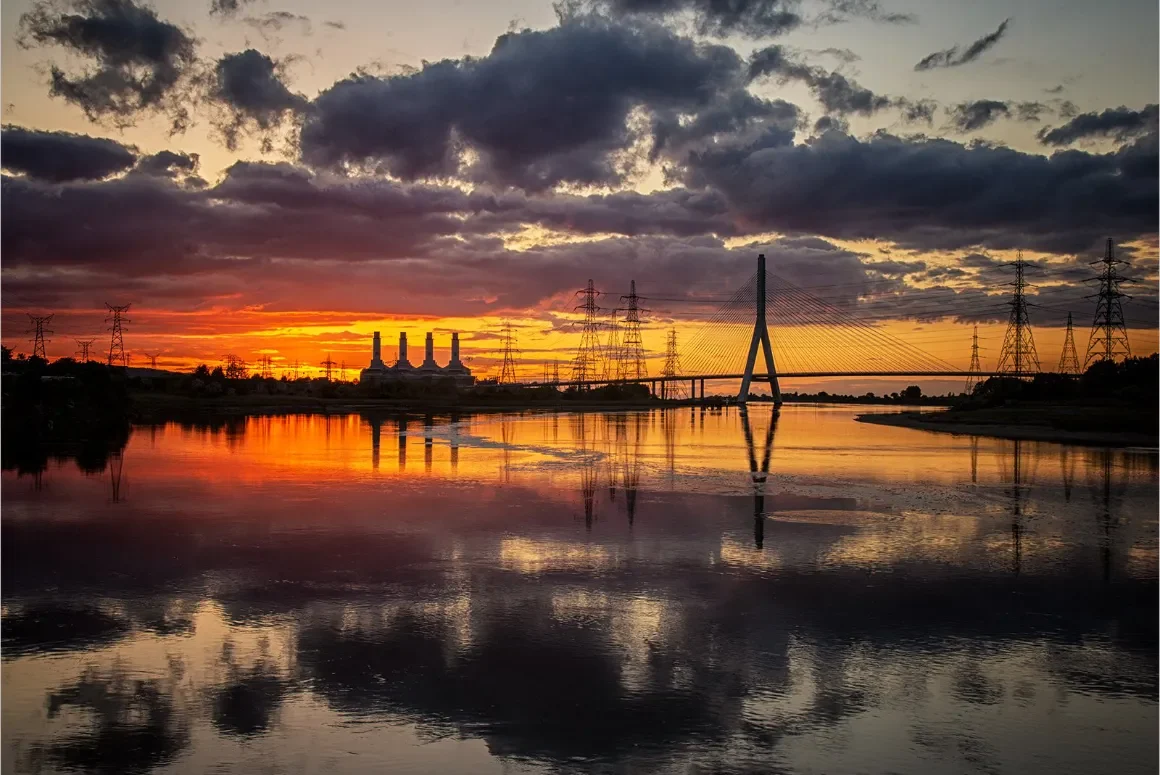
Having travelled some 70 miles from its source in the mountains of Eryri, the River Dee escapes its straightened, canalised section at Connah’s Quay, swelling to several miles wide as the waters flow towards the Irish Sea. Ranking among the top ten in the UK for wintering wildfowl and waders, the Dee Estuary, separating the Wirral Peninsula from Flintshire in north-east Wales, supports at least 120,000 birds from dozens of species throughout the colder months.
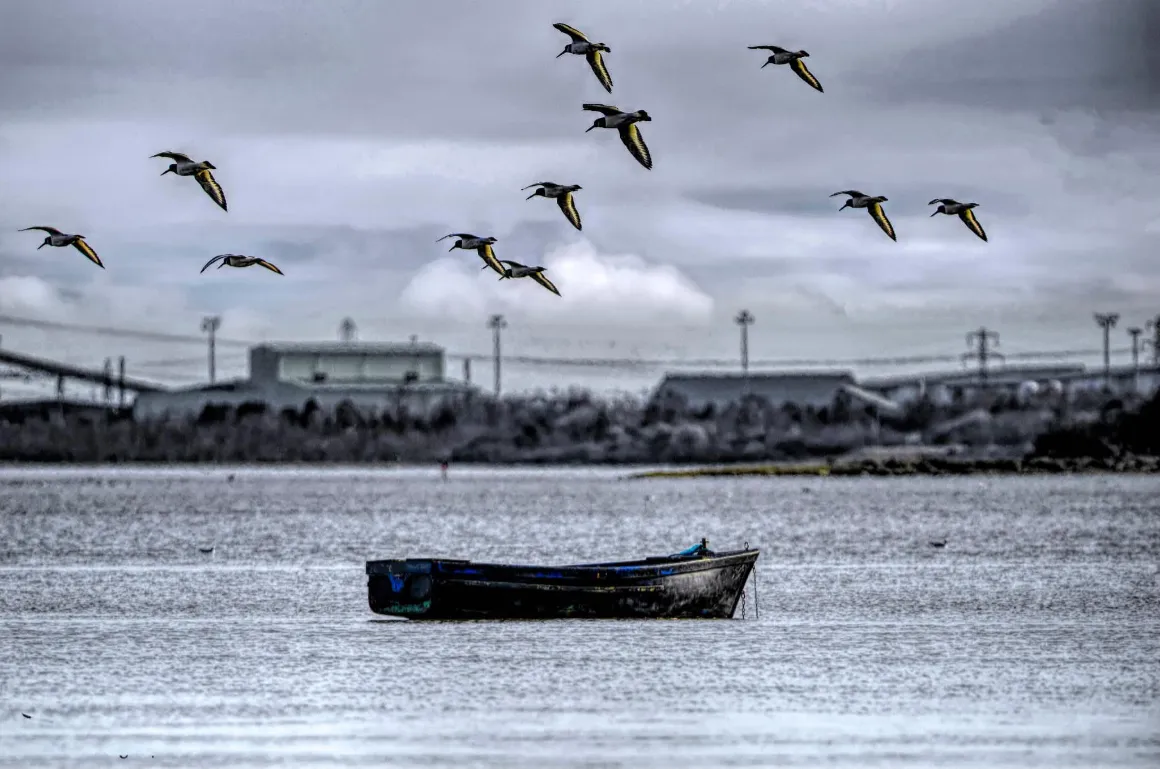
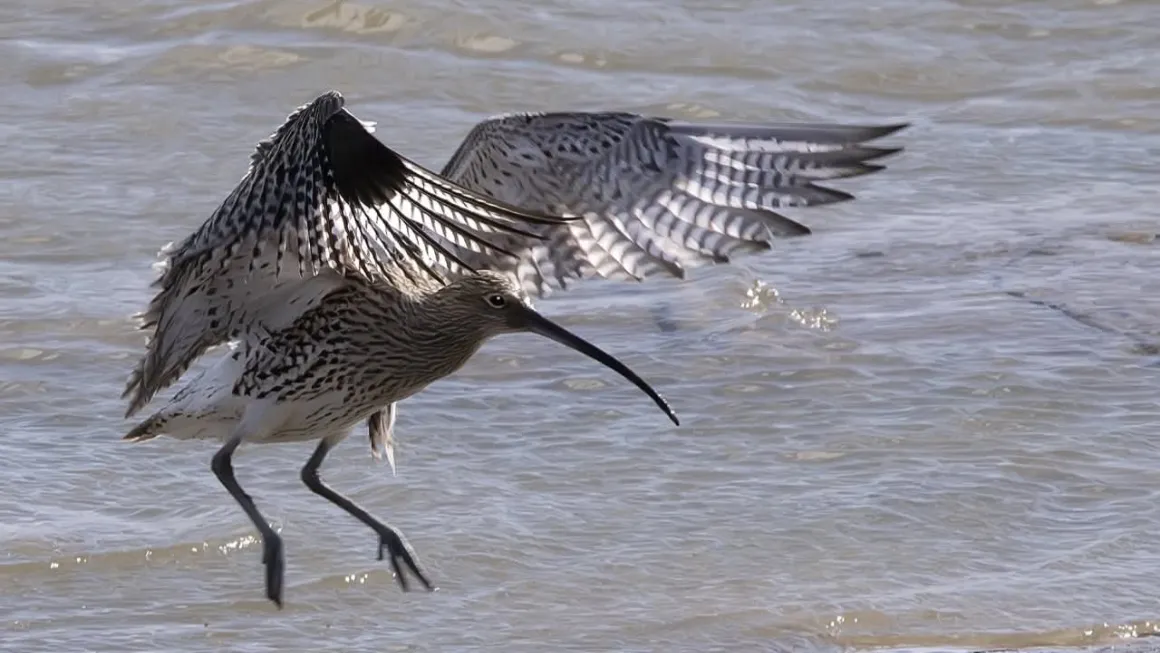
Orange-billed oystercatchers gather here in their thousands, alongside little dunlin, which scurry among them, constantly on the move. Great flocks of knot wheel and shift across the mudflats while sanderlings race the waves along the tideline. Out on the water are the ducks: elegant pintails, tiny teals, and striking shelducks, instantly recognisable by their dark green heads and piebald colouring. At the water’s edge, redshanks pick their way through the shallows, quick to sound the alarm, and black-tailed godwits probe the mud with their long, straight bills. Above it all, the curlew’s bubbling, haunting call carries across the estuary, as much a part of the landscape as the tide itself.
On the English side of the water, near the village of Burton, RSPB Burton Mere Wetlands provides opportunities for close-up viewing of wintering wildfowl, its reedbeds and freshwater pools attracting birds from the open estuary at high tide. Further towards the mouth of the estuary, the shaggy dunes around Point of Ayr and Talacre look out across sand and open water, offering another vantage point.
Offshore, the Hilbre Islands, sometimes accessible with care at low tide from the Wirral side, are also a great place to watch large roosts gathering as the water rises around them. As the mudflats disappear, birds are pushed into the air in their thousands, forced onto the last remaining islands of exposed ground.
The fragile winter light adds to this spectacle. The sun rises late and sits low even at midday, shadows stretch long across the mudflats, and the wet surface holds silvered reflections in shallow pools and shivering rivulets. Flocks lift – dark against the sky, then pale and shimmering as they turn in unison – a choreography of flight, fluid and fleeting.

I have known the river here for almost a lifetime. My dad worked at Shotton Steelworks for many years, and for me the estuary was a part of everyday life, a working landscape of heavy industry, fishermen and boats. I remember its sights, its smells, its sounds, absorbed almost unconsciously: the river mud, the loud, metallic clanks and deep rumbles from the works, towering vapour clouds from the old cooling towers, and always, birds calling across the water.
It is easy, living alongside it, to take this stretch of the Dee for granted, a huge expanse of mud at low tide, familiar and seemingly unremarkable. But the landscape I once dismissed as ordinary I now see quite differently – a place of wind-chased clouds, restless tides and shifting sands, teeming with life above, beneath and along its shores.