
In 1896, at the age of eleven, Llew was given a Brownie Box camera by his beloved grandmother. This gift fired in him a lifelong passion for photography, and while it was given to celebrate his success in obtaining a County scholarship to Ystalyfera Grammar School its initial effect was rather counter-productive. While the boy, camera in hand, found such fascinating subjects to capture on his way to school, arriving there on time, if at all, proved impossible. The camera was duly confiscated during schooldays.
His mother’s family had left farming in Llanfynydd, Carmarthenshire, as many left the land during the Industrial Revolution, to settle in Ystradgynlais at the top of the Swansea Valley.
Here they ran the Jeffrey’s Arms a handsome Victorian building still just about standing today.
His father, Edward, was from a mining family and proud to be so. As soon as he could Llew insisted on following his father underground and left school for a daily walk of three miles to Seven Sisters colliery before beginning a ten hour shift, and then the walk home, six days a week.
After one bad accident Llew trained to be an electrician, little knowing that this would lead to a near-death experience. Someone had not been given his instructions that the power be kept off while he installed a new pump underground. He was left holding a live wire, his arm burnt to the bone. A doctor advised amputation, but his mother, in her wisdom, took him to the local herbalist, Marged the Poultice, who kept every healing plant in her Cwmgiedd garden. Bathing the boy’s arm in hot olive oil while he would faint with the pain, she then applied a poultice infused with herbs. Slowly new skin grew and over months his arm was restored.
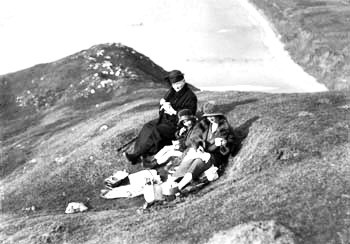
It was on his weekly walks to Marged’s that he often passed a pretty girl who he found out was Blodwen, daughter of Morgan Davies, the builder responsible for several chapels in Ystradgynlais and who also worked for the opera Diva, Adelina Pattti at her home in Craig y Nos.
At first a courtship seemed impossible with Llew’s family being Church and Tory and Blodwen’s, staunchly Labour and Chapel, but this did not deter the young couple from walking out together on Summer evenings. Their mutual love of nature brought them close.
Llew’s parents were now adamant that he would not be returning to work underground and he was encouraged to study for University entrance. He was accepted by his first choice, Exeter, and studied Physics and Chemistry, qualifying in 1910. His time in England had shown him the difference between working class conditions there and those in South Wales, and he now made radical changes to his political views. He joined the Swansea Valley branch of the I.L.P. for its total sympathy with the living conditions of the working class, the disabled and the elderly.
With Morgan Davies’ blessing Blodwen and Llew married in 1912, and Llew began teaching at Ynyscedwyn Junior School. When a daughter was born Llew decided to expand his horizons and applied for a post as Head of an Arts and Crafts school in Oxford. Now began five years in a more sophisticated milieu, but while Blodwen and Betty enjoyed the tea-shops and a fashionable lifestyle, Llew found his pupils less hungry for knowledge than the children of mining families he had been teaching in Ystrad.
However, he could now afford to fully indulge his love for photography and began to send his images to various magazines with an immediate and successful response.
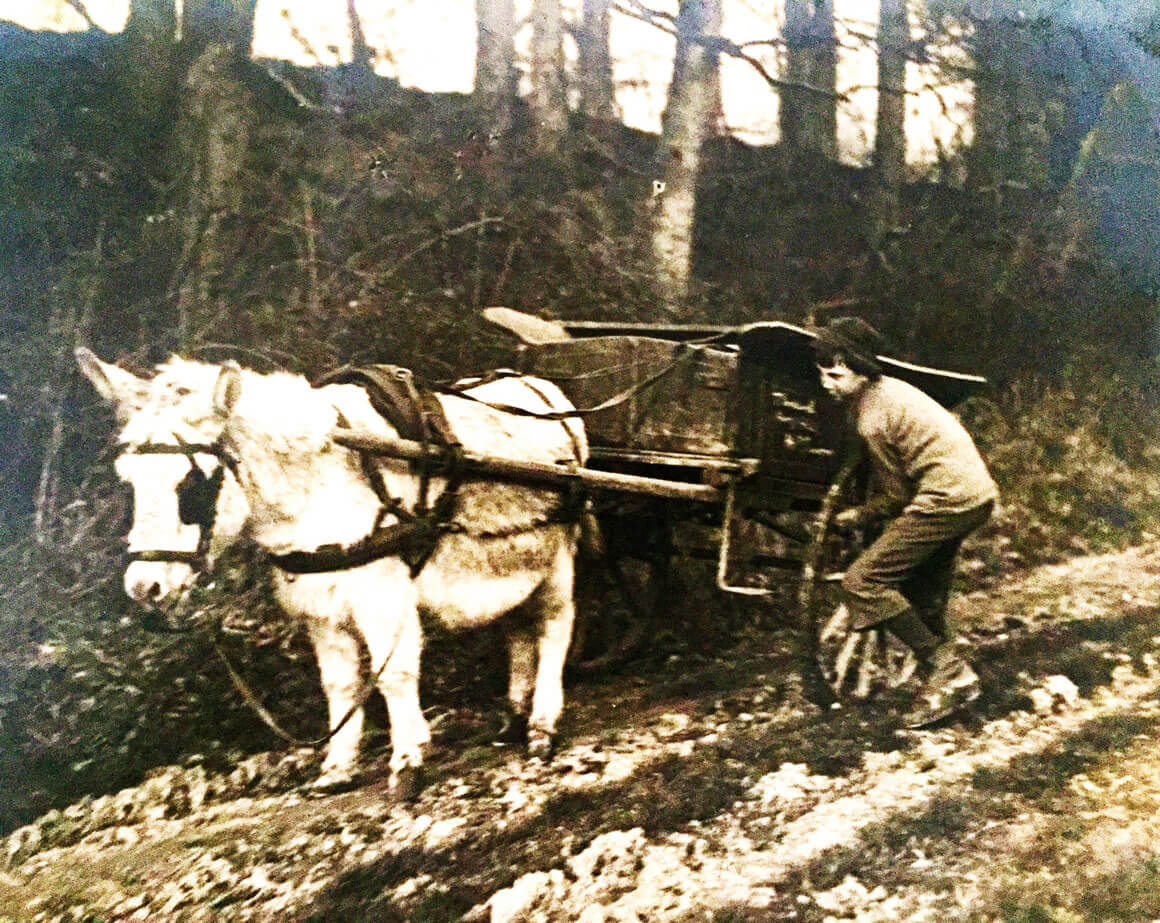
When the school closed through lack of funds, Llew was not sorry to move back to Ystrad, and despite Blodwen’s initial doubts she was happy that Betty now had twenty-one first cousins to play with. Llew took up his old post with enthusiasm, and created his first custom-made darkroom in their new home, Merton, after the Oxford College.
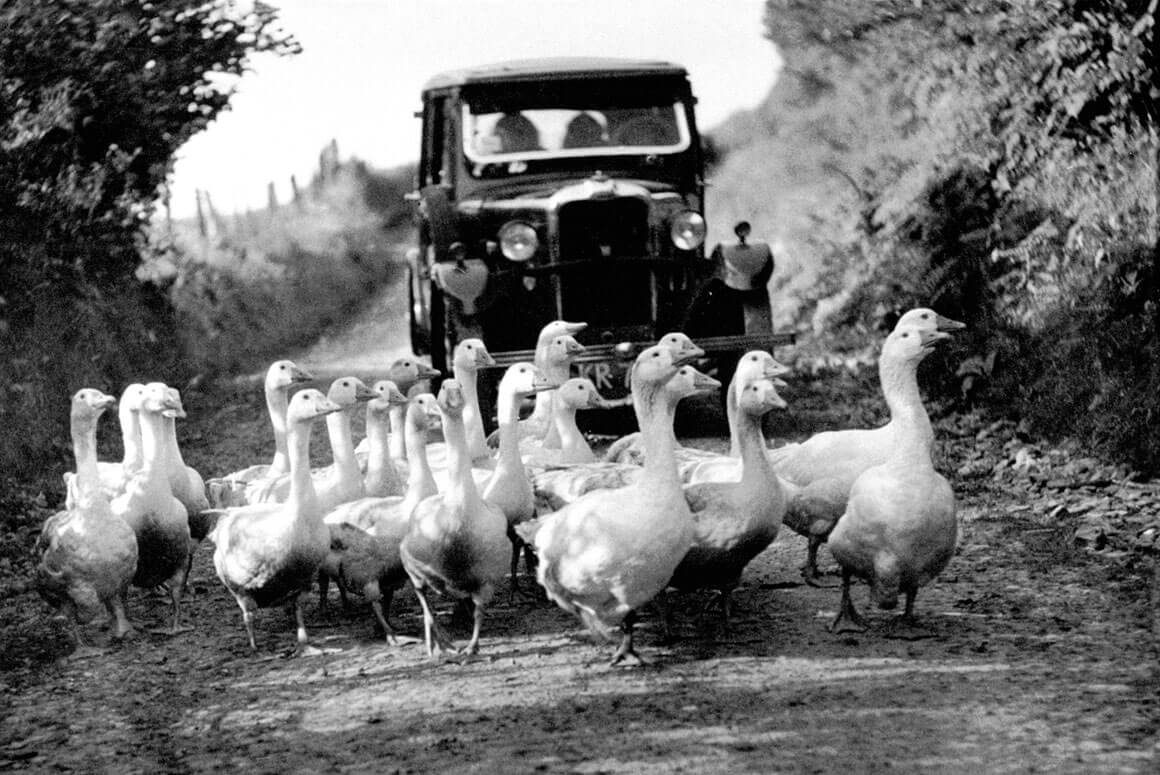
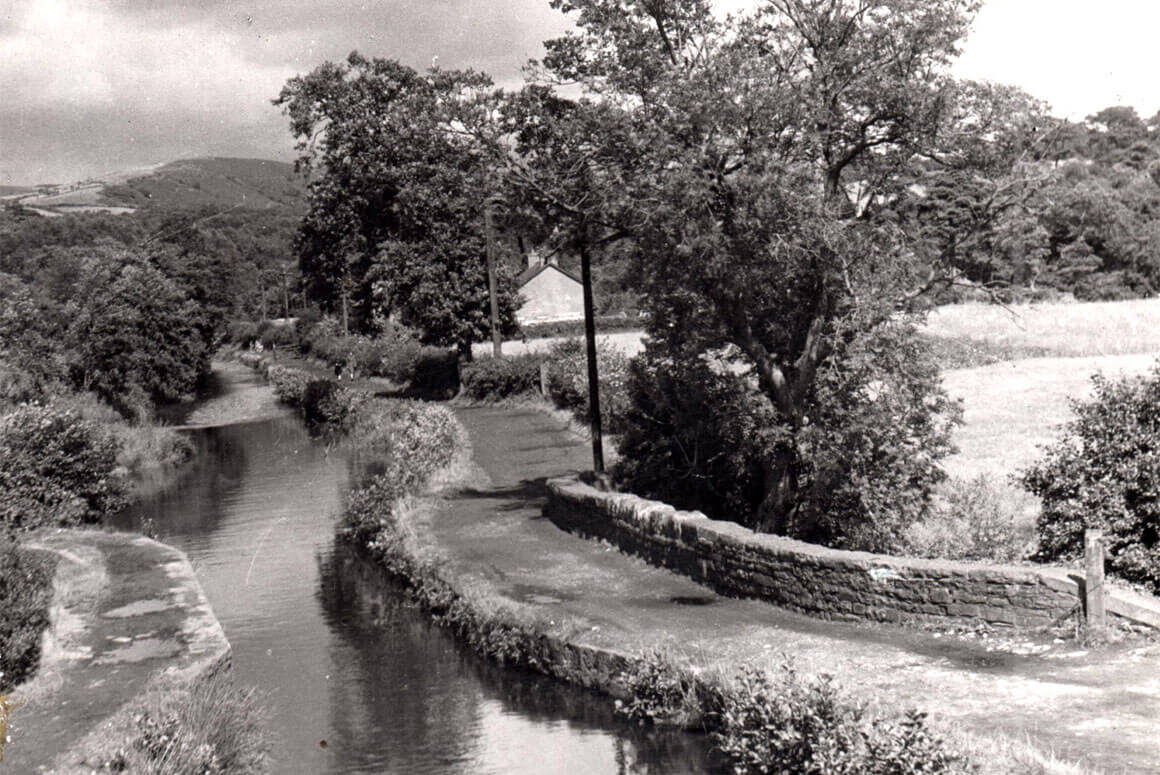
During the twenties and thirties Llew set up wireless-making classes, began a Camera Club and Angling Association, was elected Secretary of the Welsh Poultry Association, became a Fellow of the Royal Horticultural Society, illustrated books, wrote weekly articles for the South Wales Voice on self-sufficiency, taught full-time and began a run of thirteen years of First Prize winners for photography at the National Eisteddfods.
Eric Hosking, a nationally respected photographer and an Eisteddfod judge praised Llew’s work highly. ‘He combines the talents of a true creator, being a great craftsman and even greater artist.’ It was at this Fishguard Eisteddfod that Llew met the broadcaster, Wynford Vaughan Thomas, and they became lifelong friends.
During W.W.2 Llew was appointed Area officer for Wales by the Ministry of Agriculture, and would often travel hundreds of miles, after school, to give his illustrated lectures on livestock keeping.
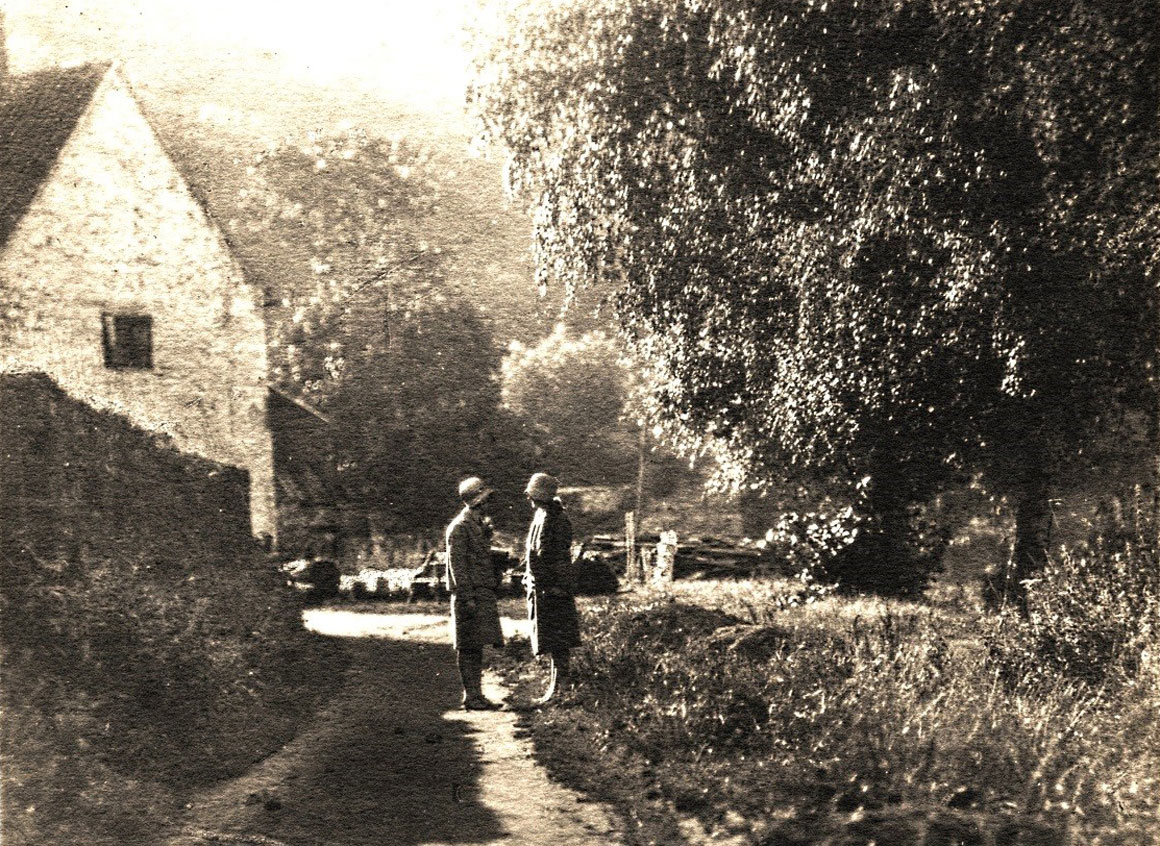
In 1939 Llew began to write and illustrate pamphlets for schools for the B.B.C.. As he had now retired from teaching this work continued through the fifties.
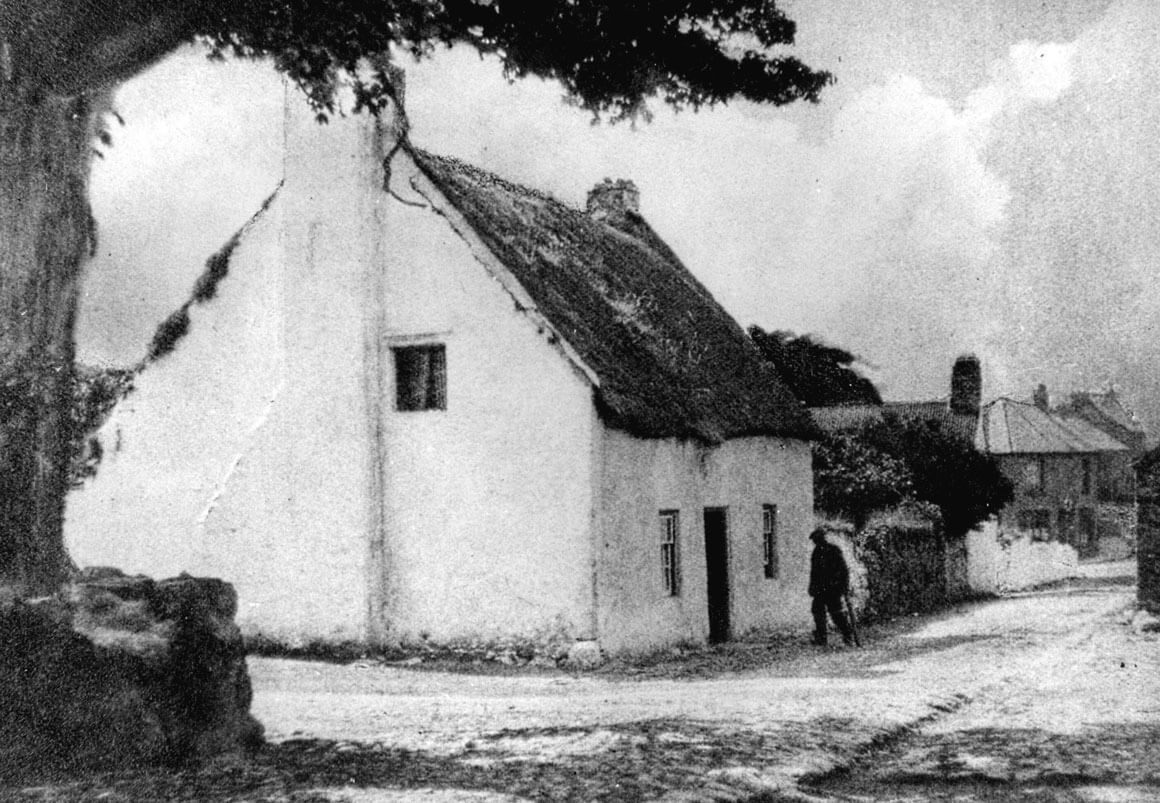
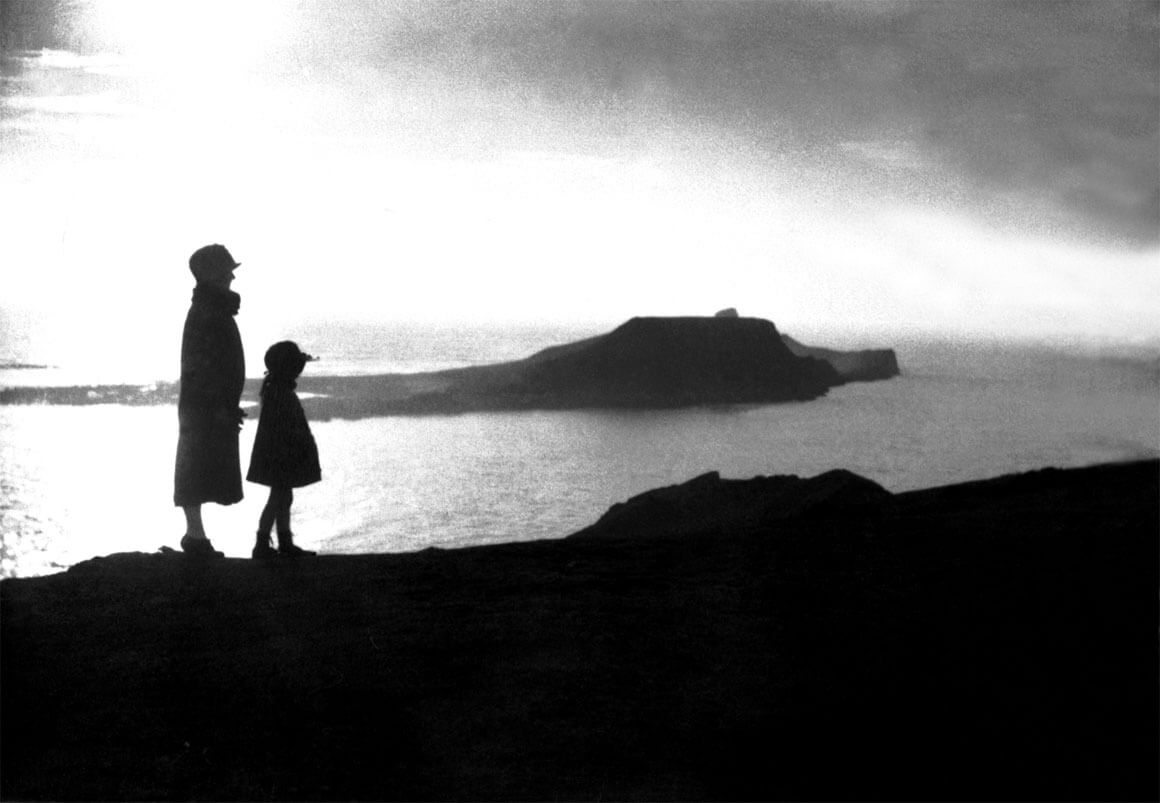
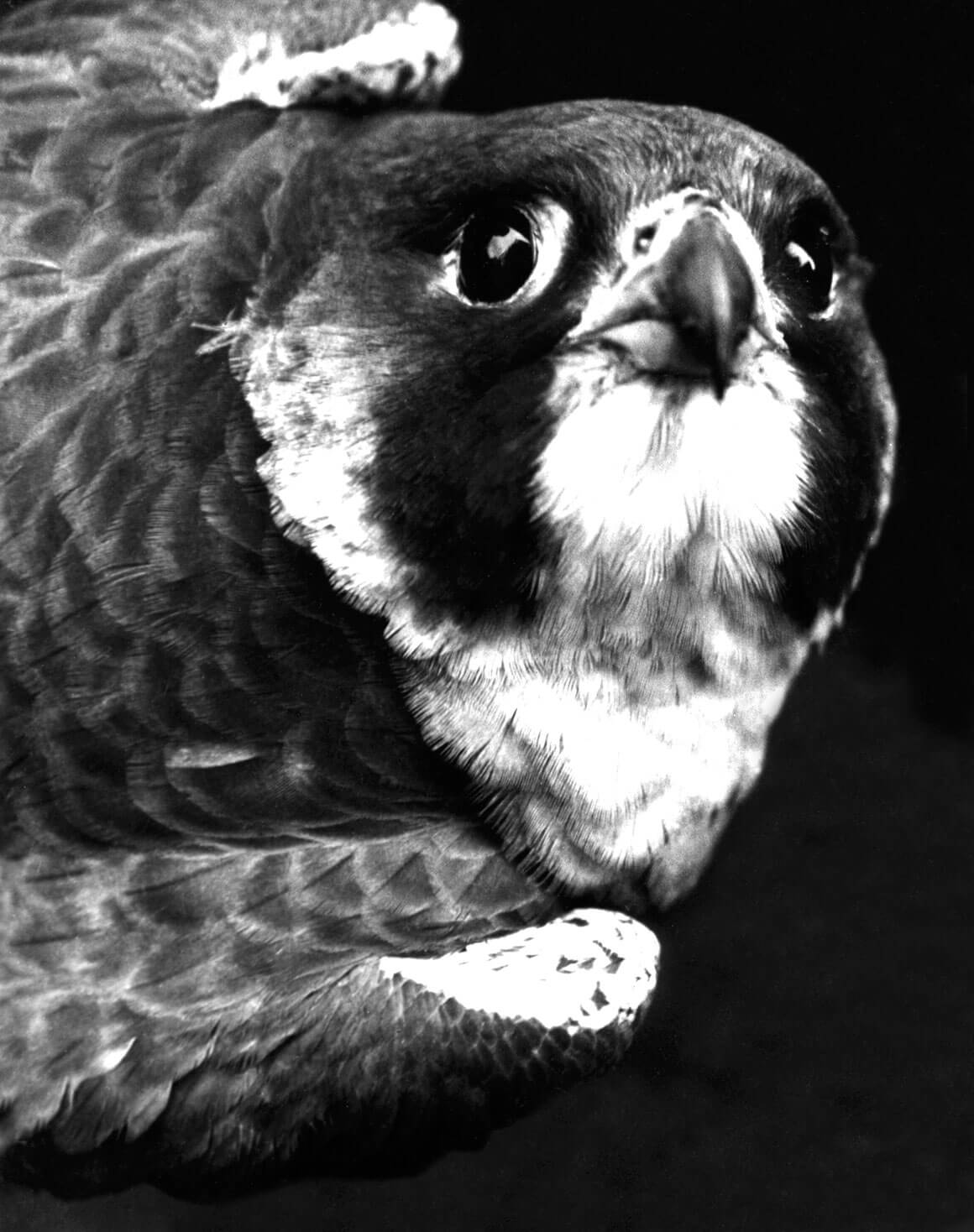
With his first telephoto lens Llew waited for hours to capture this shot which became another prize-winner. Processing all his own work would take him into the small hours of the morning, quite conscious that he would have to be up at 7.0. to prepare for school.
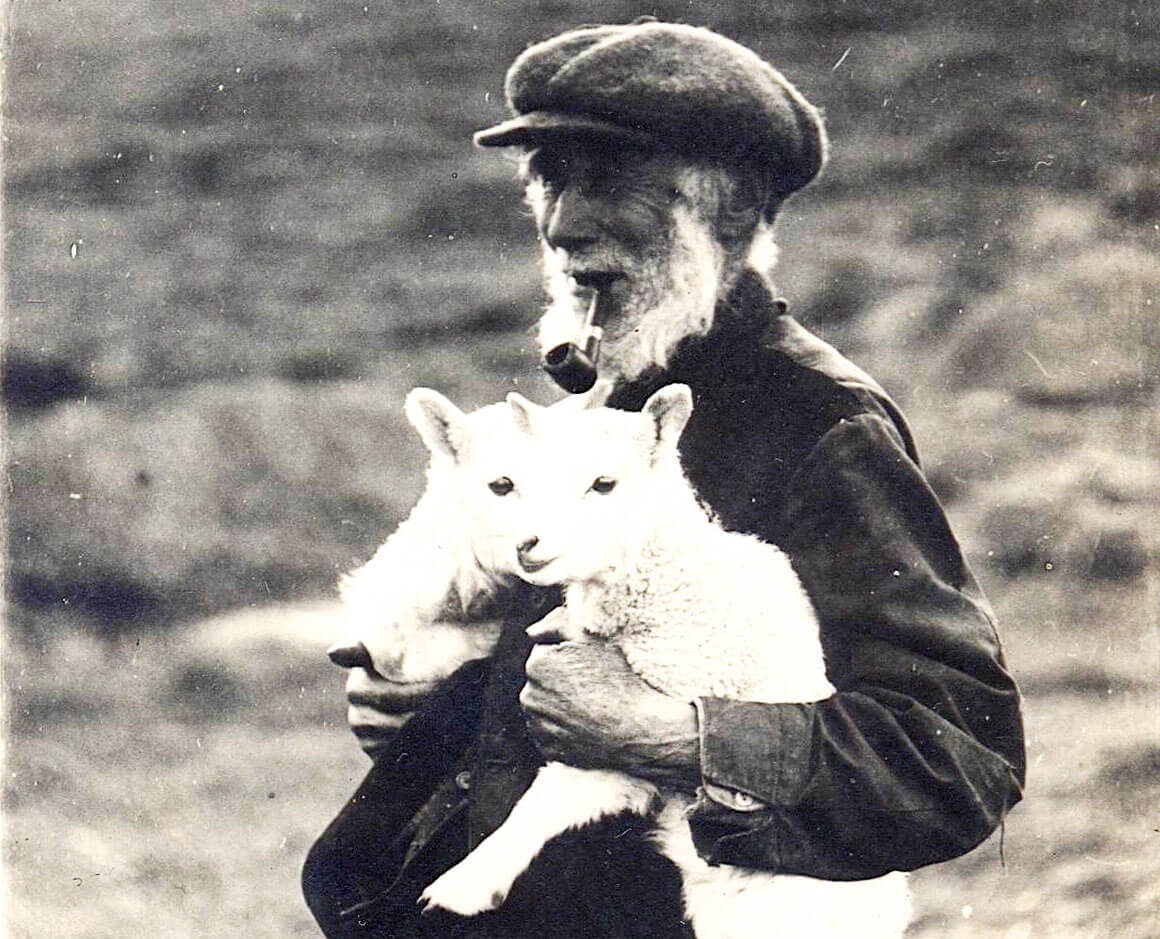
In 1954 Ystradgynlais was chosen as the site for the National Eisteddfod and this time Llew was on the judging panel along with Walter Bird who had been the stills photographer on the wartime film, The Silent Village’. This had been shot in Cwmgiedd, the hamlet reminiscent of Lidice in Czechoslovakia where the Nazi atrocities had taken place. Walter had used Llew’s darkroom to process the stills, and they had remained friends. While illustrating a childrens’ book for Llyfrau’r Dryw Llew became unwell and passed away in March 1960. Sixty five years of dedication to the task in hand had taken its toll, but it was a life filled with enthusiasm for the next event.
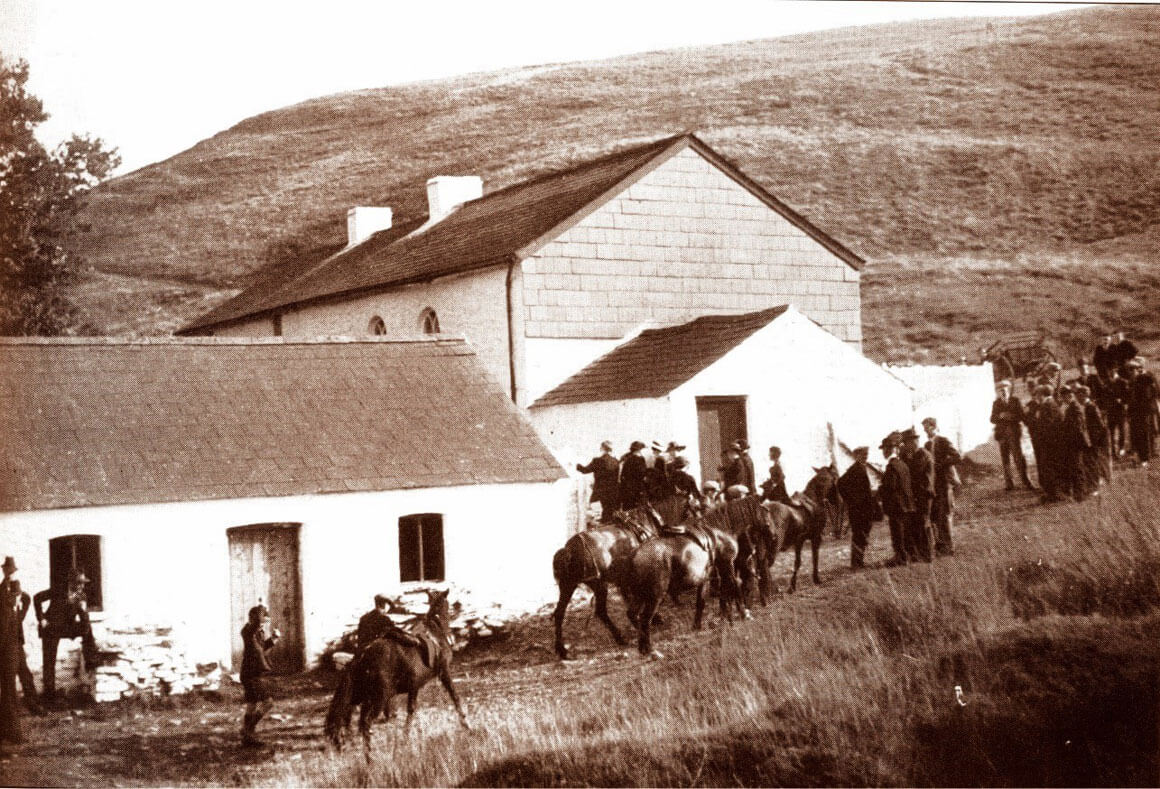
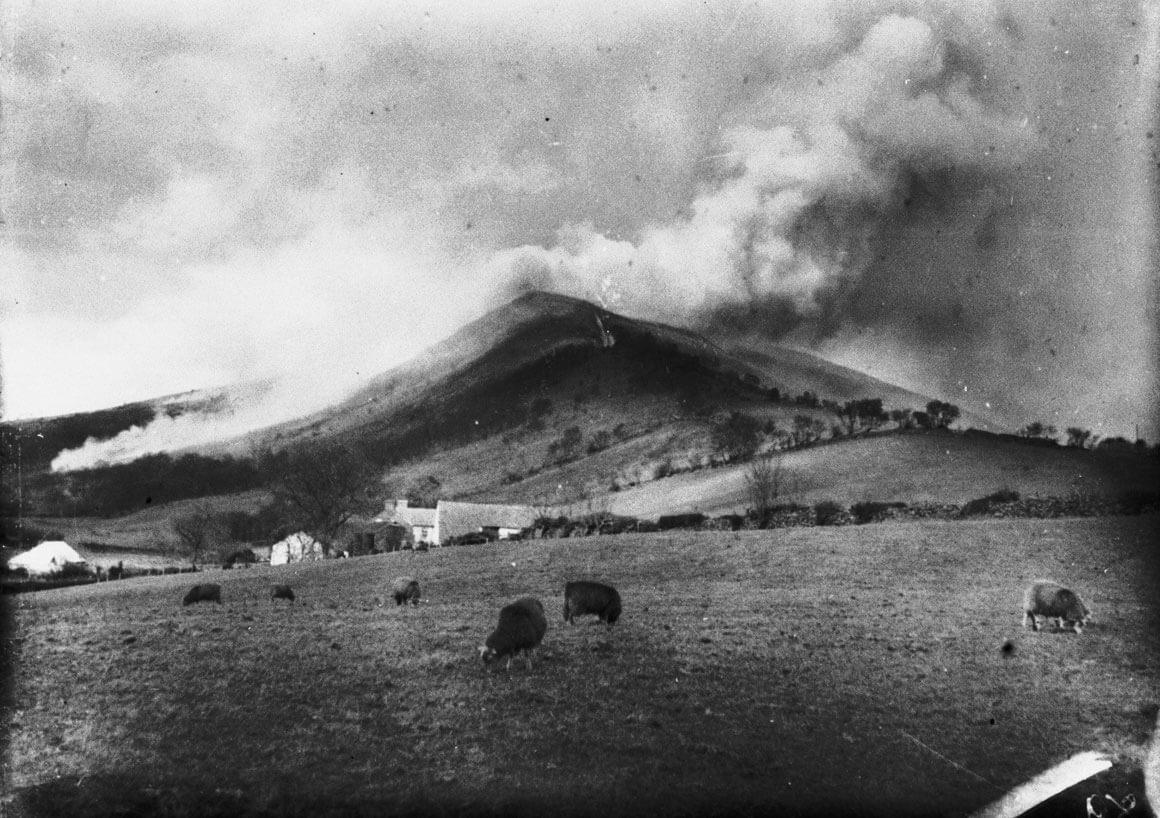
From the Victorian age and meetings with Kier Hardie, Arthur Cooke and Minnie Pallister to hosting suppers for Joan Littlewood and Josef Herman and celebrating the dawn of the Elizabeth age, Llew relished encounters with the educated and talented, the miner of Ystradgynlais being amongst the most inquisitive and well-read.
In 1961 Blodwen donated some 500 of his images to the Welsh Folk Museum at St. Fagin’s. His major collection is now at the National Museum Cardiff with an exhibition due next year.
In 1997 a biography, FULL CIRCLE, was written by his grand-daughter, Carole Morgan Hopkin, and published by Gomer with hundreds of his best images.
Books and prints are now available from carolemhopkin@hotmail.com.