Karen Foy returns to Anglesey to a village which has successfully made its living from both land and sea.
Situated at the North East end of the island and approximately fifteen miles from both Holyhead and Llangefni, Amlwch discreetly hides its once coveted role on the ‘international stage’. But, scratch below the surface and you may well be surprised at what you find.
Throughout the 18th and 19th centuries, nearby Parys Mountain was home to one of the largest copper mines in the world and the success of this industry had a knock on effect on the surrounding area. What had previously been a simple fishing harbour developed into a thriving port where copper ore from the mines was exported around the globe. Boats were needed to transport this precious commodity, so it wasn’t long before ship builders set up their premises to construct new vessels and repair the old. Families flocked to the region to find work, establishing a busy community with additional shops, schools and social meeting places. By the late 1700s, Amlwch was credited with being Wales’ largest town – second only in size to Merthyr Tydfil – and with a population at that time of around 10,000 inhabitants; by comparison, this figure has now dropped to just over one third.
Life on the Edge
Work was tough in both the shipping and mining trades with the menfolk out in all weathers to complete the tasks at hand. It was important to forge a sense of community between the villagers, so the church and chapels were regularly attended on a Sunday with many women finding solace when they needed to pray for the safe return of their husbands, fathers, sons and brothers from a particularly gruelling time at the mine or out on the rough seas – both occupations provided elements of danger and little in the way of health and safety precautions.
Miners faced the possibility of accidents on a daily basis resulting in broken limbs and even fatalities. There was also the threat of silicosis and tuberculosis as the men mined through layers of Silica Quartz to reach the copper. When the ore was burnt on the mountain side, the miners were exposed to the fumes of sulphuric acid, so the work often took its toll on the lives of these men. The doctors did their best, but it was not until the opening of the Dinorben Cottage Hospital in 1872 that real improvements began to take place. Funded by Lady Dinorben of Llys Dulas, and costing £600 to complete, the hospital enabled villagers to enjoy the benefits of treatment in sterile conditions for twenty years. Today, the hospital is a private house.
Village Life
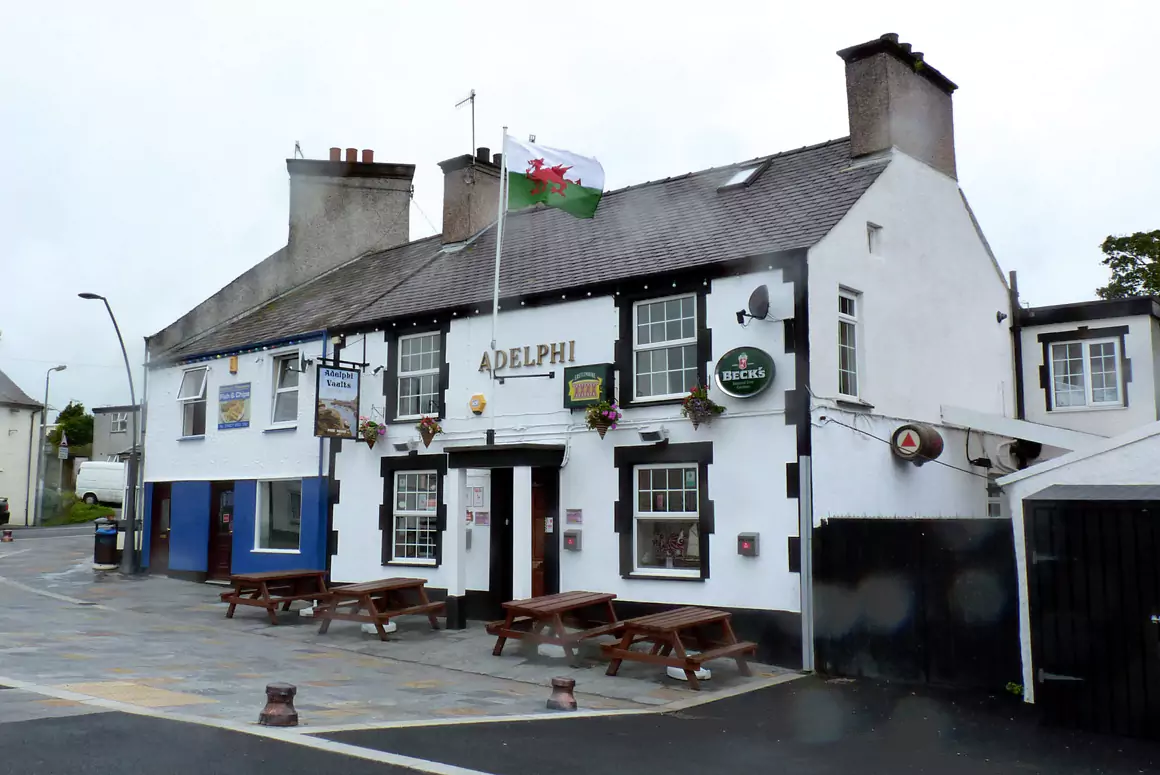
During the late Victorian era, the main street of Amlwch was also a hive of industry, with butchers, grocers and tea and coffee merchants enabling the locals to buy a whole range of products, whilst tailors and drapers plied their trade alongside coal merchants and clock repairers. A customs house, savings bank and post office ensured that all business and financial dealings could be dealt with, without the need to travel further afield. During the 1880s there were over 40 public houses selling beer, wines and spirits and, although many have long since disappeared, some have stood the test of time, such as the Dinorben Arms Hotel – originally called the Tŷ Mawr, and hub of village life since 1784 – and the Adelphi Vaults with its long maritime past, located down by the harbour. To accompany their beverages the menfolk would smoke cigarettes, pipe tobacco or use snuff which was manufactured by local companies, with their blends of ‘Amlwch Shag’ made from tobacco leaves imported to Britain.
In 1870, an Act of Parliament stated that all areas should provide schooling for their children, and previously established facilities began to receive funding from the government rather than the voluntary contributions they were used to. A ‘Ragged School’ was set up in Amlwch so that even the poorest children could attend, but it wasn’t until 1880 that attendance at any educational institution was compulsory for children between the ages of 5 and 10.
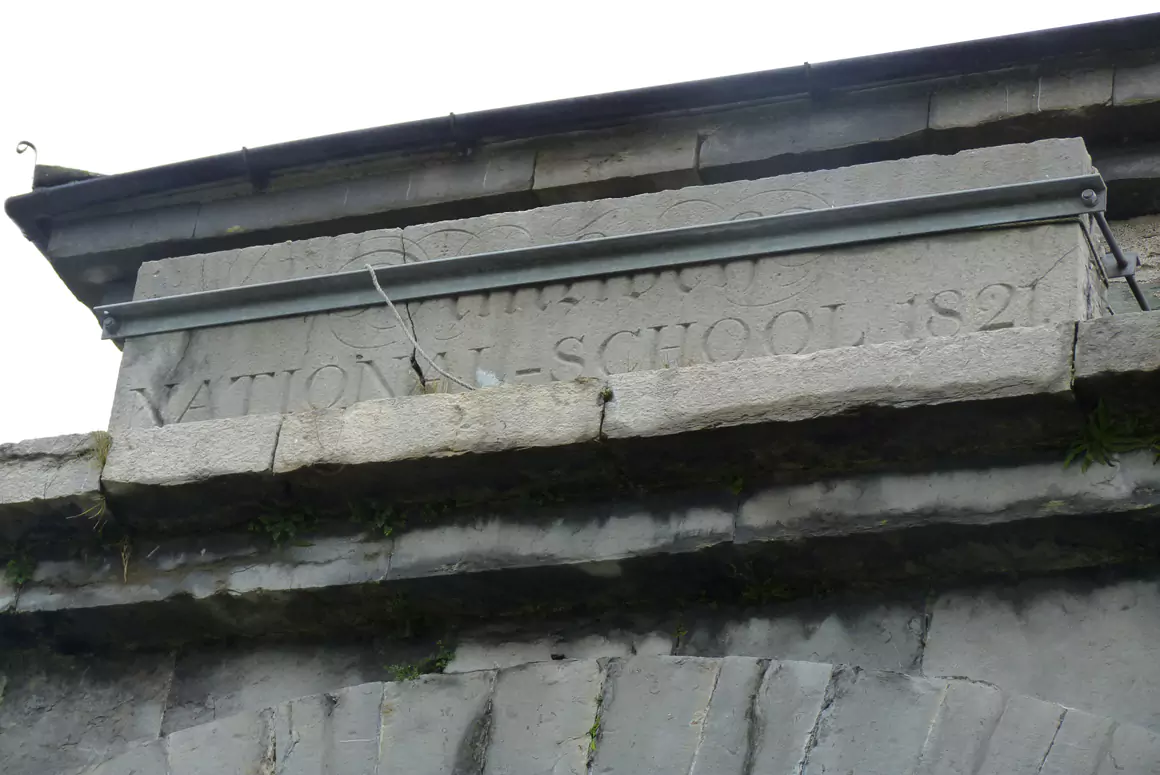
Even before government intervention, education had been important in Amlwch. Retired Master Mariner William Francis set up a school here in 1814 which taught how to use maps and charts and explained the importance of geography and astronomy to increase the children’s navigational skills alongside the usual lessons of reading, writing and arithmetic. The Amlwch National School opened its doors in November 1821 thanks to the Marquis of Anglesey, who donated land for the premises, and the Parys and Mona Mine Company, which provided annual funds to keep the school afloat.
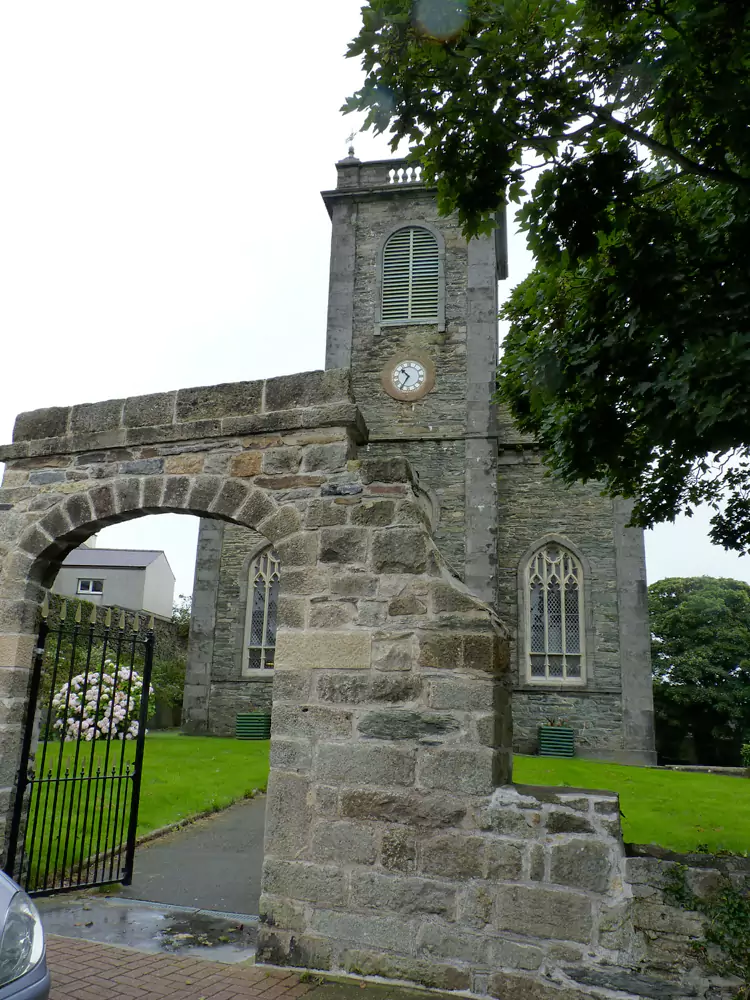
As with many small communities, the local church dominates the main street. Built in neo-classical style in 1880, St Eleth’s stands on the site of much earlier buildings. Thomas Williams and the Copper Mines Company injected cash to create a place of worship that could house Amlwch’s growing population. Made of local stone and a roof dressed with slate, the clock tower looks out over the churchyard below, where the gravestones have now been moved around the perimeter for ease of maintenance. Look out for the headstone of James Treweek – the enthusiastic manager of the mines and smelting operations during the 19th century – and also for the dedication made on the stone of Jonathan Roose – the mining supervisor whose men first discovered copper ore at Parys Mountain in 1768.
So, why not take a trip back in time to Amlwch’s industrial past, perhaps by walking the coastal path from Port Lynas to Amlwch Port to see where its famous export left the shores of Wales for its journey overseas? Consider visiting Parys Mountain to get a feel for what life must have been like working within this vast mining area or just soak up the atmosphere of village life…I can guarantee you won’t be disappointed!
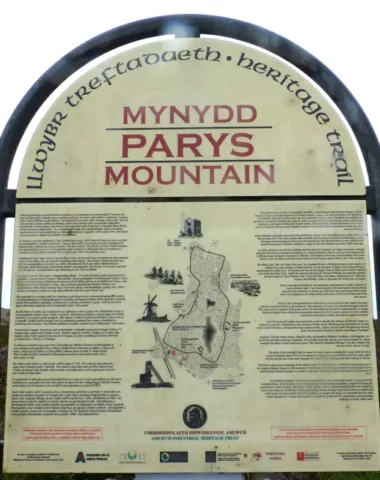
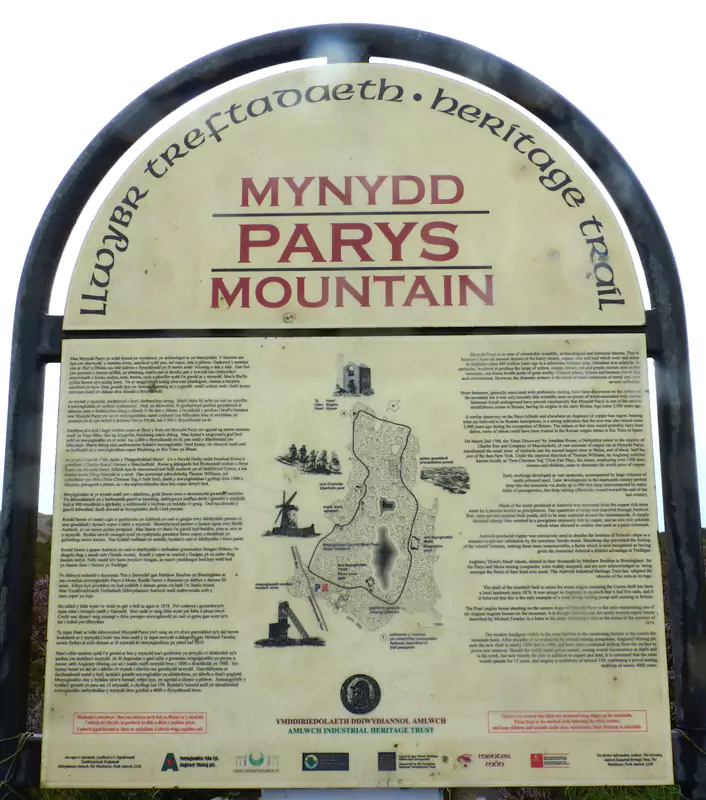
- Parys Mountain Tourist Info Board
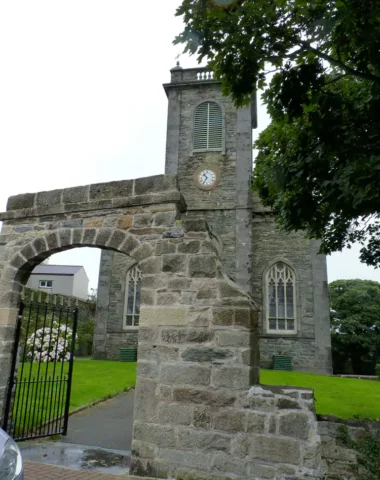
- St Eleth’s Church, Amlwch
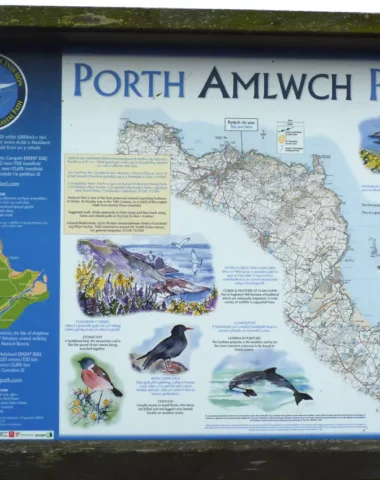
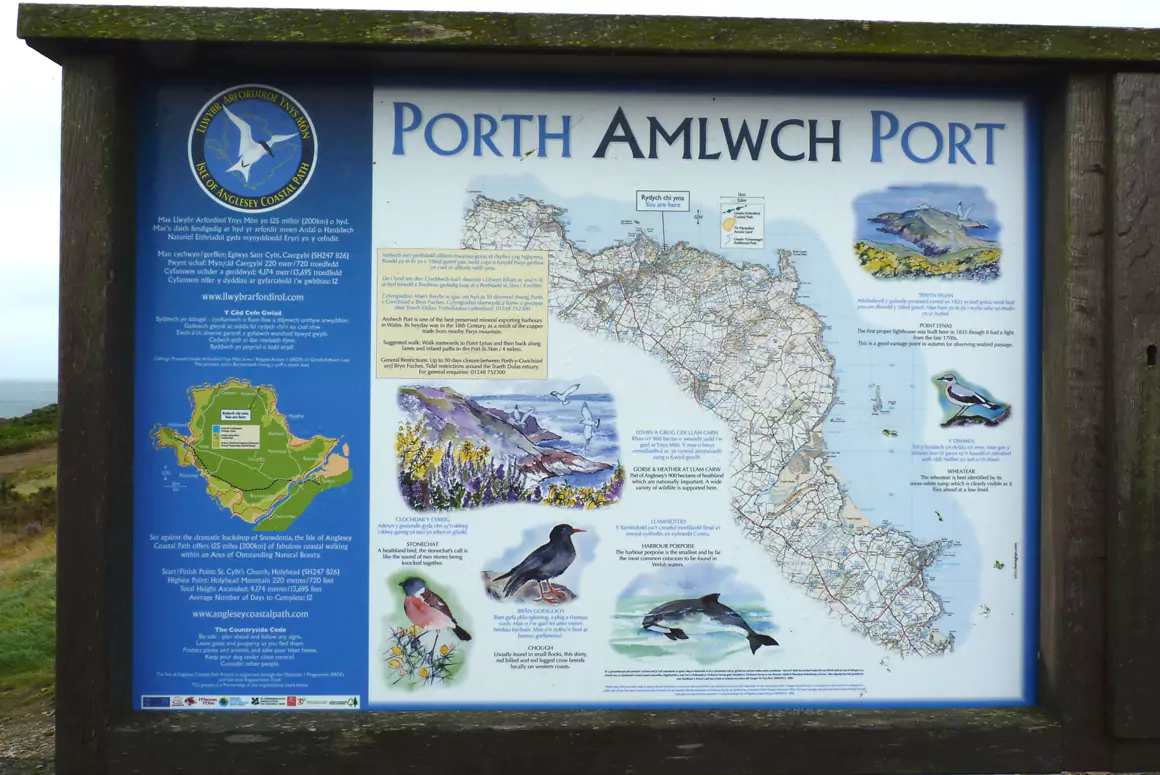
- Coastal Path Wildlife Trail
Parys Mountain and Porth Amlwch
On 2nd March 1768, the ‘Great Discovery’ of vast amounts of copper ore at Parys Mountain transformed the tiny coastal village of Amlwch. These mines – managed by the ‘Copper King’ Thomas Williams – went on to dominate the world price of copper and provide employment for over 1500 men, women and children. The miner who first discovered the ore was called Rowland Pugh. In recognition, he was given a bottle of brandy and a rent-free cottage for the rest of his life.
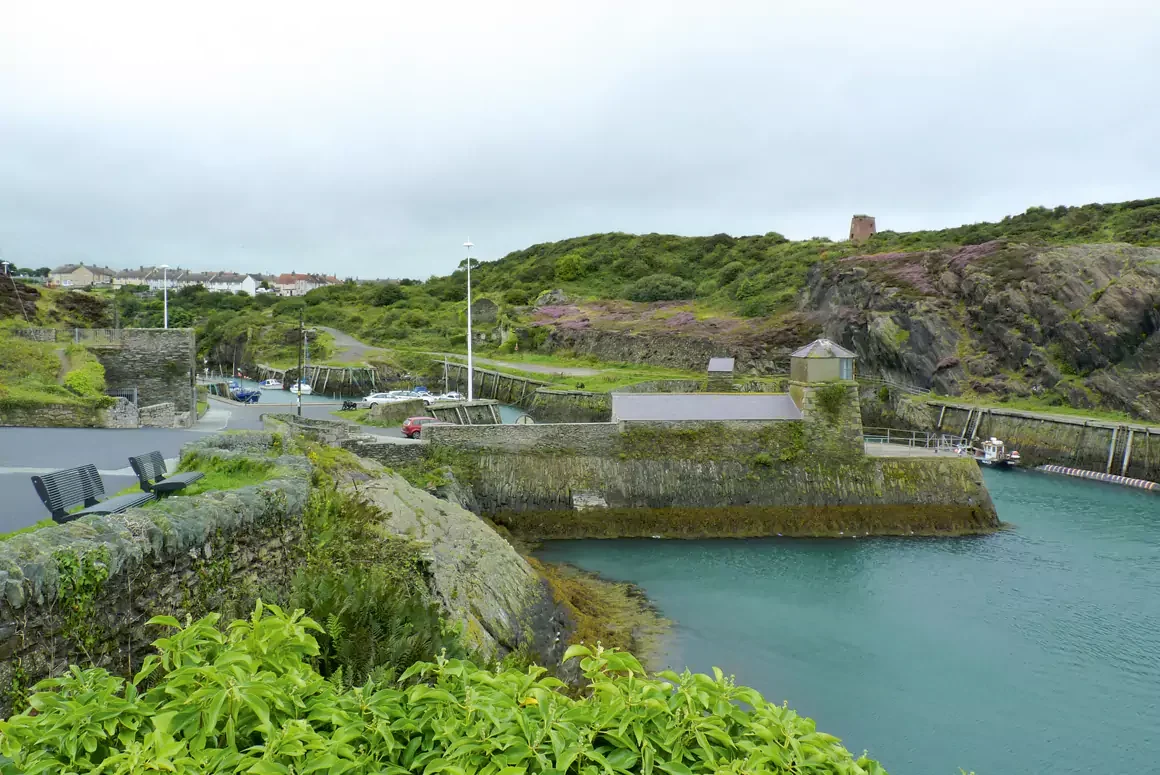
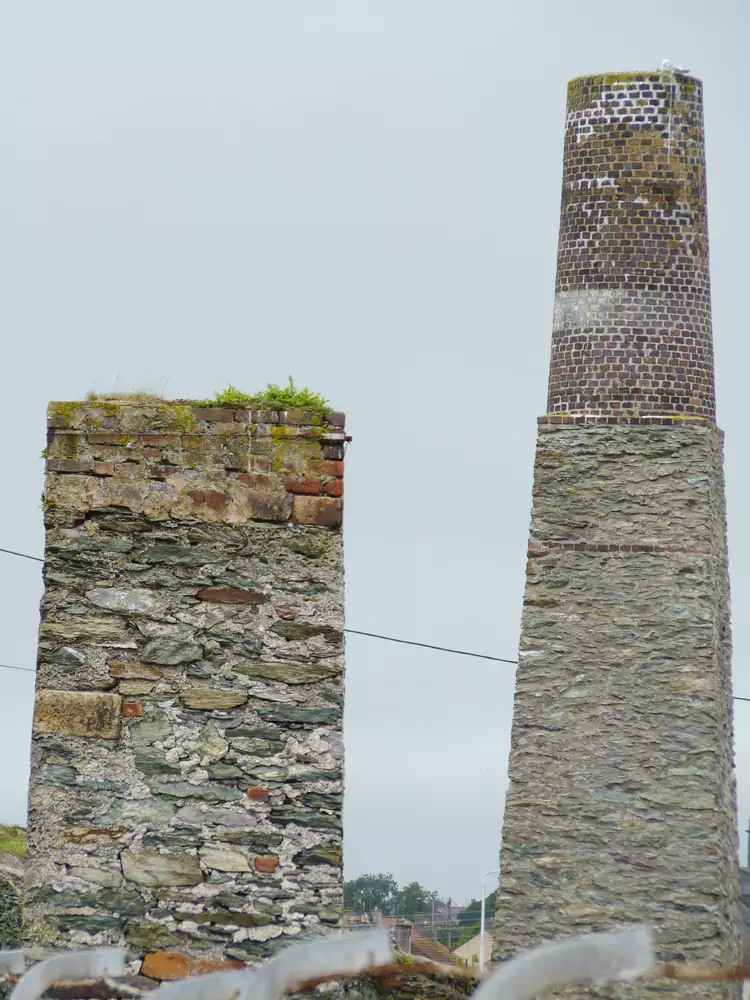
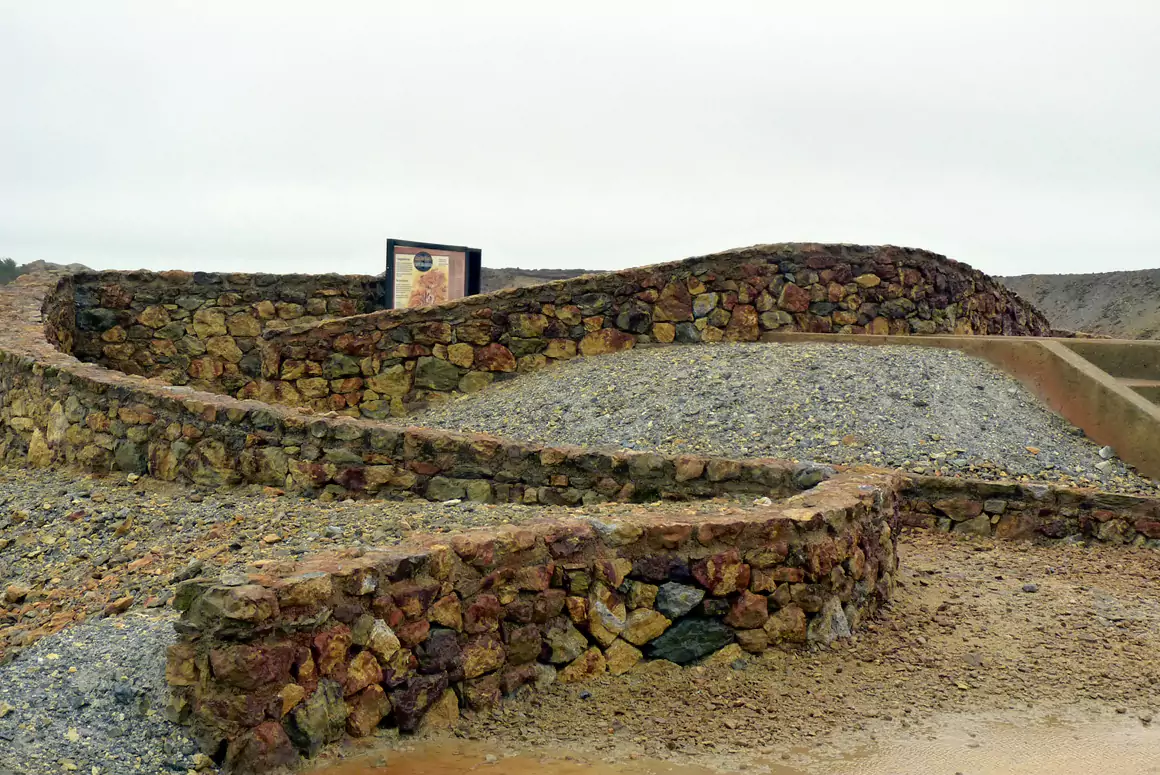
The great chasm that is now Parys Mountain was created by workers who used little more than picks, shovels and gun powder to extract the ore which was eventually used to sheath the wooden hulls of Nelson’s ships and in the manufacture of cannons. As a direct result, Amlwch Port grew rapidly in size, surrounded by warehouses, a brewery, a water-powered saw mill, the Mona and Parys Smelters and Chemical Works and 45 conical-shaped sulphur extraction kilns – making it one of the busiest industrial areas on the Welsh coast.
Find out more about its history at www.parysmountain.co.uk or at the award-winning Sail Loft Visitor Centre at Porth Amlwch. Admission is free, so do pay a visit and find out more about the area, its world-renowned ship building heritage and the Anglesey Coastal path.
Did You Know? The name ‘Amlwch’ is directly connected to the town’s harbour ‘Porth Amlwch’ which translates from the Welsh ‘am’ meaning ‘on or around’ and the word ‘llwch’ meaning ‘an inlet or creek’.
Feature image: Porth Amlwch