Herbal leys and deep-rooting plants are helping livestock farmers recover after a tough summer
After a tough summer battling heatwaves and drought, nature-friendly livestock farmers say that deeper-rooting plants and diverse pastures have helped their fields recover as the rains return.
Nature Friendly Farming Network (NFFN) farmers say that planting herbal leys and moving away from monocultural grass pastures have been crucial to recovering well from this summer’s extreme temperatures and dry conditions.
Nature-friendly farming methods mean that fields have rapidly turned from brown and yellow back to green with the first rains towards the end of summer, bringing an end to weeks of intense worry about the cost of feeding animals as grazing ran short.
Research by the AHDB shows that while no grass-based farming system is 100% drought-resistant, multi-species swards and herbal leys do make farms more resilient to extreme weather conditions.
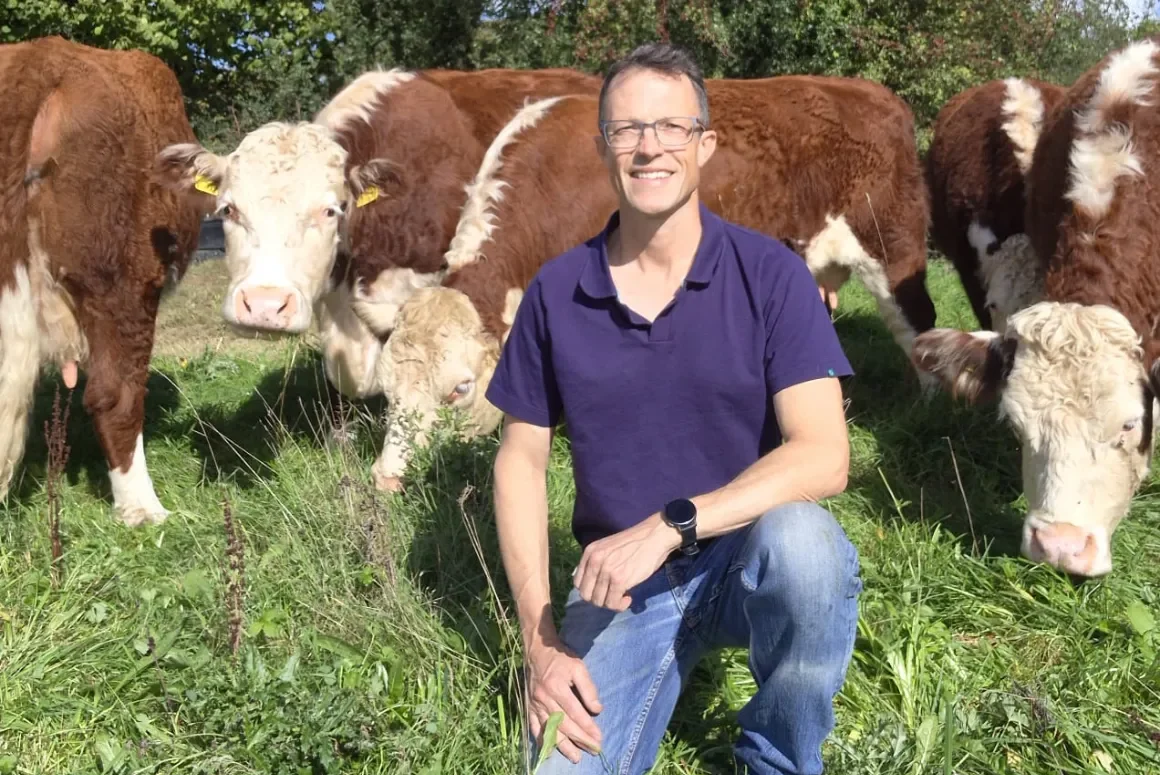
NFFN Cymru vice chair Jack Cockburn, who farms in Ceredigion, said:
“Where we have diverse leys with deep-rooting plants like herbs and clovers, those areas have bounced back a lot more quickly and strongly than the areas which are still more monocultural. Herbs and clovers have really come into their own this summer with the drought.
“I’m pleased with the amount of bounce-back resilience our nature-friendly farming system seems to have, which means I can concentrate on water availability with new ponds and wells for next year.”
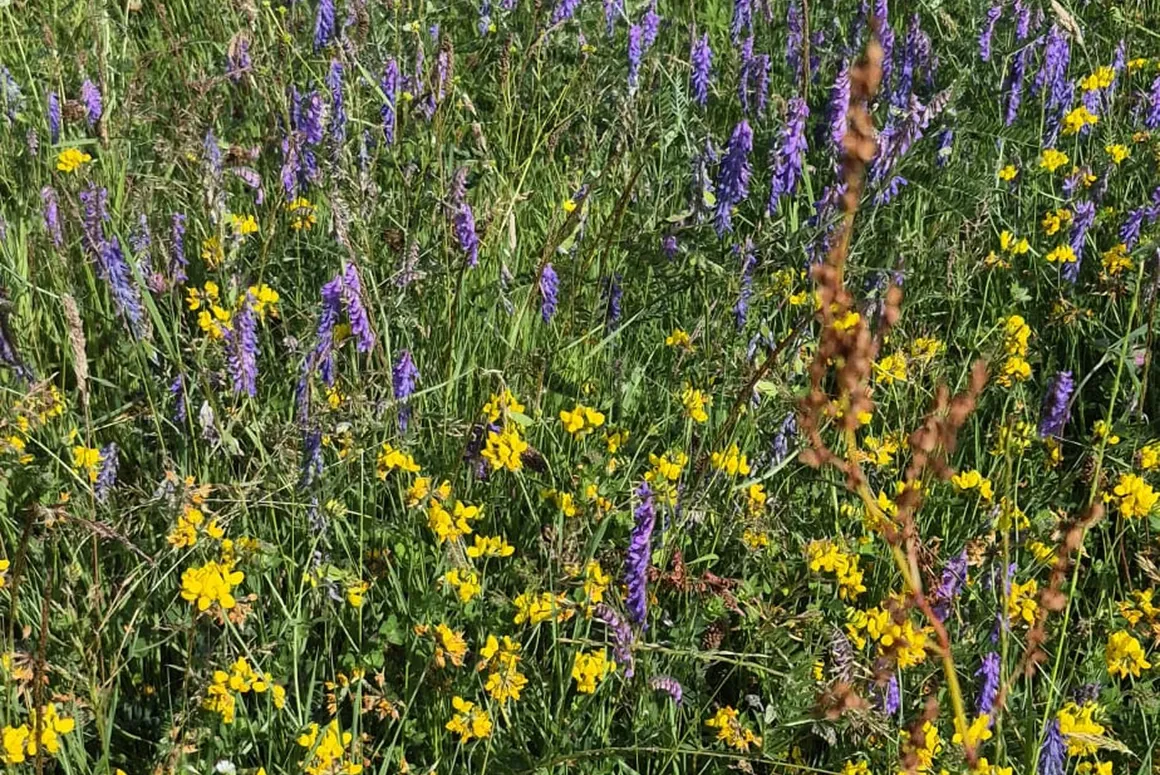
NFFN England steering group farmer Debbie Wilkins, meanwhile, was able to compare fields which have been managed in nature-friendly ways for longer with those which have only recently been changed from more input-heavy types of agriculture.
Debbie, who runs a mixed farm in Gloucestershire, said:
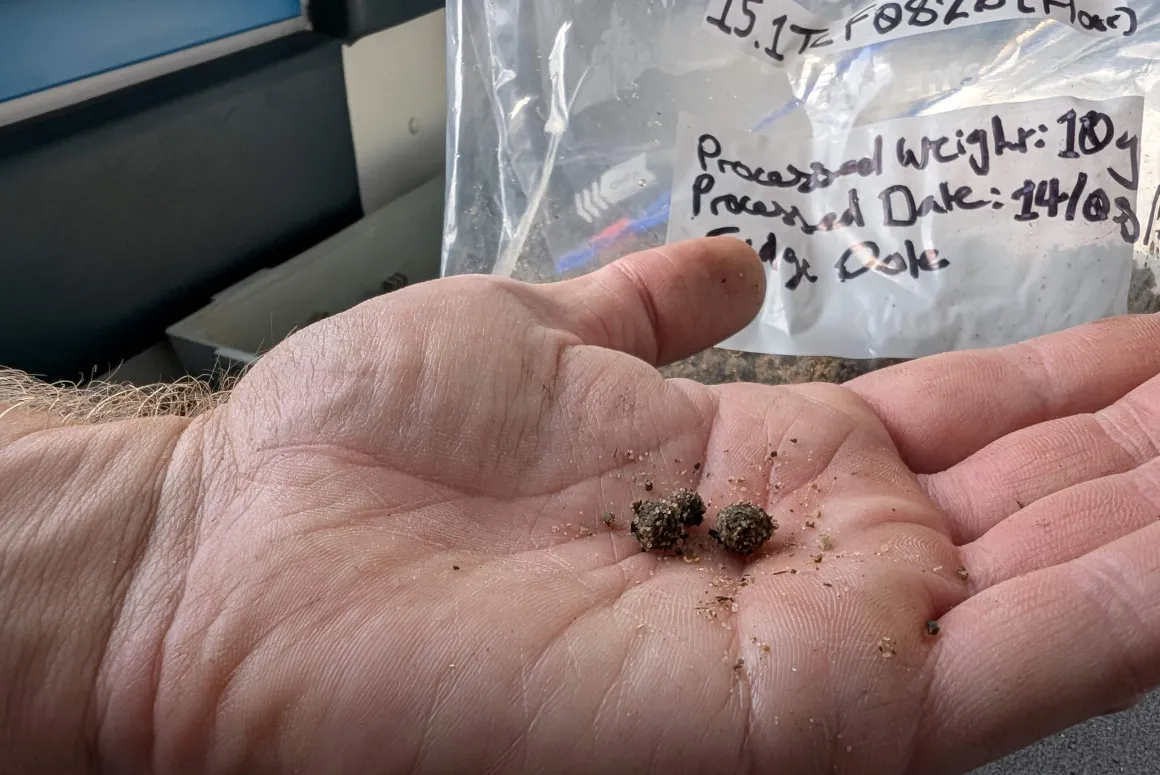
“It’s still very dry here, but comparatively speaking our permanent pasture, where we’ve built up higher levels of organic matter in the soil, is bouncing back quite nicely. On the other hand, our ex-arable fields where the soil isn’t in as good a condition, aren’t recovering in the same way.
“For me there’s no doubt the fields where we’ve been practising nature-friendly farming for longer are doing better than the ones that are still in transition.”
NFFN farmers say plants such as chicory, plantain, timothy and cocksfoot have all done really well in this summer’s hot, dry conditions. According to the AHDB, diverse swards containing grasses, legumes and herbs include deeper-rooting plants which can draw moisture from deeper in the soil. Some of these plants are also nitrogen-fixing, which reduces the use of chemical fertiliser and helps to increase levels of soil organic matter.
In some cases, NFFN farmers have also reported better grass regrowth and recovery in parts of fields closest to trees and hedgerows. These features have been particularly vital this summer, providing shade and shelter for livestock during the numerous heatwaves.
These positive signs are all the more important as climate change and extreme weather continues to pose significant challenges to UK livestock farming. Analysis by the Energy and Climate Intelligence Unit (ECIU) thinktank shows grass growth for 2026 is expected to be very similar to that of 2025, with both years between 10% and 15% down on the 2019-24 average.
Feature image: NFFN Cymru vice chair Jack Cockburn