


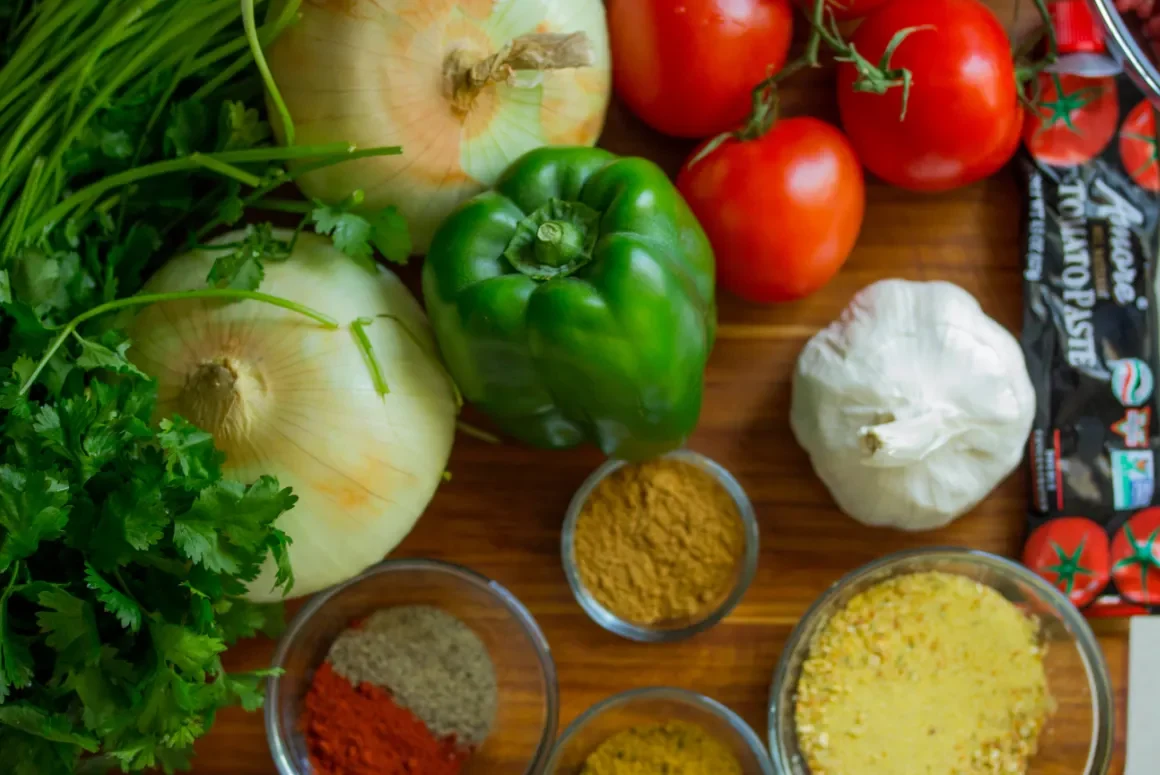
Wales produces a remarkable amount of food and drink.
Lamb from the Brecon Beacons. Cheese from Pembrokeshire creameries. Craft gin from distilleries in the Valleys. Smoked salmon from Anglesey. The Welsh food and drink supply chain turned over £24.6 billion in 2023, up 10% on the year before, according to Welsh Government figures. There are nearly 29,000 businesses in the sector, employing around 228,500 people.
A lot of that food travels. Welsh food exports hit a record high of nearly £800 million in 2022, with meat and meat products alone reaching £265 million. That’s goods moving from Welsh farms, creameries, and production facilities to buyers across England, Europe, and beyond.
And every single pallet of it needs to get somewhere.
This is the part that doesn’t get talked about much at food festivals or in artisan producer profiles. The logistics. Specifically, finding UK haulage services for commercial freight that understand the particular demands of food and drink: temperature considerations, delivery timing, careful handling, and a central UK base that can reach the big distribution hubs quickly.
Why Location Of Your Haulier Matters More Than You Think
Welsh producers operate across the country. Buyers, distributors and retail partners may be elsewhere in Wales, in England, or further afield.
Getting your goods from Ceredigion to a Midlands distribution centre, and from there to retailers across the country, requires a haulage partner that understands national routing. A Midlands-based haulier can reach the majority of England’s population within a few hours. The motorway network fans out from Birmingham in six directions. For Welsh producers sending goods east, a freight partner positioned at that junction cuts transit times and, often, costs.
It also matters for collections. A haulier with regular West Midlands runs is more likely to have a vehicle coming through your area than one based in the south of England. That affects how quickly they can respond when you need an urgent collection.
Full Loads, Part Loads, And When Each Makes Sense
Small and medium food producers often get stuck between two worlds. Too much product for a courier, not enough to fill a full lorry.
The answer is part loads, sometimes called groupage. Your consignment shares a vehicle with other freight heading in the same direction. It’s a standard part of how commercial road freight works in the UK, and for most food and drink producers shipping regionally or nationally, it offers the best balance of cost and reliability.
Full loads come into play when your volumes justify it, or when the nature of your product demands it. High-value goods, large orders to a single buyer, or shipments that can’t risk being loaded and unloaded multiple times may warrant a dedicated vehicle. A good haulage partner will be straight with you about which applies to your situation rather than pushing you toward the more expensive option.
The Practical Realities Of Moving Food
Food and drink freight has requirements that not every haulier can meet. Confirm whether your goods need chilled, frozen or ambient transport, and check the provider’s temperature-control and food-handling capability before booking. General haulage does not automatically include a cold-chain service.
Timing is one. A Waitrose buyer or a regional distributor has a delivery window. Miss it and the order bounces. A haulage partner with a strong track record of reliable, on-time delivery is not a nice-to-have for a food producer. It is fundamental.
Handling is another. Palletised food freight needs to be loaded and moved without damage. Cases that arrive crushed, bottles that arrive broken, and packaging that arrives soiled all create problems that cost more than the freight bill to resolve. A provider running a modern, well-maintained fleet reduces this risk.
Documentation matters too, especially if any of your goods cross into international markets. If you’re exporting to France or Belgium, which account for over £200 million of Welsh food exports between them, your freight partner needs to be across customs clearance. A provider that combines road haulage with customs services removes a significant layer of administrative burden from your operation.
What To Ask Before You Agree To Anything
Choosing a haulage partner is a commercial decision with long-term consequences. The cheapest rate on a single shipment is rarely the right measure.
Ask whether their vehicles meet the emissions requirements on your delivery routes. Some cities charge non-compliant vehicles in designated zones; rules depend on vehicle class and location. Confirm any charges in the quote.
Ask how quickly they quote. For time-sensitive food orders, waiting two days for a price isn’t practical. A provider who can respond within an hour gives you the flexibility to confirm orders confidently.
Ask about their client base. A haulier that regularly moves freight for food and drink businesses, manufacturing companies, and FMCG producers understands the particular requirements of the sector. One that mostly moves construction materials may not.
Ask whether they offer warehousing alongside transport. As your business grows, having storage and distribution under one roof simplifies your operation considerably and removes the coordination overhead of managing two separate providers.
The Bigger Picture For Welsh Producers
The Welsh food and drink industry is in genuine growth. Turnover passed the Welsh Government’s £8.5 billion target for the foundation sector two years early. Export values are rising faster than the UK average. Supermarkets and retailers are increasingly interested in provenance and regional identity, which plays directly to the strengths of Welsh producers.
The limiting factor for many of them is not the product. It’s the infrastructure behind it.
Getting your goods to buyers consistently, on time, and in good condition is what converts a great product into a sustainable business. It’s what allows you to take on a national retail account without lying awake worrying about whether the delivery will land correctly.
The producers who crack this early, who find a freight partner before they urgently need one and who test a route before it carries a major order, are the ones who can say yes to bigger opportunities when they arrive.
That’s worth thinking about before your next inquiry lands from a buyer you’ve been hoping to work with for two years.
Finding The Right Partner
Wales is not short of haulage options, but the quality of provision varies considerably. What you want is a provider with a track record measured in decades, not months. One that works with businesses across multiple sectors, including food and FMCG, and that has the fleet capacity to handle your volumes as they grow.
The Association of Pallet Networks is a useful starting point for understanding how pallet-based freight works in the UK and what standards reputable providers operate to. It gives you a baseline for the questions to ask.
Beyond that, the best test is a real shipment. Run a small consignment. See how quickly they quote, whether collection happens when promised, and whether delivery lands correctly. A freight relationship worth having will pass that test without drama.
The Welsh food industry is building something significant. The logistics behind it deserve the same attention as the product itself.