New data contrasts Wrexham’s decade-long council partnership with the barriers facing Gwynedd, as Fields in Trust calls on the Welsh Government and every council to mandate its Standards and permanently protect green space before it’s lost.
New data published today [23 September] by Fields in Trust, the UK charity that has protected Britain’s parks, playgrounds, playing fields and green spaces for over a century, reveals a stark contrast in how well Wales protects and provides access to its green spaces*.
According to this year’s Green Space Index, the most comprehensive independent assessment of public recreational space provision in Great Britain, Wrexham is now among the best-protected places anywhere in Britain. But, for communities across Gwynedd, including Harlech, green space is among the hardest to reach, despite an abundance of open countryside on their doorstep.
The Index findings show two very different pictures of Wales:
- In Wrexham, 52% of residents live within a ten-minute walk of a permanently protected park, more than double the Wales average (19%) and nearly four times the Great Britain average (14%)
- In Gwynedd, despite green space provision more than double the Great Britain average (74 sqm per person against 33 sqm), 23% of residents live beyond a ten-minute walk of a green space at all, almost double the Wales average (12%)
- Wrexham’s turnaround is the result of a decade-long partnership with Fields in Trust – 40 green spaces, covering over 300 hectares, now have permanent legal protection
Fields In Trust provides the UK’s only proven legal model to safeguard parks, playgrounds and green spaces forever. With over 3,000 spaces already protected, the organisation defends public land from being lost to development. Across communities, green spaces provide vital places for play, exercise, relaxation, and social connection.
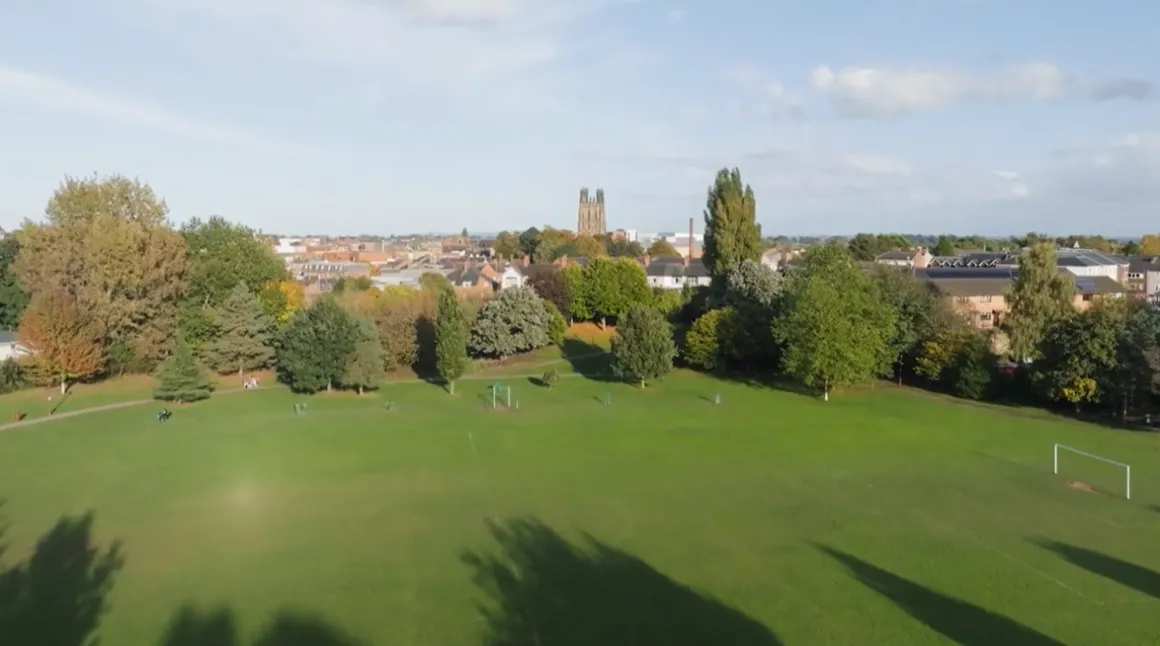
Fields in Trust says the contrast shows that having green space is not the same as being able to use it, and that access does not happen by accident. Gwynedd’s mountain-to-coast geography means the ten-minute catchment around park entrances covers only a small share of where people actually live, a barrier that falls hardest on the county’s older residents, and those living alone. In Wrexham, over the past decade, the Council has worked with Fields in Trust to secure permanent legal protection across the borough, using the Deed of Dedication, the legal mechanism that guarantees a green space can never be lost to development.
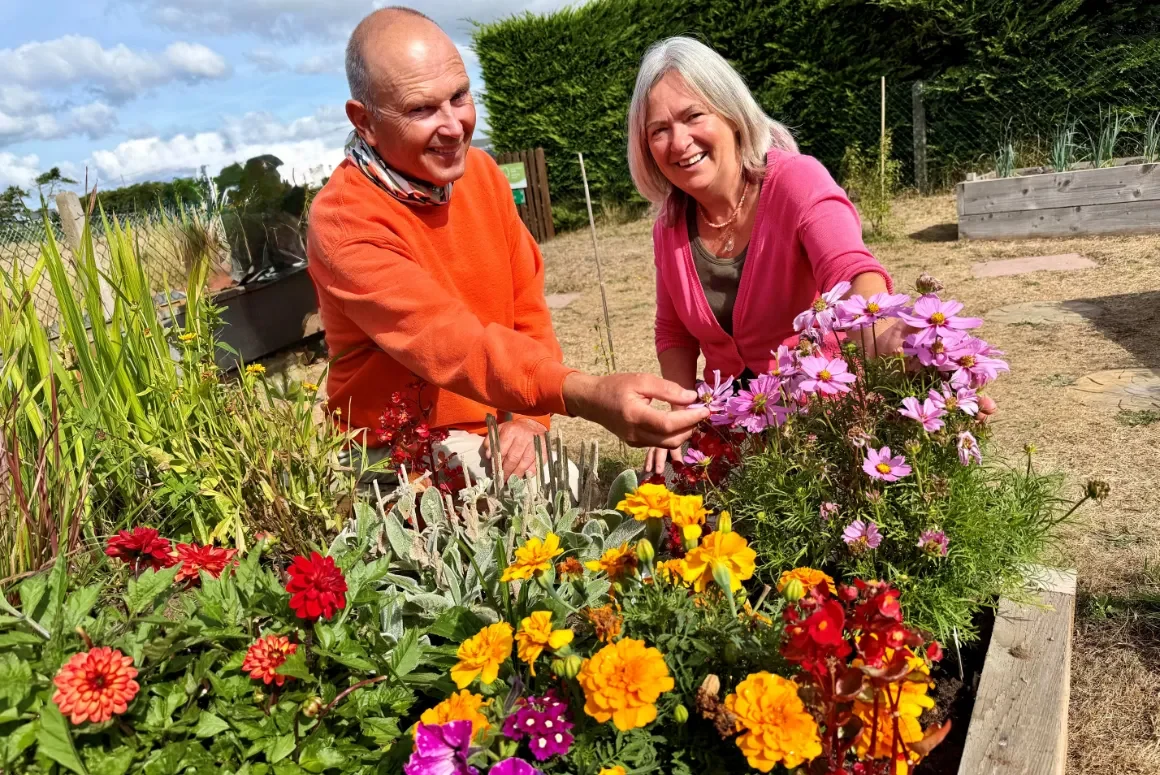
The two case studies at the heart of today’s findings show what’s at stake. In Harlech, King George V Field has been legally protected since the 1950s and shows what a protected green space can deliver over time. Volunteer-run, it operates as a sensory sanctuary supporting local mental health, and the community grows fruit and vegetables on site for a nearby sheltered housing complex. In Wrexham, Bellevue Park, protected since 2015, has evolved into a community hub with a basketball court and sensory garden, cared for by the volunteer-led Friends of Bellevue. Both show what long-term protection makes possible. The challenge, Fields in Trust says, is making sure every community in Wales has the same opportunity to benefit.

Fields in Trust is calling on the Welsh Government, in its current consultation on the National Development Framework, and all 22 local authorities to adopt the approach pioneered in Wrexham by adopting its Deed of Dedication to permanently protect existing green spaces before they are lost to development. It also calls on them to mandate its Standards – the most widely used national benchmarks for green space provision – in local plans. The charity says the Well-being of Future Generations (Wales) Act, internationally recognised for embedding long-term thinking into public policy, is the ideal legal lever to drive that ambition, but is not yet being used decisively enough for green space.
The pattern is not unique to Wales. Across the UK, more than five million people cannot reach a green space within a ten-minute walk of home, and Fields in Trust estimates that 86% of Brits live near a park or green space that could be vulnerable. As the UK Government pushes to build 1.5 million new homes, the charity says green space must be treated as essential infrastructure from the outset, not an afterthought.
Helen Griffiths, Chief Executive of Fields in Trust, said:
“Wrexham and Gwynedd tell two different stories about green space in Wales, and both matter. Wrexham shows what’s possible when a council commits to permanent protection for the long term – more than half of residents can now reach a protected park within ten minutes, a rate nearly four times the Great Britain average. Gwynedd shows that abundant countryside is not the same as accessible green space, particularly for older residents who rely on it most and can travel to it least.
“Access to green space shouldn’t depend on which council area you happen to live in. Wales already has one of the most forward-thinking pieces of legislation anywhere in the world in the Well-being of Future Generations Act. We want to see it used to make what Wrexham has achieved the standard everywhere in Wales, not the exception.”
This release draws on Fields in Trust’s Green Space Index findings for Wrexham and Gwynedd, part of a series of regional deep dives published today across Great Britain. The eight areas include Harlech in North Wales, Wrexham in North Wales, Liverpool, Greater Manchester, South Derbyshire, Yorkshire and the Humber, Tower Hamlets in London, and Horsham in West Sussex.
*Green space, as measured by the Green Space Index, means publicly accessible parks, playgrounds, playing fields and green spaces – not the wider countryside, national parks or common land that make up much of the North Wales landscape.
Feature image: Joe Patton and Liz Saville-Roberts MP at King George V Field, Harlech