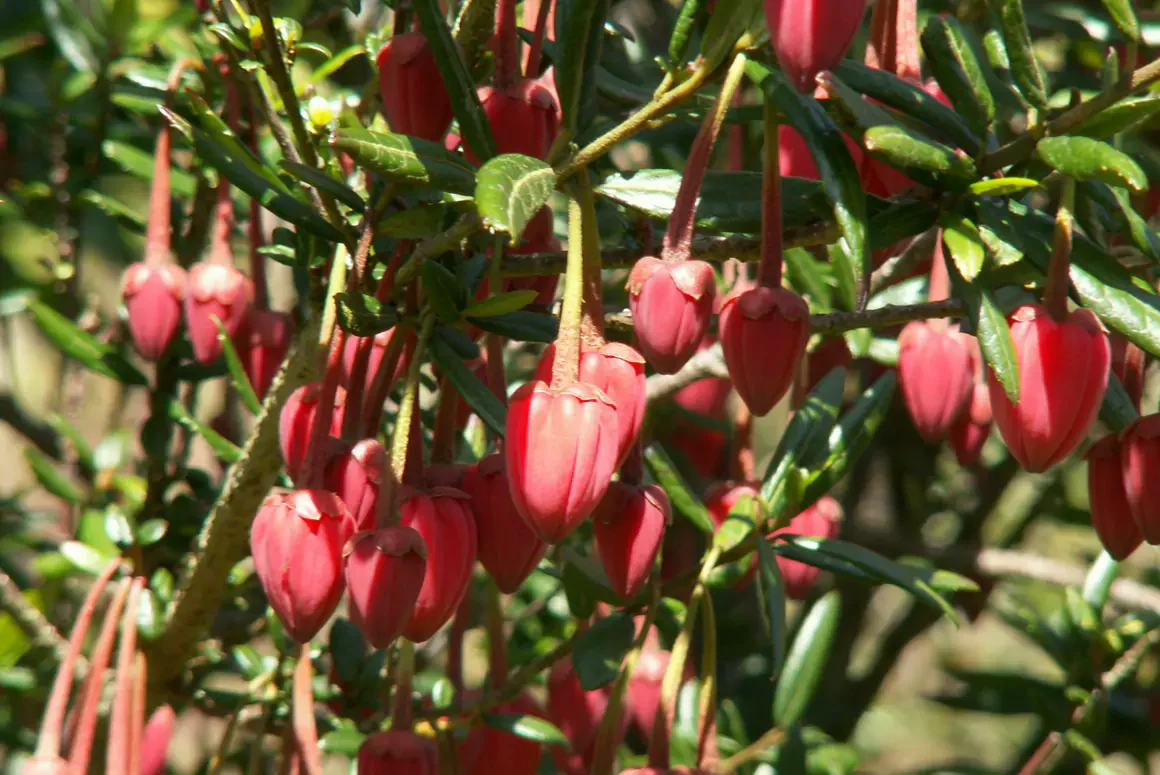
On a cold and wet winter’s day, it’s hard to imagine the joys of spring. However, a close look can reveal that our spring flowers are indeed poised to perform their annual show. I always feel that the ‘spring’ show commences in October when Galanthus regina-olgae, the autumn snowdrop flowered in my front garden. My Crinodendron hookerianum or Chile lantern tree gave an indifferent display last spring but is presently festooned with masses of hanging buds, promising an outstanding spring show to come.
Feature image: Crinodendron hookerianum
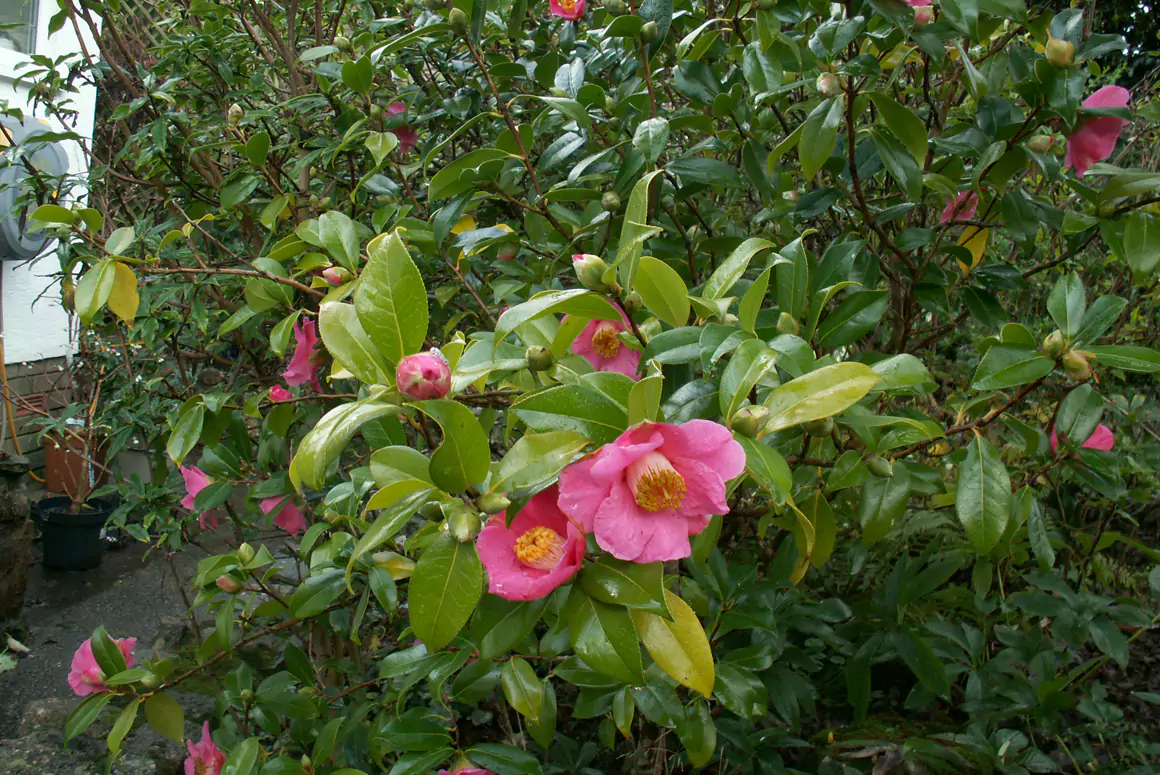
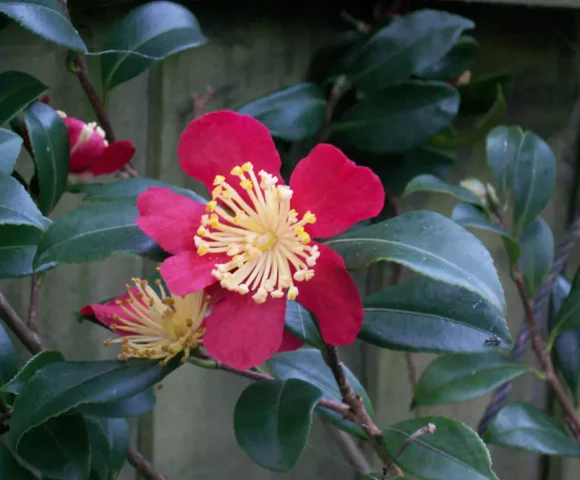
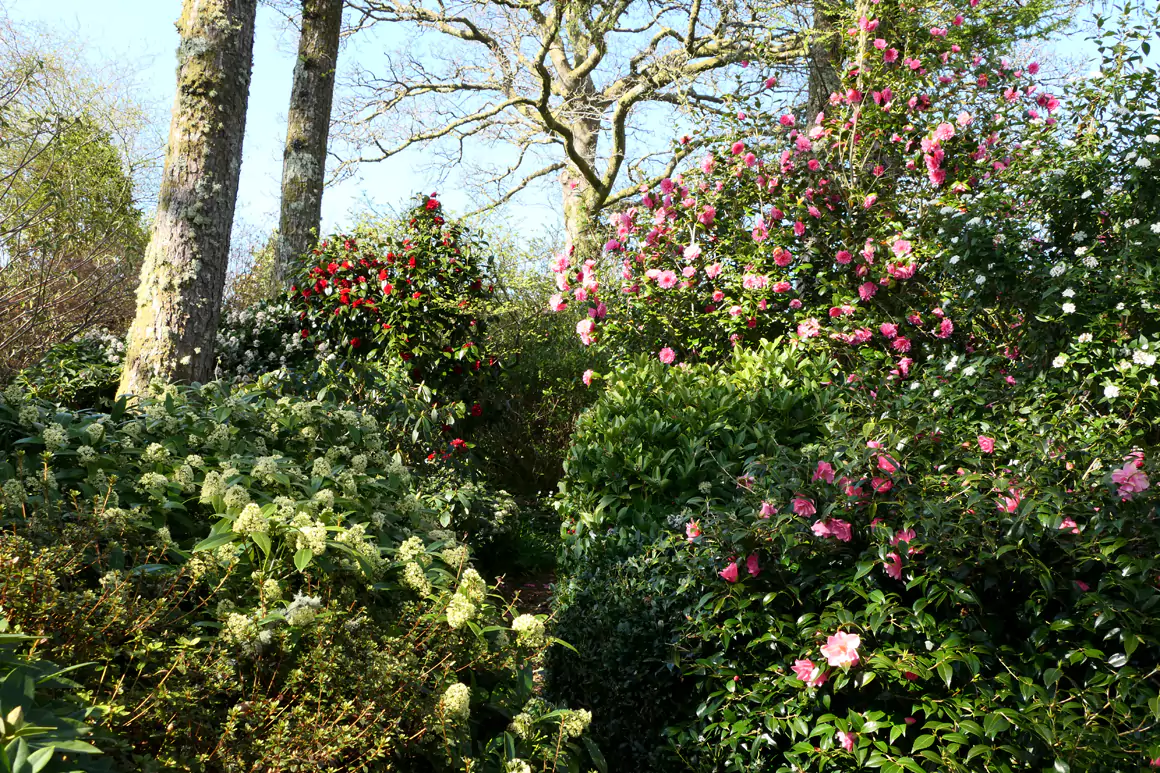
Already giving a foretaste of the abundance to follow is Camellia x williamsii ’St. Ewe’, which in my plot, is even more precocious than normal producing its rose pink funnel shaped flowers in December or earlier. This was the first of the now famous x williamsii camellias produced at Caerhays Castle in Cornwall and is my personal favourite. It is planted in front of the kitchen window and delights my wife and I throughout the coldest months of the year. Happy in my slightly acid soil, with light shade to avoid early morning sun which will damage frosted flowers, it has flourished for a dozen years. As with all my camellias, I give a potash feed after flowering and ensure that it is amply supplied with water in July and August when flower buds are being formed.
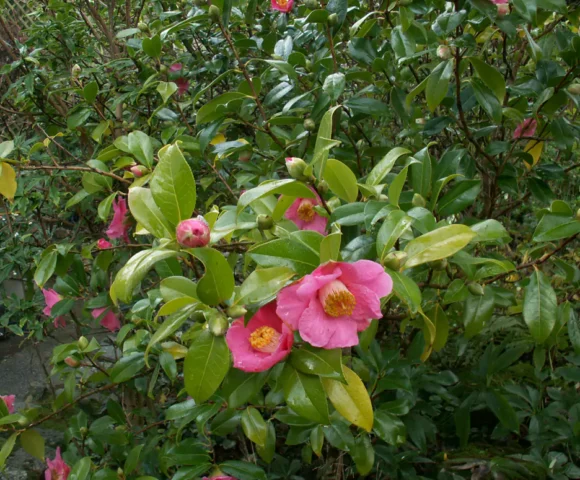
- Camellia x williamsii 'St Ewe'
- Camellia x vernalis ‘Yuletide’
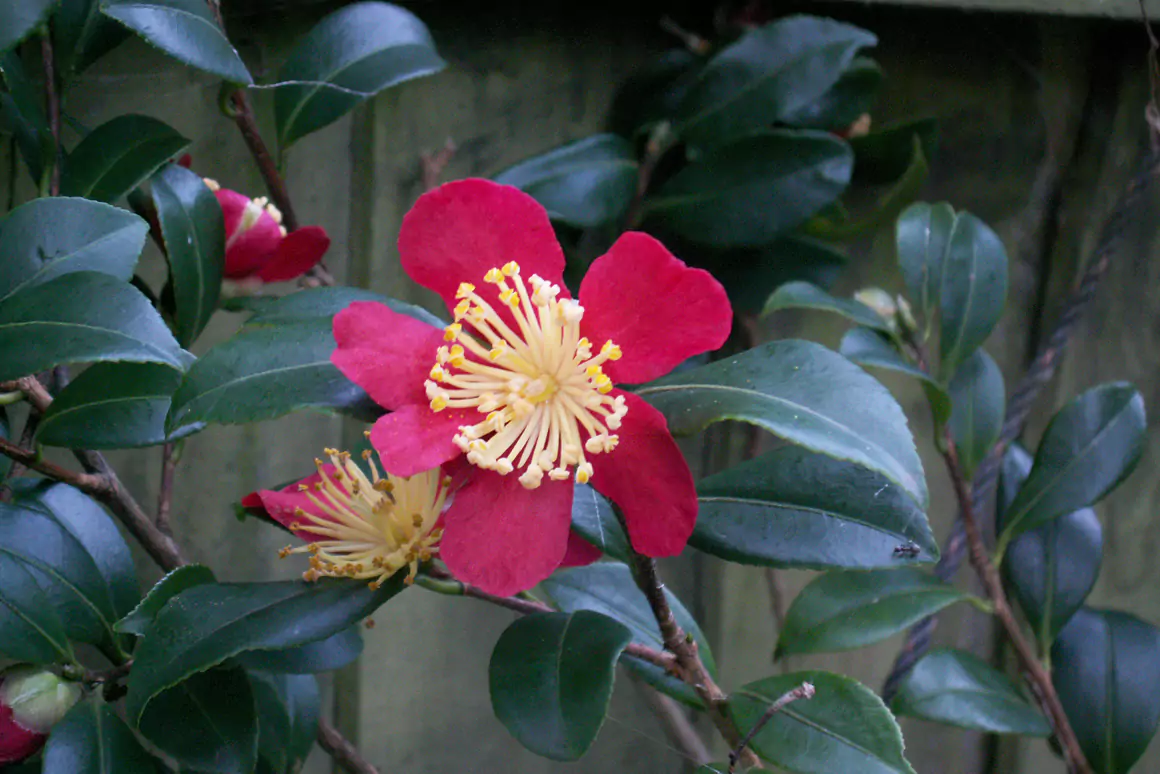
Beginning its flowering about a month earlier than St Ewe but vying for attention with small bright red flowers is the aptly named Camellia x vernalis ‘Yuletide’. A cross between Camellia japonica and C. sasanqua, it is a relatively recent arrival but increasingly popular especially as a seasonal present for gardeners. It has dark green glossy leaves and, in my experience, has been happy and healthy, despite occasional exposure to salt laden winds. Growing to 5-6 ft and at its peak through Christmas and beyond, it always attracts comment. There are a number of similar hybrids with light pink flowers but none of them are as attractive as ‘Yuletide’.
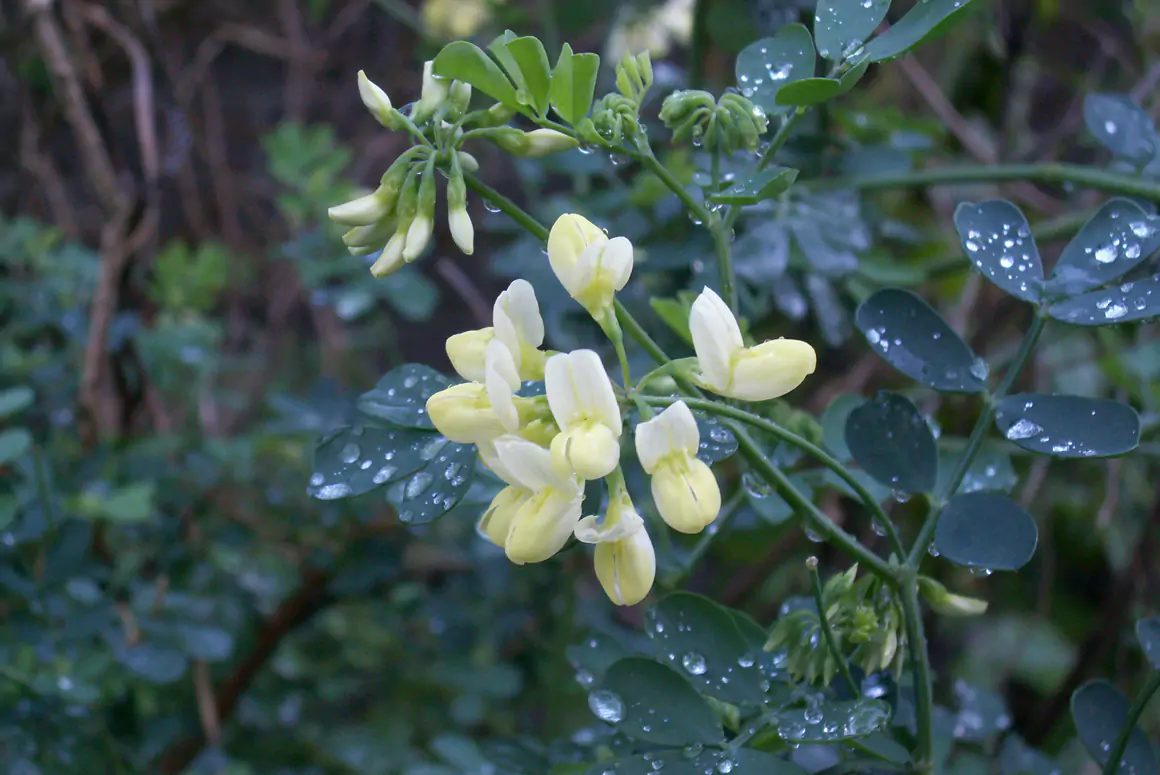
Coronilla valentina glauca ‘Citrina’ is a bit of a mouthful for a small shrub which barely reaches 6 feet on a warm wall, with some support. However, its latin name may well be more acceptable than its common epithet ”bastard senna” thought to allude to the similarity of their respective seed pods. A relatively unobtrusive plant when out of flower, despite attractive grey-green foliage, it is transformed by panicles of pale cream and lemon flowers with a sweet but not overpowering fragrance. It will grow in any fertile well drained soil and is ideal near an entrance. My plant starts to flower in late autumn and will continue until spring. An undemanding plant that always gives me pleasure and I would not be without it.
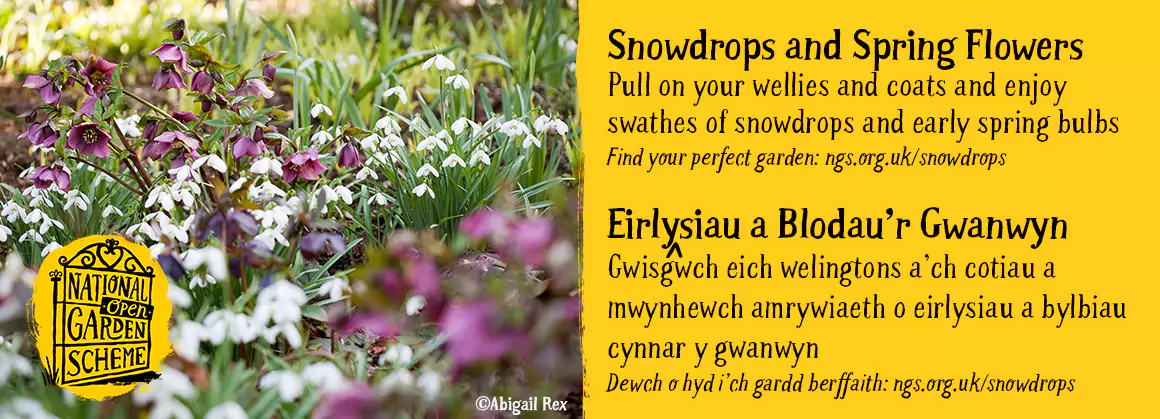
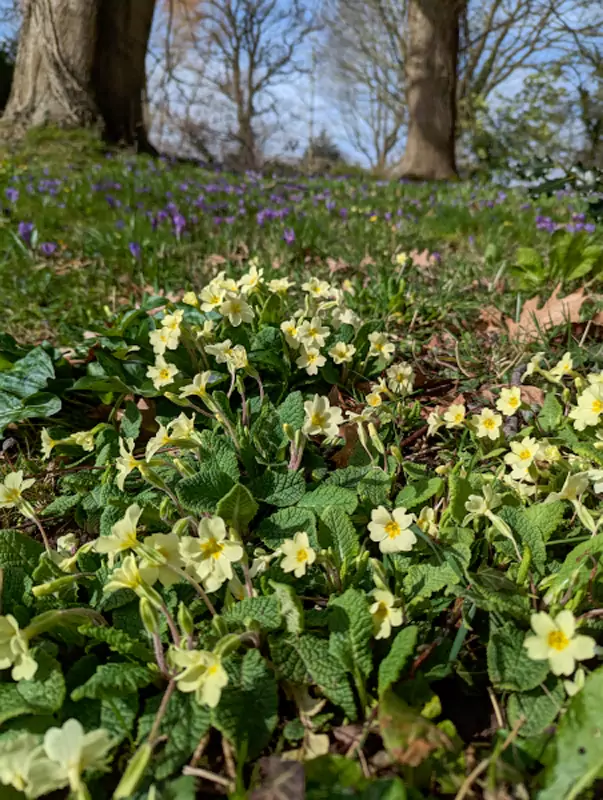
The National Garden Scheme starts 2026 with gardens open for snowdrops and early spring flowers. Spending time outdoors in a garden after the dark days of winter can provide a much needed wellbeing boost!
Bryngwyn Manor
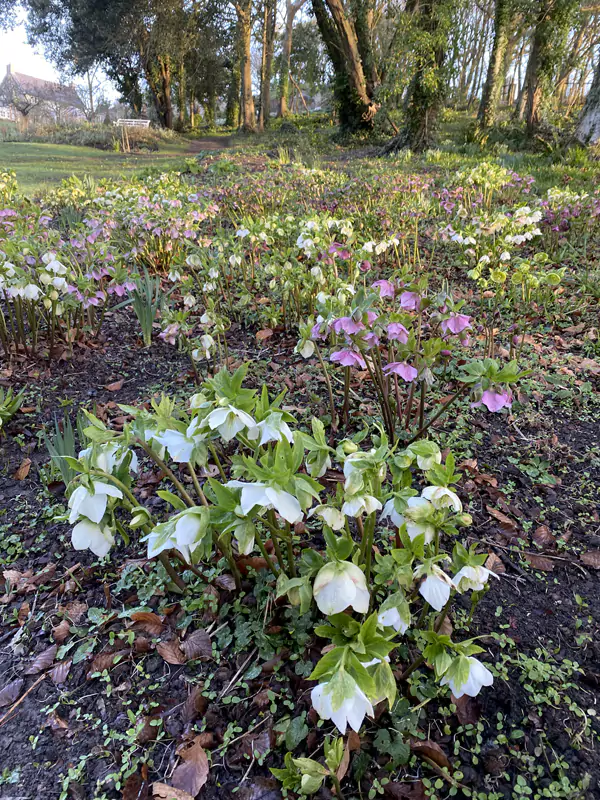
Bryngwyn Manor near Raglan, Gwent is a welcoming, relaxed, family friendly 3 acre garden with ‘wild’ areas that Peter & Louise Maunder open for group visits by arrangement. Winter snowdrops, the daffodil walk, mature trees, ponds and shrubbery feature early in the year. Treat yourself with hot drinks and cakes by the fire in winter.


Gelli Uchaf
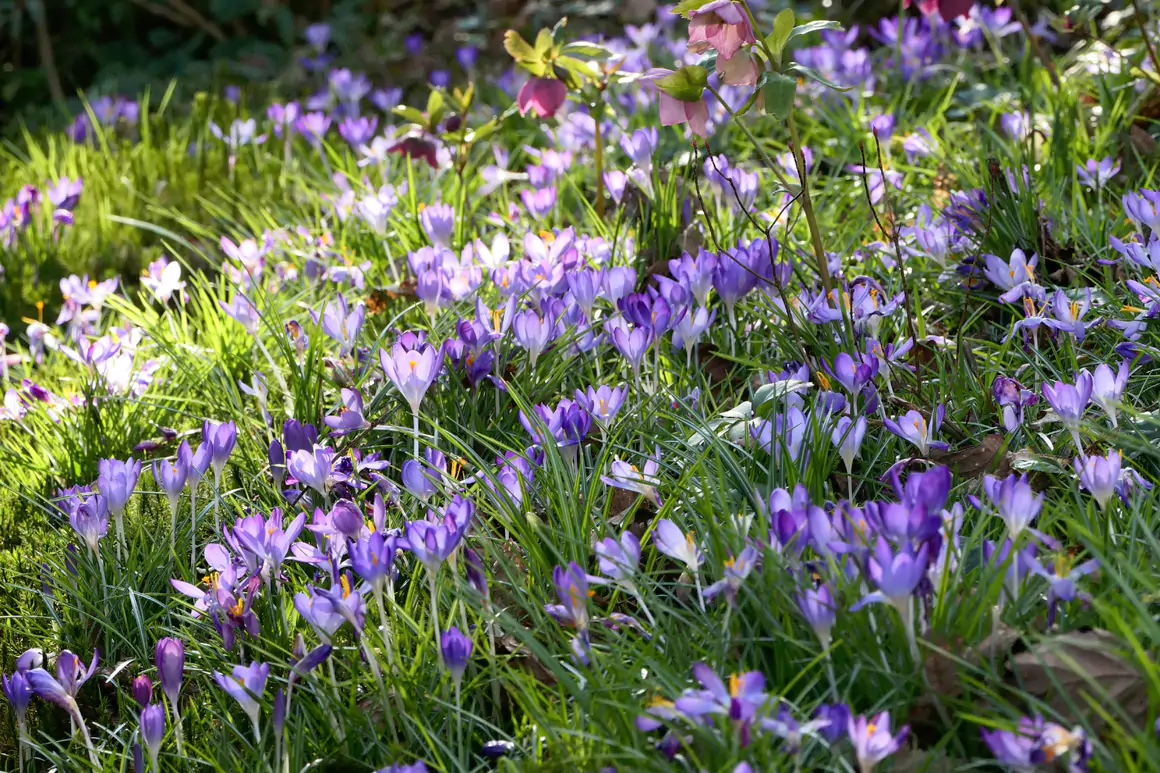
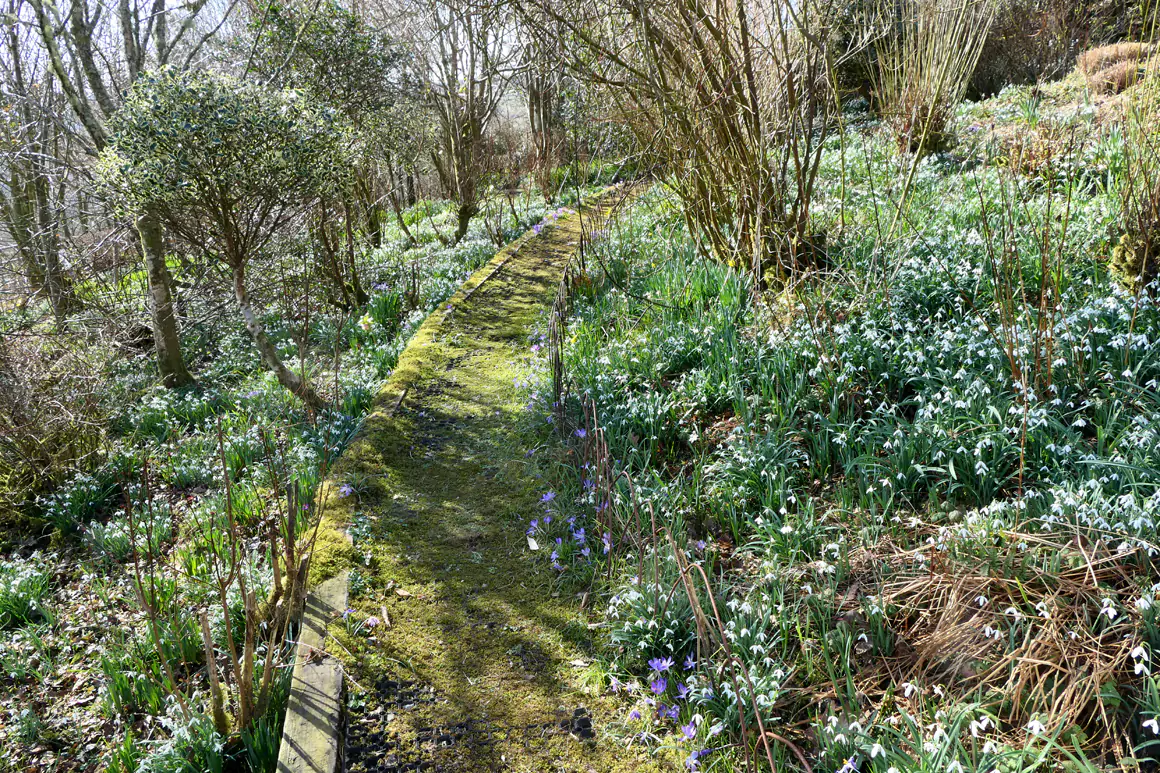
When Julian and Fiona Wormald bought Gelli Uchaf near Llandeilo, Carmarthenshire in 1993 it was a derelict shell. Over the years they have created a 1½ acre garden to complement their C17 Longhouse and 11 acre smallholding. Situated 800 feet above sea level enjoy the wonderful views from their shepherd’s hut. Spring is the time to see their passion for bulbs including snowdrops, crocus, cyclamen and daffodils that underplant their trees and shrubs combined with innovative, intermingling of different plants.
Julian says;
“How could we begin to create a garden in West Wales and not try to grow daffodils, (cenhinen Bedr/cennin Pedr – ‘St.Peter’s leek’), the National flower?”
“The garden now has millions of bulbs in it, but every year we still plant lots more and now have an interesting collection of nearly 150 different Welsh provenance snowdrops, to complement our 200 plus named forms as well as over 200 different forms of daffodils including many vintage cultivars.”
In March 2025 Julian shared his interest featuring on BBC Gardener’s World with some lovely drone scenes of the landscape showing how these tough bulbs have become established.
Planted for year round interest a repeat visit in a later season will reward with other delights in this wildlife haven with wildflower and fungi-rich hay meadows, ponds and more besides.

Slade
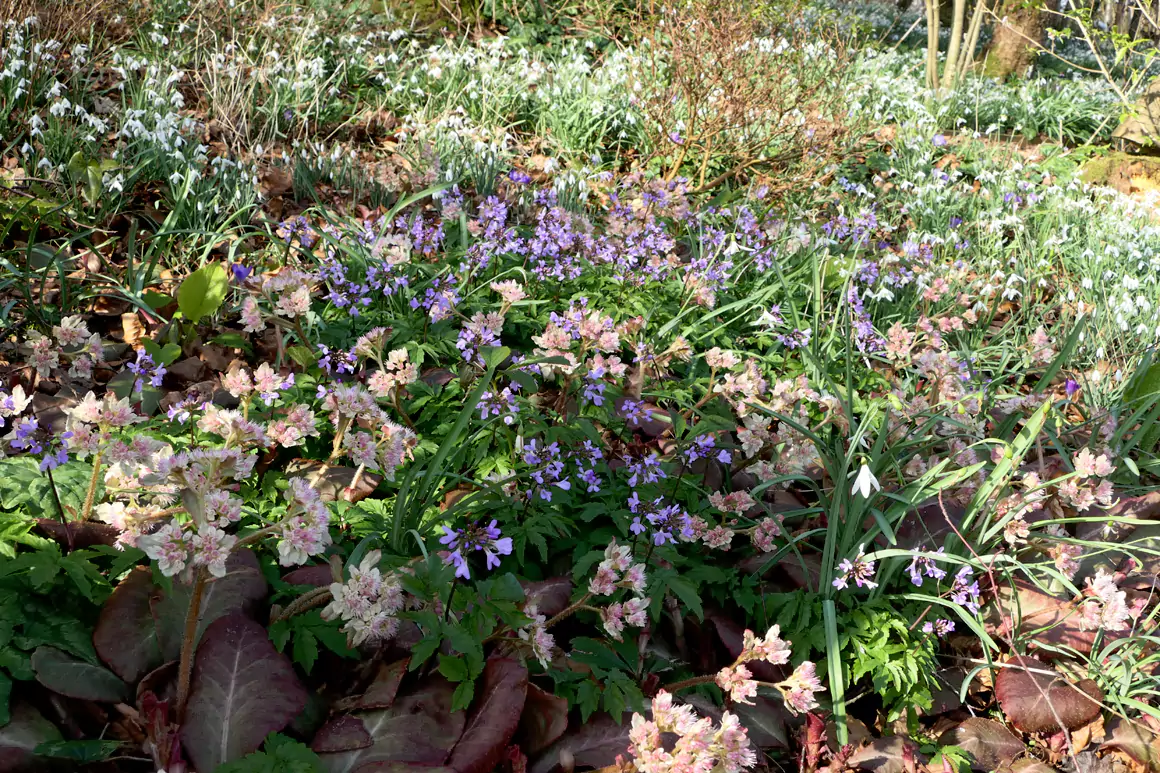
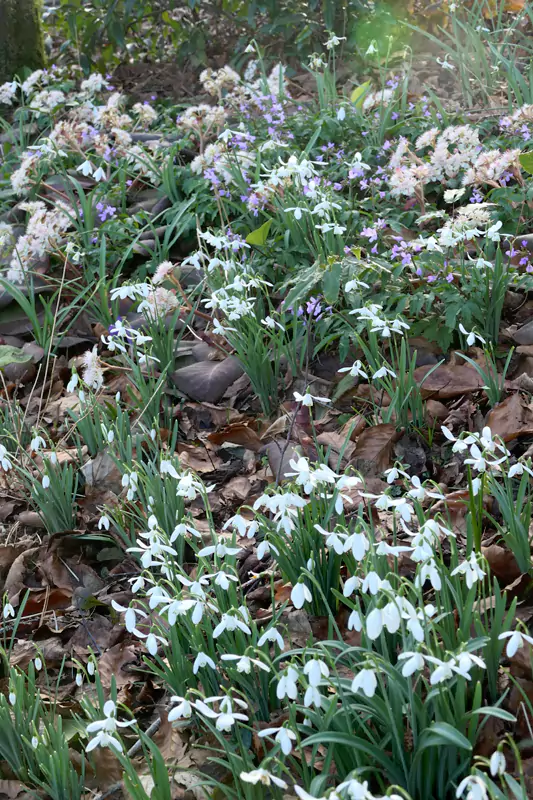
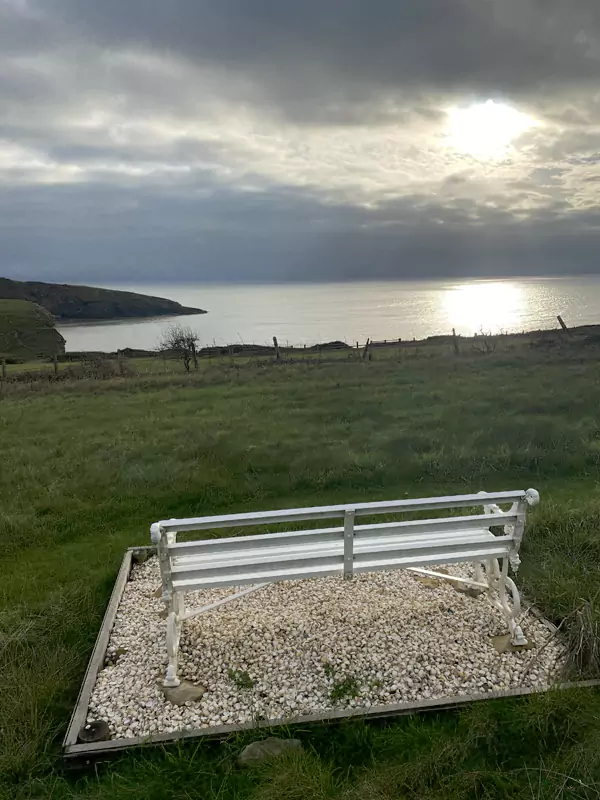
Hidden in a valley next to the sea with views over the Bristol Channel is the unexpected jewel of Slade in Southerndown, Glamorgan. Protected by a belt of woodland you can enjoy the drifts of snowdrops, including some special varieties alongside hellebores, cyclamen, crocus and other early spring bulbs and plants. Peter and Rosamund Davies have created new seating areas to take in the sea views, woodland and planting. Note the cockle shell mulch under the seats, on paths and pots. Recycled from the Cockle Industry on the Gower by the trailer load by Peter!
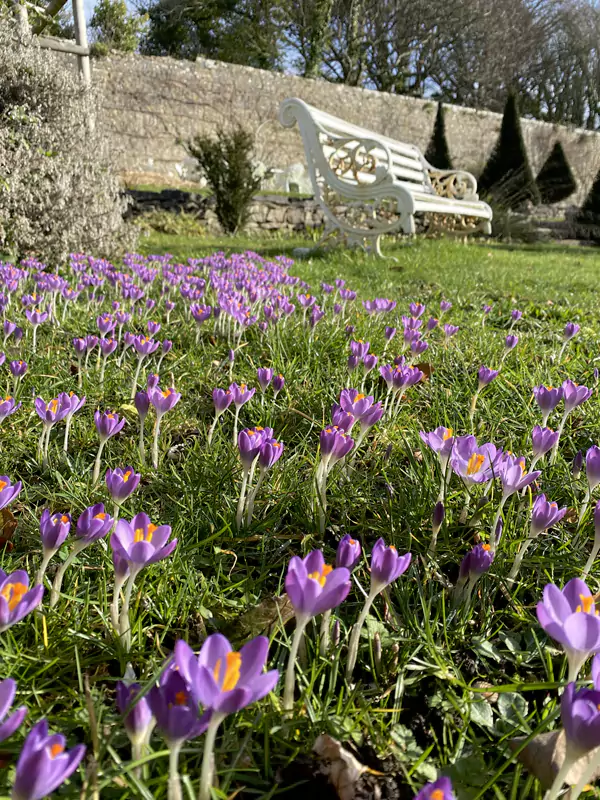
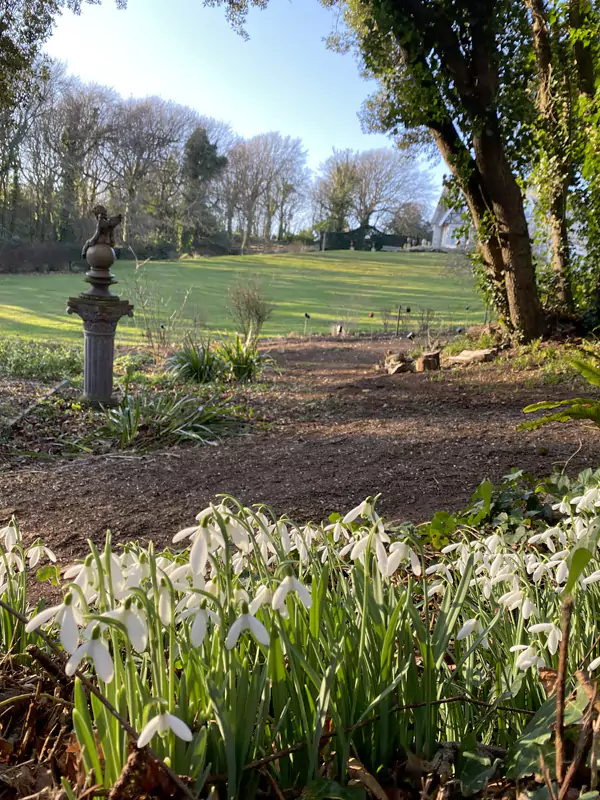
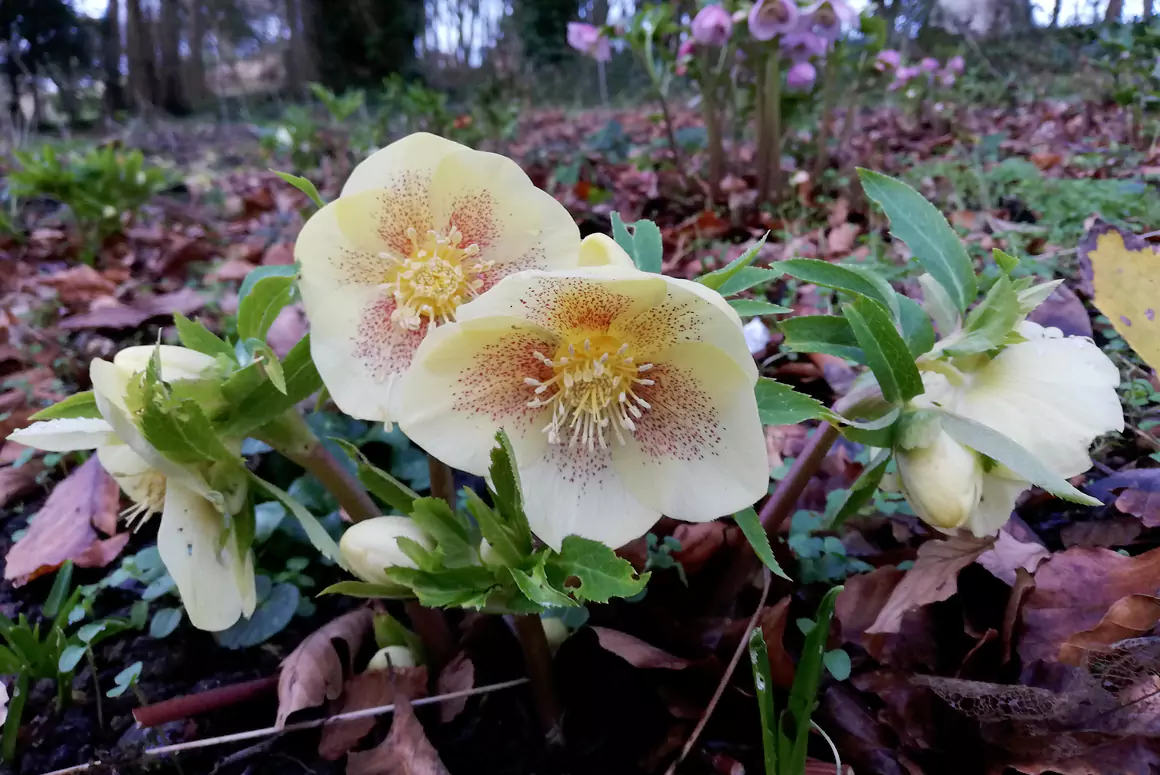
The end of 2025 saw a record of £3,875,596 in donations by the National Garden Scheme to beneficiary charities funded by your garden visits. Relish the first signs of Spring with a garden visit and help support vital nursing and health charities.
NGS Open Gardens
Welsh Country has two NGS open garden sections. The first ‘Open Gardens’ are gardens that are open on specific days and the ‘Long Term Open Gardens’ which are by appointment only. There is a search facility on each page so simply search for a garden name or an area of Wales (i.e. Swansea) you’d like to visit.
Words: Rob Dyer
Pictures: National Garden Scheme & Annette Dyer
National Garden Scheme: Frances Bowyer