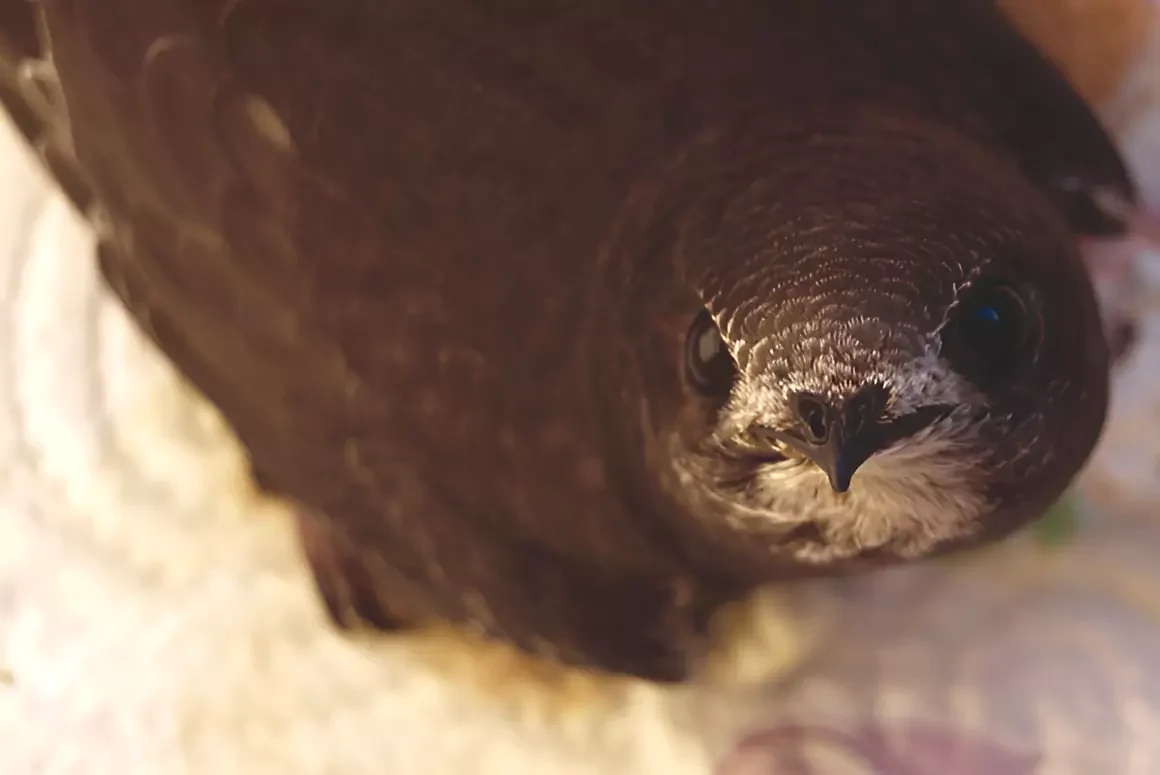
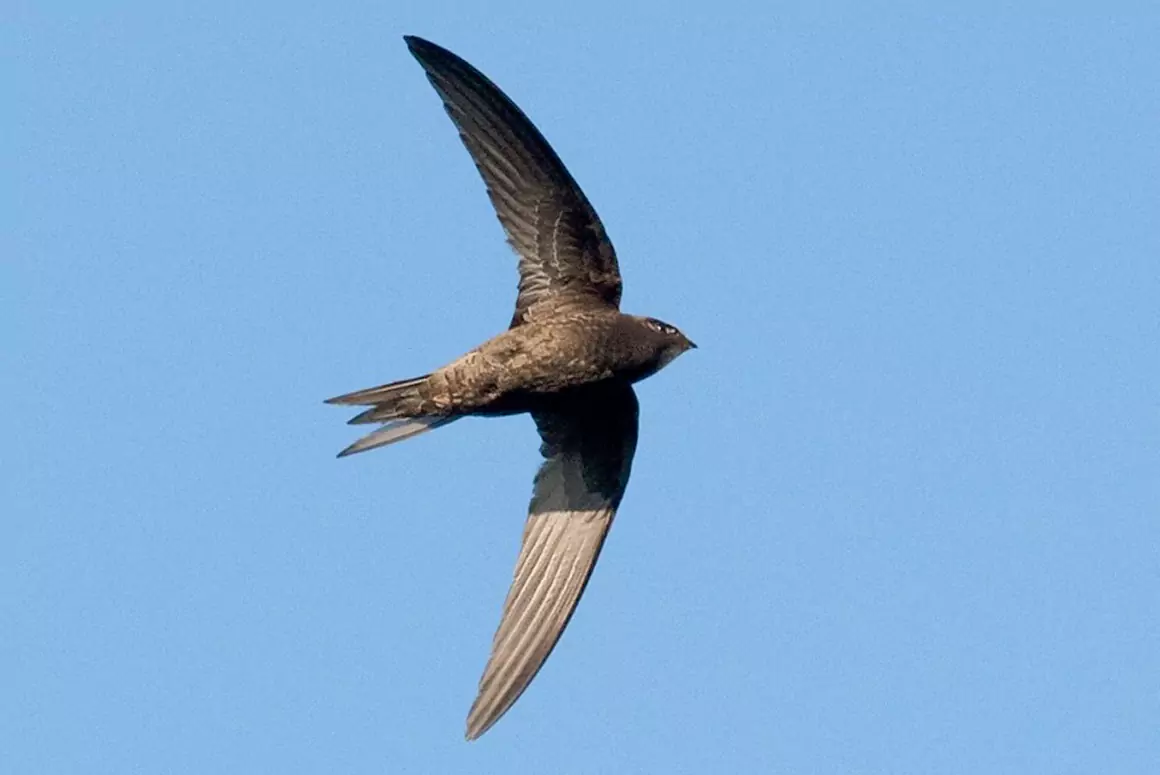
The scream comes before the bird: a sudden, searing note overhead that stops me in my tracks, leaving me scanning the North Wales skies for the longed-for rush of dark, scythe-shaped wings. They are back! My heart soars.
Common swifts normally arrive here during late April, each one having survived an epic and often hazardous journey of up to 6,000 miles. Travelling from sub-Saharan Africa, they cross deserts, seas, and mountain ranges, navigating storms, droughts, and ever-changing conditions along the way. That any bird survives such a migration is remarkable; that they return year after year to the same small patch of sky is nothing short of extraordinary.
Yet the danger does not end when they reach our shores. For those that do make it, their challenges are far from over. Swifts are among the most rapidly declining bird species in the UK, and populations across parts of Europe are also under pressure, with numbers having fallen dramatically over recent decades. The causes are complex and deeply interconnected. A severe reduction in flying insects, largely due to the widespread use of insecticides, and changes in land use, have drastically reduced their food supply. Increasingly unpredictable weather linked to climate change can lead to prolonged periods of cold or rain, during which insects are scarce, and adult swifts struggle to feed themselves and their young. For chicks in the nest, even a few days of poor weather can be fatal.
Habitat Loss
Habitat loss, however, remains one of the most significant and immediate threats. Swifts originally nested in caves, crevices, and cliff faces, but hundreds of years ago they adapted to human settlements, finding ideal nesting spaces in the gaps and cavities of our buildings. Roof spaces, eaves, and loose tiles provided warm, sheltered sites, and swifts returned faithfully year after year to the same locations. This long-standing relationship is now being quietly dismantled.
The demolition of older buildings, and the renovation of existing ones to modern energy-efficient standards, have led to the loss of countless traditional nesting sites. Even well-intentioned repairs, such as re-roofing or insulation work, can inadvertently seal off nest cavities that have been used for generations. New-build homes, meanwhile, are typically constructed using materials and techniques that deny swifts any access at all. Designed for maximum thermal efficiency, they offer no gaps beneath the eaves, no hidden ledges, no small entry points. After their exhausting migration, swifts have neither the energy nor the time to search widely for alternative nest sites. If their traditional site has vanished, they may simply fail to breed that year.
The tragedy is that these losses are often unintended and, in many cases, easily preventable.
How We Can Help
There are practical steps we can take to make a difference, whether as homeowners, builders, planners, or simply as people who care about the wildlife that shares our cities, towns and villages.
Installing a swift nest box is one of the simplest and most effective actions we can take. Positioned in a shaded or north-facing location, at least five metres above the ground with a clear flight path, a box can provide a vital lifeline. Ideally, several boxes should be installed together, as swifts are highly sociable birds and prefer to nest in small colonies.
Because swifts are faithful to existing sites, attracting new birds does require patience. Playing recordings of swift calls during the breeding season can alert passing birds to the presence of a potential nesting site, though it may take a year or more before a box is occupied. Once established, however, a swift nest can be used for decades. For those undertaking building or renovation work, specially designed ‘swift bricks’ offer an excellent long-term solution. These unobtrusive bricks can be built directly into walls, providing permanent nesting cavities without affecting the appearance or insulation of a building.
Citizen Science in Action
Further guidance can be found on the Swift Conservation website, which offers detailed advice on suitable nest sites, box placement, and local projects. Swifts are remarkably clean birds: parent birds consume most of their chicks’ droppings, thought to recycle minerals, and very little waste falls below the nest site.
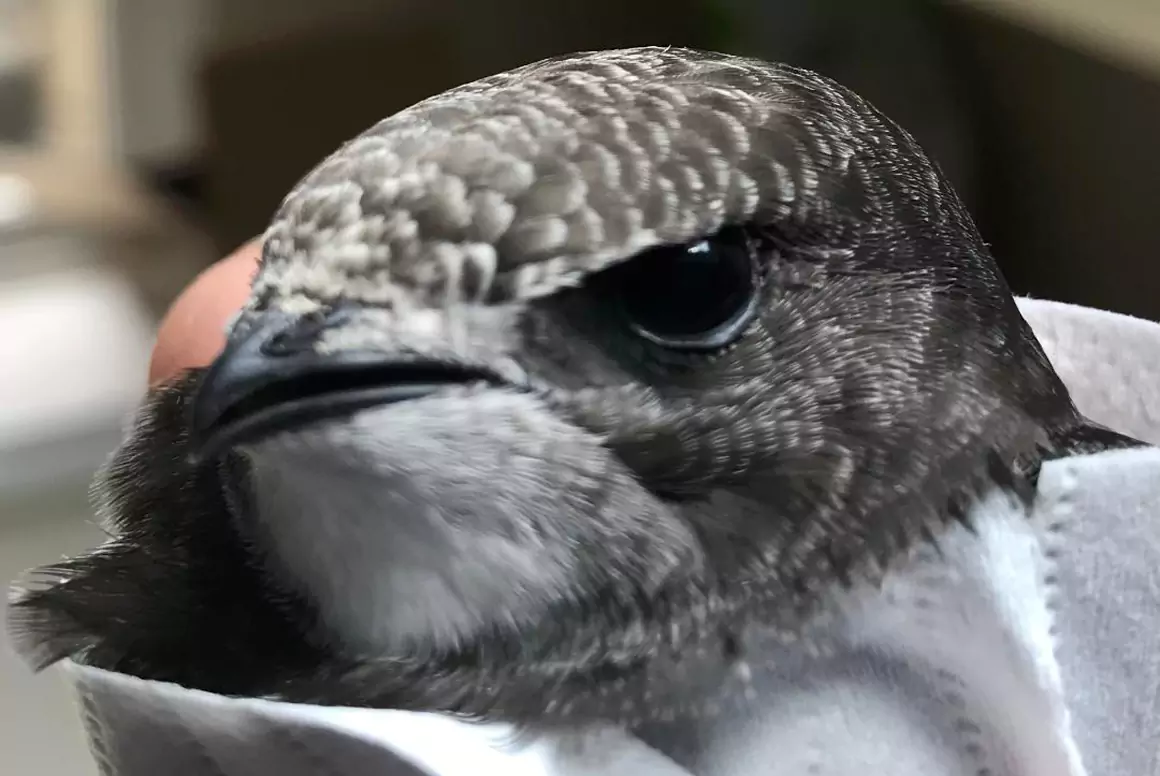
Monitoring swift populations is also crucial. Sightings of screaming parties, ‘prospecting’ birds investigating potential nest sites, confirmed nesting attempts, or young swifts found on the ground, all provide valuable evidence of where swifts are present and breeding. Citizen science plays a vital role here: simply noticing and reporting what we see can make a meaningful difference.
In North Wales, these observations can be submitted to COFNOD, the wildlife data recording centre, where they contribute to a growing national dataset used to track population trends, safeguard existing colonies, and identify appropriate locations for new nest sites.
Birds of the Otherworld
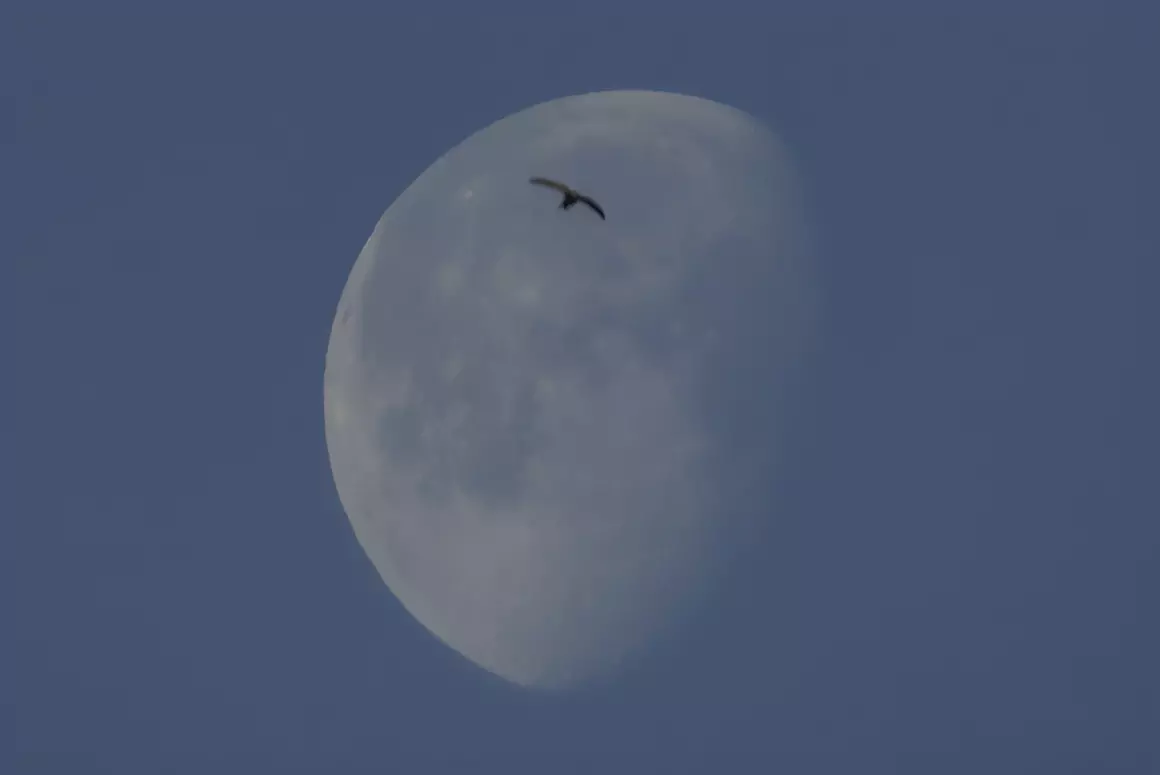
Perhaps part of what makes swifts so compelling is their sheer ‘otherness’. Related to hummingbirds, these extraordinary birds belong to one of the oldest avian lineages. They are the fastest birds in level flight, reaching recorded speeds of 69.3 miles per hour, surpassed only by the peregrine falcon in its hunting stoop. Supreme aerialists, swifts feed, drink, mate, and even sleep on the wing, landing only to nest.
Young birds may remain airborne for two to three years after fledging, never touching land during that time. One tagged swift was found to have flown an estimated four million miles in its lifetime – the equivalent of more than 100 trips around the Earth. To watch them flying is to glimpse a life lived almost entirely in the air, governed by wind and weather, and compelled by an instinct older than civilisation itself.
It is imperative that we do all we can to halt the catastrophic decline of this most enigmatic of birds. By improving our buildings and outdoor spaces to accommodate swifts, we can make a real and lasting contribution to their survival, ensuring that the drama, excitement, and wonder they bring will never be lost from our skies.