


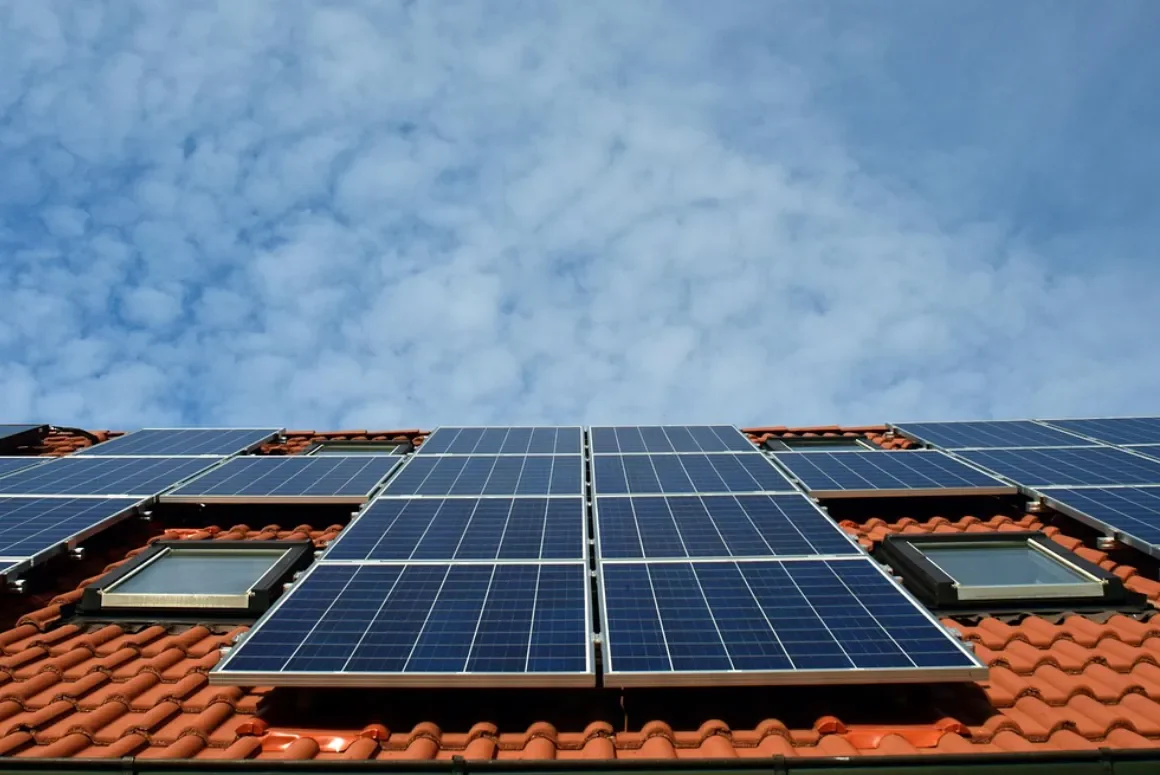
Solar panels have become an increasingly prominent feature within the residential property market. Once considered a niche sustainability upgrade, they are now viewed by many homeowners as both an environmental commitment and a long term financial investment. Rising energy costs, evolving environmental awareness, and advancements in renewable technology have all contributed to their growing popularity.
Property professionals, including experienced local agents such as Parkers Tadley estate agents, have observed increasing buyer interest in energy-efficient homes. Modern purchasers are often more conscious of operational costs and sustainability credentials than previous generations. As a result, solar panel installations are now influencing buyer perception and, in many cases, overall property appeal.
How Solar Panels Work
Solar panels convert sunlight into usable energy through photovoltaic cells. These cells capture solar radiation and transform it into electricity that can power household appliances, lighting, and heating systems.
There are also solar thermal systems, which differ slightly by using sunlight to heat water rather than generate electricity. Both systems contribute to energy efficiency, although photovoltaic installations are generally more common within residential settings due to their broader application and financial flexibility.
The Relationship Between Solar Panels and Property Value
The relationship between solar panels and property value is influenced by multiple factors, including location, installation quality, energy savings, and buyer priorities. In many cases, homes equipped with solar systems are perceived as more desirable due to reduced running costs and environmental benefits.
However, increased value is not automatic. Buyers tend to assess the practicality, age, and efficiency of the system rather than simply its presence. A professionally installed and well-maintained solar setup is far more likely to enhance marketability than an outdated or poorly integrated system.
Energy Savings and Running Costs
One of the most compelling advantages of solar panels is the potential reduction in household energy expenses. Electricity generated directly from sunlight reduces reliance on external suppliers, lowering monthly utility bills over time.
For homeowners, these savings accumulate gradually and can become substantial over the lifespan of the system. Buyers are increasingly attracted to properties with predictable and reduced operational costs, particularly during periods of energy market volatility. Lower running costs can therefore become a persuasive selling point during property transactions.
Environmental Benefits and Buyer Appeal
Environmental consciousness has become a significant influence within the housing market. Many buyers actively seek homes that align with sustainable living principles and lower carbon footprints.
Solar panels contribute directly to reduced greenhouse gas emissions by decreasing dependence on fossil fuel-generated electricity. This environmental benefit enhances appeal among eco-conscious buyers, particularly younger demographics who often prioritise sustainability within purchasing decisions.
As environmental standards continue to evolve, sustainable property features are likely to become progressively more influential in determining long term desirability.
Installation Quality and System Efficiency
The quality of installation plays a crucial role in determining both performance and property impact. Poorly installed systems can create technical issues, reduce efficiency, and even damage roofing structures if not handled correctly.
Professional installation by accredited specialists ensures optimal positioning, safe integration, and long term reliability. Buyers are far more reassured by systems that include certifications, warranties, and documented maintenance histories. Efficiency ratings also matter significantly, as higher-performing systems generate greater energy savings and stronger buyer interest.
Planning Permission and Legal Considerations
Although many residential solar installations fall within permitted development rights, certain properties may require planning approval. Listed buildings, conservation areas, or properties with specific restrictions may face additional regulatory requirements.
Legal considerations also extend to ownership structures. Some older installations were financed through lease agreements involving third-party ownership of roof space. These arrangements can complicate mortgage approvals and property transactions if not managed carefully.
Clear documentation and legal transparency are therefore essential when selling a home with solar panels installed.
Solar Panels and EPC Ratings
Energy Performance Certificates, commonly known as EPCs, have become increasingly important within the housing market. Solar panels often contribute positively to EPC ratings by improving the property’s energy efficiency profile.
Higher EPC ratings can increase buyer confidence and enhance overall marketability. As energy regulations tighten and sustainability becomes more central to property assessments, efficient homes are likely to hold a competitive advantage.
For landlords in particular, EPC standards have growing regulatory significance, making solar energy installations an increasingly practical long term consideration.
Potential Drawbacks and Buyer Concerns
Despite their advantages, solar panels are not entirely free from concerns. Some buyers may question roof condition, maintenance obligations, or future replacement costs associated with ageing systems.
Aesthetic considerations can also influence perception. While many modern installations are visually discreet, some buyers may feel that panels alter the appearance of the property. Misunderstandings regarding maintenance requirements or efficiency can further affect buyer confidence.
Addressing these concerns proactively through accurate information and documentation helps reduce hesitation and improve market acceptance.
Financial Incentives and Return on Investment
Government initiatives and export tariffs have historically supported the adoption of residential solar systems. While specific schemes evolve over time, homeowners may still benefit from incentives linked to exporting unused electricity back to the grid.
Return on investment varies depending on installation cost, energy usage, and local electricity prices. However, many homeowners view solar panels as a long term asset that delivers both operational savings and enhanced property appeal over time.
Calculating financial return should therefore include not only energy savings but also potential influence on resale value and buyer demand.
Selling a Home with Solar Panels Installed
When marketing a property with solar panels, presentation and information are critical. Buyers will often want details regarding installation dates, system ownership, maintenance records, warranties, and energy savings performance.
Providing clear documentation demonstrates transparency and professionalism. Estate agents can also emphasise reduced running costs and sustainability benefits within marketing materials, helping buyers understand the long term advantages associated with the property.
A well-presented solar installation can become a differentiating feature in competitive housing markets.
Future Trends in Sustainable Property Features
The property market is steadily moving towards greater emphasis on sustainability and energy efficiency. Solar panels are part of a broader transition that includes electric vehicle charging points, battery storage systems, and smart home energy management technologies.
As energy costs continue to fluctuate and environmental awareness grows, renewable features are likely to become increasingly valuable within residential markets. Homes that adapt to these evolving expectations may experience stronger long term demand and resilience.
Solar panels are no longer viewed solely as environmental upgrades. They have become practical financial and market considerations for modern homeowners. While their influence on property value depends on factors such as quality, efficiency, and buyer perception, well-maintained systems can enhance desirability, reduce running costs, and support long term market appeal. As sustainability continues to shape the future of housing, solar energy installations are likely to play an increasingly significant role in residential property value.