‘The Gower Society is a model for local campaigning.’ So said Kate Ashbrook, general secretary of the Open Spaces Society(1) who, on Friday (22 September), gave a talk to celebrate the Gower Society’s 75th anniversary this year.
On its inception in 1948 the Gower Society joined the Open Spaces and they have shared similar aims of protecting common land,(2) open spaces and paths ever since. The Open Spaces Society was founded in 1865 and is Britain’s oldest national conservation body.
Kate spoke of the history of the Open Spaces Society, which was founded to protect commons in and around London. Its early victories were the rescue of Hampstead Heath, Wimbledon Common and Epping Forest. Today it continues to campaign for commons, greens, open spaces, and public paths throughout Wales and England.
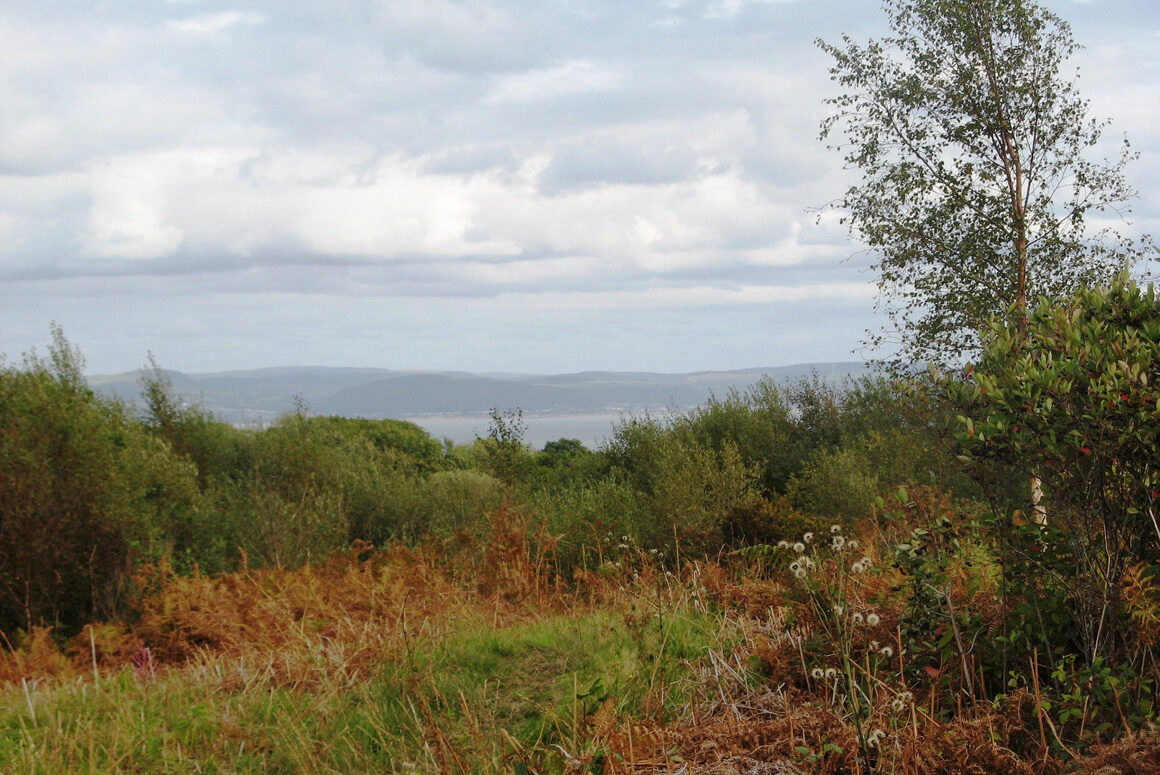
The OSS stands alongside the Gower Society in the fight against the exchange of part of Clyne Common for housing development. The landowner, the Somerset Trust, is offering a miserable area of land some distance away in exchange for the beautiful, species-rich common. The OSS is also campaigning to protect Picket Mead, a gem of a common at Newton. It stands ready to help the Gower Society with its excellent work.
Says Kate:
‘We greatly appreciate our relationship with the Gower Society. Its members can be our eyes and ears on the ground, while we offer our expertise and national campaigning clout to protecting this wonderful landscape, its rich commons, and people’s access there. Long may our alliance continue.’
- The Open Spaces Society was founded in 1865 and is Britain’s oldest national conservation body. It campaigns to protect common land, village greens, open spaces and public paths, and people’s right to enjoy them.
- Common land is land subject to rights of common—to graze animals or collect wood for instance—or waste land of the manor not subject to rights. The public has the right to walk on nearly all commons, and to ride on many. Commons are protected in that works on common land require the consent of the Welsh ministers, via the Planning and Environment Decisions Wales, under section 38 of the Commons Act 2006.