


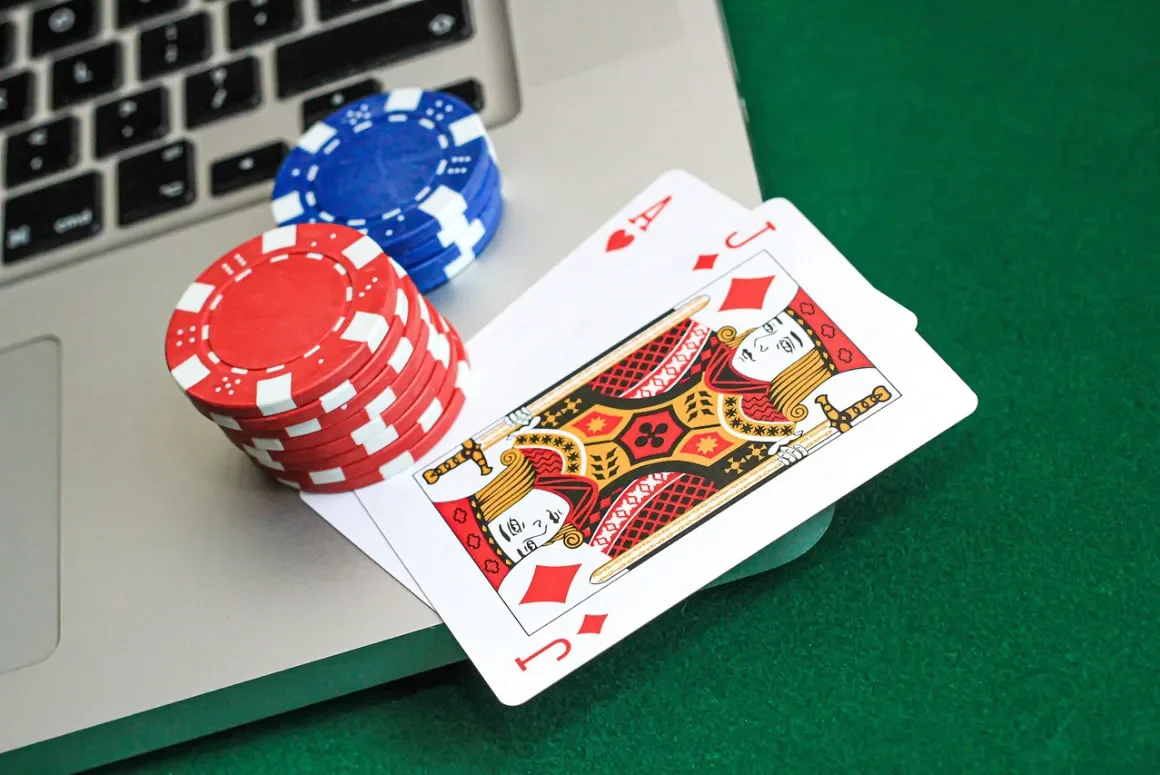
Luck, Leisure and Lifestyle: Why Games Have Always Been Part of British Entertainment
Games have long been woven into the fabric of British life. From traditional pub pastimes and village competitions to card games, bingo halls and modern digital entertainment, they have provided people with ways to relax, socialise and add a little excitement to everyday routines.
In Britain, leisure has never been only about passing the time. It is often about community, conversation and shared experience. Whether played around a kitchen table, in a local pub or through a screen at home, games continue to reflect changing lifestyles while preserving something familiar: the simple enjoyment of taking part.
From Village Traditions to Classic British Pastimes
Long before smartphones and online entertainment, games were a central part of social life across Britain. Rural communities regularly gathered for fairs, festivals and local competitions, while pubs became natural meeting places for darts, dominoes, cards and other informal contests.
These activities were often less about winning than about participation. A game of darts after work, a family card game on a rainy afternoon or a quiz night in the local pub created opportunities for people to spend time together. In many parts of Wales and the wider UK, these small traditions remain an important part of community life.
Some games also became closely associated with particular settings. Bingo halls grew in popularity during the twentieth century, offering entertainment and a strong social atmosphere. Football pools added another layer of anticipation to the weekend, combining sporting knowledge with the possibility of a lucky result.
Even today, these traditions continue in modern forms. Pub quizzes remain popular, board games have enjoyed a revival, and local events often feature competitions that would have felt familiar to earlier generations. The formats may evolve, but the appeal of friendly competition remains remarkably consistent.
How Technology Has Changed the Way We Play
The digital age has transformed leisure time across Britain. Entertainment is now available almost instantly, whether through streaming platforms, mobile games, online quizzes or interactive apps.
For many people, this has made gaming more flexible. A person who once needed to visit a bingo hall, arcade or casino can now access similar forms of entertainment from home. Digital technology has also created entirely new categories of games, ranging from casual puzzle apps to multiplayer experiences connecting people across the country.
Online gambling has followed the same trend. Modern platforms offer a wide range of options, and the sector has expanded alongside developments in digital payments and blockchain technology. Terms such as crypto casino no KYC have entered the online vocabulary as some players look for alternative platforms that use cryptocurrency and simplified registration processes.
However, convenience has also made responsible decision-making more important. Gambling should always be approached as paid entertainment rather than as a way to make money. Setting a budget, understanding the rules and knowing when to stop are sensible habits for anyone choosing to take part.
For most people, the broader appeal of digital leisure lies in choice. Technology has made it possible to switch easily between traditional entertainment and new experiences, giving people more freedom to decide how, when and where they unwind.
Why Games Still Matter in Modern British Life
Despite the enormous changes in technology, the reasons people enjoy games have remained surprisingly stable. They offer a break from routine, provide a sense of challenge and create opportunities for connection.
In Wales, where outdoor leisure, local culture and community events remain important parts of everyday life, games complement rather than replace more traditional activities. A weekend might include a countryside walk, a meal at a local pub and an evening quiz or board game with friends. Entertainment does not need to be elaborate to be memorable.
Games also have a valuable social role. They can bring different generations together, encourage conversation and provide a shared focus during gatherings. Familiar games often carry a sense of nostalgia, while newer forms of entertainment introduce fresh ways to connect.
The continued popularity of games shows that leisure is not simply about filling spare hours. It is about creating moments of enjoyment, curiosity and shared experience. From village halls and pub tables to apps and online platforms, games have adapted to almost every change in British lifestyle.
Luck may add an element of excitement, but the lasting appeal of games has always been broader than chance. They give people a reason to gather, compete, laugh and unwind. That is why, however entertainment continues to evolve, games are likely to remain a familiar part of British leisure for generations to come.