


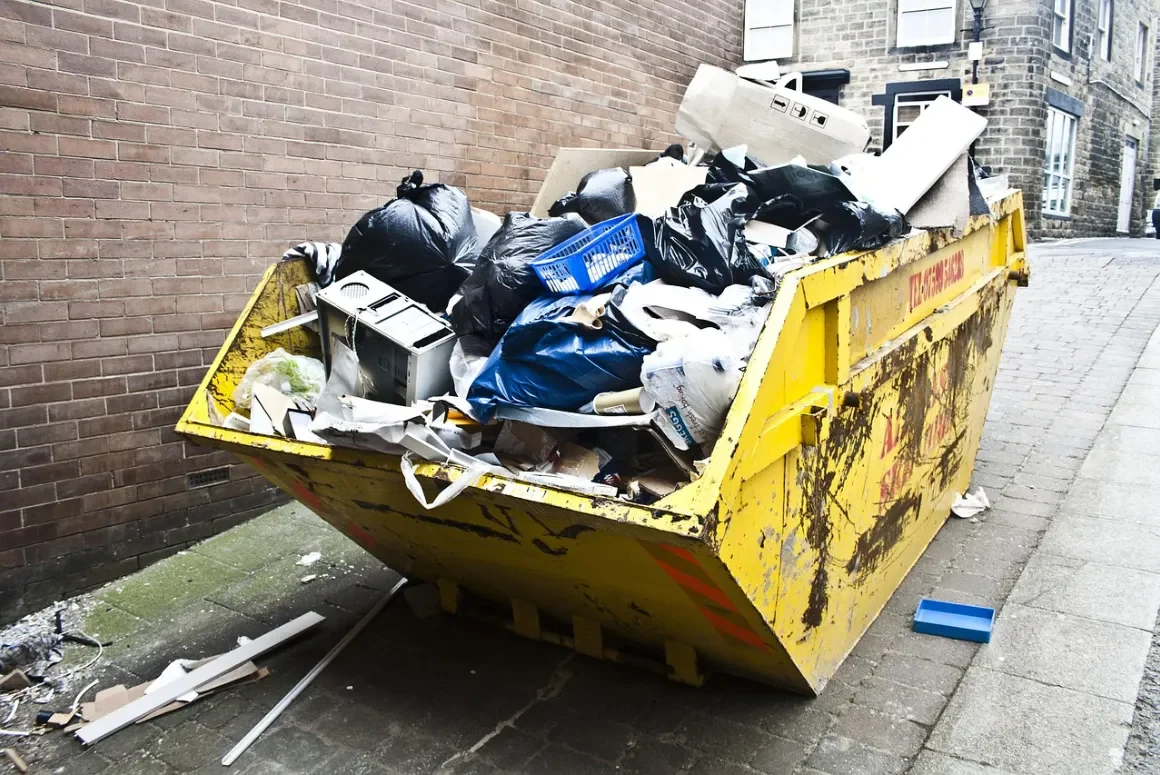
Figures published by Natural Resources Wales (NRW) in early 2026 show a significant increase in illegal waste dumping. According to the NRW, there is a 14.7% annual rise in fly-tipping across the country, and local authorities logged over 48,000 separate incidents, equating to approximately 133 cases every day. The burden on rural communities has reached a critical threshold. For property developers, civil engineering contractors, and agricultural landowners, this statistical spike represents far more than an environmental grievance. It is a direct logistical bottleneck that delays site preparations, incurs unexpected disposal tariffs, and threatens land valuations.
In an effort to stem the tide, the Welsh Government continues to direct multi-million-pound funding towards Keep Wales Tidy and the broader Caru Cymru framework. These state-backed programmes excel at mobilising volunteer litter-picking hubs to clear superficial refuse from hedgerows and footpaths. However, relying solely on volunteers might be insufficient. Grassroots volunteers simply do not have the necessary machinery and equipment to process multi-tonne loads.
Cleaning up these severe rural hotspots comes down to private waste companies. Their existing skip hire networks already have the trucks and recycling facilities needed to handle the job.
The Logistical Backbone of Heavy Waste Clearance
The physical extraction of mixed construction debris and aggregate from unpaved rural routes presents a distinct operational challenge that cannot be met by standard municipal vehicles. To manage these heavy-duty demands efficiently, contractors rely on specific classes of commercial containers.
easySkip.uk’s skip hire data indicates that the 8-yard container remains the most frequently utilised capacity for heavy rural waste removal. Supporting this trend toward standardised bulk management, other major waste operators report that mid-sized builders’ skips currently process the vast majority of commercial fly-tipping retrievals nationwide. For regional developers staring down a plot compromised by illicit dumping, procuring the correct structural container dictates whether a clearance takes forty-eight hours or a fortnight.
Extracting compacted construction waste from a remote Welsh bridleway requires precise vehicle routing and heavy-duty lifting mechanisms. While volunteer factions easily sweep up kerbside plastics, local skip operators handle the unsavoury logistics of separating hazardous materials from recyclable masonry. Commercial transport vehicles can navigate narrow rural lanes to drop high-capacity skips directly at the contamination site. Once filled, these units are hauled to licensed recycling centres where the aggregate is segregated, crushed, and diverted from landfill. This background commercial machinery is what actually scales the Welsh Government’s clean-up ambitions from cosmetic tidying to substantial environmental restoration.
Duty of Care and Regulatory Enforcement
The surge in rural dumping has triggered an equally aggressive response from local councils. The latest NRW data confirms that authorities executed over 27,000 enforcement actions during the 2024/2025 reporting period.
We are seeing a sharp increase in fixed penalty notices, alongside a rise in magistrate-level prosecutions. Because the rules are getting much stricter, business operators really need to take their waste compliance seriously.
Current Duty of Care legislation legally binds both homeowners and businesses to make sure registered carriers handle all their rubbish. If you fail to verify a contractor’s license, you could easily face fines reaching £5,000. The situation gets even worse for property developers, since discovering fly-tipped materials on newly acquired land means they instantly inherit the legal responsibility to dispose of it. Site managers can avoid this trap entirely by using established skip hire firms. Doing this provides a clear paper trail of waste transfer notes, which effectively protects the business from any secondary legal blame.
The commercial waste sector thereby acts as both a physical clearance mechanism and a legal shield for the construction industry.
Bridging Policy and On-the-Ground Execution
The Caru Cymru initiative continues to drive public awareness and community action, yet the physical extraction of heavy, dumped materials relies inherently on private sector logistics. Recent trends show that fly-tips increasingly consist of household waste intermixed with construction debris, creating complex loads that require professional sorting facilities to process safely.
Tradespeople and site managers operating in Wales must now factor the threat of fly-tipping into their baseline risk assessments. The rapid deployment of commercial skips has become a standard defensive measure to clear illicit waste before it attracts copycat dumping. As Welsh councils push for higher prosecution rates, the reliance on robust, compliant commercial waste networks will only deepen. Ultimately, while government funding sets the policy agenda, it is the fleet of commercial skip lorries and local waste transfer stations that executes the heavy lifting, ensuring rural Wales remains viable for both conservation and future development.