




Proper vehicle maintenance is imperative to ensure the longevity and dependability of your vehicle. By following some basic tech tips, you can significantly extend the life of your vehicle and avoid expensive repairs in the future. This article provides tips, maintenance advice and know-how to help you maintain your car effectively.
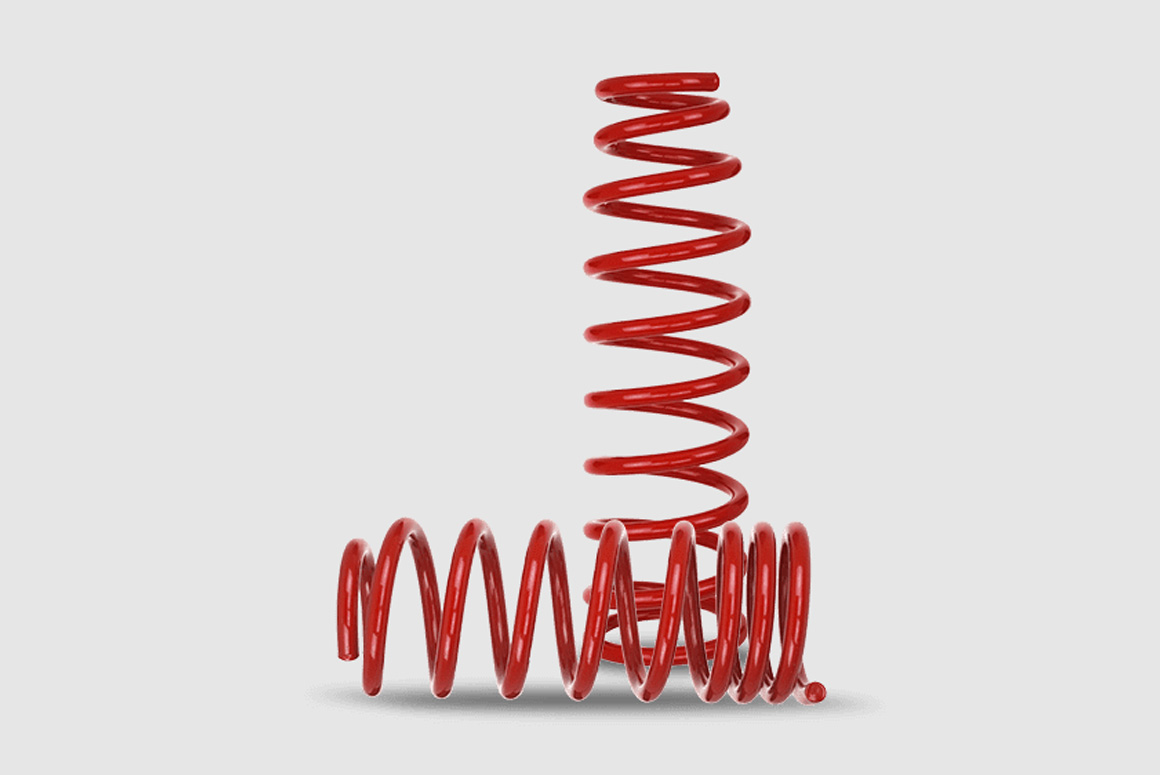
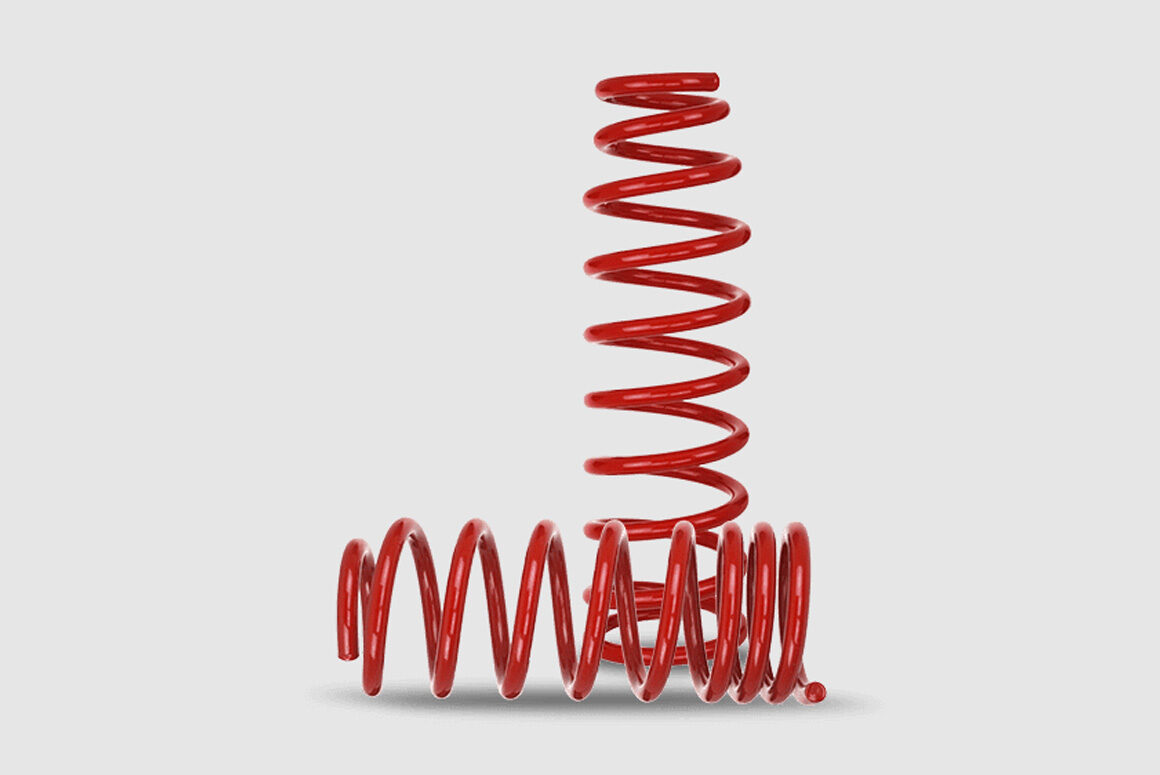
Coil spring image taken from onlinecarparts.co.uk
Regular oil and fluid checks
Regularly checking and changing your vehicle’s oil and other fluids is essential to maintaining the performance and reliability of your vehicle. Motor oil lubricates moving parts, reduces friction and prevents wear. Follow the manufacturer’s recommendations for oil change intervals and make sure you are using the correct type and grade of oil. In addition, other fluids such as brake fluid, coolant, power steering fluid, and transmission fluid play an important role in the proper functioning of your vehicle and should be checked and refilled regularly.
Filter changes
Filters play an important role in maintaining the cleanliness of varied systems in your vehicle. Engine air filters keep dust, dirt, and debris from entering your engine, while cabin air filters keep the air inside your vehicle clean and fresh. To ensure optimum performance and protect your engine and occupants from contaminants, regularly check and replace these filters according to the manufacturer’s guidelines.
Battery care
A properly maintained battery is integral for starting your car and powering the electrical system. Periodically check the battery terminals for corrosion and clean if necessary. Also, make sure the battery is securely fastened and there are no loose connections. If you notice any of the following signs of low battery power, for example, slow cranking or dim lighting, you should consider testing or replacing the battery to avoid unexpected failures.
Correct tire change and selection
Tires are critical to safety and performance as they are the only point of contact between your car and the road. Check your tire pressures regularly and make sure they are within the recommended range. Check tread depth and search for signs of uneven wear, bulges, or nicks. Worn or damaged tires can affect your vehicle’s handling and braking performance and should be replaced. Consider factors such as driving conditions, climate, and manufacturer recommendations when choosing new tires.
Regular maintenance schedule
To keep your car in top condition, it’s important to follow a regular maintenance schedule. Refer to your vehicle’s owner’s manual for the manufacturer’s handed maintenance intervals and activities. This includes regular inspections, maintenance, changing belts and hoses, replacing spark plugs, etc. By following a maintenance schedule, you can identify potential problems early and obviate them from developing into larger problems.
Other important maintenance aspects
In addition to the recommendations above, there are other major aspects to consider when it comes to car maintenance. Regularly inspect and replace worn wiper blades to ensure good visibility in bad weather. Keep your car clean inside and out to prevent dirt and debris build up. Protect your car’s paint by washing and waxing it regularly. Finally, watch for unusual sounds, vibrations, and warning lights, and have a professional inspect it if necessary.
Conclusion
By following these basic vehicle maintenance technique tips, you can extend the life of your vehicle and maintain its reliability. With proper maintenance, you can enjoy a smooth, trouble-free driving experience while saving yourself expensive repair bills in the long run.