


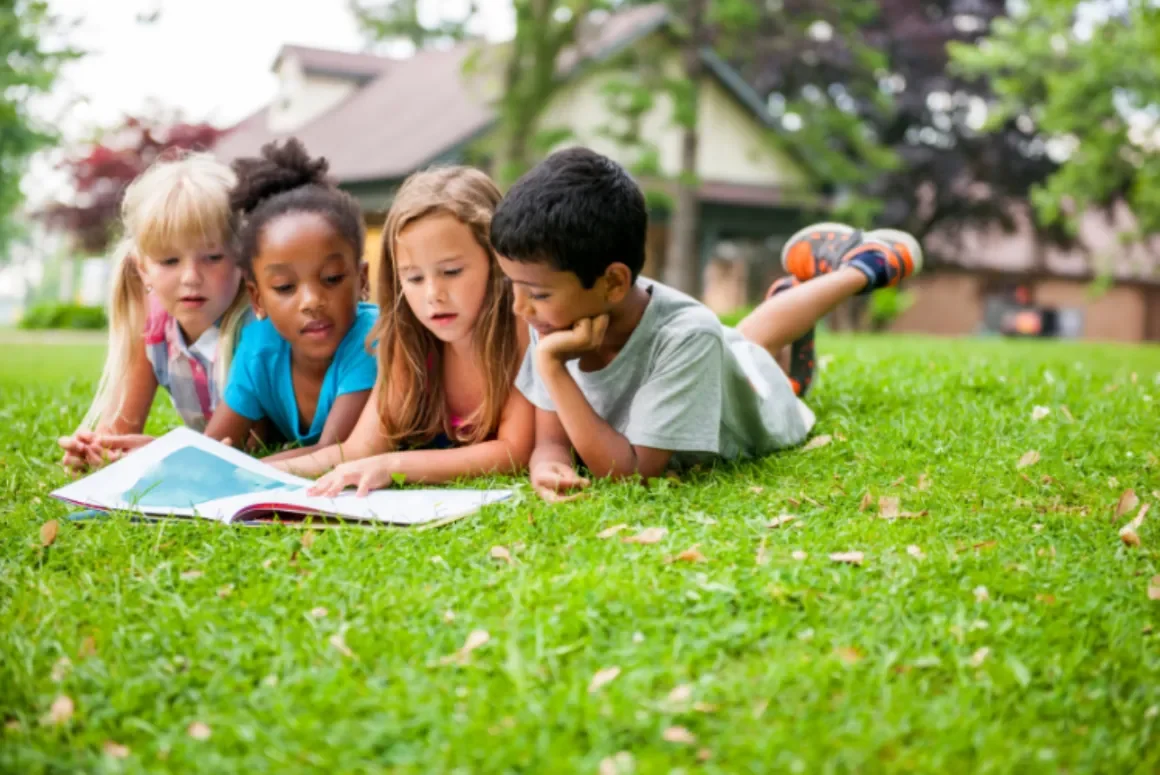
Family adventures can offer children far more than a fun way to spend a weekend or school vacation. Whether exploring the remains of an ancient castle, walking through the countryside, visiting a museum, or discovering a traditional craft, children have opportunities to connect what they have learned with the world directly in front of them.
This type of real-world learning can make subjects such as history, geography, science, and culture feel much more relevant. Instead of information existing only on a page or screen, children can see evidence of the past, ask questions about their surroundings, and develop a deeper understanding of how communities and landscapes have changed over time.
Turning Historic Places Into Living Classrooms
Historic buildings are naturally engaging places for children because they encourage questions. A castle wall, ruined abbey, old farmhouse, or historic town can prompt conversations about who lived there, how people worked, what they ate, and why particular buildings were constructed in certain locations.
Wales provides especially rich opportunities for this style of learning, with its landscape and heritage closely connected through castles, villages, industrial sites, farms, and ancient monuments. Welsh Country itself highlights the relationship between the nation’s geography, history, countryside, and communities, showing just how interconnected these subjects can be.
Parents do not need to turn a family outing into a formal history lesson for children to benefit. Simply encouraging children to look carefully, read information boards, imagine daily life in another era, and ask questions can transform sightseeing into an educational experience.
Encouraging Children To Ask Better Questions
One of the greatest advantages of learning outside a classroom is that children encounter things they may not expect. A countryside walk might reveal unusual plants, an old stone wall, a ruined building, or signs explaining how a particular landscape has been shaped by farming and human settlement.
Unexpected discoveries naturally create questions, and those questions can become starting points for further learning. Children might wonder why a castle was built on high ground, why certain animals thrive in one habitat, or how people traveled between communities before modern roads existed.
Parents can encourage this curiosity without feeling that they need to know every answer. Looking up the answer together later teaches children that learning is an ongoing process and that curiosity is often more valuable than immediately knowing every fact.
Connecting Books With Family Adventures
Reading before and after a family outing can give children useful background knowledge and help them understand what they are seeing. Nonfiction books covering history, economics, government, science, geography, and other real-world subjects can also encourage children to recognize connections between broader ideas and everyday experiences.
Families looking for nonfiction material designed to introduce young readers to real-world subjects can explore resources at tuttletwins.com. The goal does not have to be memorizing information; instead, books can provide context that helps children approach places, people, and experiences with greater curiosity.
After visiting somewhere interesting, children can return to books with a completely different perspective. A chapter about medieval life, farming, trade, architecture, or government may suddenly feel more meaningful when they can associate the subject with somewhere they have actually explored.
Discovering Lessons In The Countryside
Outdoor spaces provide countless opportunities for informal education. Woodlands, mountains, beaches, rivers, and farmland can introduce children to ecosystems, geology, weather, agriculture, conservation, and the relationship between people and the natural environment.
A walk can become an opportunity to identify trees, observe birds, notice changes in the landscape, or discuss why certain areas are protected. These conversations can happen naturally while families enjoy being outdoors, making education part of the experience rather than the sole purpose of the trip.
The Welsh countryside is particularly well suited to combining recreation with discovery. From coastlines and forests to mountains and historic walking routes, the landscape provides visible clues about both natural processes and generations of human activity, themes that have long been central to Welsh Country’s coverage.
Using Food And Crafts To Explore Culture
Learning about a place does not have to center entirely on monuments and museums. Food and traditional crafts can provide children with an equally valuable window into local history because they demonstrate how geography, available materials, occupations, and traditions influence everyday life.
Visiting a farmers market, craft workshop, food producer, or local festival can encourage conversations about where products come from and why particular traditions developed. Children may begin thinking about everything from seasonal agriculture and regional ingredients to the skills required to produce handmade objects.
Trying a regional recipe at home after a trip can extend the experience even further. Preparing food together gives families an opportunity to discuss ingredients, traditions, and the ways recipes can be passed between generations, turning an enjoyable activity into another form of cultural learning.
Letting Children Document Their Discoveries
Children often become more engaged when they have some ownership over an adventure. Giving them a notebook, camera, map, or simple travel journal allows them to record the details they find most interesting rather than following an adult’s idea of what they should remember.
Some children might sketch a castle tower, while others may photograph wildlife, collect interesting facts, or write down unfamiliar place names. These activities encourage observation and help children process what they have experienced without making the outing feel like a school assignment.
The resulting journal can also become a personal record of family experiences. Looking through it months or years later may bring back not only memories of the destination but also the questions, discoveries, and conversations that happened along the way.
Making Learning Part Of Everyday Family Life
Real-world education does not require expensive vacations or elaborate itineraries. Families can find learning opportunities in local parks, historic streets, libraries, markets, gardens, nature reserves, museums, and community events, often within a short distance of home.
The key is approaching familiar places with curiosity. Even returning to the same countryside trail at different times of year can reveal changes in plants, wildlife, weather, farming activity, and the appearance of the landscape.
Children who become accustomed to looking closely at their surroundings may gradually begin finding questions everywhere. That habit can help them understand that education isn’t limited to textbooks or school hours but continues through ordinary experiences.
Creating Adventures That Children Remember
The most memorable family outings often combine freedom, discovery, conversation, and a sense of adventure. Children may forget individual dates and facts, but they are more likely to remember standing inside a centuries-old castle, spotting wildlife on a woodland trail, tasting an unfamiliar local food, or hearing a surprising story about a place they visited.
These experiences give children reference points they can return to as their knowledge grows. Future lessons about history, culture, nature, or society can connect with memories they already have, helping abstract ideas feel more tangible.
From castles and historic villages to farms, coastlines, workshops, and countryside trails, almost any family adventure can contain opportunities for meaningful learning. By encouraging children to observe, question, read, explore, and make connections, families can turn days out into experiences that inspire curiosity long after everyone has returned home.
Feature image: Source