


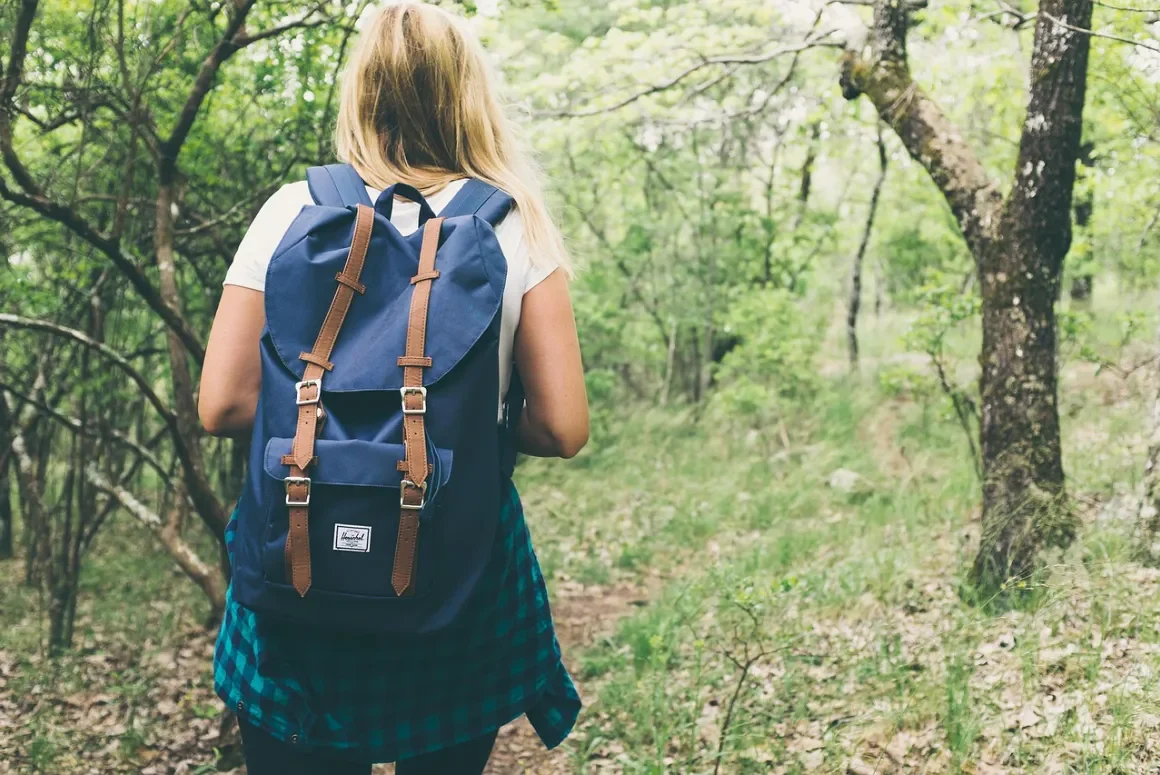
Anyone who spends time in the Welsh hills learns quickly that the weather has a mind of its own. A morning that starts with clear skies over the valley can turn to mist and rain by lunchtime, and a short stroll can quickly become something that demands a bit more preparation. A sensible approach to what you wear and carry makes all the difference.
Two items do much of the work. A well-designed choice from the many types of bags on the market will keep your essentials dry, organised and within reach, while a sturdy pair of boots will carry you through bogs, bracken and stony paths. Get these two right and you’ve covered most of what a day out in the countryside requires.
Choosing a bag that earns its place
The best bag for a day walk is one you barely notice. It should sit comfortably, close securely and hold enough for a few hours without turning into a burden. A small rucksack suits longer routes, while a compact crossbody style works well for gentler strolls through a village or along a coastal path. Pockets on the outside are handy for things you want quickly, like a map, a snack or your phone.
Consider the material too. Water resistant fabrics keep the contents dry in a shower, and a rain cover is a cheap and useful extra. Padded straps help if you’re carrying more, and a chest strap spreads the load. Whatever you choose, pack the heavier items close to your back to keep your balance on uneven ground.
What goes inside
A good day bag has a few non-negotiables. Water comes first, followed by food, since a bar of chocolate or a sandwich on a summit tastes better than almost anything. Add a waterproof layer, a warm hat, gloves and a spare pair of socks. A small first aid kit with plasters and antiseptic wipes weighs next to nothing, and a torch or head torch is sensible if the light fades early.
Navigation deserves attention too. Mobile signal can be patchy in the hills, so a paper map and a compass are still worth carrying, even if your phone has a mapping app. Tell someone where you’re going and roughly when you expect to be back. It’s a simple habit, and it matters far more than most people realise.
Boots for the terrain
When it comes to footwear, the terrain should lead the decision. A well-fitting pair with a grippy sole copes with wet grass, loose stone and the sort of boggy ground that swallows ordinary shoes. Ankle support helps on rough paths, and a waterproof lining keeps feet dry through streams and puddles. If you’re walking regularly, it’s worth taking the time to find a pair that fits properly, with a little room for your toes on the descents.
Break them in gradually before a long route. Wear them on shorter walks first, and you’ll quickly find out whether any spots rub. Clean off the mud afterwards, let them dry naturally away from direct heat, and treat the leather now and then. Looked after properly, a good pair will last many years.
Dressing in layers for changeable weather
Alongside the bag and boots, your clothing needs to cope with rapid changes. Start with a moisture-wicking base layer, add a warm mid layer such as fleece or wool, and finish with a waterproof shell. Cotton should be avoided where possible, because it holds moisture and makes you cold once you stop moving. Trousers that dry quickly are far better than heavy jeans, which become sodden and uncomfortable in rain.
Accessories matter more than people expect. A hat keeps heat in on a windy summit, gloves protect your hands, and a buff or scarf stops draughts at the neck. Sunglasses and sun cream are worth packing too, as the glare off wet slate and open water can be surprisingly strong. It’s easy to forget these things on a grey morning, and just as easy to regret leaving them behind once the clouds clear.
If you’re heading out with children or less experienced walkers, plan shorter routes and build in plenty of stops. Take extra snacks, spare layers and a bit of patience. A walk that ends with everyone happy and keen to go again is worth far more than a punishing route that leaves people exhausted. The hills will still be there next weekend.
Respecting the place you’re walking
Part of being out in the countryside is looking after it. Stick to marked paths where you can, close gates behind you and take every bit of litter home. Keep dogs under control around livestock, especially during lambing season, and give grazing animals plenty of space. The farmers and communities who live in these places rely on walkers behaving thoughtfully.
A good day out in the hills isn’t about having the most expensive kit. It’s about being prepared, comfortable and considerate. Pack sensibly, wear what suits the terrain and let the landscape do the rest. A flask of tea on a windswept hilltop, with a view that goes on for miles, is hard to beat.