


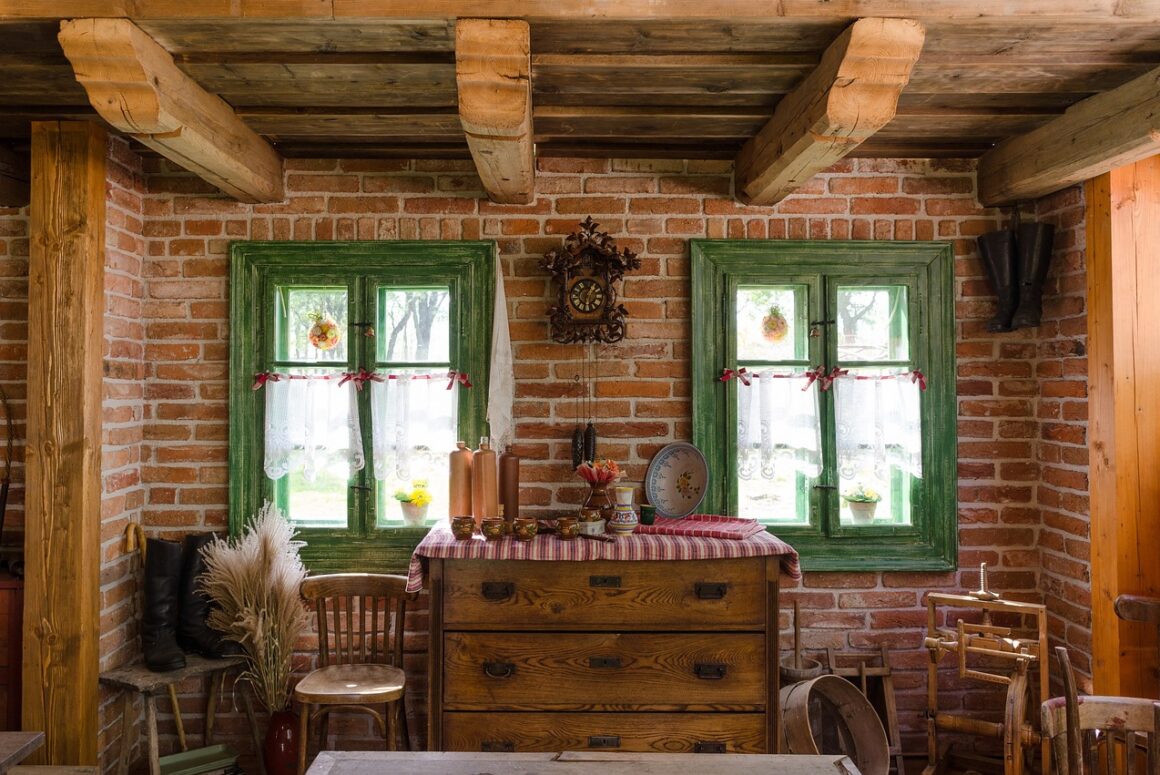
Wales is full of homes with real character: stone cottages with deep windowsills, farmhouses with thick walls and low beams, and terraces that have sheltered families for generations. They’re wonderful places to live. They weren’t, however, designed with a laptop and a nine o’clock video call in mind.
As more people work from home, whether in a village in Ceredigion, a market town in the Marches or a quiet corner of Gwynedd, the challenge is finding a way to make a comfortable workspace without losing what makes the house special. The good news is that it’s easier than it sounds, and a few thoughtful choices can protect both your back and the character of the place.
Find the right corner
Older properties rarely come with a spare room that’s just waiting to be an office, but they often have hidden possibilities. A little-used snug, a landing with a window, the end of a long kitchen or a converted outbuilding can all make good workspaces. The key is to choose somewhere you can leave set up, so you’re not clearing the dining table every evening.
It’s worth testing the practicalities before you commit. Thick stone walls are brilliant for keeping a house cool in summer, but they can play havoc with Wi-Fi and mobile signal, so check the connection in your chosen spot before you move the desk in.
Make the most of the light
Many traditional Welsh homes have small windows, which means natural light is precious. Position your desk close to the brightest window if you can, ideally side-on so the glare doesn’t land on your screen. On gloomy days, a good task lamp makes a real difference, and warm, softer lighting in the evening helps the room feel cosy rather than clinical.
Warmth matters too. Old houses can be draughty, and sitting still at a desk, you’ll feel the cold far more than you would moving around. A rug underfoot, a thick curtain across a draughty door and a Welsh wool blanket over the back of a chair all help to keep you comfortable without turning up the heating.
Start with the chair
If there’s one piece of furniture worth investing in, it’s the seat. A kitchen chair is built for a meal, not a working day, and a few weeks of long hours on one can leave you with a stiff neck and a sore lower back. That’s why more people are turning to ergonomic office chairs, which are designed to support the spine through long periods of sitting.
The features that matter most are simple. A seat height that lets your feet rest flat on the floor, lumbar support that follows the curve of your lower back, armrests you can adjust so your shoulders stay relaxed, and a seat depth that suits your legs. Breathable fabric is worth having too, particularly if the room tends to run warm.
Let the old furniture do the work
You don’t need to fill a characterful room with modern office furniture. An old farmhouse table, a pine dresser or a sturdy writing desk can make a wonderful workspace, provided a few small adjustments are made. A laptop stand and a separate keyboard bring the screen to eye level, which stops you craning your neck, and a cushion or footrest can fix most height problems.
If you do want something more flexible, a height-adjustable desk lets you stand for part of the day. It doesn’t have to dominate the room, and many designs are available in natural finishes that sit comfortably alongside traditional furniture.
Choose pieces that suit the room
When you’re comparing office chairs for a room full of character, it’s worth thinking about how they’ll look as well as how they’ll feel. Neutral colours and simple lines tend to sit comfortably beside stone, slate and timber, while a chair in a muted green or grey can pick up the colours of the landscape outside. Try before you buy if you can, and check what can actually be adjusted.
Keep clutter at bay
Cottages and farmhouses tend to have charm in abundance but storage in short supply. Make use of what you’ve got: a dresser can hold files and stationery behind closed doors, an old trunk can tuck laptops and chargers out of sight, and baskets on a shelf keep paperwork contained.
A tidy workspace helps you concentrate, and it also makes it easier to switch off at the end of the day. When everything has a place, closing the laptop and putting it away really does draw a line under the working day.
Take advantage of the view
One of the great pleasures of working from home in Wales is what’s on the doorstep. Build short breaks into your day and step outside, even if it’s only for a few minutes. A walk round the garden, a stroll down the lane or a pause at the gate to watch the weather roll in can clear your head far better than another cup of tea at the desk.
Moving regularly is good for your body too. Standing up every half hour or so, stretching your shoulders and looking at something in the distance gives your eyes and your back a welcome rest.
A workspace with a bit of catch
The best home workspaces feel like part of the house rather than something added on. A comfortable chair, good light, a warm corner and a view you enjoy are all it takes to turn a spare corner into somewhere you actually want to be. Get those right, and a working day in a Welsh home can be a pleasure rather than a pain in the neck.