As the days shorten and the leaves turn, our rivers are also entering a season of change. Autumn is a crucial time for migratory fish like salmon, yet the latest Salmon Stocks and Fisheries in England and Wales Report 2024 paints a stark picture. In Wales, all 22 principal salmon rivers are now classed as “at risk”, highlighting the urgent need to protect and restore these iconic species.
Last month we (North Wales Rivers Trust ) also released a new video showcasing our Wild Guides – simple, practical ways that you can help your local river.
Watch the video »What Impact is Litter Having on Our Rivers?
When we see a drinks can, crisp packet, or plastic bottle floating in a river, it’s easy to think of it as just an eyesore. But litter is far more than untidy – it has serious, long-lasting impacts on river health, wildlife, and even people.
How litter harms rivers
Litter can enter rivers in many ways: windblown from streets, washed in through drains during rainfall, or left behind after visits to riverbanks. Once it’s there, it rarely disappears. Instead, it breaks down into smaller fragments that persist for decades.
Plastic litter is especially problematic. Over time, sunlight and water cause plastics to fragment into microplastics, which are almost impossible to remove. These tiny pieces are eaten by insects, fish, and other wildlife, becoming part of the food chain.
Other types of litter are equally damaging:
- Metal cans leach chemicals as they corrode.
- Glass bottles can cause injury to people and animals.
- Cigarette butts, often mistaken for food, contain toxins that pollute the water.
Impact on wildlife
Animals often mistake litter for food. Birds may try to eat plastic packaging, while fish can ingest microplastics, filling their stomachs with material that provides no nutrition. Entanglement is another risk – everything from fishing line to six-pack rings can trap and injure wildlife.
Even at the smallest scale, litter affects freshwater invertebrates – the tiny creatures that form the base of river food webs. Studies show that microplastics and toxic residues reduce their survival and reproduction, which in turn affects fish and other animals that rely on them.
Impact on people
Rivers provide drinking water, recreation, and wellbeing. Litter undermines all of these benefits. Polluted water requires more treatment before it is safe to drink. Broken glass and sharp metal make riverbanks unsafe for families and dogs. And there’s the economic cost: every year in the UK, millions of pounds are spent clearing litter from waterways and coastlines.
Local action on the Afon Cegin
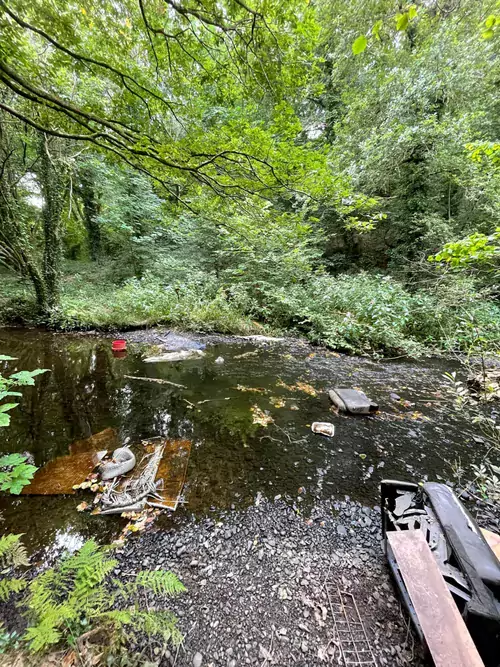
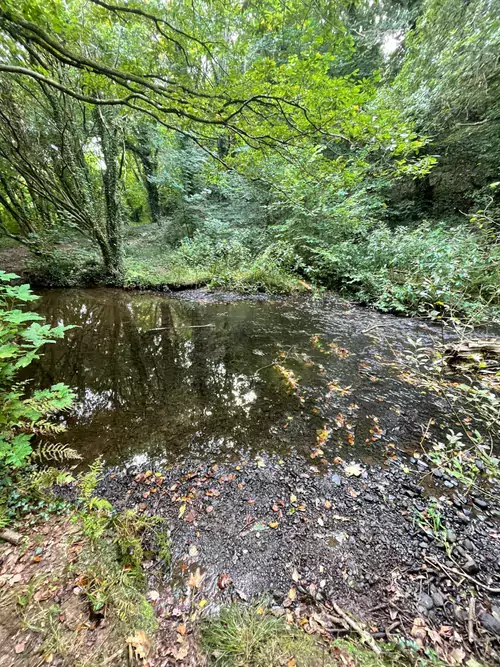
Recently, with the help of our amazing volunteers, we removed a huge amount of litter from the Afon Cegin. This work not only made the river safer and healthier but also prevented rubbish from being washed downstream and eventually out to sea. It shows just how much of a difference communities can make when we work together.
If you’d like help organising a litter clean-up near you, let us know – we’d be glad to support you.
What can we do?
The good news is that we can all help reduce litter’s impact on rivers:
- Take part in river clean-ups – every bag collected prevents litter entering the sea.
- Dispose of waste responsibly – even small items like bottle tops or cigarette ends add up.
- Spread the word – encourage friends, schools, and community groups to think about how their actions affect rivers.
- Choose reusable items – cutting down on single-use plastics reduces the risk of them ending up in waterways.
Why it matters
Healthy rivers support fish, birds, otters, and countless other species. They also support us – providing clean water, flood protection, and green spaces for relaxation. By keeping rivers free from litter, we’re protecting all of these values for future generations.
———-
Pilot: Flexible Baffles for Fish on the Dysynni
We’ve installed flexi-baffles inside a 10 m culvert in the upper Dysynni catchment, downstream of key spawning reaches. This pilot is testing a simple way to help fish through short, man-made obstacles.
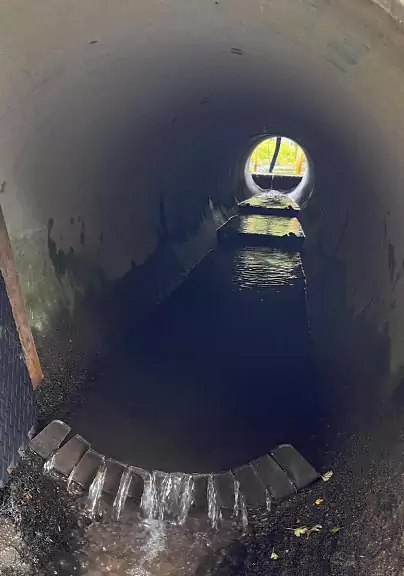
The baffles create small resting pockets, reduce local water velocities and encourage thin patches of gravel to form on the culvert invert, making conditions more natural for fish and lowering the energy needed to swim through.
Because they flex under high flows, debris and spate water can pass more easily than with rigid timber designs, then the baffles return to shape as levels drop. This is a fish-passage habitat trial, and we’ll monitor performance over the coming
This work has been carried out thanks to sustainable fisheries funding from Natural Resource Wales.
———-
Trialling Willow-spiling Bank Revetment on the Clwyd
This year we have been trialing a stake-and-willow revetment on an eroding outside bend in the Clwyd catchment at Henllan, working with Kehoe Countryside. On this spate-influenced, gravel/cobble reach, the aim is to stabilise the bank, cut fine-sediment inputs and provide cover and low-velocity margins for juvenile fish.
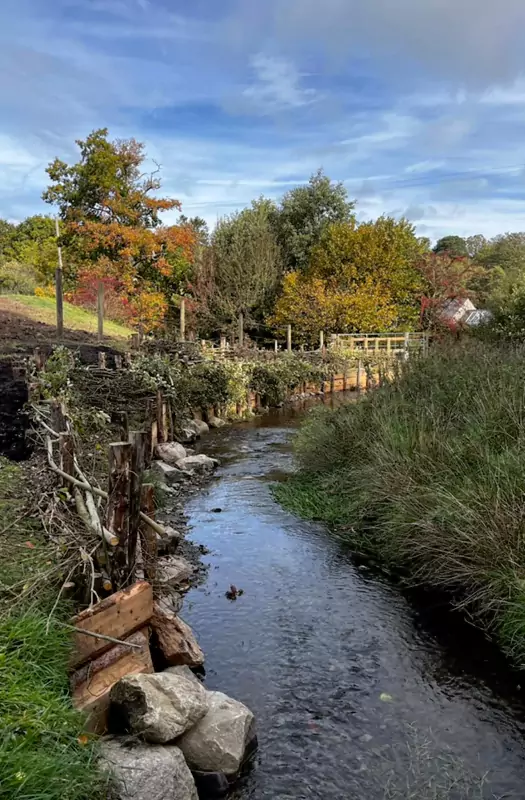
The woven willow face helps absorb flow energy and protect the field edge, while live growth will knit into the bank over time, improving structural integrity and creating additional micro-habitats.
We will be monitoring the site and reporting findings to Denbighshire County Council over the coming year, particularly after high flows, to track stability, vegetation take and fish use of the new margin habitat. If this design is successful we will roll it out across the Clwyd catchment.
This work has been carried out thanks to sustainable fisheries funding from Natural Resource Wales.