


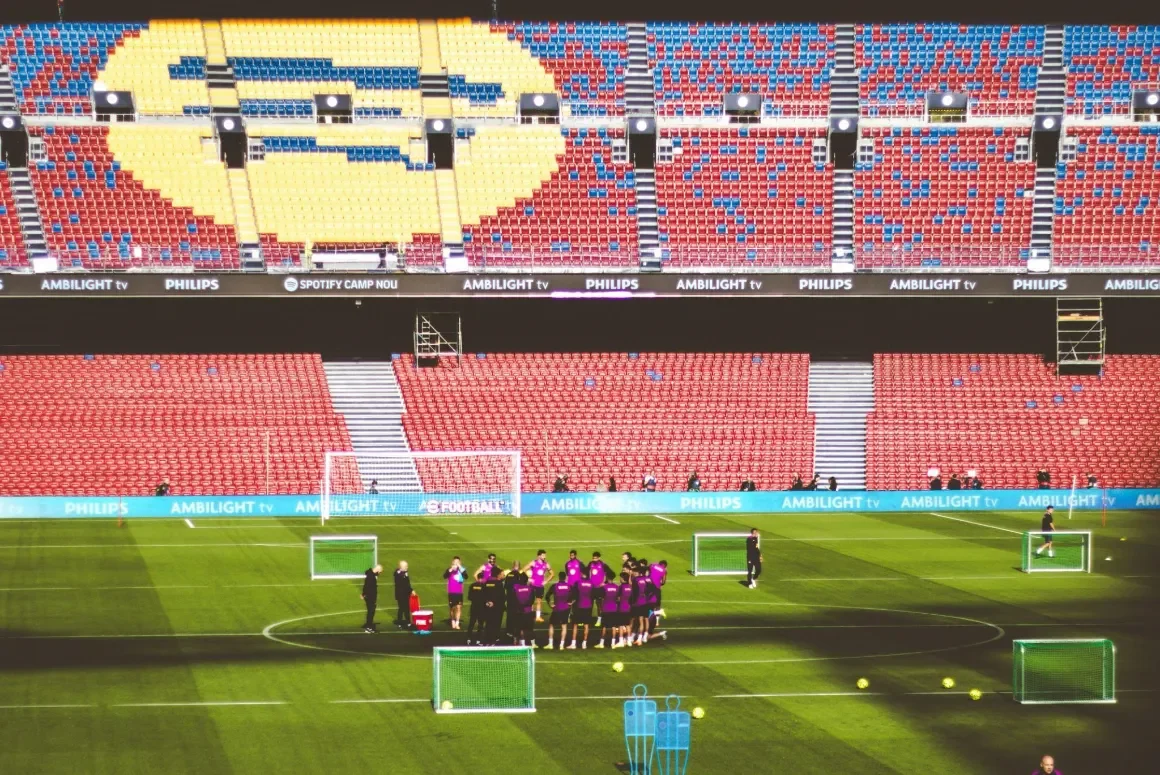
Football stadiums are more than places where matches take place. For supporters, they’re closely connected to a club’s history, unforgettable victories and generations of family traditions. That’s why changing a stadium’s name can sometimes cause controversy.
Yet some of Europe’s biggest clubs have decided that selling naming rights makes financial sense. Barcelona’s famous Camp Nou became Spotify Camp Nou, while Arsenal’s home has carried the Emirates name since opening in 2006.
These agreements come with major financial commitments, commercial partnerships, and an increasingly competitive football industry. But what exactly do clubs gain from selling their stadium names?
Why Stadium Names Are Worth So Much Money
Running a successful football club is expensive. Player salaries, transfer fees, stadium maintenance and training facilities require enormous budgets, particularly for teams competing in European competitions.
Stadium sponsorship provides another income source that doesn’t depend directly on ticket sales or match results. A company pays to associate its name with a venue, usually through a multi-year contract.
The money can help clubs fund stadium improvements, support everyday operations or reduce financial pressure from other expenses.
Barcelona offers a useful example. Its agreement with Spotify includes stadium naming rights, along with shirt sponsorship and other marketing activities. In 2025, the two organisations extended their partnership, with stadium naming rights continuing until 2034.
For Barcelona, the partnership forms part of a wider commercial strategy surrounding the redevelopment of Camp Nou.
Why Companies Want Their Names on Stadiums
Imagine watching a Champions League match involving Arsenal. Even if you aren’t interested in aviation, you’ll probably hear the Emirates Stadium mentioned several times during the broadcast. That’s valuable exposure for a company.
Stadium names appear in television coverage, sports articles, ticketing websites, travel information and conversations between supporters. Unlike a conventional advertisement, the name becomes part of how people identify the location.
There’s also an emotional advantage. Football supporters develop strong connections with their clubs, and sponsors hope some of that positive association extends to their brands.
However, naming rights rarely involve just placing a logo above the entrance. Agreements can include advertising space, hospitality opportunities, promotional events and other commercial benefits.
The actual value depends on the club’s popularity, audience size, and the opportunities included in the contract.
Famous Stadium Sponsorship Deals in Europe
Several major European clubs demonstrate how naming rights have become part of modern football business.
Arsenal’s Emirates Stadium is one of the most recognisable examples. The airline’s partnership includes both stadium naming rights and shirt sponsorship, closely linking the company to Arsenal’s identity.
Manchester City’s Etihad Stadium offers another example. Etihad Airways has a broader sponsorship relationship that covers the stadium and other club assets.
In Germany, Bayern Munich plays at the Allianz Arena, which opened in 2005. Its distinctive illuminated exterior has helped make the venue recognisable far beyond Munich.
Atlético Madrid also entered a naming agreement with Riyadh Air in 2024. The stadium became Riyadh Air Metropolitano under a nine-year deal running until 2033.
These agreements can be worth substantial sums, although clubs don’t always publicly disclose exact annual payments. Reported figures should also be treated carefully because some contracts combine stadium naming rights with shirt sponsorship and other commercial activities.
Do Naming Rights Help Clubs Meet Financial Regulations?
Football clubs face increasing pressure to keep their finances under control. UEFA’s financial sustainability regulations limit spending on players, coaches, transfers, and agents.
From the 2025/26 season, the squad cost rule generally restricts these expenses to 70% of a club’s relevant revenue.
Commercial sponsorship can contribute to that revenue, potentially giving clubs more financial flexibility.
However, selling stadium naming rights doesn’t automatically increase a team’s transfer budget by the full value of the contract. Accounting rules, contract terms, and fair-value assessments can affect how clubs recognise sponsorship income.
Clubs must still comply with the relevant financial regulations, regardless of how much a sponsor agrees to pay.
What Do Supporters Think About Corporate Stadium Names?
Not every fan welcomes attaching a commercial brand to a beloved football ground.
Traditional stadium names often carry decades of memories. Supporters may feel that replacing them with corporate names takes something away from the club’s identity.
Others accept sponsorship as a practical part of modern football, especially when the revenue improves facilities or supports the team.
The commercialisation of sport also extends beyond stadiums. Entertainment businesses, including platforms such as Klondaika, operate within the wider sports and leisure market, where brand visibility and audience engagement have considerable commercial value.
Still, football stadiums have a particularly strong connection with supporters, making naming decisions more sensitive than ordinary advertising arrangements.
Conclusion: Why Stadium Names Have Become Valuable Business Assets
Stadium naming rights show how football clubs balance tradition with commercial demands. For sponsors, the attraction lies in international visibility and a long-term connection with passionate audiences. For clubs, these agreements provide valuable revenue that supports financial planning and investment.
The challenge is making those partnerships work without losing the identity that makes a stadium special to its supporters.
A corporate name may appear on the building, but the memories created inside it will always belong to the fans.