


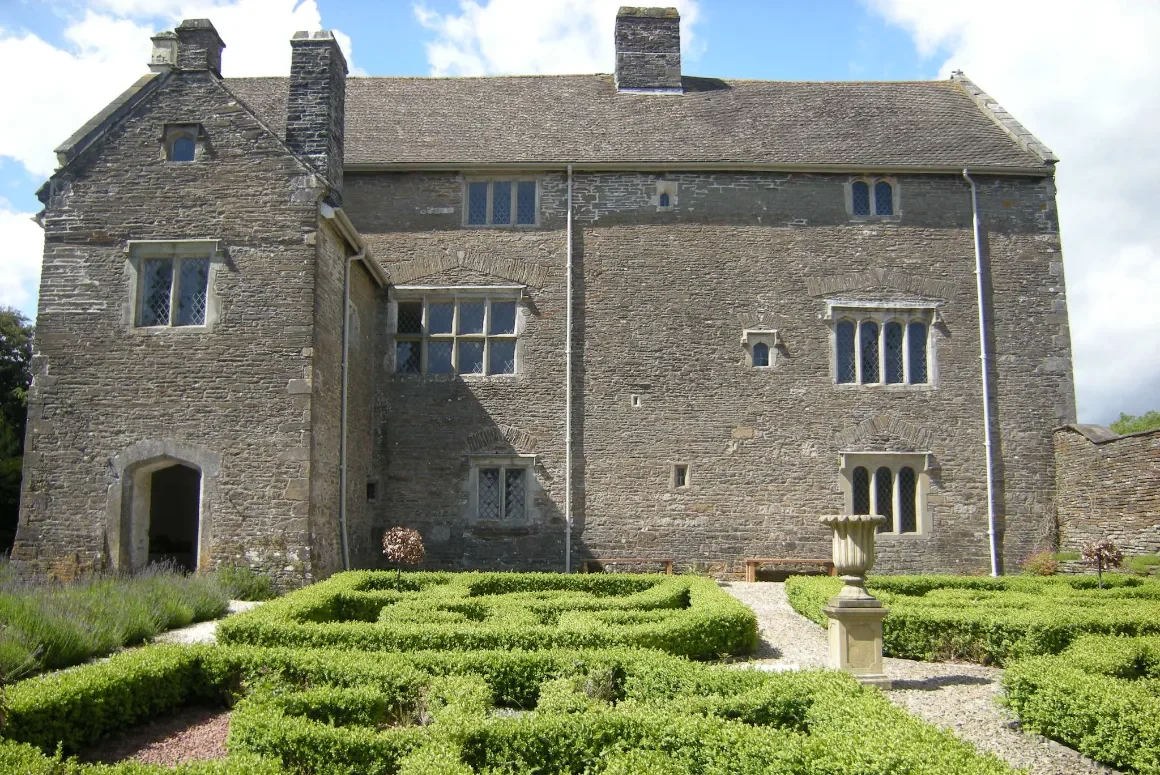
Wales has over 30,000 listed buildings on Cadw’s register, and owning one comes with rules that catch a lot of people off guard. The listing covers everything from medieval churches and country estates to Victorian terraces, nonconformist chapels and even the odd post box. If your property is on the list, any change that affects its character needs formal consent, and the penalties for getting it wrong are serious.
We’ll cover what the consent process involves, what actually counts as a material alteration, and how to handle common upgrades like heating and plumbing without running into trouble.
What Listed Building Consent Covers
Listed building consent (LBC) is separate from standard planning permission, and it applies to both internal and external work. A point many owners miss. Even if your changes are entirely inside the property, you’ll still need LBC if the work affects the building’s special architectural or historic interest.
In Wales, the process is managed by your local planning authority, with oversight from Cadw, the Welsh Government’s historic environment service. Since 2017, every LBC application in Wales must also include a Heritage Impact Statement. It’s a written assessment of how the proposed work will affect the building’s significance. This is a Wales-specific requirement, and skipping it will hold up your application.
What Counts as a Material Alteration
A material alteration is any change that affects the building’s character as a structure of special interest. That includes obvious things like knocking through walls or replacing original windows. But it also covers work that people often assume is too minor to need consent, like removing a fireplace, swapping internal doors or stripping out old plasterwork.
The listing covers the whole building, inside and out. It also extends to any object or structure fixed to the building, regardless of when it was added. Any freestanding object or structure within the curtilage that has been part of the land since before 1 July 1948 can be protected too, so a detached outbuilding or boundary wall may fall under the listing.
If you’re unsure whether your planned work needs consent, contact your local planning authority first. That conversation costs nothing and could save you serious problems later.
How to Upgrade Heating and Plumbing
Replacing a boiler or updating the plumbing is one of the most common reasons owners need to carry out work on a listed building. In a standard property, a boiler swap won’t usually need planning permission if all the work is internal. In a listed building, that doesn’t apply.
New pipework routes, relocated radiators, changes to the flue or penetrations through historic walls will all likely require LBC. Even running new pipes across an original stone wall could need approval.
Older Welsh properties often have thick stone walls, low ceilings and limited cupboard space. Fitting a modern heating system means finding a boiler that works within those constraints. Fortunately, the best boiler brands on the market now produce compact models that need far less wall space than older units, which means less disruption to original fabric and a simpler consent process.
A Gas Safe registered engineer with experience in heritage properties will advise you on what’s realistic for your building.
Penalties for Unauthorised Work
Carrying out work on a listed building without consent is a criminal offence under the Historic Environment (Wales) Act 2023. On summary conviction, you can face an unlimited fine, up to 12 months in prison, or both. On conviction on indictment, the fine is unlimited and the prison sentence can reach two years. The courts will also factor in any financial benefit gained from the unauthorised work when deciding the fine.
Anyone who instructed or caused the work can be prosecuted too. And if you buy a listed building with unauthorised alterations from a previous owner, you can still be served with an enforcement notice requiring you to reverse the changes at your own expense.
Plan First, Build Second
The consent process for listed buildings in Wales adds extra steps, but these buildings are irreplaceable parts of Wales’s built heritage. Plan early, talk to your local planning authority before starting any work, and make sure the tradespeople you hire understand the constraints they’ll be working within. Do that, and most renovations will go ahead without issues.
Feature image: Ashley0690, CC BY-SA 3.0, Source