



Wet coats hang over chair backs in a village hall, and the floor turns slick near the entrance. A walker rubs a sore ankle, while someone searches for plasters in a crowded drawer. In small communities, help can be close, yet the first minutes still belong to bystanders.
That is why many groups choose accredited first aid training for volunteers and staff. Practice builds calm steps, so people do not freeze when someone collapses or bleeds nearby. Shared training gives everyone the same words for roles, kit checks, and handover notes during incidents.
What Changes When More People Know First Aid
In an emergency, time matters, yet clear thinking matters just as much for safe action. People who have practised tend to check danger, then call for help without delay promptly. They focus on breathing and heavy bleeding first, before smaller problems pull attention away nearby.
Training spreads responsibility across a group, instead of relying on one confident person alone each time. On a rugby sideline, more than one adult can assess, reassure, and direct others clearly. At a craft fair, helpers can split tasks, so one person treats while another manages space.
When more people know first aid, the scene becomes quieter and more organised for everyone present. Someone speaks to the casualty, someone watches breathing, and someone keeps children and dogs back. That structure lowers risk and helps the injured person feel less alone during waiting in public.
Outdoor life adds risk that often surprises people who feel fit and prepared on weekends. Cold wind, wet rock, and steep steps can turn a slip into shock quickly within minutes. Good first aid reduces harm while waiting for an ambulance or a mountain rescue team.
Many community events include older neighbours, and falls are common in busy, uneven spaces indoors. A fall can lead to head injury worries, broken bones, or long time on the floor. Trained helpers know how to keep the person warm, still, and monitored until help arrives.
What Good Training Covers In Real Settings
A strong course starts with hazards people face during normal days, not rare disasters alone. In village halls, that includes hot drinks, trips, and sudden chest pain during dancing evenings. In gardens and allotments, cuts and fainting can happen after heat, effort, or low blood sugar.
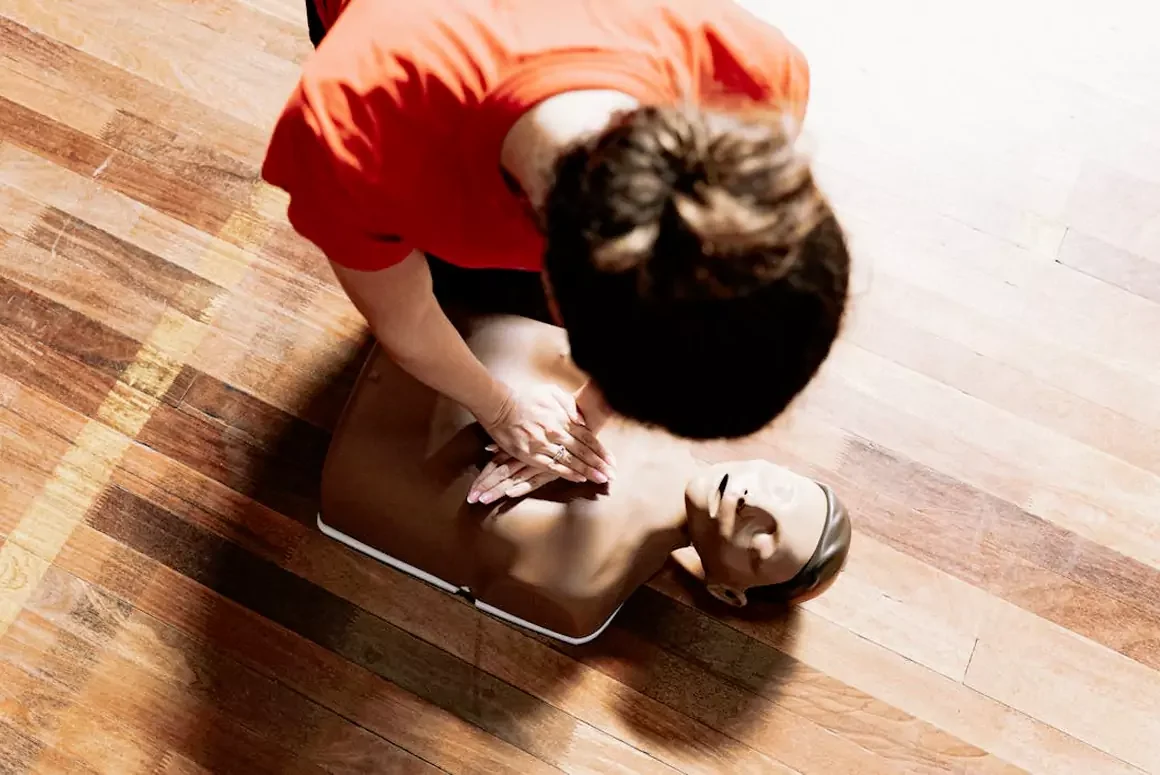
Most courses teach CPR with hands on practice, because technique matters under stress for learners. People learn where to place hands, how fast to compress, and when to swap to avoid fatigue. If an AED is available, training should include opening it, placing pads, and following prompts.
Bleeding control is another skill that helps across ages and settings in Wales each year. A deep cut from a kitchen knife can bleed fast, even at home after cooking. Learners should practise firm pressure, dressing choices, and when to treat bleeding as urgent under pressure.
Good training covers choking, and it separates adult steps from child and baby steps safely. Those differences matter, because force and body position can injure smaller bodies very quickly during panic. Practise should include back blows, abdominal thrusts, and the point where you call emergency services.
Training should cover common medical events that look dramatic, yet often settle with calm care. Fainting, seizures, asthma attacks, and diabetic lows need clear observation and prompt help when needed. A good course teaches what to note, what to avoid, and when to escalate quickly.
How Groups Can Build A Simple Response Plan
Village events often mix toddlers, teens, and grandparents in one busy room on Saturday mornings. That range changes the risks, because a fall, burn, or choking scare can happen fast. If you support young people, you can start with British Red Cross first aid teaching resources. Use them to agree which skills to cover, and which words everyone will use on shift.
Training lands better when you write down what to do, and where to find kit. A one page plan can guide new volunteers even when noise and stress rise quickly. Keep it beside the supplies, so people do not waste time searching cupboards during incidents.
Pick roles that match how your event runs, rather than a perfect chart at home. One person calls 999, one meets the crew, and one stays with the casualty close. A fourth helper can manage the crowd, keeping doorways clear and voices calm outside too.
Write the exact address, postcode, and a simple route from the nearest main road down. If you use radios, add one short call sign line for each role on duty. Note the best spot for mobile signal, and who holds the keys for gates today.
When something happens, people default to the plan they have rehearsed together before many times. Use a short checklist to stop tasks colliding, and to keep the scene safe always. These steps fit most fetes, sports days, and club meetings across the year in Wales.
- Call 999, give the postcode, then describe what you see, including breathing, bleeding, or reduced response.
- Bring the first aid kit and AED, check gloves and pads, then follow the device prompts.
- Move onlookers back, keep a clear path, and send someone to meet the ambulance crew.
- Record times, symptoms, and actions, then hand those notes over to paramedics on arrival safely.
Check the kit monthly, because plasters and gloves vanish after busy weekends and shared use. Replace items before expiry dates, and restock straight after any incident, even a small one. If you store an AED, confirm pad dates and the status light, then note it in a log.
Keeping Standards Clear For Workplaces And Volunteers
Many groups mix paid staff and volunteers, so standards must be clear for everyone involved. A quick risk check helps decide how many trained people you need on site. It should reflect numbers present, age range, activity type, and distance from emergency services. Write the result down, so it survives staff changes over time.
Clear records matter, because memory fades and rota gaps happen without warning. Keep course dates, course type, and attendee names in one shared place. Mark trained people on schedules, so each shift has cover when plans change. Add a reminder for refresher dates, so training does not lapse quietly.
Work settings have extra duties, and the Health and Safety Executive guidance helps define what “adequate and appropriate” looks like. It covers risk assessment, trained staff numbers, and suitable equipment in plain terms. Use it as a reference when you plan cover for events and regular sessions.
Practical Next Steps For Your Community
Pick one group you are part of, and treat first aid as a shared skill, not a specialist role. Make sure at least two people on each session or event rota can act, call, and hand over clear notes. Keep a simple one page response plan with the kit, and run short refresh drills after meetings so steps stay familiar under pressure.
Photo by Aleson Padilha