




A proposal requiring solar panels on all new homes in Wales represents a shift in how housing and energy policy intersect. The idea is to make renewable electricity a standard part of residential construction rather than an optional upgrade.
While the regulation would primarily affect new housing developments, its effects extend to homeowners, builders, energy systems, and the broader economy.
Higher Upfront Home Prices
One of the most immediate effects would be on the cost of newly built homes. Developers would need to install solar systems during construction, and those installation costs would typically be included in the final sale price of the property.
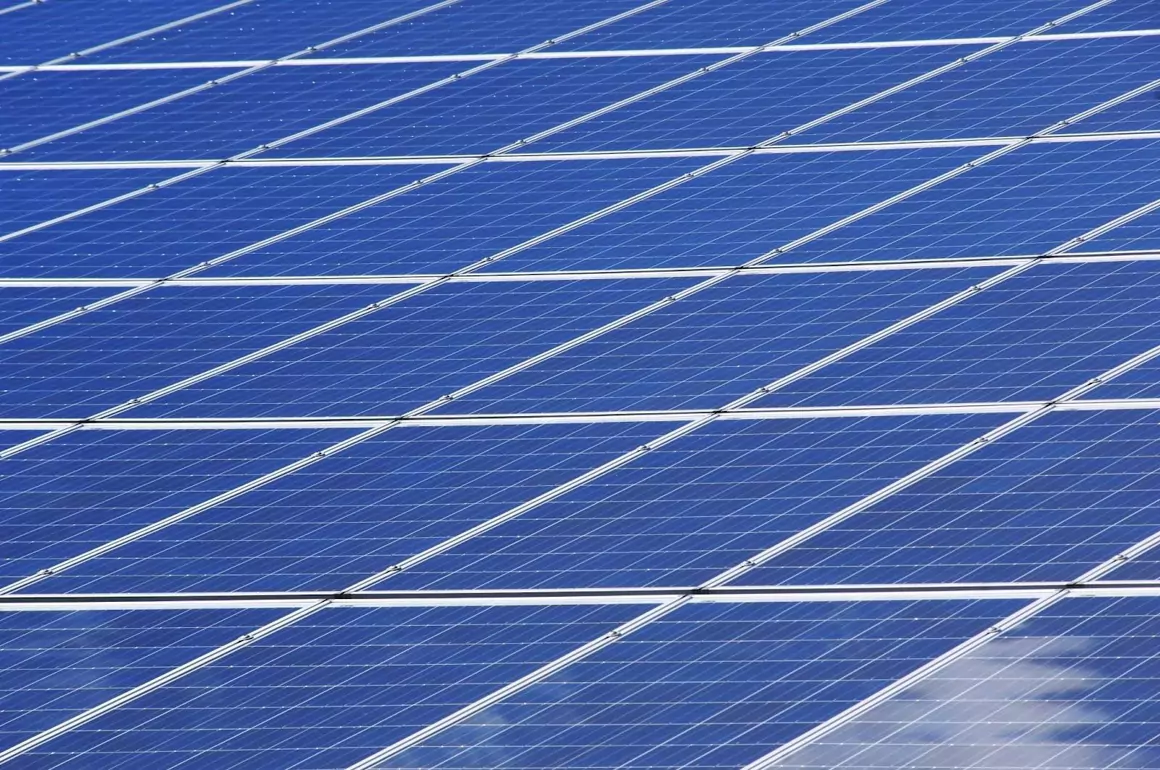
A standard rooftop solar system can cost several thousand pounds depending on size, roof orientation, and installation complexity.
However, installing panels during construction is generally cheaper than adding them to an existing house.
Builders can integrate wiring, roof supports, and panel placement into the original design, avoiding the additional labor and structural adjustments required in retrofitting projects.
For buyers, this means the initial price of a new home may be slightly higher, but the solar system becomes a permanent asset attached to the property.
Lower Electricity Bills Over Time
The long-term advantage comes from energy production.
Solar panels generate electricity during daylight hours, allowing homeowners to power appliances and household systems with locally generated energy rather than relying entirely on grid electricity.
This can lead to several financial benefits:
- Reduced dependence on the national electricity grid
- Lower monthly electricity bills
- Potential income from exporting surplus electricity back to the grid under UK energy export programs
Because solar panels typically last 25 years or more, the energy savings accumulate over time.
Many households eventually recover the initial installation cost through reduced electricity spending. In practical terms, a portion of the home’s purchase price is offset by years of lower utility costs.
Homes Designed Around Energy Efficiency
Once solar becomes mandatory in new developments, home design begins to adapt.
Builders may adjust roof angles and layouts to ensure panels receive sufficient sunlight throughout the day. Large uninterrupted roof surfaces and better orientation toward the sun can improve electricity generation.
In many developments, solar panels may also be paired with additional efficiency technologies such as
- home battery storage systems
- improved insulation and airtight construction
- energy-efficient heating systems like heat pumps
- smart home energy management systems
Together, these technologies create homes that are designed to minimize energy consumption while producing part of their own electricity. Compared with older housing stock, these homes may have significantly lower operating costs.
Limited Impact on Existing Homes
The regulation would apply primarily to newly constructed houses. People who already own homes would not be required to install solar panels.
However, the wider housing market could still feel indirect effects. As solar panels become a normal feature of new homes, buyers may start to see renewable energy systems as a standard expectation rather than a premium upgrade.
This shift in expectations could encourage voluntary retrofitting in older homes. At the same time, the expansion of the solar industry may gradually lower installation costs nationwide, making solar adoption easier for existing homeowners.
Wider Economic and Energy Effects
Beyond individual households, the policy could influence several sectors of the economy.
A consistent demand for solar installations would create additional jobs in fields such as:
- solar panel installation
- electrical engineering and system design
- roof construction and maintenance
- renewable energy services
The policy also contributes to a broader transition in how electricity is produced.
Instead of relying entirely on large centralized power plants, electricity generation becomes more distributed. Thousands of homes generating small amounts of electricity collectively add capacity to the energy system.
This decentralized production can improve energy resilience and support long-term renewable energy targets.
The Growing Importance of Electricity in Everyday Life
As modern society becomes increasingly dependent on electricity, energy access and reliability are becoming more important than ever.
Everyday activities, from working online to streaming media and following current events, rely heavily on a stable electricity supply.
With the world steadily moving toward greater electrification, adjustments like rooftop solar requirements help support the growing demand for power.
Electricity allows people to stay connected to digital services, information platforms, and entertainment ecosystems.
For instance, reliable access to power enables readers to follow updates from platforms such as GameZone, including GameZone news, which reports on the latest developments from its online casino ecosystem.
In this context, policies that expand local electricity generation contribute not only to sustainability goals but also to maintaining the digital connectivity that modern life depends on.
The Trade-Off
For buyers of newly built homes, the trade-off is relatively straightforward. The property may cost slightly more at the time of purchase, but it produces electricity for decades. Over time, lower energy bills and potential grid exports can offset the initial cost.
At a broader level, policies like this gradually transform residential buildings from purely energy-consuming spaces into active contributors to the electricity system.
Homes become small-scale producers of renewable energy, helping support cleaner power generation and a more resilient energy network.