



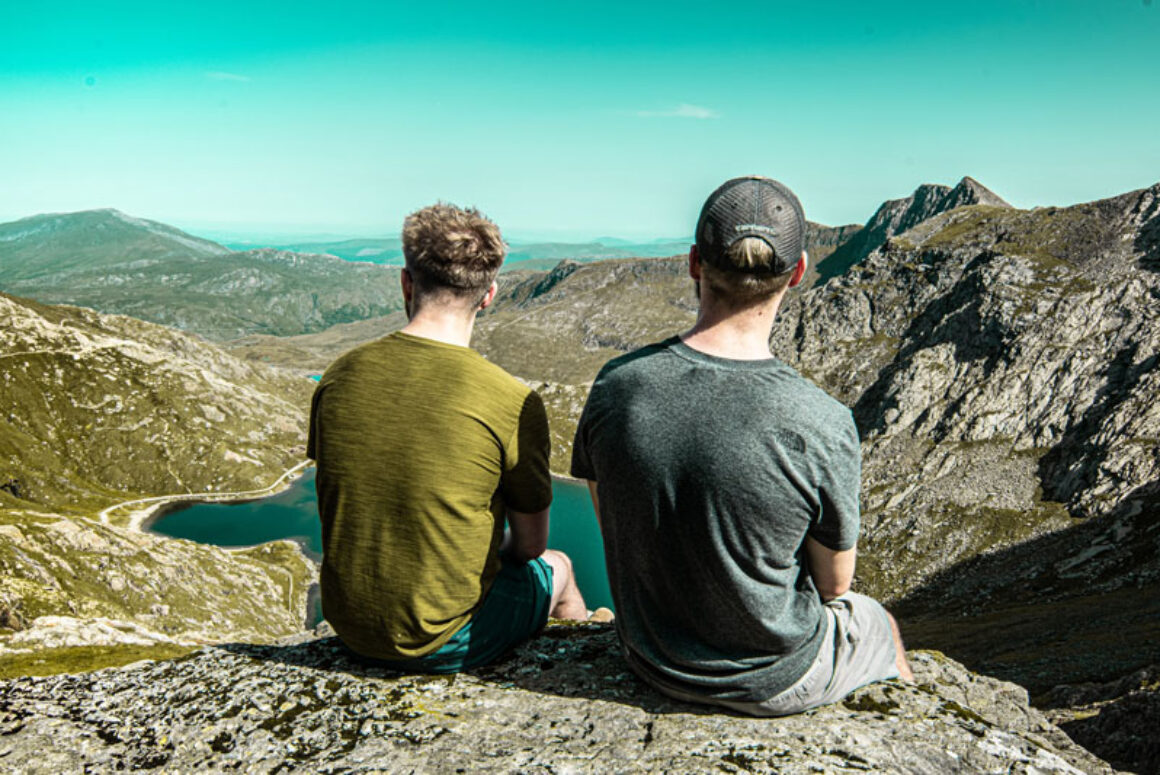
Whether it’s popular footpaths in Snowdonia or the Brecon Beacons, the number of guests visiting Wales’ natural beauty spots is on the rise. Thankfully, this is great for the economy as well as our fitness, as www.thebmc.co.uk pointed out as far back as 2011 that the 28 million walking-related trips to the Welsh countryside and coast resulted in revenues of around £632m.
The figures are only set to increase as Wales becomes a more glamorous destination for locals and tourists. To understand why so many people make trips to our country’s incredible landscape, you have to analyse what makes Wales’ nature reserves popular.
The Diversity of Choice
With a range of places to holiday in the UK, including the Peak and Lake Districts, there has to be a reason why https://gov.wales/ reported that there were 87,300,000 tourism day visits in Wales in 2020 alone. That’s more than the entire population of the United Kingdom.
A simple-yet-effective answer is the diversity of choice on offer. In Wales, people flock to a variety of places and love the flexibility the nation’s hot spots provide. According to https://www.visitwales.com/, the Wales Coast Path, the first walking path in the world to follow the entire coastline, has 870 miles of loops. Ramblers Cymru, on the other hand, includes a 280-mile walking trail between North and South Wales.
It isn’t only the country’s tourism board that advertises Welsh nature, either. The likes of https://theculturetrip.com/ and https://www.cntraveller.com/ all promote posts containing different areas that are well worth visiting.
The Accessibility
It’s one thing having an array of destinations for people to attend, but it doesn’t mean much if visitors can’t get there to absorb the experience. Natural beauty spots can be exclusive due to their harsh terrain; however, Wales has created a loophole that ensures its tourist locations are available to all.
The country does this by utilising modern technology. For example, Skomer Island off Haverfordwest was a challenging place to visit in-person. Thanks to https://www.welshwildlife.org/, there are now three cameras positioned in key areas that relay footage of puffins back to audiences. Https://www.itv.com/ reported that this happened in April 2020.
Of course, the use of nature as entertainment is growing in popularity. The likes of terrestrial TV documentaries have been on-screen for decades, yet emerging sectors within the industry, such as online casinos, are getting in on the action, too. Sites like https://www.fruitkings.com/ feature nature heavily by offering games like Jungle Spirit and Deep Sea Magic. The popularity of these games further demonstrates our love of nature and adventure. Similarly, there are also games that incorporate real locations, including prominent beauty spots, into the storyline. https://unleashthegamer.com lists titles such as Watch Dogs, which accurately recreates famous landscapes in San Francisco and Sleeping Dogs that is based in Hong Kong among some of the best.
Conservation
Wales understands what it has and works hard to maintain its natural beauty. For example, https://www.bbc.co.uk/ reports that WWF Cymru has announced it wants around £900m a year set aside to help wildlife. This is on top of the £3 million per week that https://www.nationaltrust.org.uk/ has announced it will spend on conservation. The results are stark. For instance, https://www.rspb.org.uk/ believes that Wales now has 55% of the UK population of our rarest member of the crow family.
The features that appeal to locals and tourists aren’t going away anytime soon. That means the visitors will continue to flock to sites, too. However, as long as there are remote cameras and conservation efforts to pick up the slack, the Welsh countryside and coastline should hold firm.