



Across the Irish Sea, there is a connection that has never really frayed. It isn’t just about proximity on a map or the shared dampness of our Atlantic weather; it is a deep-rooted, ancient kinship that seems to hum in the background of daily life in both Wales and Ireland. Whether you are walking through the Eryri mountains or along the rugged cliffs of Moher, there’s a sense that these two lands aren’t just neighbors—they are echoes of one another.
A Shared Tongue and Spirit
At the heart of this bond is, of course, the language. While Welsh and Irish Gaeilge belong to different branches of the Celtic family—P-Celtic and Q-Celtic respectively—the struggle to keep them breathing in a modern world is a fight we both know well. There is a specific kind of pride in seeing a road sign in your mother tongue, isn’t there? It’s a quiet defiance.
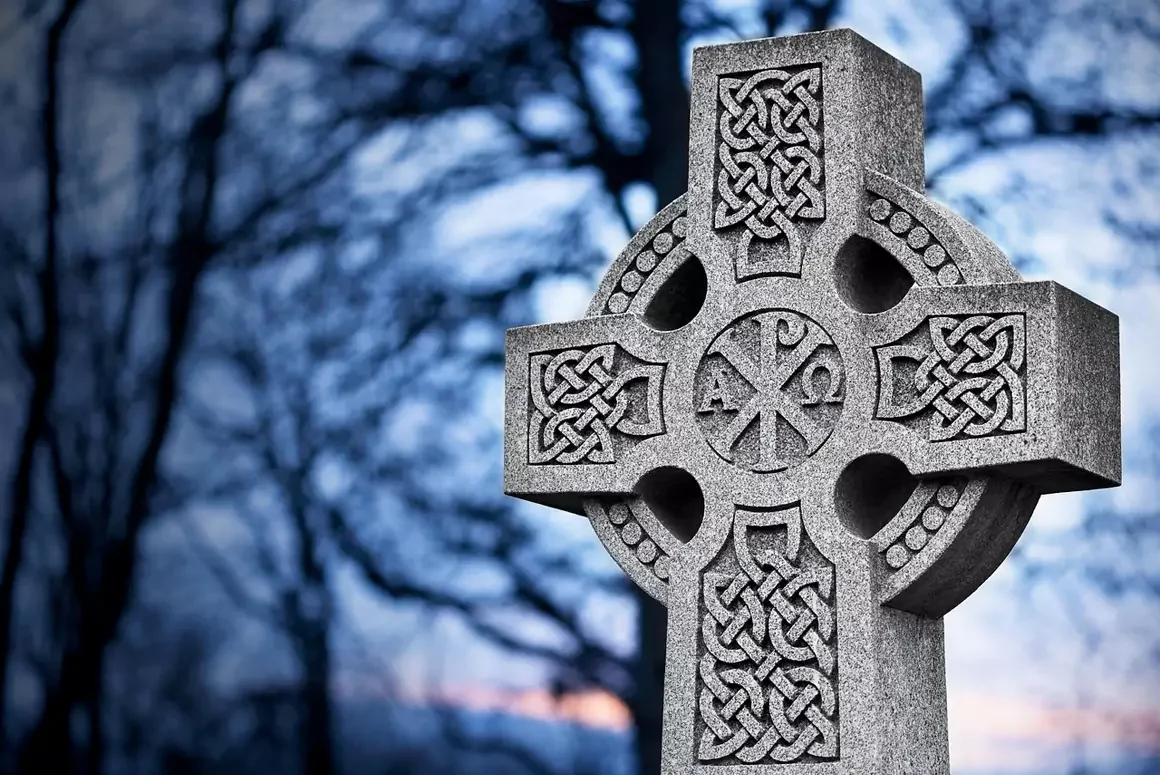
Actually, when you sit back and look at it, this connection isn’t just about the words we use. It’s tucked away in the way we spin a yarn or tell a joke. Both cultures seem to have this “cynghanedd” of the soul—a real love for those intricate, messy patterns, whether they’re in a bit of poetry, a folk tune, or the old knotwork carved into a stone cross. From language preservation to storytelling and folk music, shared traditions between Ireland and Wales run deep. It’s no surprise then that games like the Irish Lottery remain familiar and popular across both nations — a subtle reminder of cultural closeness in modern form. It’s just one of those small, everyday things that shows how much we still have in common, even when we aren’t thinking about it.
Festivals and the Modern Celtic Calendar
If you look at the calendar, the overlap becomes even more obvious. Events like the Inter-Celtic Festival of Lorient might be in Brittany, but the Welsh and Irish delegations always seem to find each other first. In recent years, we’ve seen a massive resurgence in folk horror and mythology-based art, where Mabinogion legends and the Tuatha Dé Danann are being rediscovered by a younger generation.
Witnessing this revival is remarkable. We aren’t just looking backward at dusty history books anymore; we are taking those old bones and dressing them in new clothes. This energy carries over into our leisure time. Sometimes it’s through a shared pint and a session of live music in a Cardiff or Dublin pub, while at other times it’s through digital entertainment. It’s quite common now to see folklore-inspired or Irish-themed video games popping up on consoles, bringing these ancient spirits into the 21st century. It makes you wonder: what would the bards of old think of their legends being played out on a high-definition screen?
Looking Forward
The “Celtic Sea” isn’t a barrier; it’s a bridge. As we move through 2025, the cooperation between the Senedd and the Irish government on green energy and maritime conservation shows that the “Celtic Connection” is practical, not just sentimental. We are stronger when we lean into this partnership.
What do you think defines our shared heritage the most? Is it the music, the language, or perhaps just that shared sense of humor that only a fellow Celt truly understands? We’d love to hear your thoughts in the comments below—tell us about your own experiences traveling between these two beautiful nations.