



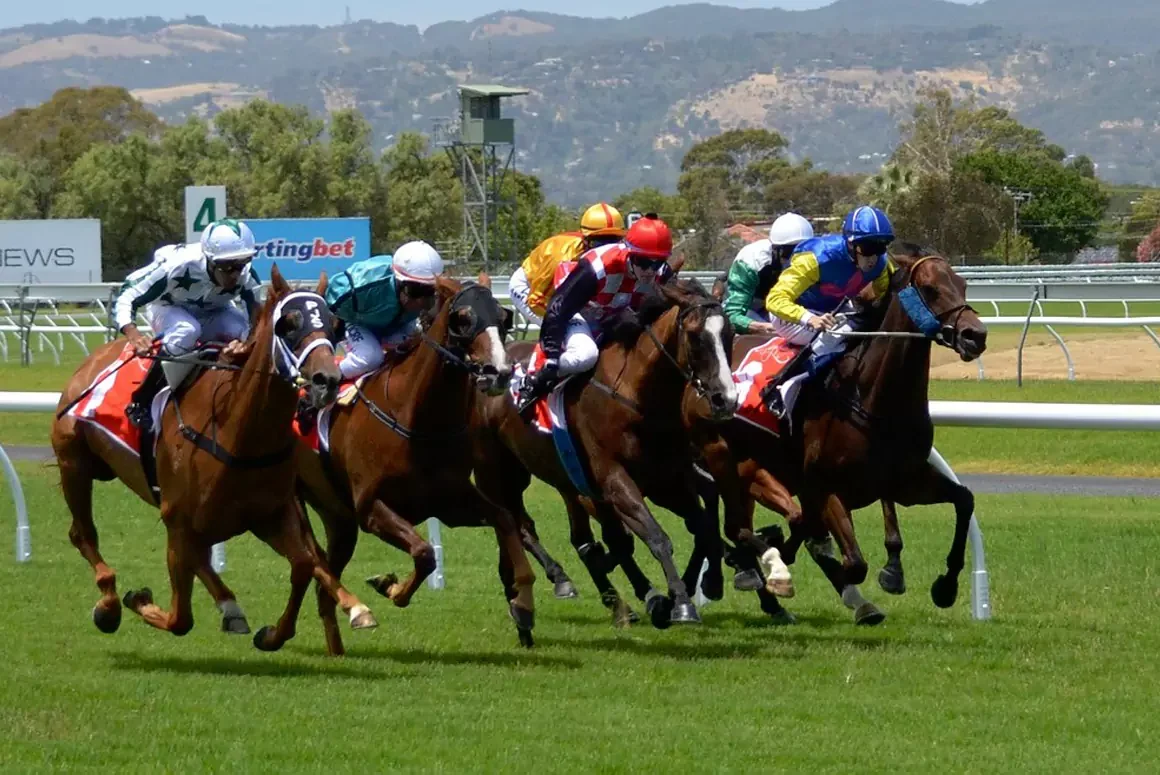
Wales does horse racing in its own way. It is not the polished, high society version people picture when they think of top hats and champagne. Welsh racing is more practical than that, closer to the land, and often closer to the weather. You feel it in the going underfoot, in the way locals talk about a horse’s chance as if they know the family, and in the crowds who turn up with a proper opinion on the last race.
Most of the racing calendar in Wales leans towards National Hunt. That makes sense when you look at the landscape. Rolling hills, wet winters, big skies and stiff breezes suit jumping. It also shapes the character of a Welsh raceday. You are there for a story, not just a result. A novice chaser learning its job. A seasoned stayer finding one last run. A trainer trying to place a horse in the right kind of race, on the right kind of ground, against the right kind of opposition.
Chepstow: where the season starts to feel real
If you want to understand why Welsh racing has such a loyal following, you start at Chepstow. Set near the Severn, it is a track that can feel exposed when the weather turns. When rain arrives, it does not tap politely on the roof. It commits. The place has a reputation for honest, sometimes attritional racing, especially through the autumn and winter, when staying power and jumping fluency matter more than pretty speed.
Chepstow is also where many people mark the beginning of the serious jumps season. The fixtures in the cooler months carry a sense of consequence, even when the race is not glamorous on paper. Trainers bring horses who need a proper test, and the track tends to give them one. When a horse handles Chepstow in testing ground, it tells you something. It is not just a line in a form book, it is evidence.
There is also the simple pleasure of the setting. You can feel both rural and connected, with good transport links that make it a realistic day out from Cardiff, Bristol, and the wider south west. That matters because Welsh racecourses often serve as meeting points for communities, not just sporting venues.
Ffos Las: modern, coastal, and surprisingly atmospheric
Ffos Las is newer in feel and sits further west, closer to the coast and the softer edges of Carmarthenshire. It is the sort of track where a summer evening fixture can feel like a festival that happens to include racing. Families come. Groups of friends come. People treat it as an occasion, even if they do not know the full card.
The racing itself has its own flavour. When the ground is decent, you can get smoother, more fluent jumping than the slog people associate with winter. Horses travel into their races. There is often a bit more pace than you expect. It is a good place to watch young horses develop, because you can see their rhythm, their balance, how they cope when asked to quicken after a fence.
Ffos Las also does something important for Welsh racing by being a genuine destination in a part of the country that deserves more sporting attention. It brings visitors, it creates an event calendar, and it gives local people a place to go that feels like theirs. If you have only ever seen racecourses as relics, Ffos Las will change your mind.
Bangor on Dee: tight turns, loud crowds, and racing close up
In the north, Bangor on Dee offers a different experience again. It is the kind of track where you feel close to the action. The turns come quickly, and the rhythm of a race can change in a heartbeat. Horses that jump neatly and hold a position can gain a real advantage, while those who lose their place can find the race slipping away from them.
The crowd at Bangor often adds to the sense of immediacy. It can be lively, opinionated, and properly invested. You hear cheers that do not feel rehearsed. You hear groans that sound personal. It is the sort of place where a front runner trying to cling on up the straight can lift the entire grandstand into the moment.
For visitors, the draw is how accessible it feels. You do not need to be an expert to enjoy it, but if you are an enthusiast, there is plenty to watch in the detail. How horses travel into the bends. How jockeys choose when to commit. How a small mistake at a fence suddenly becomes the whole story.
The Welsh relationship with the horse
To talk about racing in Wales without talking about horses more broadly would miss the point. Wales has deep equestrian roots, not only in racing but in showing, hunting traditions in some areas, endurance, and general horse culture. That wider relationship shapes the racing audience. Many people who attend know what it means to keep a horse, to care for one, to work around the weather and the seasons. Even if they are not owners, they understand the practical side. It keeps the conversation grounded.
It also helps explain why Welsh racing can feel less like a corporate product and more like a community event. Yes, there are owners, sponsors, and the usual commercial layers. But there is also a sense of local pride. When a Welsh trained horse runs well at one of the courses, it lands differently. People notice.
Point to point and the grassroots heartbeat
Away from the main tracks, point to point racing and local meets contribute to the racing ecosystem in Wales in a quieter but meaningful way. They are where some horses learn their trade, where riders build experience, and where the sport stays close to its rural roots. You see the sport without the shine, which can be refreshing. It reminds you that a lot of racing is built on early mornings, cold fingers, and patient effort.
For fans, these events offer a different intimacy. You are closer to the horses, closer to the people who look after them, closer to the small rituals that make the day work. If you want to understand why people fall in love with jump racing, spending time around the grassroots scene is a good start.
How to enjoy a Welsh raceday properly
If you are planning a visit, a few practical tips make a big difference.
Arrive early and walk the course if you can. In Wales, the weather can turn quickly, and seeing the ground and the layout helps you understand the day’s racing. Dress for wind as much as rain. Bring layers. A bright morning can turn into a cold afternoon without warning.
Most importantly, give yourself permission to watch without trying to turn it into a test. Listen to the paddock chat. Watch how a horse carries itself. Look for a calm jumper, an economical mover, a jockey who is getting a horse into a rhythm rather than fighting it.
Some people will always want a small interest in a race, and if that includes horse racing betting, it is worth treating it as part of the entertainment budget and not the point of the day. The sport is richer when you notice the stories, not just the numbers.
Why Welsh racing matters
Wales does not try to outcompete the biggest racing centres on scale. It offers something else: authenticity, variety, and a strong link between the sport and the land it is run on. The three main courses each have a distinct personality, and together they give Welsh racing a calendar that can feel both welcoming and serious.
On a good day, you get everything at once. The sound of hooves on soft ground. The sudden hush before a big fence. The roar when a horse digs deep late on. It is not just sport. It is a Welsh afternoon out, shaped by weather, character, and the kind of competitive edge that makes jump racing so addictive to watch.