


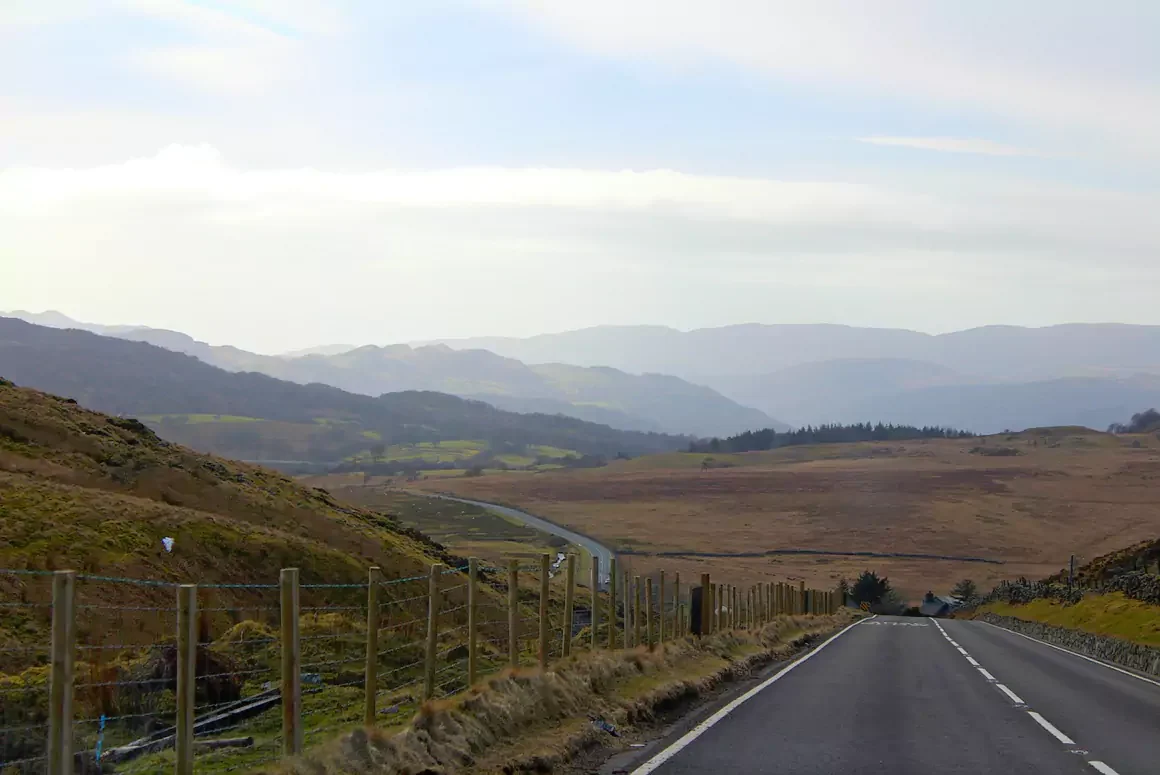
There’s something timeless about Wales.
From rolling green hills and rugged coastlines to quiet villages and winding country roads, it’s a place that invites you to slow down. Unlike fast-paced city destinations, Wales offers a different kind of travel experience—one rooted in nature, simplicity, and a sense of calm that’s becoming increasingly rare.
For many travelers in 2026, that’s exactly the appeal.
But even in a destination built for disconnecting, staying connected still plays an important role.
The appeal of Wales’ countryside
Wales is often described as one of the UK’s most scenic regions, and for good reason. Areas like Snowdonia National Park (Eryri), the Pembrokeshire Coast, and the Brecon Beacons offer landscapes that feel both dramatic and peaceful at the same time.
Hiking trails stretch across mountains and valleys, coastal paths reveal breathtaking ocean views, and small towns provide a glimpse into local culture and traditions.
It’s the kind of place where time feels slower—where you can spend hours walking, exploring, and simply observing your surroundings.
For travelers coming from the U.S., Wales offers a refreshing contrast: less crowded, less commercial, and more connected to nature.
Traveling slowly and intentionally
In recent years, “slow travel” has become more than just a trend—it’s a mindset.
Instead of rushing from one attraction to another, travelers are choosing to spend more time in fewer places. Wales is perfectly suited for this approach.
You might spend a morning hiking through mist-covered hills, an afternoon in a coastal café, and an evening in a quiet countryside inn. There’s no pressure to do everything—just an invitation to experience what’s in front of you.
And yet, even in this slower rhythm, modern travel habits remain.
You still check directions. You still look up opening hours. You still make spontaneous decisions based on what you discover along the way.
The reality of connectivity in rural areas
While Wales offers tranquility and natural beauty, it also presents a practical challenge: connectivity.
In larger towns and cities, internet access is generally reliable. But once you venture into rural areas—especially national parks or coastal regions—signal strength can vary.
This can affect:
- Navigation on hiking routes
- Access to maps and directions
- Communication with accommodations or guides
- Checking weather conditions in real time
For travelers exploring unfamiliar terrain, these small limitations can quickly become significant.
Staying connected without losing the experience
The idea of traveling to Wales often comes with a desire to unplug. And that’s part of its charm.
But staying connected doesn’t have to mean being constantly online. Instead, it’s about having the option when you need it—whether for safety, convenience, or flexibility.
Even in these peaceful settings, having access to reliable data can make a big difference. Many travelers now choose solutions that let them get unlimited data with Holafly, ensuring they stay connected without interrupting the experience.
With a reliable connection, you can download maps before a hike, check local recommendations, or adjust your plans if the weather changes—all without disrupting the calm of your surroundings.
Small moments, made easier
In a place like Wales, it’s often the small moments that define the trip.
Finding a hidden viewpoint along a coastal path. Discovering a local bakery in a quiet village. Adjusting your route to catch a sunset over the hills.
These experiences are enhanced—not replaced—by having access to the right information at the right time.
Connectivity doesn’t take away from the authenticity of travel. When used intentionally, it simply supports it.
Tips for a smooth Welsh adventure
To make the most of your trip to Wales, consider a few practical tips:
- Download offline maps before heading into remote areas
- Check weather conditions regularly, especially for outdoor activities
- Plan key stops, but leave room for spontaneity
- Carry a portable charger, as you may spend long hours outdoors
- Ensure reliable mobile data, particularly if you’re traveling independently
These small preparations can make your journey smoother and more enjoyable.
A balance between connection and disconnection
Traveling through Wales is about finding balance.
It’s about stepping away from the noise of everyday life while still having the tools you need to navigate a new environment. It’s about being present in the moment, without feeling unprepared.
In 2026, travel is no longer about choosing between being connected or disconnected—it’s about knowing when to be each.
Conclusion
Wales offers something increasingly valuable: space to slow down, breathe, and reconnect with the world around you.
But even in its quietest corners, a little preparation goes a long way. Staying connected doesn’t have to disrupt the experience—it can enhance it, making your journey more flexible, safe, and enjoyable.
So whether you’re walking along a windswept coastline or exploring a hidden valley, you can focus on what truly matters:
The experience itself.