



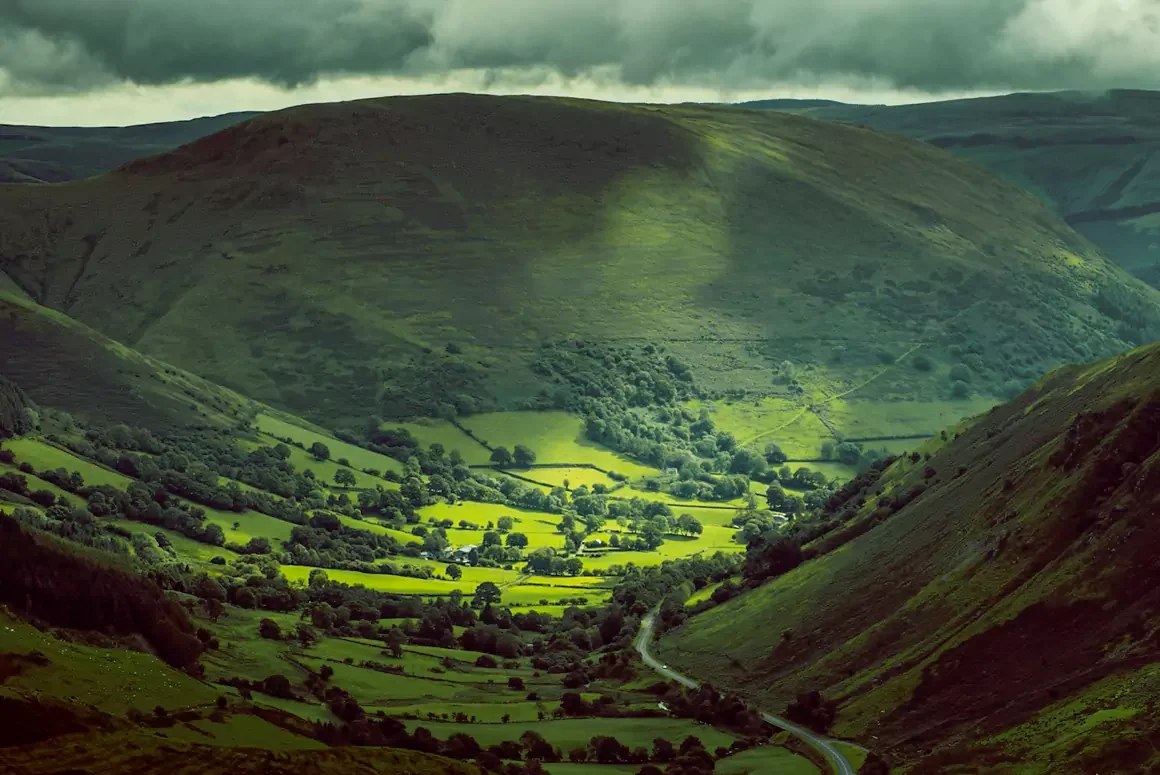
Wales and Ireland occupy an interesting position in the European tourism landscape. Neither dominates the conversation the way larger Mediterranean destinations do, yet both draw visitors with a consistency that reflects genuine, sustained appeal rather than trend-driven curiosity. Their shared Celtic heritage, rugged coastlines, and layered histories create a natural point of comparison. In recent years, the way both regions have approached modern tourism reveals striking parallels. Instead of relying solely on traditional sightseeing, these destinations are actively reshaping the visitor experience. By focusing on living heritage, sustainable community practices, and the growing appeal of slow travel, Wales and Ireland are demonstrating how rural economies can adapt to modern expectations without losing their authentic character.
Heritage as a Living Product
Celtic heritage long risked being reduced to something visitors consumed passively and left behind. Both Wales and Ireland have worked deliberately to change that dynamic. Language revitalisation programmes, living cultural festivals, and community-led heritage experiences have given visitors something more participatory than a guided tour. In Wales, the Welsh language is increasingly visible in public life and tourism communication. In Ireland, the Gaeltacht regions continue to attract visitors specifically seeking immersive Irish-language experiences.
The move from passive observation to active participation has reshaped modern tourism considerably, and both countries have responded with notable consistency. Experience-based travel, where the journey itself is structured around doing rather than simply seeing, fits naturally with what both destinations offer.
Sustainable Tourism and the Pressure to Perform
Sustainability has become a genuine structural concern for both Wales and Ireland, not merely a communications strategy. Visitor pressure on coastal and rural areas has prompted both governments and regional bodies to develop frameworks that manage tourism flows without eroding the landscapes drawing visitors in the first place.
Wales introduced its Responsible Tourism framework as part of a broader effort to align visitor growth with environmental capacity. Ireland’s approach, through Fáilte Ireland’s various regional strategies, similarly emphasises spreading tourism beyond the most congested destinations. Both approaches reflect an understanding that unchecked volume is not the same as healthy growth.
Technology and the Modern Traveller
The planning and booking behaviour of tourists visiting Wales and Ireland has changed significantly over the past decade. Digital discovery, through social media and travel platforms, now precedes the physical journey in nearly every case. However, reliable connectivity changes more than just how we book our trips; it fundamentally shifts how we spend our downtime once we arrive. Anyone who has spent a summer holiday on the Celtic coast knows that the weather can be notoriously unpredictable. When the inevitable afternoon downpour drives visitors indoors to a cosy cottage or a local pub, mobile entertainment steps in to fill the gap.
Improved rural broadband has transformed these rainy afternoons. Holidaymakers might stream films, catch up on podcasts, or pass the time with a bit of casual gaming, perhaps exploring introductory offers on platforms like NetBet Ireland while waiting for the skies to clear. This sort of digital accessibility means that a washed-out walking tour doesn’t ruin the day; it just changes the pace of the afternoon.
In fact, this reliable rural connectivity actively supports the growing trend of extended stays. Visitors are far more willing to book a fortnight in an isolated region if they know they won’t be entirely cut off from their digital comforts. It provides a modern convenience that makes rural isolation feel like a choice rather than a constraint, perfectly setting the stage for a deeper exploration of the landscape.
The Rise of Slow Travel
Slow travel has become one of the more consistent patterns among visitors to both destinations, with extended stays defined by depth of experience rather than the number of sights covered. Rather than moving quickly between landmarks, a growing segment of visitors to Wales and Ireland is spending longer in fewer places, engaging with local food, music, walking routes, and community life in ways that traditional itineraries rarely allowed.
The infrastructure supporting this shift has been built deliberately over many years. The Wales Coast Path and Ireland’s Wild Atlantic Way are among the most prominent examples, each designed to reward visitors who move through the landscape at a pace rather than rushing through it. The visitor profiles of both routes tend toward higher spend and longer duration, outcomes that benefit local economies far more directly than high-volume, short-stay tourism ever could.