



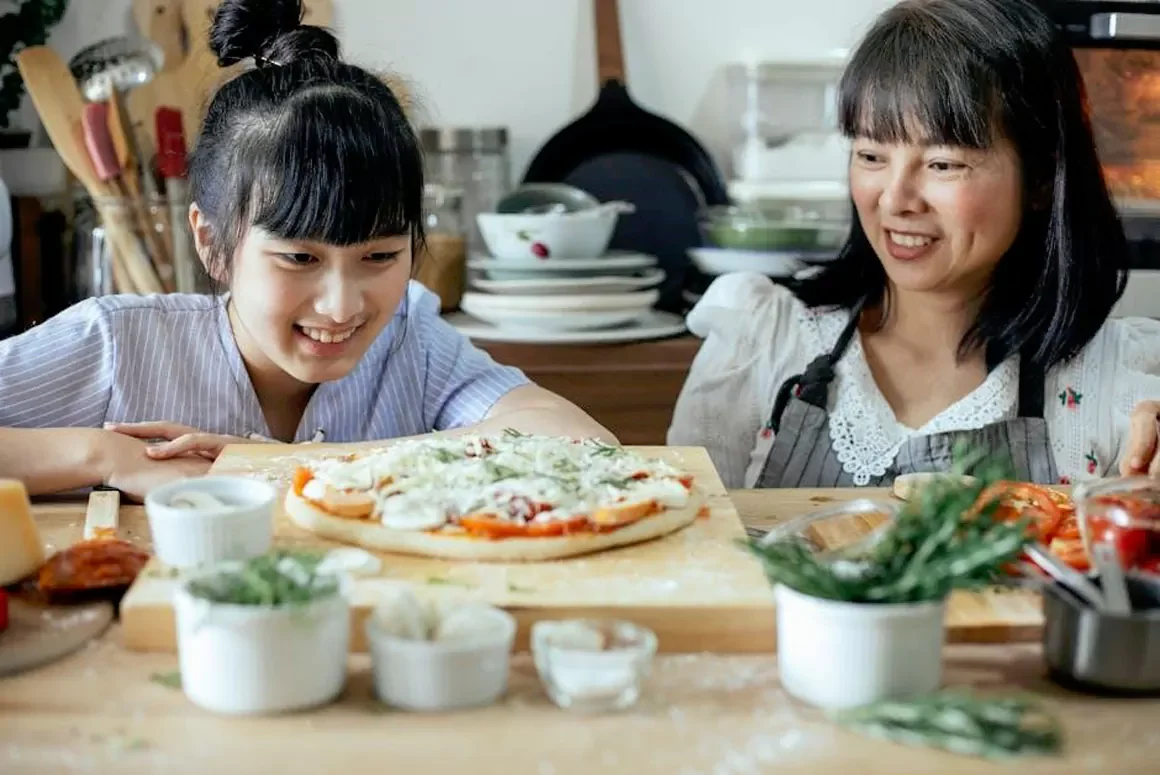
Family dinners aren’t isolated. You might believe recipes are the only thing that makes gatherings memorable, but they’re not. There’s more to stew than carrots and liquor. More is going on: rituals, laughter in the kitchen, and the smell of roasting in every area. The truth is that family meals are about more than food. Both taste and what people say and don’t say are essential. The secret part is immeasurable.
Tools That Bring People Together
Pots clanging, timers beeping – there’s nothing quite like the choreography of a busy kitchen. The right tools don’t just save time. They spark creativity and invite everyone to join in (even those who claim they can’t cook). Good cookware becomes a talking point. That old baking tray with burn marks has probably seen more birthdays than anyone else at the table. Some turn to online sources like rangexchange.co.uk to find quality appliances or even tips for upgrading their space, making it feel less intimidating and more inviting. With reliable equipment, suddenly even reluctant chefs find themselves tempted to stir sauces or chop vegetables.
Ritual Beats Recipe Every Time
Who remembers exactly which herbs went into last Sunday’s roast? No one does, and it doesn’t matter anyway. What is problematic is passing around bowls without being asked or snapping the sides of beans by the side of the counter while someone tells an old family joke for the hundredth time. Here, predictability in the midst of chaos creates a unique kind of magic, with each fulfilling their specific role: one person consistently requests extra gravy. At the same time, another asserts they are not hungry until dessert magically appears. These small moments become anchors people look back on years later with surprising fondness.
Conversation Is Half The Meal
Food fills stomachs, yet words fill hearts (and minds if anyone still doubts it). A tasty meal loses its power when conversation dries up or fizzles out into silence punctuated by clattering cutlery alone. Children can ask impossible questions (“Why do onions make us cry?”). While adults exchange knowing glances about stories they promised not to repeat, they inevitably share them anyway. These are cherished routines rather than annoyances. Every laugh spills over from plate to plate. Every subject tackled, or carefully dodged, adds spice no herb could ever match.
The Space Sets the Stage
No one eats well under fluorescent lights that buzz louder than hungry children after school. The room matters as much as anything cooked up within it. Chairs are dragged close together, signalling warmth before anyone says a word. Mismatched plates reveal history layered one chipped edge at a time (what was once embarrassing now evokes pride). Even awkwardly small kitchens bring people closer both physically and emotionally because there’s nowhere left for distance or detachment, not when elbows touch while reaching for seconds or thirds.
Conclusion
Traditions fade if handled too delicately. Let them get messy instead, since imperfection is usually what lingers longest in memory anyway. Real connections are formed not from flawless centrepieces but from shared efforts and meals, where nothing goes according to plan, yet everyone finds satisfaction regardless. In these haphazard moments, families build legacies, not through elaborate recipes, but through time spent together across generations at tables worn smooth by laughter and love alike.