



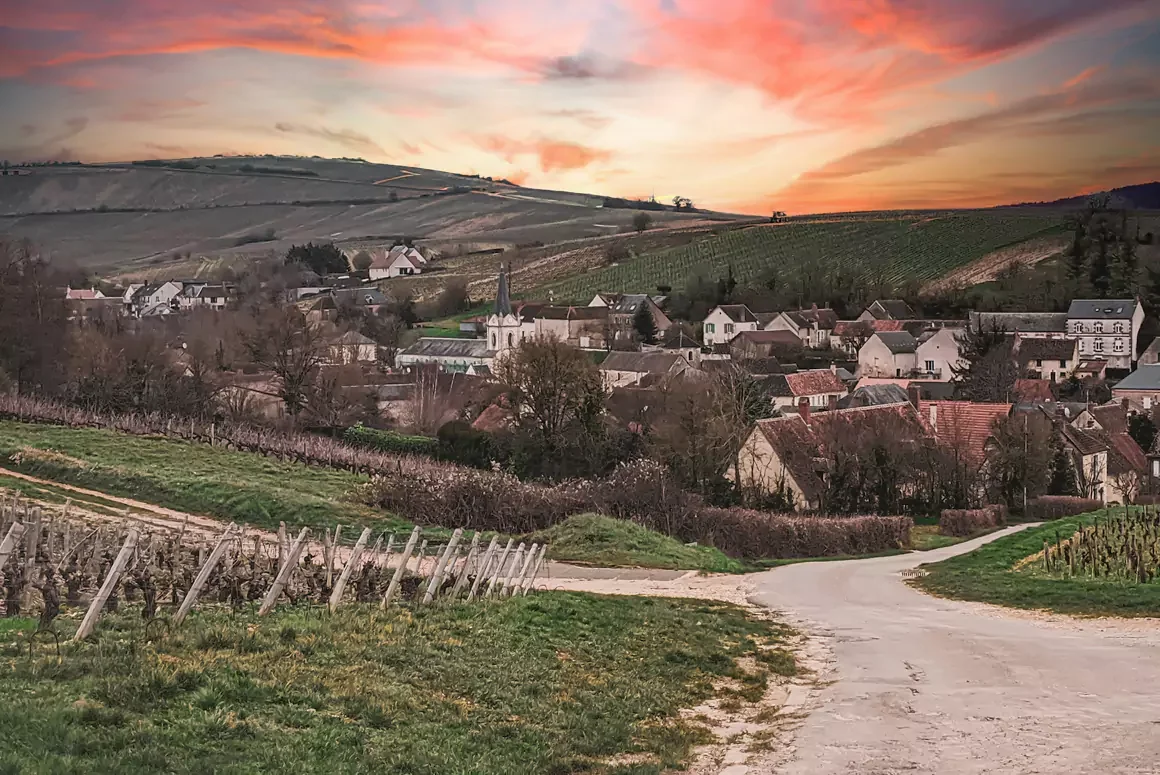
Close-knit rural areas have long been shaped by shared history, familiar faces, and a strong sense of belonging. The Guardian has listed that some of the best places to live in Britain are in rural areas. From Cirencester and Aylesbury to Aberystwyth and The Ridgeway, there are many places that have made it to the list.
In places like the Welsh countryside, everyday life often revolves around conversations at local shops, village halls, farms, and family tables. These exchanges may seem informal, yet they play a major role in how information spreads and how concerns are addressed. Awareness and open discussion sit at the centre of this process, influencing decisions that affect individuals and the collective alike.
This article explores the need for awareness and these open discussions in close-knit rural areas.
The Power of Word-of-Mouth in Rural Communities
In smaller communities, information often travels person to person rather than through formal channels. Neighbours speak to neighbours, and news passes naturally during routine encounters.
A BBC article notes that timely flood warnings are essential for saving lives. And more often than not, these warnings are given through word-of-mouth channels in rural regions. When delivered door-to-door, these warnings transmit a greater sense of urgency and authority. Thus, rural recipients are more likely to follow instructions through this channel rather than social media, website, or text alerts.
This face-to-face word-of-mouth messaging can strengthen trust, but it can also limit perspectives if conversations remain closed or selective. Open discussion helps ensure that people are exposed to different viewpoints rather than relying on assumptions or partial stories.
When awareness is encouraged, residents are more likely to feel confident asking questions and sharing experiences. This creates space for learning, even about topics that originate far beyond the village boundary. Discussions that begin casually can influence how people think about family, work, wellbeing, or broader social issues.
When External Issues Reach Rural Life
Rural communities are not isolated from national or international developments, even if they appear distant at first. Thus, news about changes in policy, industry, or public concerns should find its way into local conversations. How these topics are discussed locally determines whether they are understood clearly or reduced to fragments.
Consider the example of sickle cell disease (SCD). A study by the National Health Service Race & Health Observatory (NHSRHO) found that there is a need for more awareness and education on SCD. Therefore, awareness and knowing relevant news around SCD becomes essential.
Oxbryta, for instance, is a fast-tracked drug to treat the condition. However, many users have claimed that it leads to vaso-occlusive crises (VOCs), as highlighted by the Oxbryta lawsuit. VOCs can cause kidney failure, strokes, and even fatalities.
When rural residents are aware of such issues, they can seek professional legal support. According to TorHoerman Law, attorneys can help them gather evidence and seek appropriate compensation.
When people feel comfortable discussing such topics openly, misunderstandings are less likely to take hold. Open discussion also allows residents to connect external news to their own experiences. This context enables communities to decide what matters to them, rather than reacting purely to headlines.
The Influence of Shared Spaces
Shared spaces play a meaningful role in shaping discussion. Community halls, local pubs, markets, and agricultural shows provide opportunities for conversations that rarely happen online. These settings encourage listening as much as speaking, which helps ideas circulate more thoughtfully.
Even brief exchanges can leave lasting impressions. A passing comment or thoughtful question can prompt reflection long after the conversation ends, contributing to gradual shifts in understanding.
These conversations in closed-knit communities also facilitate regular interactions, which can help improve mental health. A Springer Nature Link study examined how place relates to social relationships and wellbeing by comparing urban and rural populations in Scotland. It focused on loneliness, social support, and social networks.
The findings showed that urban participants reported higher loneliness and lower well-being than rural participants, despite similar social support levels. After accounting for sociodemographic factors, loneliness, social support, and perceived emotional closeness within social networks were all linked to well-being. Overall, the results point to clear place-based differences, suggesting that efforts to strengthen social connections may be especially important in urban areas.
Building Trust Through Shared Conversations
Trust is a defining feature of rural life, yet it depends on honest communication. This trust is also essential in online media. A Regional Moorland Groups survey found that only 2% of UK adults believe that the BBC covers rural areas accurately. More than half of the rural population believes that the company relies on a very narrow group of individuals and organisations when covering news.
The same goes for discussions within closed-knit communities in rural UK. When difficult or unfamiliar subjects are avoided, uncertainty can quietly grow. Awareness does not require agreement, but it does require a willingness to listen. Open discussion encourages respect for different opinions while keeping dialogue grounded in shared values.
These conversations often unfold naturally rather than through organised efforts. A farmer sharing an observation, a parent raising a question, or an older resident recalling past changes can all contribute to a fuller picture. Over time, this exchange strengthens social ties rather than weakening them.
Frequently Asked Questions
How can local organisations encourage healthier conversations in rural areas?
Local organisations can create informal opportunities for people to talk without pressure or formality. Workshops, shared-interest groups, and community-led events allow discussion to grow naturally. When residents feel ownership over these spaces, participation increases and conversations feel relevant rather than imposed, which supports ongoing awareness and understanding.
What role does local media play in shaping awareness within small communities?
Local media often acts as a bridge between wider developments and everyday rural life. Newspapers, radio, and community newsletters can frame information in ways that feel familiar and grounded. This context helps residents engage with topics thoughtfully, rather than feeling disconnected or overwhelmed by broader narratives.
Are digital platforms changing how rural communities communicate with one another?
Digital platforms have expanded how information circulates, especially for people who may feel isolated or less mobile. While online spaces cannot replace face-to-face interaction, they can support connection, share updates, and prompt offline discussion. Used thoughtfully, they add another layer to existing communication patterns rather than replacing them.
Awareness and open discussion matter deeply in close-knit rural areas because they protect trust, support understanding, and keep communities connected. Conversations do not need to be formal or constant to be meaningful.
What matters is the willingness to talk, listen, and reflect together. In doing so, rural communities maintain their strength while staying informed, grounded, and connected through shared experience.