



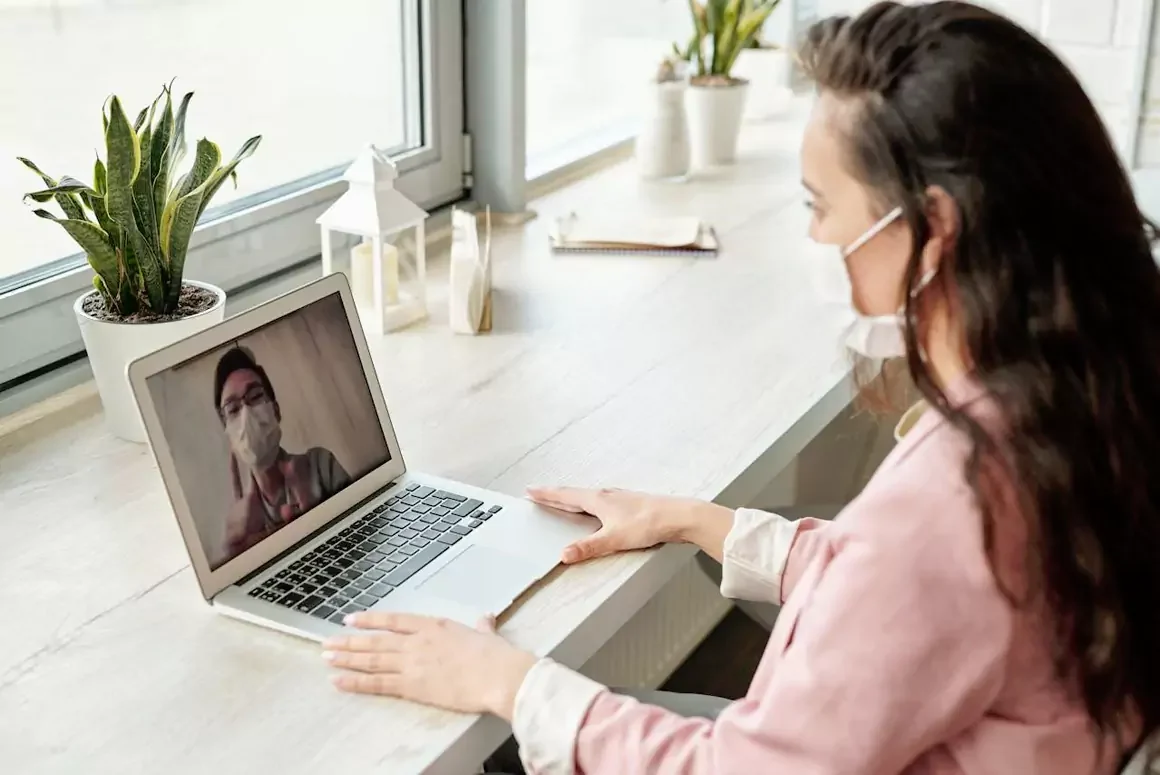
Telemedicine is changing healthcare. Mobility difficulties complicate meeting, moving, waiting, and receiving care. Due to exhaustion, pain, immobility, or difficulty seeing a doctor, patients may wait until symptoms worsen. Online portals, like Anytime Doctor (anytimedoctor.co.uk) support patient-centred care and eliminate driving. So, home consultations are available. People think convenience affects whether they get help when they need it.
Mobility Obstacles Hinder Health Care
Mobility problems may occur daily, for a short time, or for a long time. Long periods of sitting or walking can be painful for people with chronic illnesses. Some people are getting better after surgery, an accident, or a serious illness. Moving is dangerous and not fun. If the client has many meetings, poor transportation, or needs assistance from an adult, it can be difficult to access care in person. Roadblocks impede care. Telemedicine means patients don’t have to drive as often to ask questions, discuss symptoms, review test results, or adjust their plans.
What Telemedicine Can Do
You can speak with patients, learn about their medical history, and go over everything with the use of telemedicine. Patients can manage changes in symptoms, adverse effects, treatment compliance, and lifestyle obstacles. Therapists might evaluate their clients during follow-ups. Doctors issue sick notes, referral letters, and urgent symptom instructions. Triage allows individuals with mobility issues to receive care without travelling far.
Reducing Stress and Exposure
Travelling might worsen pain, joint instability, and respiratory and neurological symptoms. It can also increase fall risk, especially in busy or severe weather. Telemedicine reduces stress, preserving energy for work and recovery. Another factor is exposure. People who can’t move may be more susceptible to respiratory infections during peak infection seasons since they can’t avoid crowds or recover. Virtual consultations save time in waiting rooms and provide medical advice.
Medical Talks Benefit from Home Context
Inpatient telemedicine is undervalued. Patients can discuss their routines, medications, and dosages during the conversation. Videos of mobility aids, braces, swelling, rashes, or wounds healing can help them understand better than a brief explanation. Disability or chronic limited movement sufferers might lessen anxiety by returning to familiar surroundings. People communicate better, explain symptoms better, and follow care plans more consistently.
Making Continuous Care Coordination Easier
Mobility issues persist. Healthcare requires ongoing care. Telemedicine lets you check in, review prescriptions, and track symptoms anytime. This regularity helps clinicians discover patterns like more symptoms, side effects, and function restrictions. Therapy prevents tiny issues from growing. Patients who may not see a doctor until something catastrophic happens must be constant.
Limits and When In-Person Care Is Important
Emergency treatment, physical exams, and diagnostic testing that require special equipment cannot be done via telehealth. Severe symptoms, chest discomfort, stroke indications, significant injuries, or breathing problems require immediate assistance. Safe, reliable physical exams address several difficulties. Excellent telemedicine appointments should signal that the patient needs to see a doctor.
Making Telemedicine Better for Mobile People
Telemedicine works well when supported by a care plan. A brief log of symptoms, prescriptions, and queries before the call will help the patient. Clinicians can determine future steps by clarifying mobility difficulties. Telemedicine reduces obstacles, simplifies follow-up, and makes healthcare seem manageable when used effectively.
Image attributed to Pexels.com