


Do you need more space, but aren’t ready to move houses yet? It could be that your kids are getting bigger, your home office is currently a corner of the kitchen table, or you’re just tired of tripping over holiday decorations in a cramped hallway. The attic is sitting right there, full of potential and old suitcases. However, turning it into a livable room is requires some work. The logistical hurdles, from structural reinforcement to the fact that Loft conversions can impact the party wall act if you share a boundary with a neighbor, can make the project quite daunting. The good news is that if you consider a few elements during the planning stage, you will end up with a sanctuary. Here are the elements you should consider.
1. Structural Feasibility (Can Your Loft Handle It?)
Before you get too far into design ideas or Pinterest inspiration, it’s worth asking a pretty basic question, can your loft be converted? Not all lofts are created equal. Some have great height, solid structure, and easy access. Others… not so much. If your ceiling height is too low or the roof structure isn’t suitable, you might be looking at more extensive work than you originally planned.
And this is where things can get a bit technical. You’ll likely need a structural assessment to determine what’s possible. It might sound like an extra step (and cost), but skipping it could lead to bigger, more expensive surprises that tend to show up later. Luckily, even if your loft isn’t perfect, there are often solutions. Raising the roof, and adding dormers are all options. However, they come with implications for cost and complexity, so it’s better to know early rather than halfway through.
2. Budgeting Beyond the Basics
You might start with a rough number in mind, maybe based on something you saw online or heard from a friend. But loft conversions have a way of expanding beyond that initial estimate. It’s not just the construction you’ll be dealing with. You’ve got design fees, permits, materials, finishing touches and many other things to deal with. The “small” decisions can make a big difference. Choosing higher-end windows, adding built-in storage, and upgrading insulation might not seem like much individually, but together they can shift the budget. It helps to build in a bit of breathing room. Not just for unexpected costs, but for those moments when you decide something is worth spending a little extra on.
3. Access and Layout
It’s easy to focus on the end result: a beautiful new room, maybe with a view, maybe filled with natural light. But getting there requires thinking about something less exciting: access.
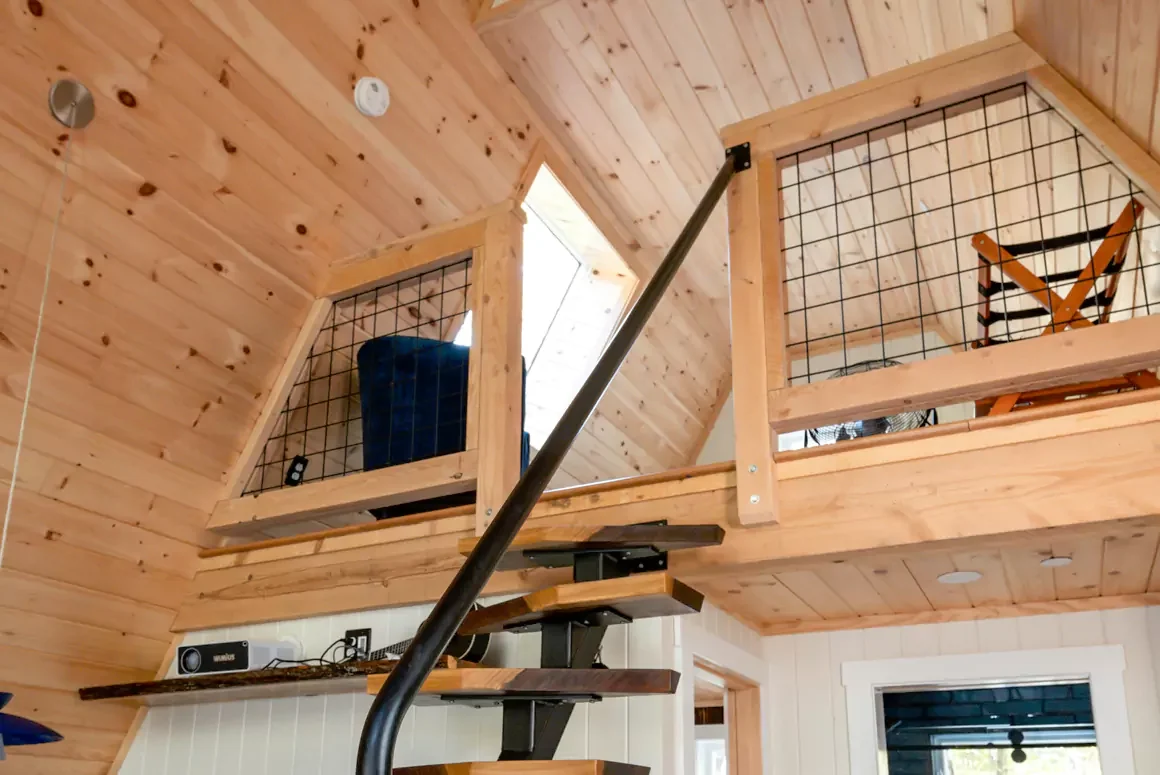
Where will the stairs go? It sounds simple, but it’s one of the most important decisions you’ll make. Stairs take up space, not just in the loft but on the floor below. And if they’re awkwardly placed, it can disrupt the flow of your home. Then there’s the layout of the loft itself. What are you actually using it for? A bedroom? Office? Something else? The purpose should guide everything, from where windows are placed to how much storage you include.
And here’s a thought. Try to imagine yourself using the space, not just looking at it. Where would you walk? Where would you sit? It’s those practical details that turn a good design into one that works day to day.
Summing Up
When planning a loft conversion, you want to make sure that space works for you, both practically and financially. And while the process can feel a bit overwhelming at first, it becomes much clearer once you focus on the essentials. Think about the structure. Be realistic about your budget. Consider how you’ll access and use the space. And don’t ignore the legal side of things, even if it feels a little tedious.